Esslingen Castle
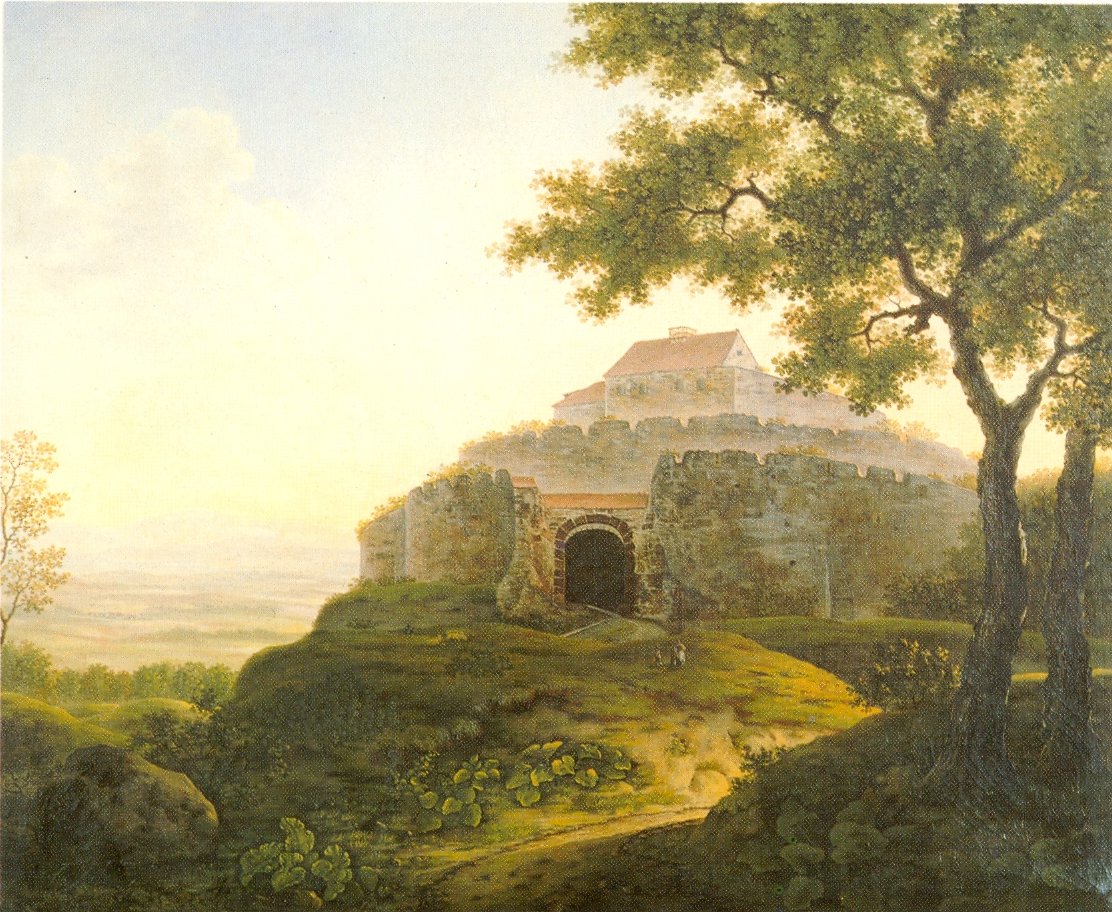
Esslingen Castle stands as a prominent historic bastioned fortress overlooking the city of Esslingen am Neckar in Germany. Originating in the 13th century, this castle has been a defining landmark for nearly 700 years, reflecting the military and architectural evolution of the High Medieval period into the early Renaissance. Its strategic location on a hill provided commanding views of the Neckar valley, essential for the defense and control of the region.
Medieval origins and architectural evolution
The initial construction of Esslingen Castle dates back to the 13th century, during the High Medieval era, when the castle served primarily as a fortification to protect the city and its surrounding territories. The castle's design incorporated typical medieval defensive features such as thick stone walls, fortified towers, and a commanding keep. Over time, the castle complex was expanded and fortified further to adapt to changing military technologies and threats.
Between 1519 and 1531, significant enhancements were made to the castle, reflecting the transition from medieval fortifications to a more modern bastioned fortress. This period saw the addition of angled bastions designed to withstand artillery attacks, a hallmark of early Renaissance military architecture. These bastions allowed defenders to cover all approaches with overlapping fields of fire, a critical innovation against cannon warfare.
Key features and surviving structures
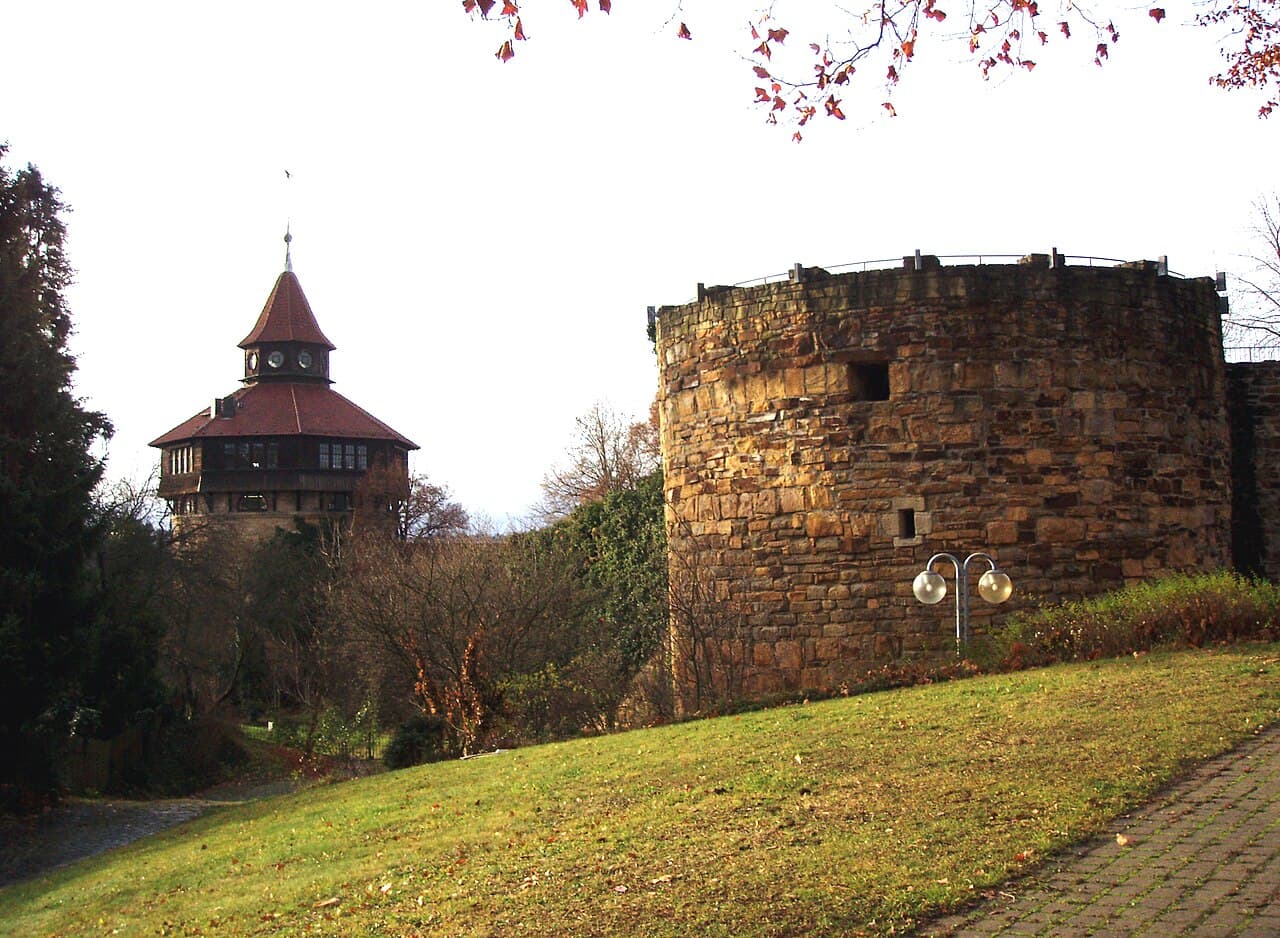
Today, visitors can explore several well-preserved elements of the castle and the adjacent city fortifications. The Schelztor, a historic city gate, remains an integral part of the defensive system, showcasing the blend of urban and military architecture. The Pliensauturm and Wolfstor are also notable surviving towers that once formed part of the city wall, providing additional layers of defense and observation points.
One of the castle's most famous landmarks is the Dicke Turm (Fat Tower), which has recently been reopened for guided tours. Visitors who climb its more than 300 steps are rewarded with a panoramic view of Esslingen and the Neckar valley, offering insight into the castle's strategic vantage point and the surrounding landscape.
Historical significance and cultural heritage
Esslingen Castle played a crucial role in the region's defense and administration throughout the Middle Ages and into the Renaissance. Its fortifications helped protect the city during various conflicts and served as a symbol of local power and resilience. The castle and its associated city walls represent an important chapter in the military history of southwestern Germany.
Today, the castle is accessible to the public, allowing visitors to appreciate its architectural features and historical context. The preservation of the castle and its fortifications provides valuable insight into medieval and Renaissance military engineering and urban defense strategies.
Visiting esslingen castle
Visitors to Esslingen Castle can explore the castle grounds, including the city walls and towers. The guided tours of the Dicke Turm offer an engaging way to learn about the castle's history and architecture while enjoying breathtaking views. The castle's location in the heart of Esslingen am Neckar makes it easily accessible and a popular destination for those interested in medieval fortifications and German history.
The ascent of the tower, involving more than 300 steps, is a physically demanding but rewarding experience, providing a unique perspective on the castle's defensive design and its role in the city's development.
Frequently asked questions (FAQ)
- What is the best time to visit Esslingen Castle?
- The best time to visit Esslingen Castle is during the warmer months from spring to early autumn when the weather is pleasant for climbing the tower and exploring the grounds.
- Is Esslingen Castle accessible for people with limited mobility?
- Due to the castle's historic nature and the tower's steep stairs, accessibility is limited for visitors with mobility challenges. However, some areas of the castle grounds can be explored without climbing.
- Can I visit the Dicke Turm at Esslingen Castle?
- Yes, the Dicke Turm is open to the public through guided tours. Visitors can climb the tower's more than 300 steps to enjoy panoramic views of Esslingen and the Neckar valley.
- Are there guided tours available at Esslingen Castle?
- Guided tours are available, particularly for the Dicke Turm, providing detailed information about the castle's history, architecture, and strategic importance.
- What historical period does Esslingen Castle represent?
- Esslingen Castle primarily represents the High Medieval period with significant Renaissance-era fortification enhancements made in the early 16th century.
Photo gallery

Photo by --Xocolatl 17:43, 2 December 2007 (UTC)•Public domain
Information
Loading map...
Visitor reviews
No reviews yet. Been here? Write the first review and help other travelers!
Write the first reviewVisited this castle? Share your experience
Your review helps other travelers and adds first-hand knowledge to our encyclopedia.