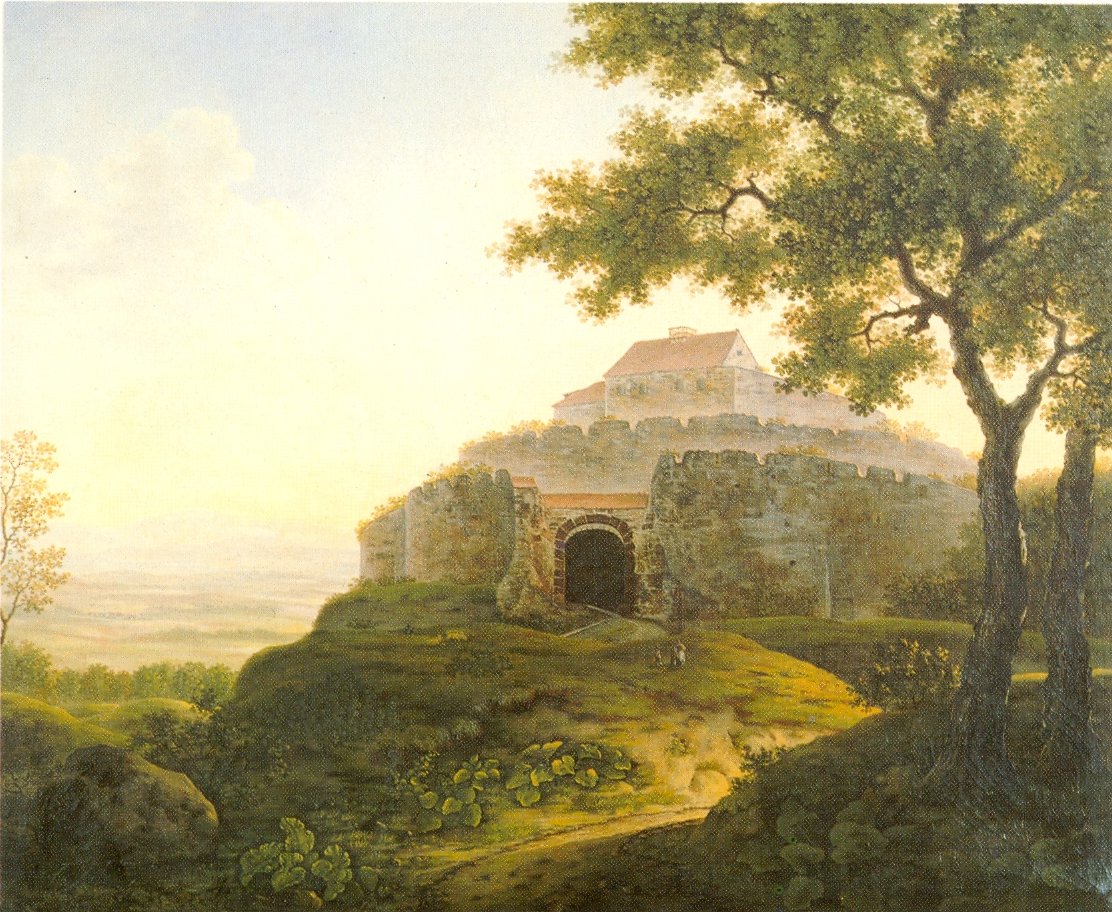
Stuttgart Old Castle
Stuttgart Old Castle stands as a prominent historic landmark in the heart of Stuttgart, Germany. Originally established around 950 AD during the early medieval period, the castle’s origins are deeply connected to the founding of Stuttgart itself, which began as a settlement centered on horse breeding. The name "Stuotgarten," meaning "mare garden," reflects this equestrian heritage, as the castle was initially built to guard the stud farm and control vital trade routes passing through the Stuttgart valley.
The castle evolved significantly over the centuries, transitioning from a defensive stronghold to a Renaissance palace and later becoming a cultural institution. Its strategic location near the Nesenbach stream and the Swiss Road made it a key site for regional power, particularly under the Counts and later Dukes of Württemberg, who made it their residence from the 14th century onward. Today, the Old Castle serves as the home of the Württemberg State Museum and remains a symbol of the city's medieval and Renaissance heritage.
The early medieval origins and strategic importance
The earliest archaeological evidence dates back to the late 12th or early 13th century, revealing a fortified structure built to secure the north-south trade route through the Stuttgart valley. This initial castle featured a double outer wall system with two moats, timber-framed buildings, and a defensive perimeter approximately 30 meters in diagonal length. Positioned to protect commerce and control movement, the castle played a vital administrative and military role during the Staufer (Hohenstaufen) period.
Around 1300, a new fortress was constructed with significantly thicker walls, measuring about 3.6 meters in thickness, and deeper foundations that remain archaeologically unexcavated. This second castle was rotated approximately 45 degrees relative to the earlier structure to better defend against flooding from the Nesenbach stream. It became the principal residence of the Counts of Württemberg and housed their court chamber (Hofkammer) by the early 14th century. The site was enclosed by a deep and continuous moat, emphasizing its defensive and residential functions.
The Renaissance transformation under Dukes Christoph and Ludwig
Between 1553 and 1578, the Old Castle underwent a major conversion from a medieval fortress into a Renaissance palace under the direction of Dukes Christoph and Ludwig III. Architect Aberlin Tretsch and master builder Blasius Berwart led the remodeling, which included the construction of an archive building and the famous equestrian staircase around 1560. The palace church was consecrated in 1562, featuring a cross-shaped hall designed for Protestant worship, with an altar and pulpit centrally located for visibility.
To mitigate flooding issues, the castle’s ground level was raised by approximately six meters on the northwest side, altering the interior layout. The large medieval hall known as the Dürnitz was converted into a wine cellar, which remained in use until the 20th century. The Renaissance remodeling also introduced a three-sided arcaded courtyard, showcasing early Italian Renaissance architectural elements, although the arcades were never fully completed due to shifting political circumstances.
The castle church and royal crypt
The castle church, built between 1558 and 1562, is a significant feature of the Renaissance complex. Its design reflects Protestant liturgical needs, with a simple barrel vault ceiling later enhanced with decorative ribs and tracery around 1580. After 1806, the church underwent neo-Gothic restyling by Alexander Tritschler, who added the royal crypt beneath it. This crypt houses the tombs of King Charles I of Württemberg and Queen Olga, among other members of the royal family.
Later history, damage, and restoration
In the 18th century, the castle’s moats were filled in, ending its era as a water castle. The Old Castle suffered significant damage from a fire in 1931, particularly to the Dürnitz building and its two towers. Architect Paul Schmitthenner led the initial restoration efforts. However, the castle was heavily bombed during World War II, causing further destruction, including losses to parts of the Landesmuseum Württemberg’s ethnographic collections.
Post-war reconstruction resumed and was completed by 1971, restoring the castle to its former Renaissance grandeur. Today, it functions as a museum complex housing the Landesmuseum Württemberg, the Junges Schloss children’s museum, and an active castle church. A memorial to Claus Graf Stauffenberg, a key figure in the German resistance during World War II, is located on the Karlsplatz side of the complex.
Architectural features and archaeological findings
Excavations beneath the castle have revealed layers of fortifications and constructions spanning the medieval period. The earliest remains include the double outer walls and moats from the late 12th or early 13th century. The successor castle from around 1300 features massive walls with foundations that have not been fully excavated. The Renaissance remodeling removed approximately 60% of the original northwest wing to create the arcaded courtyard.
The castle’s courtyard contains a bronze equestrian statue of Eberhard I, the first Duke of Württemberg to establish Stuttgart as his residence in 1495. The statue was sculpted by Ludwig von Hofer and commemorates the duke’s foundational role in the region’s history.
Archaeological investigations have also uncovered remnants of settlements dating back to the 8th century beneath the southern area of the castle, within the Dürnitz sector, indicating early habitation predating the medieval structures.
The Old Castle in Stuttgart’s cultural landscape
The Old Castle remains a central feature of Stuttgart’s historical and cultural identity. Its proximity to the New Castle, built in the late 18th century, and its location near Schillerplatz place it at the heart of the city’s civic life. The castle’s transformation from a medieval fortress to a Renaissance palace and finally to a museum complex reflects the evolving political, cultural, and architectural history of the region.
Visitors today can explore the castle’s richly layered history through its preserved architecture, museum collections, and commemorative monuments. The castle church continues to serve religious functions, while the museum offers insights into Württemberg’s heritage, art, and archaeology. The site’s archaeological findings provide a tangible link to Stuttgart’s origins and its development over more than a millennium.
Frequently asked questions (FAQ)
- How do I get to Stuttgart Old Castle?
- Stuttgart Old Castle is located in the heart of Stuttgart and is easily accessible by public transportation. You can take the U-Bahn or S-Bahn to the Stadtmitte station, which is just a short walk away from the castle.
- What is the historical significance of Stuttgart Old Castle?
- Stuttgart Old Castle, or Altes Schloss, has a rich history dating back to the 10th century. It served as the residence of the dukes of Württemberg and is now a symbol of the city’s heritage, showcasing various architectural styles from its long history.
- When was Stuttgart Old Castle built?
- The original structure of Stuttgart Old Castle was constructed in the 10th century, with significant renovations and expansions occurring in the late Renaissance period. The castle has been transformed over the centuries, reflecting the changing architectural trends of each era.
- Can I take guided tours of Stuttgart Old Castle?
- Yes, guided tours are available at Stuttgart Old Castle, providing visitors with a deeper understanding of its history and architecture. These tours are conducted in multiple languages and can be booked in advance for a more enriching experience.
- Why is Stuttgart Old Castle considered an architectural gem?
- Stuttgart Old Castle is renowned for its blend of Renaissance and Baroque architectural styles, featuring stunning facades and intricate details. The castle’s design showcases the artistic and cultural advancements of its time, making it a must-see for architecture enthusiasts.
- Is it possible to visit Stuttgart Old Castle year-round?
- Yes, Stuttgart Old Castle is open year-round, though it's advisable to check for specific holidays or maintenance closures. Visiting during the off-peak season may offer a quieter experience and more opportunities to explore the castle's exhibits.
- What are the opening hours for Stuttgart Old Castle?
- Stuttgart Old Castle typically opens at 10 AM and closes at 5 PM, with extended hours during the summer months. It's always best to check the official website for the most current opening hours before your visit.
- What are the ticket prices for Stuttgart Old Castle?
- Ticket prices for Stuttgart Old Castle vary, with discounts available for students and seniors. Children under a certain age may enter for free, making it an affordable destination for families.
- What nearby attractions should I visit after Stuttgart Old Castle?
- After visiting Stuttgart Old Castle, you can explore the beautiful Palace Gardens, the Landesmuseum, or the vibrant shopping area of Königstraße. These attractions are within walking distance and provide a perfect complement to your castle visit.
Information
Sources & official resources
Verify the information above using these authoritative references.
Loading map...
Visitor reviews
No reviews yet. Been here? Write the first review and help other travelers!
Write the first reviewVisited this castle? Share your experience
Your review helps other travelers and adds first-hand knowledge to our encyclopedia.