Burg Beutelsbach
Burg Beutelsbach stands as a significant medieval castle ruin located near the town of Beutelsbach, within the municipality of Weinstadt in Germany. This historic site is renowned for its connection to the Württemberg family, a noble dynasty that played a crucial role in the regional history of southwestern Germany. The castle's origins trace back to the 11th century, making it one of the earliest known ancestral seats of the Württembergers.
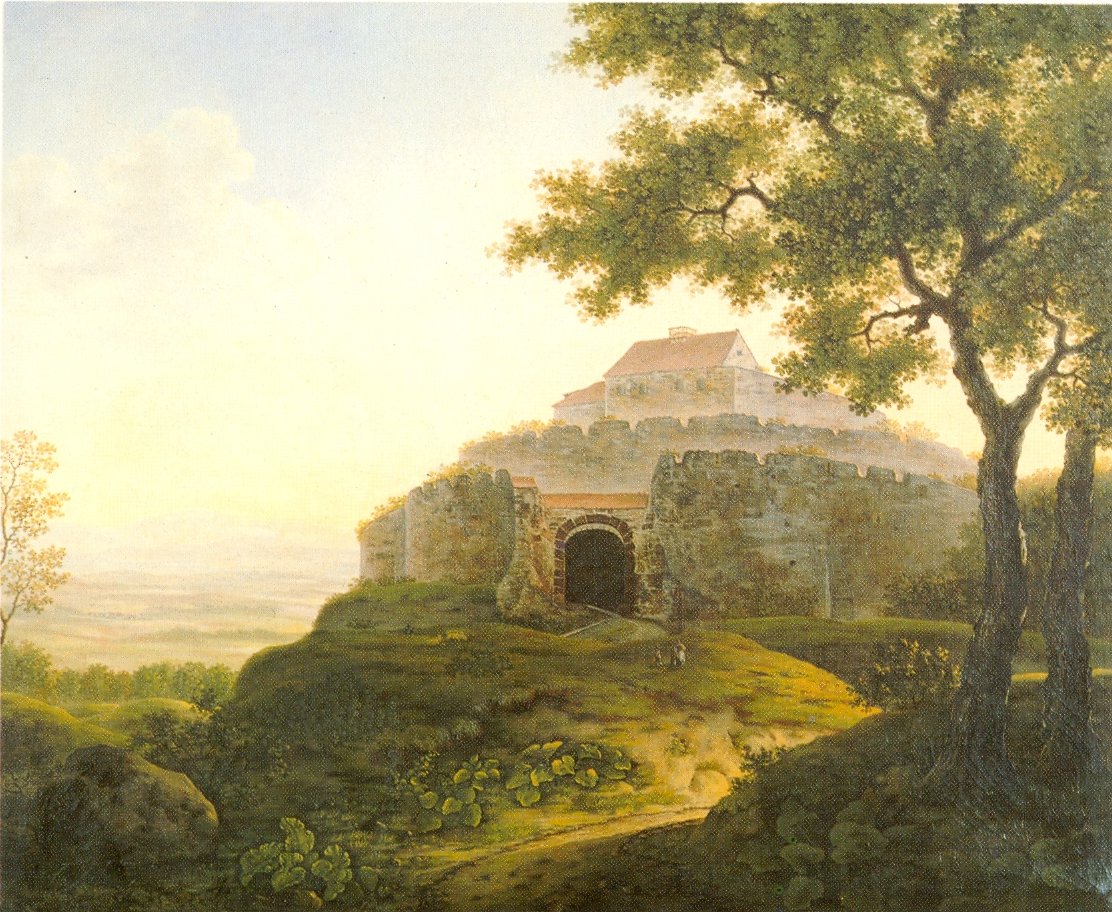
The castle was strategically constructed on a prominent hill spur called Kappelberg, approximately 310 meters above sea level. This elevated position provided commanding views over the surrounding landscape, particularly the important medieval imperial road known as the Kaiserstraße. This road was a vital route connecting the Schurwald area to the Filstal valley, underscoring the castle's role in overseeing and protecting regional trade and travel during the High Middle Ages.
Early history and strategic importance
The construction of Burg Beutelsbach is attributed to the Württemberg family, who derived their name from this very location during the castle's early period. The castle served as the family's original residence and power base in the region. Around the year 1080, under the leadership of Konrad I of Württemberg, the family relocated their seat to Burg Wirtemberg, a nearby fortress that would lend its name to the dynasty's enduring identity.
This move marked a pivotal transition for the Württembergers, as they adopted the new name from their relocated stronghold. Despite this, Burg Beutelsbach retained local significance for some time. By the mid-13th century, specifically around 1252, historical records suggest that the castle was already in a state of decline or ruin, reflecting its diminished strategic and residential importance.
Destruction and later historical significance
The final destruction of Burg Beutelsbach occurred in 1312, effectively ending its role as a military fortification. However, the site continued to hold cultural and historical relevance, particularly through its nearby castle chapel. This chapel gained prominence during the 1514 peasant uprising known as the "Armer Konrad", where it served as a gathering place for local insurgents. Although detailed contemporary accounts are limited, this association highlights the castle's enduring presence in regional memory well beyond its physical demise.
Archaeological rediscovery and preservation efforts
Centuries after its destruction, the remains of Burg Beutelsbach were largely dismantled down to their foundations between 1760 and 1765. The ruins were forgotten until their rediscovery in 1968 during vineyard land consolidation activities. This event prompted a brief but important archaeological excavation that uncovered foundational walls and a remarkable inscribed stone.
The inscribed stone, carved with a Latin inscription, initially led to some confusion regarding the castle's construction date, mistakenly suggesting 1752. However, further analysis clarified that the inscription referenced significant figures from the 13th century, including Berthold, a provost, and Count Ulrich of Württemberg during the papacy of Innocent IV. This artifact provides a tangible link to the castle's medieval origins and the historical context of its builders.
Since the excavation, the ruins have been subject to partial restoration and conservation efforts. Photographs from recent decades, including those from 2014 and 2021, show preserved foundation walls and accessible pathways that allow visitors to explore the site. These efforts aim to protect the castle's legacy and offer insights into early medieval fortification architecture in the Württemberg region.
Architectural features and castle layout
The surviving remains of Burg Beutelsbach primarily consist of foundation walls and structural fragments that outline the castle's original footprint on the hill spur. Although detailed architectural plans or comprehensive measurements have not been extensively documented, the site's layout reflects typical hill castle design principles of the High Medieval period.
The castle's elevated location on Kappelberg provided natural defensive advantages, complemented by constructed fortifications such as curtain walls and possibly towers that would have enhanced its defensive capabilities. The presence of a dedicated castle chapel nearby indicates the importance of religious practice within the castle complex, a common feature in medieval noble residences.
Inscribed stone and its significance
The Latin inscribed stone discovered during the 1968 excavation is a key architectural and historical artifact. Its inscription mentions important medieval figures and events, offering valuable evidence about the castle's construction phase and its patrons. The craftsmanship and material of the stone reflect the building traditions of the 13th century, emphasizing the castle's connection to the Württemberg lineage and the broader political-religious landscape of the era.
Cultural heritage and visitor experience
Today, Burg Beutelsbach serves as a cultural landmark within the region of Baden-Württemberg. Although only ruins remain, the site offers visitors a glimpse into the early history of the Württemberg dynasty and the medieval fortifications that shaped the area's development.
Visitors to the site can explore the preserved foundations and enjoy panoramic views from the hill spur, appreciating the castle's strategic location. The nearby chapel site adds a layer of historical depth, linking the ruins to significant social upheavals such as the Armer Konrad uprising.
Conservation efforts continue to maintain the ruins, ensuring that Burg Beutelsbach remains accessible and informative for both history enthusiasts and scholars interested in medieval German castles.
Frequently asked questions (FAQ)
- How do I get to Burg Beutelsbach?
- Burg Beutelsbach is located near Beutelsbach in Weinstadt, Baden-Württemberg, Germany. It is accessible by local roads and hiking trails leading up to the hill spur called Kappelberg.
- What is the historical significance of Burg Beutelsbach?
- Burg Beutelsbach was the original ancestral seat of the Württemberg family in the 11th century and played a key role in overseeing the medieval Kaiserstraße trade route.
- When was Burg Beutelsbach destroyed?
- The castle was finally destroyed in 1312, marking the end of its military use, though its chapel remained significant during later historical events.
- Can I visit the ruins of Burg Beutelsbach?
- Yes, the ruins are accessible to the public with preserved foundations and pathways. Visitors can explore the site and learn about its medieval history.
- Why is the inscribed stone important?
- The inscribed stone discovered in 1968 provides valuable historical context, mentioning 13th-century figures linked to the castle’s construction and offering insights into medieval building practices.
Information
Sources & official resources
Verify the information above using these authoritative references.
Loading map...
Visitor reviews
No reviews yet. Been here? Write the first review and help other travelers!
Write the first reviewVisited this castle? Share your experience
Your review helps other travelers and adds first-hand knowledge to our encyclopedia.