Erpeldange Castle
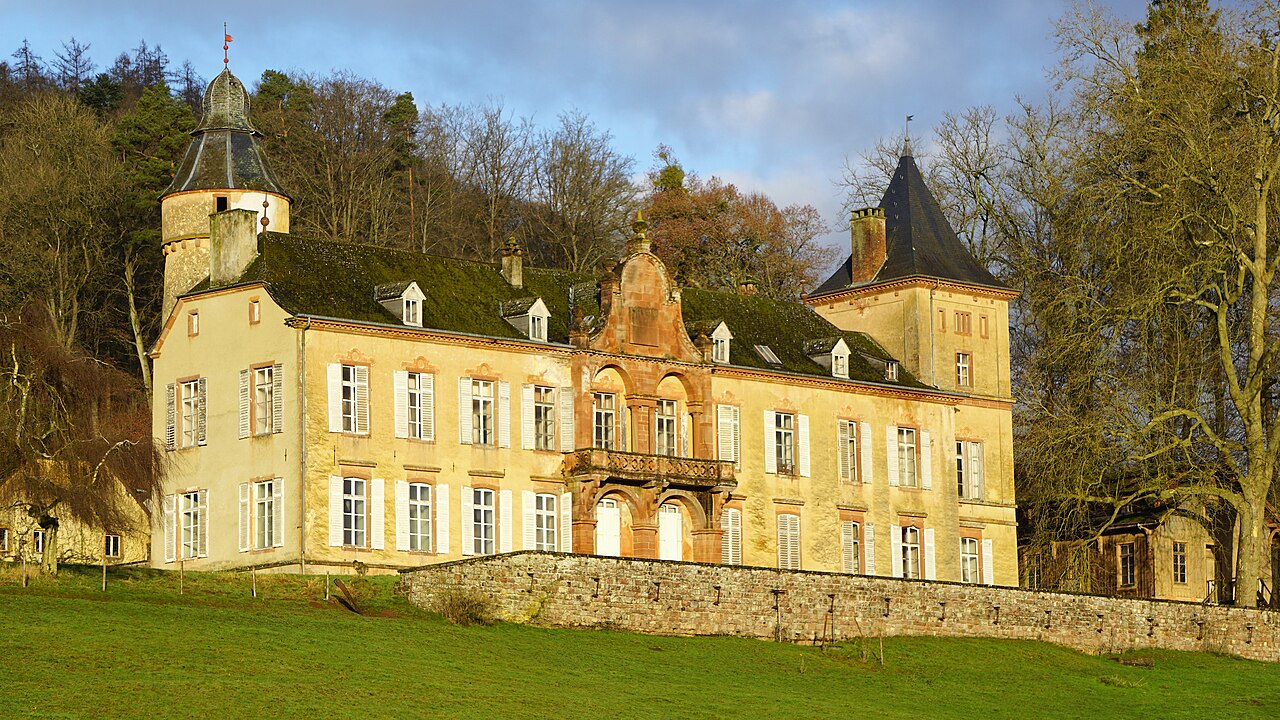
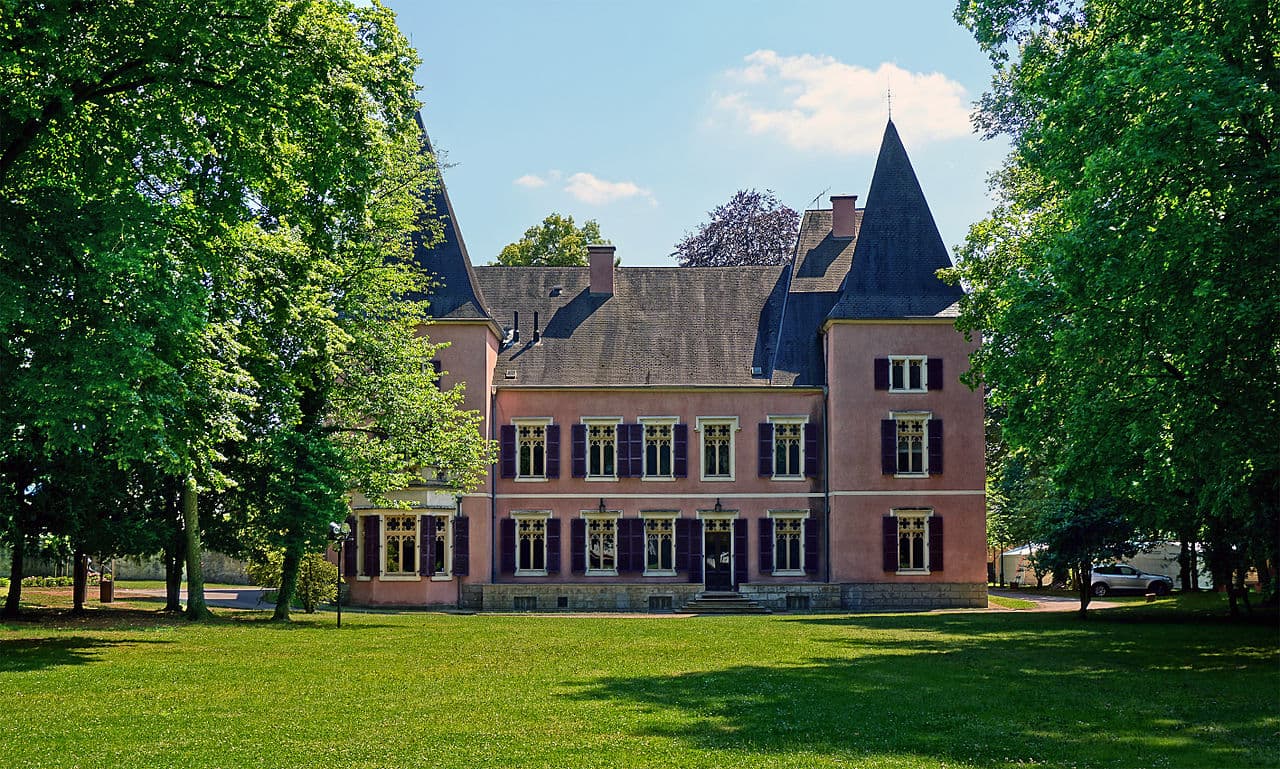
Erpeldange Castle stands in the town of Erpeldange in north-eastern Luxembourg, within the region of Redange. This hill castle has a rich history that stretches back to the 12th century, evolving significantly through the medieval and Renaissance periods. Today, it functions as the administrative center for the Commune of Erpeldange, while its grounds remain accessible to the public.
The origins and medieval fortifications
The site originally featured a wooden fort and tower during the 12th century, serving as an early defensive position overlooking the strategic confluence of the River Sûre and the Alzette River. In the 13th century, the first stone fortified castle was constructed by Frederic and Gerard d'Erpeldange, the initial lords of the area. This castle guarded the valley and controlled an important route, reflecting the typical medieval focus on defense and territorial control.
Ownership and architectural transformation in the Renaissance
Ownership of Erpeldange Castle passed through several noble families, including the Counts of Vianden, the Brandenburg-Outscheid family, and the von Moestroff-Kerpen lineage. The castle's most significant architectural transformation occurred in 1630 when the Gondersdorf family inherited the property through marriage. They converted the medieval fortress into a luxurious Renaissance residence for their daughter, reflecting the period's shift from purely military structures to more comfortable noble homes.
Renaissance architectural features
The 17th-century remodeling introduced elegant elements typical of the Renaissance style, including spacious living quarters and two notable Renaissance fireplaces that remain preserved within the castle. The castle's defensive role diminished as the structure was surrounded by landscaped gardens and parks instead of fortifications, marking its transition from a military stronghold to a noble estate.
Later history and changing functions
By the late 17th century, ownership transferred to Charles François baron de Failly de Sancy and Marie Marguerite de Giraldin. The castle was no longer maintained for defense and instead became a peaceful residence. In the 19th century, the Prel family abandoned the castle, which was subsequently repurposed as a rectory.
Damage and restoration in the 20th century
During the Second World War, Erpeldange Castle suffered damage due to its occupation first by German forces and later by American troops. After the war, the castle changed hands multiple times until it was acquired by the State of Luxembourg in 1983. Since 1987, the castle has housed the commune's administrative offices, ensuring its preservation and continued use.
Architectural layout and features
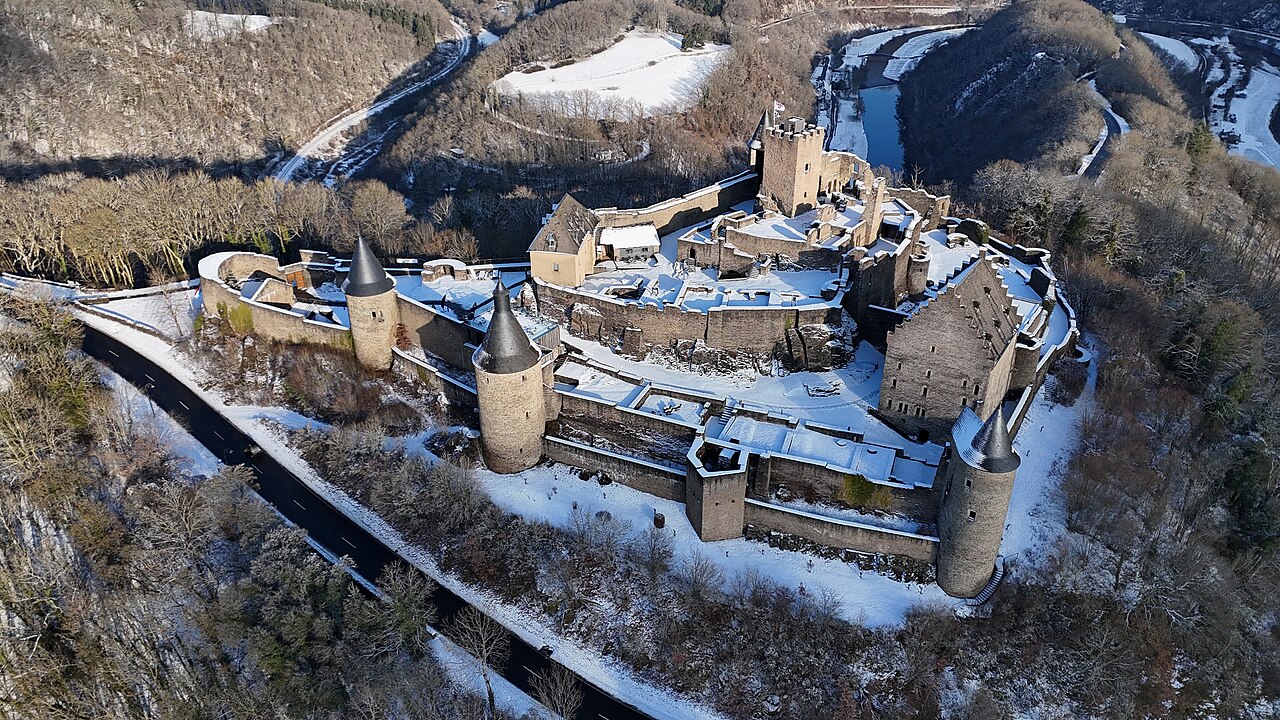
Erpeldange Castle's layout reflects its layered history. The original medieval stone walls and towers provided defense, while Renaissance modifications introduced more refined residential spaces. The castle includes a courtyard surrounded by robust walls and towers, typical of fortified hill castles. The presence of two fine Renaissance fireplaces inside highlights the blend of defensive and domestic architecture.
Setting and landscape
Positioned on a hill overlooking the valley, the castle commands views of the meeting point of the River Sûre and the Alzette. The surrounding grounds have been landscaped into a quiet park, replacing former military defenses and offering a serene environment for visitors and local administration alike.
Visiting Erpeldange Castle today
Currently, the castle serves as the seat of the commune's administrative offices, but its grounds are open to the public. Visitors can appreciate the castle's exterior architecture, the historic park, and the scenic views of the river valley. The castle's blend of medieval fortifications and Renaissance residential features make it a significant cultural heritage site in Luxembourg.
Accessibility and public engagement
While the interior is primarily used for administrative purposes and not generally open to tourists, the castle grounds offer a peaceful setting for walks and local events. Its historical significance and architectural evolution provide valuable insights into Luxembourg's noble residences and defensive structures from the Middle Ages through the Renaissance.
Frequently asked questions (FAQ)
- How do I get to Erpeldange Castle?
- Erpeldange Castle is easily accessible by car and public transport. If traveling by car, you can find parking nearby. For public transport, check the local bus schedules for routes that stop close to the castle.
- What is the historical significance of Erpeldange Castle?
- Erpeldange Castle dates back to the 12th century and is a remarkable example of medieval architecture in Luxembourg. It has served various purposes over the centuries, including as a fortress and residence, reflecting the region's rich history.
- When was Erpeldange Castle built?
- Construction of Erpeldange Castle began in the late 12th century, with significant renovations occurring in subsequent centuries. Its long history showcases the evolution of architectural styles and the castle's role in the region's history.
- Can I take guided tours of Erpeldange Castle?
- Yes, guided tours of Erpeldange Castle are available, providing visitors with insights into its history and architecture. It is recommended to book in advance during peak tourist seasons to secure your spot.
- Why is Erpeldange Castle a popular tourist attraction?
- Erpeldange Castle is popular due to its stunning architecture, picturesque surroundings, and rich historical background. Visitors appreciate the opportunity to explore a well-preserved castle and learn about its significance in Luxembourg's history.
- Is it possible to visit Erpeldange Castle year-round?
- Yes, Erpeldange Castle is open to visitors year-round, although hours may vary by season. It's best to check the official website for the most current opening hours and any special events taking place.
- What are the ticket prices for visiting Erpeldange Castle?
- Ticket prices for Erpeldange Castle are generally affordable, with discounts available for students and seniors. Children under a certain age may enter for free, making it a great family-friendly destination.
- What is the best time to visit Erpeldange Castle?
- The best time to visit Erpeldange Castle is during the spring and early autumn when the weather is mild and the gardens are in full bloom. Additionally, visiting during weekdays may help you avoid larger crowds.
- Are there any nearby attractions to visit alongside Erpeldange Castle?
- Yes, several attractions are located near Erpeldange Castle, including scenic walking trails and other historical sites. Exploring the charming village of Erpeldange itself is also a delightful experience for visitors.
Photo gallery

Information
Loading map...
Visitor reviews
No reviews yet. Been here? Write the first review and help other travelers!
Write the first reviewVisited this castle? Share your experience
Your review helps other travelers and adds first-hand knowledge to our encyclopedia.