Berg Castle
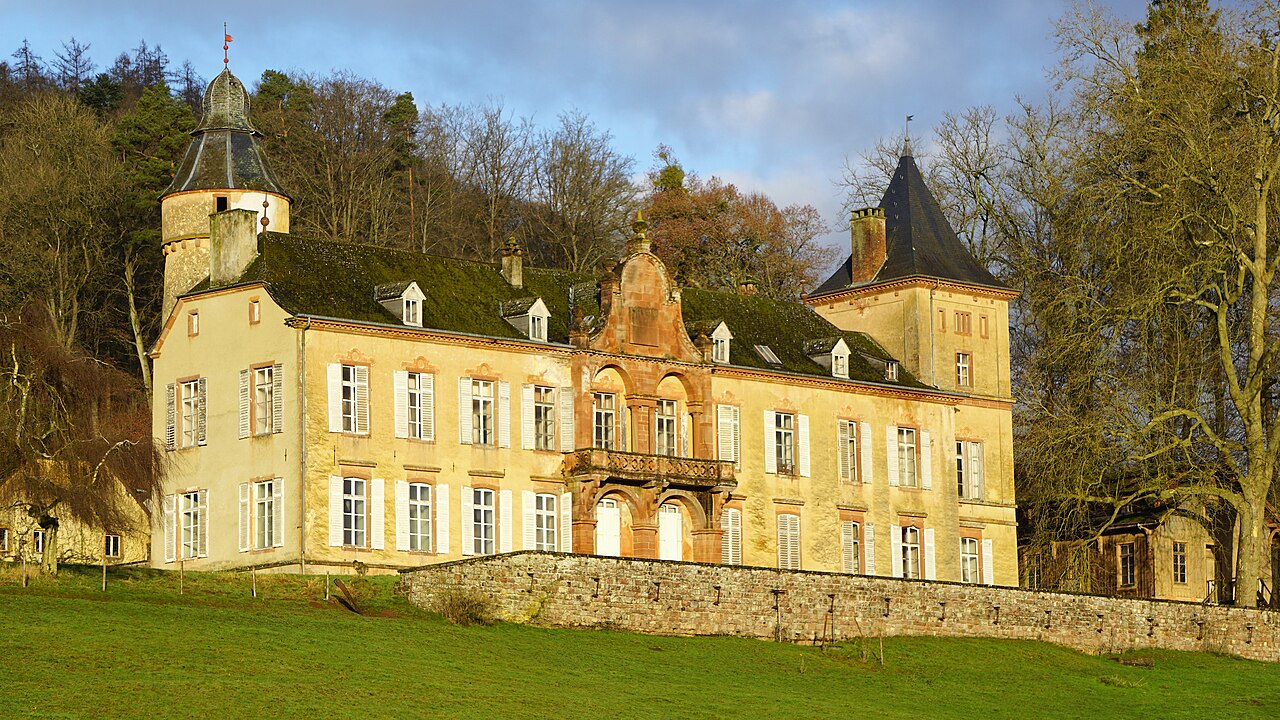
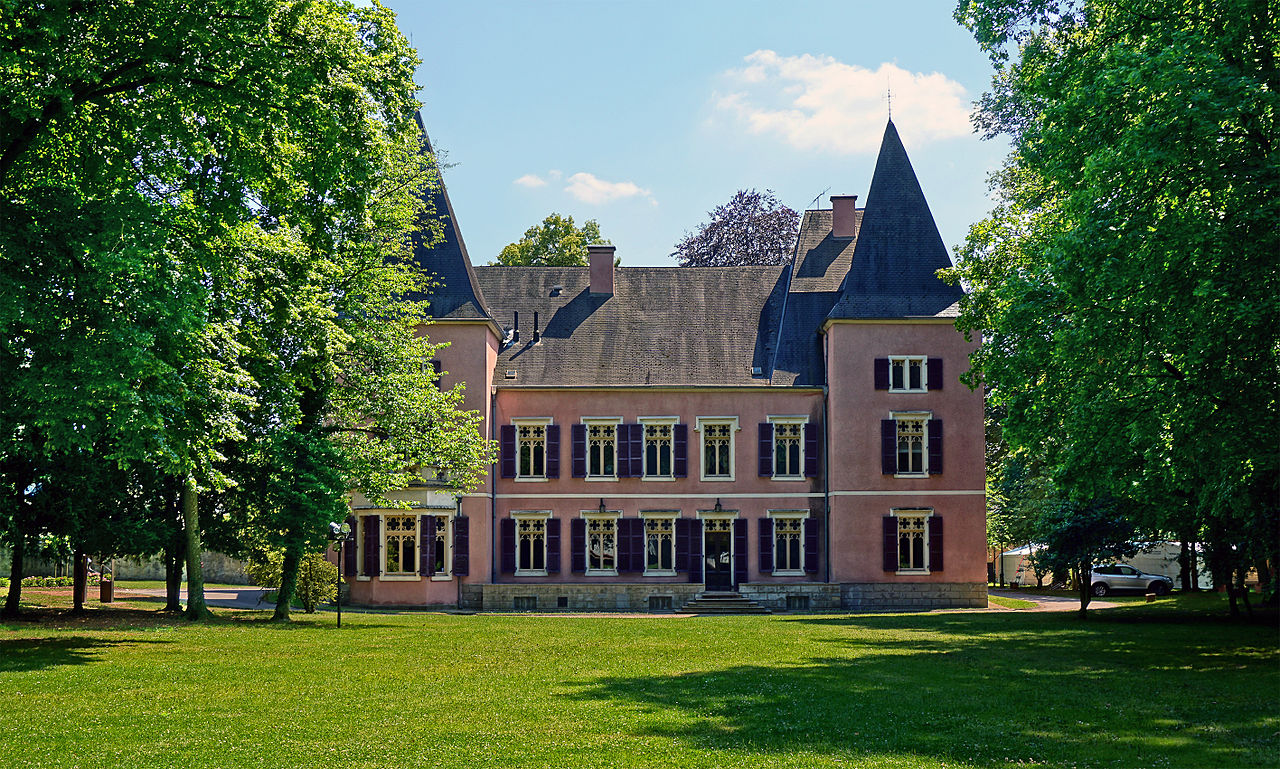
Berg Castle, also known locally as Château de Berg or Schloss Berg, is a prominent historic castle situated west of the village of Colmar-Berg, south of Ettelbruck in Luxembourg. Nestled in a valley near the confluence of the Alzette and Attert rivers, the castle sits at an elevation of approximately 230 meters, surrounded by mixed forests and varied terrain. It has served as the official residence of the Grand Ducal family of Luxembourg since the early 20th century, embodying centuries of Luxembourg's royal history and architectural evolution.
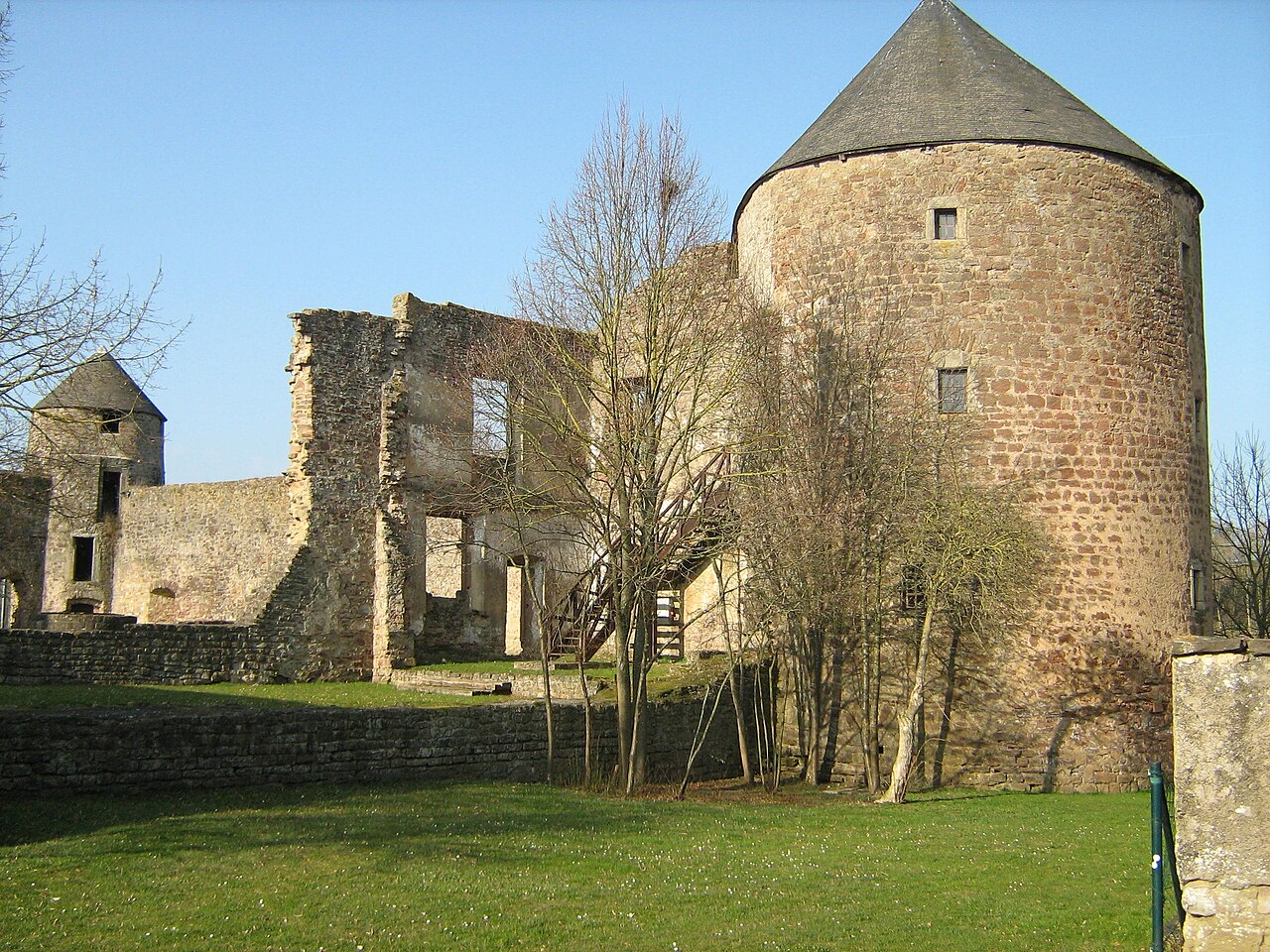
The origins of Berg Castle trace back to the early 15th century, likely constructed following the division of lands from an older, now vanished castle nearby. This medieval fortress formed the foundation of the estate, which evolved through various phases of ownership and architectural transformation. The castle's significance grew notably in the 19th century when it became linked to Luxembourg's ruling dynasty amid the geopolitical shifts following the Belgian Revolution and the separation from the Netherlands.
The grand ducal connection and historical significance
In 1845, William II, Grand Duke of Luxembourg and member of the Dutch Royal family, acquired the castle from the Pasquier estate. This purchase came after Luxembourg was divided politically and territorially due to the Belgian Revolution. The 1848 constitution formally recognized Berg Castle as the exclusive residence of the Grand Duke, cementing its role in the nation's governance and royal tradition.
Following the end of the personal union between Luxembourg and the Netherlands in 1890, Grand Duke Adolphe purchased Berg Castle in 1891 to maintain the family's estate in Colmar-Berg. This act preserved the castle's status as the primary residence of Luxembourg's sovereigns.
Architectural transformation in the early 20th century
Between 1907 and 1911, the original medieval and later structures were demolished to make way for a new castle. This new building was designed by Max Ostenrieder, a Munich architect, in collaboration with Luxembourg architect Pierre Funck-Eydt. The architectural style of the new castle reflects early 20th-century design sensibilities, combining functionality with grandeur suitable for a royal residence.
The new Berg Castle features a prominent main tower rising approximately 65 meters, which dominates the landscape and serves as a visual landmark. The castle's layout includes extensive supporting buildings such as stables, storage sheds, a heated orangery for plant cultivation, and garages for vehicles. Service facilities include laundry rooms with drying spaces and an independent diesel-powered electric plant. Housing for staff is provided in fourteen separate residences scattered throughout the estate.
Architectural style and design details
While the castle was rebuilt in the early 20th century, it retains some influences from its late medieval origins, though the predominant style is aligned with the period's eclectic historicism. The design emphasizes both the castle's function as a home and as a symbol of state authority, balancing residential comfort with ceremonial grandeur.
Impact of World War II and restoration
During World War II, Berg Castle was occupied by Nazi forces from 1941 to 1944. The occupiers repurposed it as a National Political Education Institution (Napola) for girls, necessitating significant structural modifications. The castle's interiors suffered extensive damage, with many original furnishings and artworks removed or destroyed.
After the war, restoration efforts began but took many years to complete due to the extent of the damage. The castle was not reoccupied by the Grand Ducal family until 1964, when Grand Duke Jean ascended the throne. Prior to this, Grand Duchess Charlotte preferred to reside at Fischbach Castle.
The castle estate and its cultural significance
The Berg Castle estate covers over 10 hectares, comprising the main castle, supporting buildings, and extensive grounds. The property is protected by walls and safety fences, with security measures in place to maintain the privacy of the Grand Ducal family, who continue to use it as their official residence.
Within the castle is the Luxembourg Court Library, housing around 30,000 volumes. This library enriches the estate's cultural and scholarly environment, supporting the Grand Duke's official duties and ceremonial functions.
In recent years, plans have been announced by Hereditary Grand Duke Guillaume to build a family cottage within the grounds. Construction is expected to begin in 2025 and be completed by 2027, ensuring the estate continues to evolve to meet the needs of Luxembourg's royal family.
Birthplace of Luxembourg monarchs
Berg Castle holds a special place in Luxembourg's royal history as the birthplace of three of the country's last four monarchs: Grand Duchesses Marie-Adélaïde and Charlotte, and Grand Duke Jean. This fact underscores the castle's enduring role as a center of Luxembourg's monarchy and heritage.
Access and public visitation
As a private royal residence, Berg Castle is not open to the public. The estate is secured and guarded, with no visitor access allowed. Its historical and architectural importance is recognized nationally, but its role as a living home for the Grand Ducal family takes precedence over tourism.
Though visitors cannot enter the castle, the surrounding area of Colmar-Berg offers scenic views of the estate and the Luxembourg countryside, providing a glimpse into the setting of this important royal residence.
Frequently asked questions (FAQ)
- Can I visit Berg Castle as a tourist?
- Berg Castle is a private residence of the Grand Ducal family and is not open to the public. Visitors can view the castle grounds from a distance but cannot enter the estate.
- When was Berg Castle originally built?
- The original Berg Castle dates back to the early 15th century, with the current structure built between 1907 and 1911.
- What architectural styles are represented at Berg Castle?
- Berg Castle features a mixed architectural style, combining elements from its late medieval origins with early 20th-century historicism.
- What happened to Berg Castle during World War II?
- During World War II, Berg Castle was occupied by Nazi forces and converted into a National Political Education Institution for girls, leading to significant alterations and damage.
- Who currently owns Berg Castle?
- Berg Castle is owned and occupied by the Grand Ducal family of Luxembourg and serves as their official residence.
- Are there any notable features or collections at Berg Castle?
- The castle houses the Luxembourg Court Library, which contains approximately 30,000 volumes, enriching its cultural significance.
- Is Berg Castle accessible year-round?
- As a private royal residence, Berg Castle is not accessible to the public at any time of the year.
Information
Current owner
Grand Ducal family of Luxembourg
Address
Rue de Mertzig, Luxembourg
Loading map...
Visitor reviews
No reviews yet. Been here? Write the first review and help other travelers!
Write the first reviewVisited this castle? Share your experience
Your review helps other travelers and adds first-hand knowledge to our encyclopedia.