Birtrange Castle — Luxembourg castle

Birtrange Castle

Birtrange Castle near Schieren, Luxembourg
High Medieval (11th–13th c.)

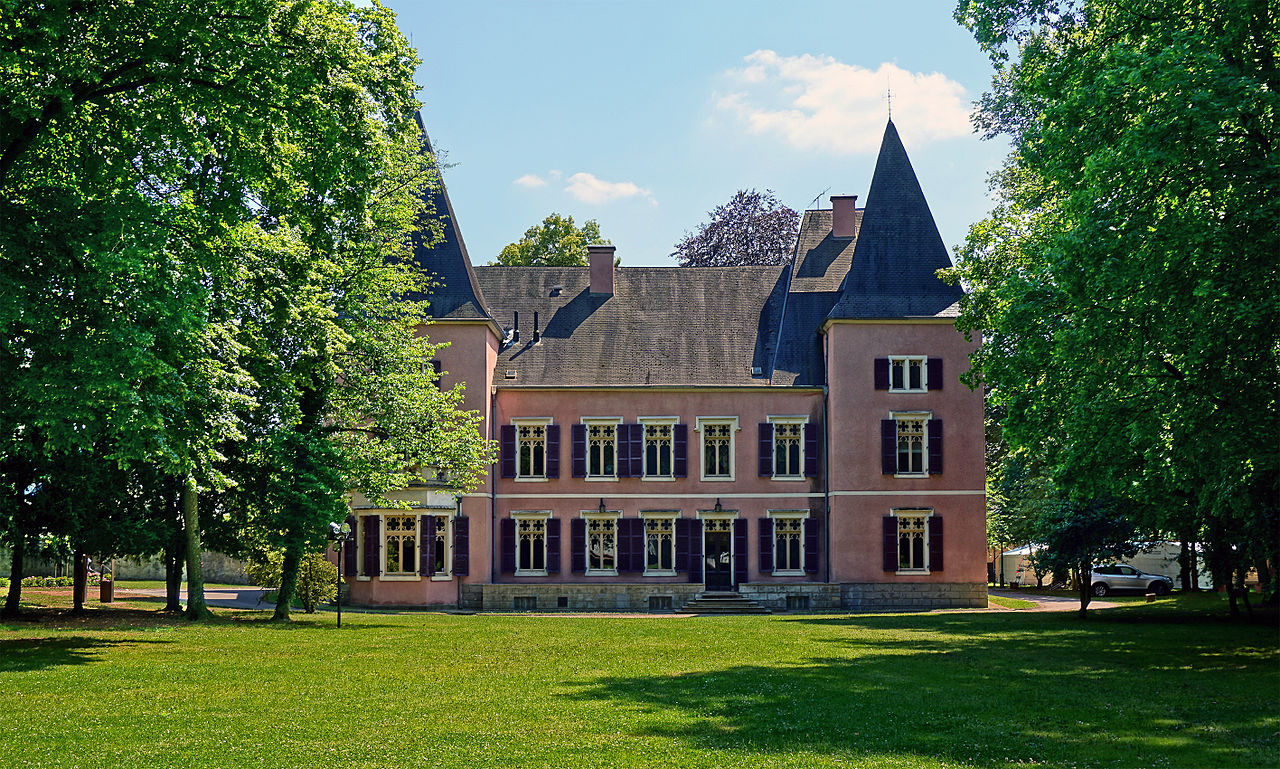
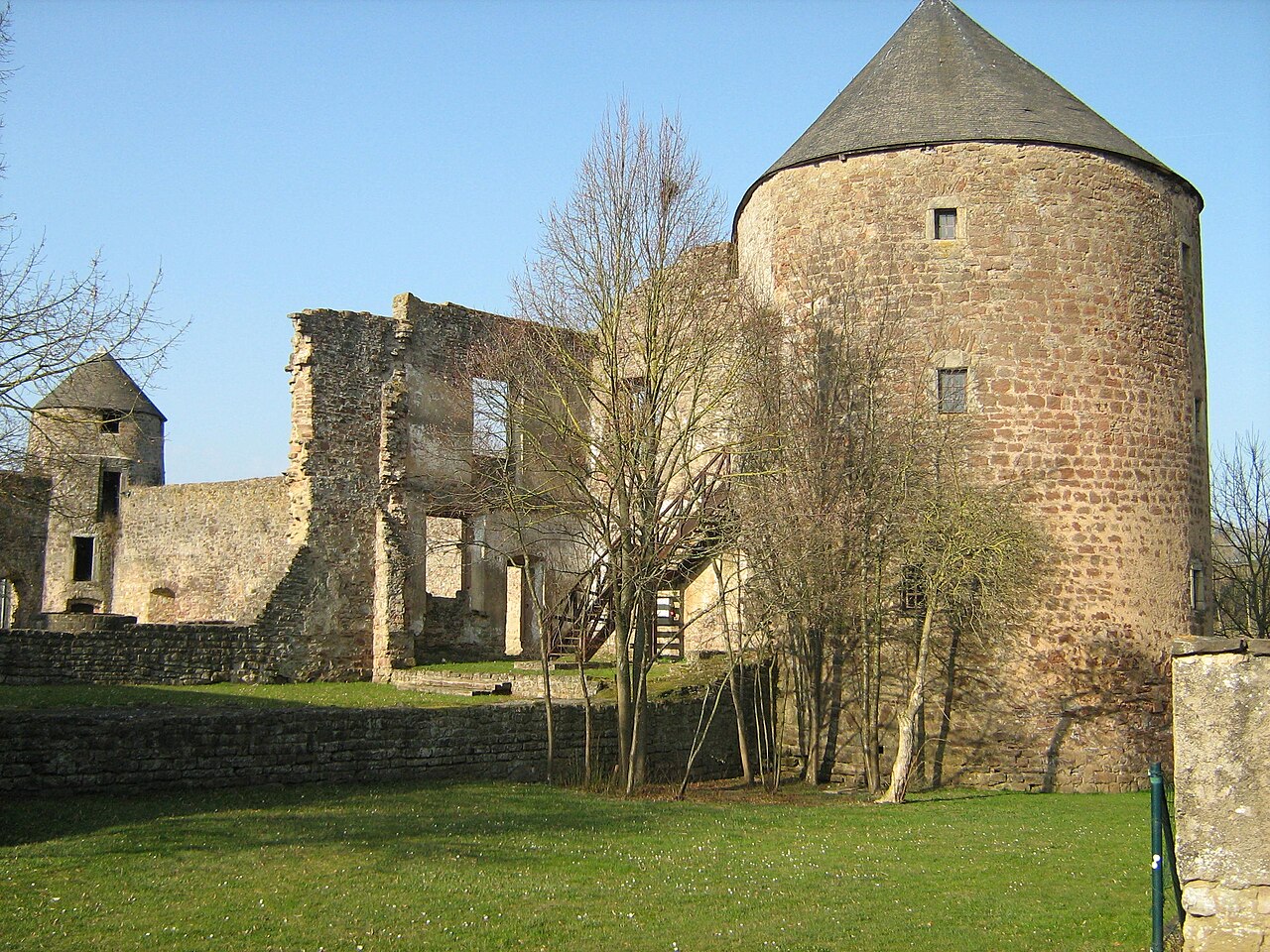
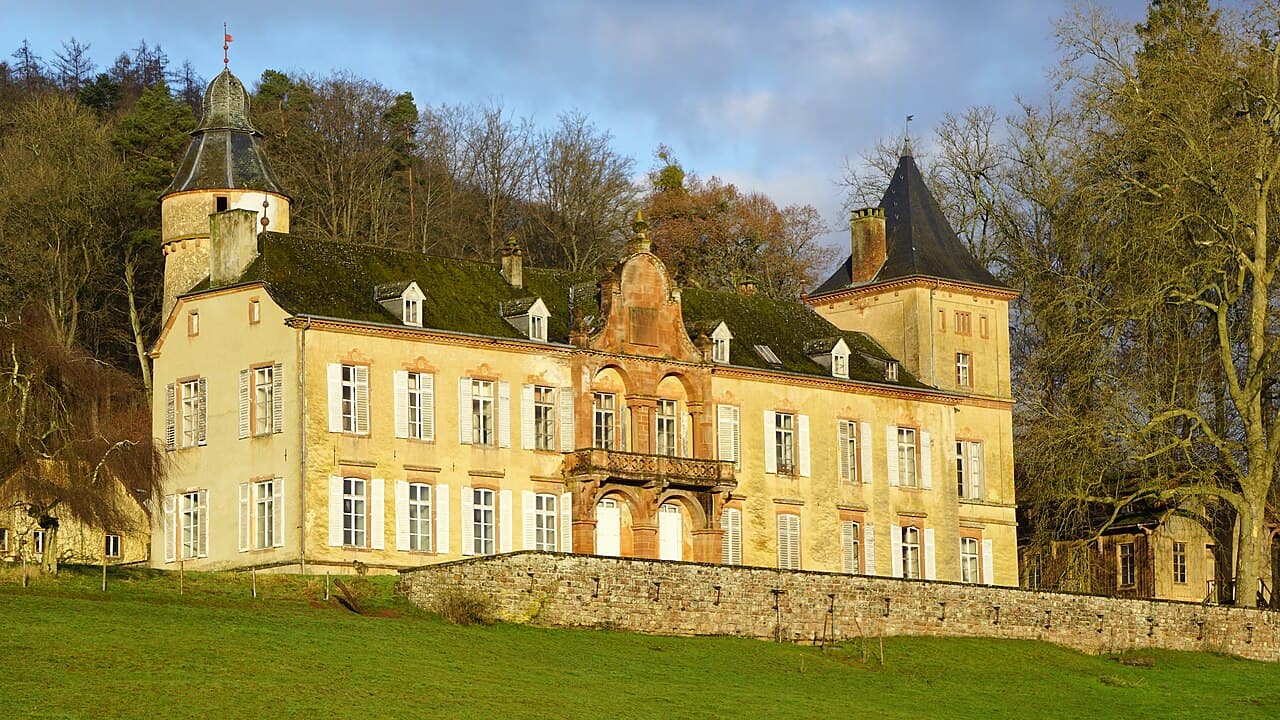
Birtrange Castle (Luxembourgish: Schlass Biertreng; French: Château de Birtrange) stands as a notable example of a 13th-century hill castle located near Schieren, Luxembourg. Its origins trace back to the High Medieval period, with construction attributed to Gaspard-Florent de Breiderbach. The castle was built in a distinctive English Gothic architectural style, a somewhat rare style for Luxembourg, characterized by pointed arches, ribbed vaults, and flying buttresses that would have enhanced both its defensive capabilities and aesthetic appeal.

Historical background and ownership

Birtrange Castle's early history is marked by its establishment in the 13th century, a time when fortifications were essential for local nobility to assert control and defend territories. The castle remained under the ownership of noble families for several centuries. In 1813, it was acquired by the De Blochhausen family, who maintained possession until 1935. Subsequently, the castle passed into the hands of the De Broqueville family.

During World War II, the castle was repurposed by American troops as a military station. This period left a tangible mark on the castle's walls, where inscriptions and graffiti made by the soldiers remain visible to this day, offering a unique historical layer that connects the medieval structure to 20th-century events.

Architectural features and style

The castle's English Gothic style is reflected in its structural elements, which would have included tall towers, pointed arch windows, and possibly a moat or defensive walls typical of hill castles. Though the castle has suffered from neglect, original features such as its stone masonry and fortified battlements are still discernible. The choice of Gothic style in Luxembourg during the 13th century highlights the cultural exchanges occurring in medieval Europe, as styles traveled across regions.

Modern history and recent events

After the death of Baroness Claudine de Broqueville, the castle was donated to the Red Cross. The Baroness had expressed a wish for a music festival to be held on the grounds following her passing. In August 2019, the Red Cross organized a three-day festival that drew approximately 2500 attendees. This event was met with some controversy due to concerns about potential environmental damage to the historic site. Luxembourg's Minister of the Environment, Carole Dieschbourg, and Minister of Culture, Sam Tanson, assured that strict measures were taken to protect the castle, including monitoring by guards, placement of waste bins, prohibition of chemical products, and limits on music volume to prevent damage.

By 2022, the Red Cross decided to auction Birtrange Castle due to its deteriorating condition and the high costs associated with its maintenance. The auction set a minimum bid of 5.2 million euros. The castle was purchased by Luxembourgish entrepreneur Jos Bourg, who initiated renovation efforts. These restoration works have been supported by the Department of National Sites and Monuments in Luxembourg, aiming to preserve the castle's historical integrity while adapting it for future use.

Preservation challenges and cultural significance

Birtrange Castle's abandonment in 2002 led to significant deterioration, a common fate for many historic castles without continuous upkeep. The challenge for its new owner lies in balancing restoration with conservation, ensuring that the castle's historical features are preserved. The involvement of national heritage authorities underscores the castle's cultural importance to Luxembourg's architectural and historical landscape.

The castle's role in local heritage

As a hill castle with roots in the High Medieval period, Birtrange Castle represents the feudal history of the region and the architectural trends of its era. Its survival through centuries and adaptation during World War II add layers to its story, making it a valuable site for understanding Luxembourg's past. The castle also serves as a venue for cultural events, linking historical preservation with contemporary community engagement.

Frequently asked questions (FAQ)

How do I get to Birtrange Castle?
Birtrange Castle is located in the picturesque region of Luxembourg, easily accessible by car or public transportation. The nearest train station is just a short bus ride away, and ample parking is available for those driving. Make sure to check local transit schedules for the best routes.
What is the historical significance of Birtrange Castle?
Birtrange Castle dates back to the 11th century and is significant for its role in the feudal history of Luxembourg. It has witnessed numerous historical events and changes in ownership, reflecting the region's turbulent past. Today, it serves as a symbol of the rich heritage and architectural evolution of the area.
When was Birtrange Castle built?
Construction of Birtrange Castle began in the late 11th century, with various renovations and expansions occurring over the centuries. The castle showcases a blend of architectural styles due to its long history, making it a fascinating site for visitors interested in medieval architecture. Its enduring structure has stood the test of time, providing a glimpse into the past.
Can I take a guided tour of Birtrange Castle?
Yes, guided tours of Birtrange Castle are available, offering an in-depth look at its history and architecture. These tours are typically led by knowledgeable guides who can share fascinating stories and insights about the castle. It's advisable to book your tour in advance, especially during peak tourist seasons.
Why is Birtrange Castle a popular tourist destination?
Birtrange Castle is popular due to its stunning architecture, rich history, and beautiful surroundings. Visitors are drawn to its scenic location and the chance to explore its well-preserved interiors and grounds. The castle also hosts events and exhibitions, adding to its appeal as a cultural landmark.
Is it possible to host events at Birtrange Castle?
Yes, Birtrange Castle can be rented for private events, including weddings and corporate gatherings. Its enchanting ambiance and historical significance provide a unique backdrop for any occasion. Interested parties should contact the castle's administration for availability and further details.
What are the opening hours for Birtrange Castle?
Birtrange Castle is open to visitors from March to October, typically Wednesday through Sunday. Opening hours may vary, so it's best to check the official website or contact the castle directly for the most current information. Plan your visit accordingly to make the most of your experience.
What are the ticket prices for visiting Birtrange Castle?
Ticket prices for Birtrange Castle are generally affordable, with discounts available for students and seniors. Children under a certain age may enter for free, making it a great family outing. Check the castle's official website for the latest pricing and any special offers.
What is the best time to visit Birtrange Castle?
The best time to visit Birtrange Castle is during the spring and early fall when the weather is mild and the gardens are in full bloom. These seasons also tend to attract fewer crowds, allowing for a more enjoyable experience. Additionally, special events and exhibitions often take place during these times, enhancing your visit.
Are there any nearby attractions to visit while at Birtrange Castle?
Yes, there are several attractions near Birtrange Castle, including beautiful hiking trails and other historical sites. The surrounding countryside offers scenic views and opportunities for outdoor activities. Make sure to explore the local area to fully appreciate the charm of Luxembourg.

Photo gallery

Birtrange Castle
Click to view

Photo by GilPe•CC BY-SA 4.0

1 photo • Click any image to view in full screen

Information

Hill Castle

Loading map...

Visitor reviews

No reviews yet. Been here? Write the first review and help other travelers!

Write the first review

Visited this castle? Share your experience

Your review helps other travelers and adds first-hand knowledge to our encyclopedia.

Write a review

(5/5)

0/2000 characters

Your review will be visible after admin approval

Nearby castles

1.3 km

Berg Castle

Colmar-Berg, Luxembourg

Berg Castle, also known locally as Château de Berg or Schloss Berg, is a prominent historic castle situated west of the village of Colmar-Berg, south of Ettelbruck in Luxembourg. Nestled in a valley near the confluence of the Alzette and Attert rivers, the castle sits at an elevation of approximately 230 meters, surrounded by mixed forests and varied terrain. It has served as the official residence of the Grand Ducal family of Luxembourg since the early 20th century, embodying centuries of Luxembourg's royal history and architectural evolution. The origins of Berg Castle trace back to the early 15th century, likely constructed following the division of lands from an older, now vanished castle nearby. This medieval fortress formed the foundation of the estate, which evolved through various phases of ownership and architectural transformation. The castle's significance grew notably in the 19th century when it became linked to Luxembourg's ruling dynasty amid the geopolitical shifts following the Belgian Revolution and the separation from the Netherlands. The grand ducal connection and historical significance In 1845, William II, Grand Duke of Luxembourg and member of the Dutch Royal family, acquired the castle from the Pasquier estate. This purchase came after Luxembourg was divided politically and territorially due to the Belgian Revolution. The 1848 constitution formally recognized Berg Castle as the exclusive residence of the Grand Duke, cementing its role in the nation's governance and royal tradition. Following the end of the personal union between Luxembourg and the Netherlands in 1890, Grand Duke Adolphe purchased Berg Castle in 1891 to maintain the family's estate in Colmar-Berg. This act preserved the castle's status as the primary residence of Luxembourg's sovereigns. Architectural transformation in the early 20th century Between 1907 and 1911, the original medieval and later structures were demolished to make way for a new castle. This new building was designed by Max Ostenrieder, a Munich architect, in collaboration with Luxembourg architect Pierre Funck-Eydt. The architectural style of the new castle reflects early 20th-century design sensibilities, combining functionality with grandeur suitable for a royal residence. The new Berg Castle features a prominent main tower rising approximately 65 meters, which dominates the landscape and serves as a visual landmark. The castle's layout includes extensive supporting buildings such as stables, storage sheds, a heated orangery for plant cultivation, and garages for vehicles. Service facilities include laundry rooms with drying spaces and an independent diesel-powered electric plant. Housing for staff is provided in fourteen separate residences scattered throughout the estate. Architectural style and design details While the castle was rebuilt in the early 20th century, it retains some influences from its late medieval origins, though the predominant style is aligned with the period's eclectic historicism. The design emphasizes both the castle's function as a home and as a symbol of state authority, balancing residential comfort with ceremonial grandeur. Impact of World War II and restoration During World War II, Berg Castle was occupied by Nazi forces from 1941 to 1944. The occupiers repurposed it as a National Political Education Institution (Napola) for girls, necessitating significant structural modifications. The castle's interiors suffered extensive damage, with many original furnishings and artworks removed or destroyed. After the war, restoration efforts began but took many years to complete due to the extent of the damage. The castle was not reoccupied by the Grand Ducal family until 1964, when Grand Duke Jean ascended the throne. Prior to this, Grand Duchess Charlotte preferred to reside at Fischbach Castle. The castle estate and its cultural significance The Berg Castle estate covers over 10 hectares, comprising the main castle, supporting buildings, and extensive grounds. The property is protected by walls and safety fences, with security measures in place to maintain the privacy of the Grand Ducal family, who continue to use it as their official residence. Within the castle is the Luxembourg Court Library, housing around 30,000 volumes. This library enriches the estate's cultural and scholarly environment, supporting the Grand Duke's official duties and ceremonial functions. In recent years, plans have been announced by Hereditary Grand Duke Guillaume to build a family cottage within the grounds. Construction is expected to begin in 2025 and be completed by 2027, ensuring the estate continues to evolve to meet the needs of Luxembourg's royal family. Birthplace of Luxembourg monarchs Berg Castle holds a special place in Luxembourg's royal history as the birthplace of three of the country's last four monarchs: Grand Duchesses Marie-Adélaïde and Charlotte, and Grand Duke Jean. This fact underscores the castle's enduring role as a center of Luxembourg's monarchy and heritage. Access and public visitation As a private royal residence, Berg Castle is not open to the public. The estate is secured and guarded, with no visitor access allowed. Its historical and architectural importance is recognized nationally, but its role as a living home for the Grand Ducal family takes precedence over tourism. Though visitors cannot enter the castle, the surrounding area of Colmar-Berg offers scenic views of the estate and the Luxembourg countryside, providing a glimpse into the setting of this important royal residence.

Late Medieval (14th–15th c.)
Details
4.1 km
Erpeldange Castle — Luxembourg castle

Erpeldange Castle

Erpeldange, Luxembourg

Erpeldange Castle stands in the town of Erpeldange in north-eastern Luxembourg, within the region of Redange. This hill castle has a rich history that stretches back to the 12th century, evolving significantly through the medieval and Renaissance periods. Today, it functions as the administrative center for the Commune of Erpeldange, while its grounds remain accessible to the public. The origins and medieval fortifications The site originally featured a wooden fort and tower during the 12th century, serving as an early defensive position overlooking the strategic confluence of the River Sûre and the Alzette River. In the 13th century, the first stone fortified castle was constructed by Frederic and Gerard d'Erpeldange, the initial lords of the area. This castle guarded the valley and controlled an important route, reflecting the typical medieval focus on defense and territorial control. Ownership and architectural transformation in the Renaissance Ownership of Erpeldange Castle passed through several noble families, including the Counts of Vianden, the Brandenburg-Outscheid family, and the von Moestroff-Kerpen lineage. The castle's most significant architectural transformation occurred in 1630 when the Gondersdorf family inherited the property through marriage. They converted the medieval fortress into a luxurious Renaissance residence for their daughter, reflecting the period's shift from purely military structures to more comfortable noble homes. Renaissance architectural features The 17th-century remodeling introduced elegant elements typical of the Renaissance style, including spacious living quarters and two notable Renaissance fireplaces that remain preserved within the castle. The castle's defensive role diminished as the structure was surrounded by landscaped gardens and parks instead of fortifications, marking its transition from a military stronghold to a noble estate. Later history and changing functions By the late 17th century, ownership transferred to Charles François baron de Failly de Sancy and Marie Marguerite de Giraldin. The castle was no longer maintained for defense and instead became a peaceful residence. In the 19th century, the Prel family abandoned the castle, which was subsequently repurposed as a rectory. Damage and restoration in the 20th century During the Second World War, Erpeldange Castle suffered damage due to its occupation first by German forces and later by American troops. After the war, the castle changed hands multiple times until it was acquired by the State of Luxembourg in 1983. Since 1987, the castle has housed the commune's administrative offices, ensuring its preservation and continued use. Architectural layout and features Erpeldange Castle's layout reflects its layered history. The original medieval stone walls and towers provided defense, while Renaissance modifications introduced more refined residential spaces. The castle includes a courtyard surrounded by robust walls and towers, typical of fortified hill castles. The presence of two fine Renaissance fireplaces inside highlights the blend of defensive and domestic architecture. Setting and landscape Positioned on a hill overlooking the valley, the castle commands views of the meeting point of the River Sûre and the Alzette. The surrounding grounds have been landscaped into a quiet park, replacing former military defenses and offering a serene environment for visitors and local administration alike. Visiting Erpeldange Castle today Currently, the castle serves as the seat of the commune's administrative offices, but its grounds are open to the public. Visitors can appreciate the castle's exterior architecture, the historic park, and the scenic views of the river valley. The castle's blend of medieval fortifications and Renaissance residential features make it a significant cultural heritage site in Luxembourg. Accessibility and public engagement While the interior is primarily used for administrative purposes and not generally open to tourists, the castle grounds offer a peaceful setting for walks and local events. Its historical significance and architectural evolution provide valuable insights into Luxembourg's noble residences and defensive structures from the Middle Ages through the Renaissance.

Renaissance (15th–17th c.)
Details
6.4 km
Pettingen Castle — Luxembourg castle

Pettingen Castle

Rue du Château, Luxembourg

Pettingen Castle, also known locally as Château de Pettingen, is a remarkable example of a hill castle with origins dating back to the 10th century. Situated in the village of Pettingen, north of Mersch in Luxembourg, this castle has witnessed centuries of noble lineage, military conflict, and architectural evolution. It stands today as one of Luxembourg's best-preserved fortified castles, offering insight into medieval fortification techniques and the region's turbulent history. The origins and early history of Pettingen Castle The earliest known fortification on this site was referred to as Pittigero Mazini in the Early Medieval period, around the 10th century. The origin of this name remains uncertain, but by the 13th century, the name had evolved to Pettingen or Pittingen. During this time, the castle was a significant stronghold for the Lords of Pettingen, who were influential members of the Luxembourg nobility. Their prominence is evidenced by their participation in important events such as the wedding of Countess Ermesinde, the coronation of Henri IV, and the marriage contract signing of John the Blind. Noble alliances and family ties In the early 14th century, a strategic marriage between Arnold II, Lord of Pettingen, and Margarete von Roussy, a descendant of Ermesinde, strengthened the family's social and political standing. Their son, Arnold the Younger, fathered a daughter named Irmengard, who married Johann von Criechingen (also known by the French name Créhange) in the latter half of the 14th century. This union merged the dominions of Pettingen and Larochette Castle, expanding the family's influence in the region. Medieval conflicts and destruction The castle's history is marked by military strife, particularly during the late 15th century. Johann von Criechingen, a descendant of the family, allied with René II, Duke of Lorraine, in his conflict against Charles the Bold, Duke of Burgundy. This alliance led to a siege and subsequent destruction of Pettingen Castle by Burgundian forces. In 1494, the Criechingen family's possessions, including the castle, were confiscated by the Luxembourg governor. However, in 1503, a decree from the Great Council of Mechelen restored half of these possessions to the family, allowing for the castle's reconstruction. Reconstruction and architectural features The rebuilt castle, constructed on the original foundations, dates from the early 16th century. It was designed as a square stronghold approximately 30 by 30 meters, surrounded by a wide moat fed by the nearby Alzette River and Weillerbach stream. The fortification included four round corner towers added in 1571, enhancing its defensive capabilities, and a central square keep (donjon) that served as the main refuge and command center. Later history and decline In 1684, the castle suffered severe damage from cannon fire during an assault by the troops of King Louis XIV of France. This attack led to the partial destruction of the structure and the filling in of the moat, which had been a critical defensive feature. Despite repairs, the castle never fully regained its former strength and gradually fell into disuse. Ownership changes and preservation efforts Pettingen Castle passed through several noble families over the centuries, including the Counts of Créhange, the Counts of Lapérouse, and the Dukes of Arenberg. By the 19th and early 20th centuries, the castle had largely fallen into ruin. Notably, in 1920, the southern wall collapsed, further diminishing the structure. The Luxembourg state acquired the ruins in 1947 and undertook consolidation work in the 1950s to stabilize the remaining walls and towers. Architectural remains and current status Today, the ruins of Pettingen Castle offer a compelling glimpse into medieval fortification design. The surviving curtain walls along the southwest side remain well-preserved, and two of the original four round corner towers still stand on the northeast side. The foundations of the central keep lie beneath a wooden platform, marking its historical location. The castle's original moat, which was once 15 meters wide and supplied by the Weillerbach stream, is still visible in the landscape, although partially filled in. The site is freely accessible to the public and occasionally hosts cultural events, providing both educational and recreational value. Significance and visitor experience Pettingen Castle is not only an architectural landmark but also a symbol of Luxembourg's medieval heritage. Its strategic location on a hill overlooking the surrounding landscape exemplifies the defensive priorities of the time. Visitors can appreciate the castle's robust stone masonry, the layout of its fortifications, and the historical narrative embedded in its walls. The castle is easily visible from the nearby train line connecting northern Luxembourg to the capital city, Luxembourg City, making it a convenient and worthwhile stop for travelers interested in history and architecture.

Early Medieval (5th–10th c.)
Details