Erivan Fortress
Erivan Fortress, also known as Yerevan Fortress (Armenian: Երևանի բերդը; Persian: قلعه ایروان, Ghaleh-ye Iravân; Russian: Эриванская крепость), was a significant 16th-century bastioned fortress located in what is now the city of Yerevan, Armenia. Built during the Renaissance period, this fortress served as a crucial military stronghold and administrative center throughout various periods of regional conflict and control.
The fortress was constructed primarily to defend the city and the surrounding region from invasions and raids. Its design incorporated bastioned fortifications, a style that emerged in response to the increasing use of artillery in warfare. The thick walls, angled bastions, and defensive towers allowed defenders to cover all approaches with overlapping fields of fire, making it a formidable obstacle for any attacking force.
Historical context and strategic importance
Erivan Fortress was strategically positioned on the banks of the Hrazdan River, providing natural defensive advantages. The fortress controlled key trade and military routes in the South Caucasus, making it a coveted asset for various empires and rulers, including Persian, Ottoman, and Russian forces. Its location allowed it to serve as a buffer zone and military outpost in the volatile frontier between empires.
Throughout its history, the fortress witnessed numerous sieges and battles, reflecting the turbulent history of the region. It was repeatedly contested during the Ottoman-Persian wars and later during the Russian expansion into the Caucasus. The fortress's robust defenses and bastioned design helped it withstand several assaults, although it eventually lost military significance with the advent of modern warfare and changes in political control.
Architectural features and design
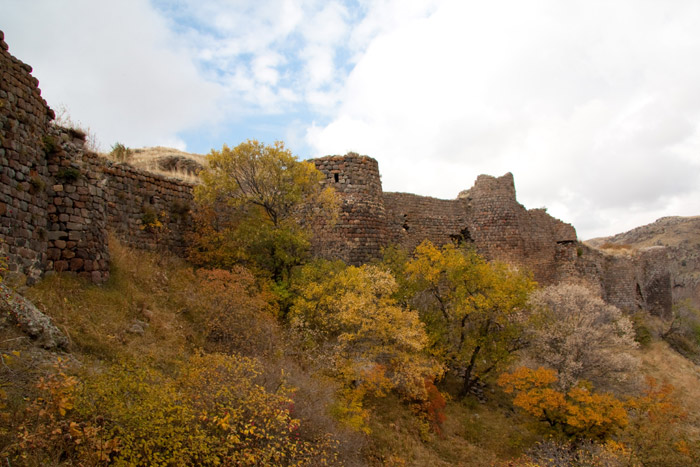
The bastioned fortress design of Erivan Fortress is characteristic of Renaissance military architecture, which emphasized angular bastions to eliminate blind spots and improve defensive coverage. The fortress walls were constructed from locally sourced stone and featured thick ramparts designed to absorb and deflect cannon fire.
Key architectural elements included:
- Bastions: Projecting angular structures at the corners of the fortress walls, allowing defenders to fire along the adjacent walls and cover the surrounding area.
- Curtain walls: Thick and high walls connecting the bastions, forming a continuous defensive perimeter.
- Gates and entrances: Heavily fortified gates controlled access to the fortress, often protected by additional defensive structures such as barbicans or gatehouses.
- Internal buildings: The fortress contained barracks, armories, and administrative buildings necessary for sustaining a garrison and managing the city's defense.
Adaptations and renovations
Over the centuries, Erivan Fortress underwent several renovations and adaptations to meet evolving military needs. These included strengthening the walls, updating bastions, and modifying internal structures to accommodate changes in artillery technology and garrison requirements.
Role in regional history
Erivan Fortress played a central role in the defense of Yerevan and the surrounding region during the 16th to 19th centuries. It was a focal point in the conflicts between the Ottoman Empire and Safavid Persia, as well as during the Russian Empire's campaigns in the Caucasus.
The fortress also served as an administrative center, housing governors and military commanders responsible for the region's security. Its presence influenced the development of Yerevan, shaping the city's growth around this military nucleus.
Decline and current status
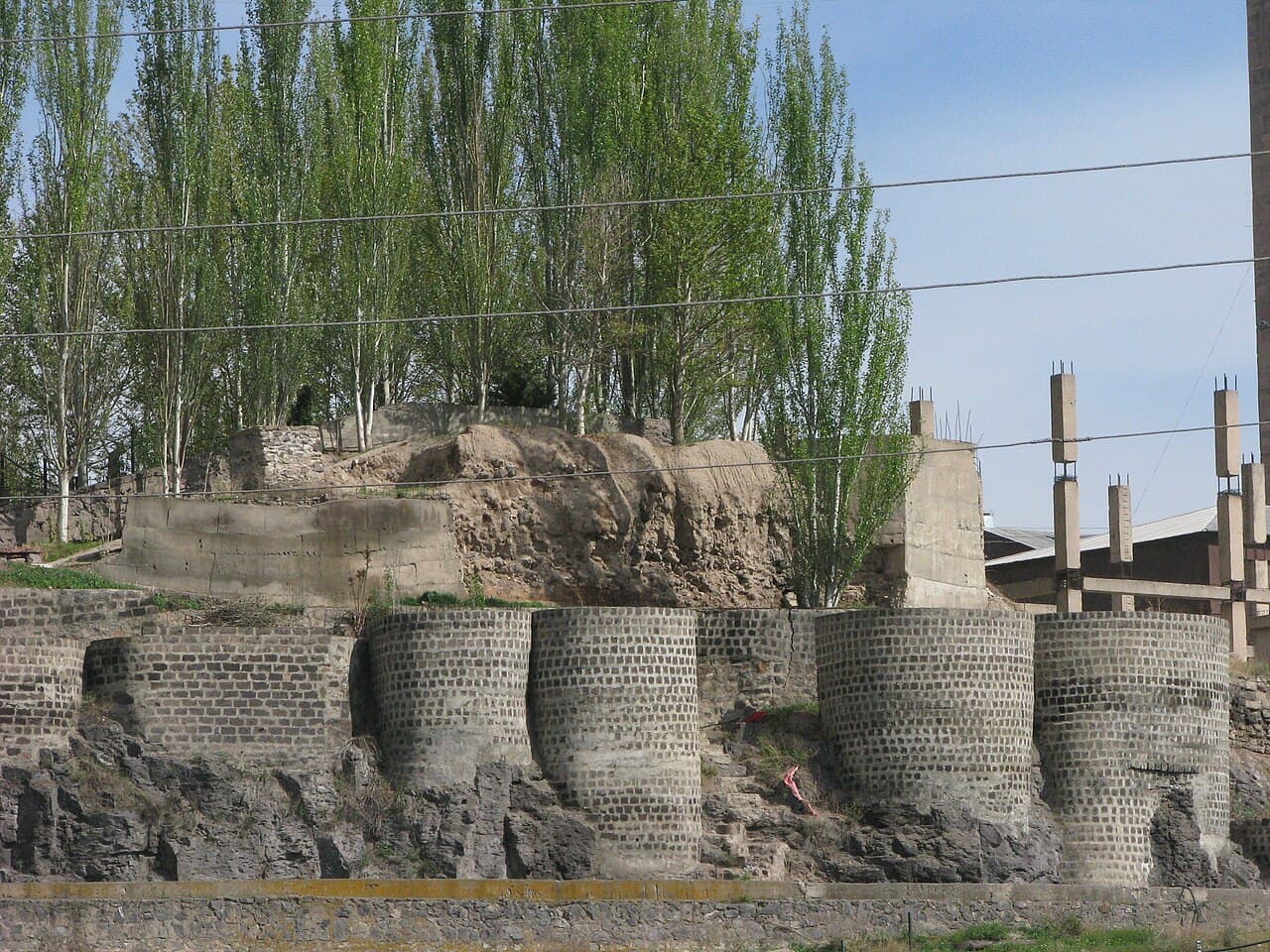
With the progression of military technology and changes in political control, the fortress gradually lost its defensive importance. By the late 19th and early 20th centuries, much of the fortress was dismantled or fell into ruin as Yerevan expanded and modernized.
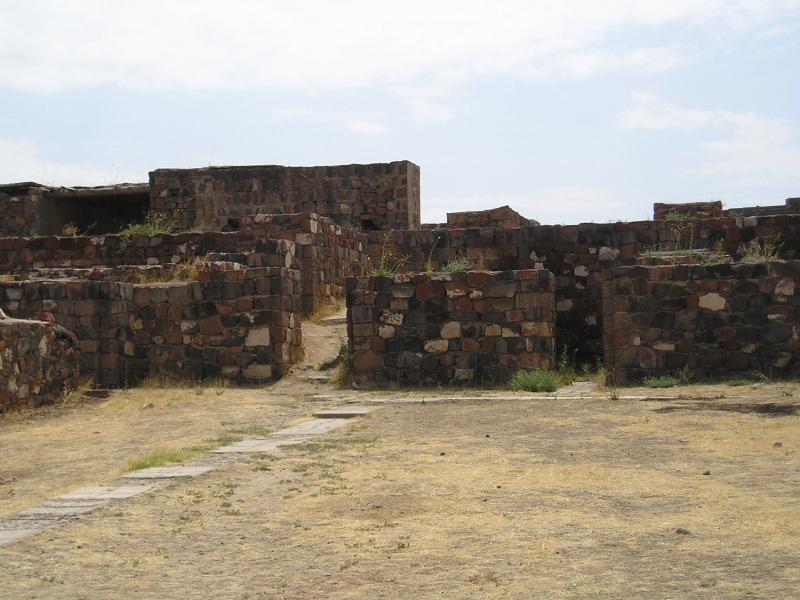
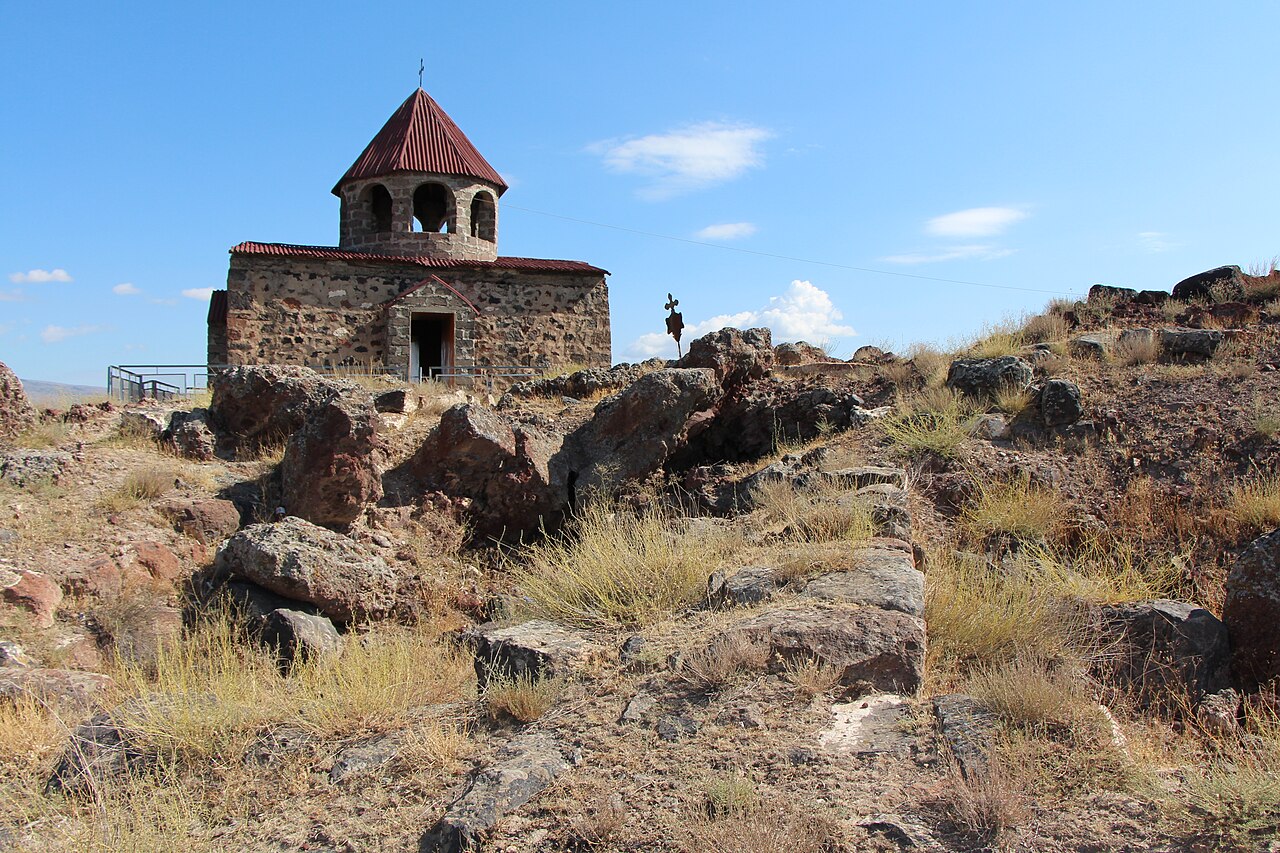
Today, only remnants of the Erivan Fortress remain, serving as an archaeological site and a reminder of the city's historical military significance. These ruins provide valuable insights into the fortress's construction techniques, architectural style, and the turbulent history of the region.
Visiting Erivan Fortress
Visitors to Yerevan can explore the site of the former Erivan Fortress to appreciate its historical context and architectural legacy. Interpretive displays and archaeological findings help illustrate the fortress's role in the city's defense and development.
The fortress's location near the Hrazdan River and central Yerevan makes it accessible for tourists interested in Armenian history and military architecture.
Frequently asked questions (FAQ)
- What is the historical significance of Erivan Fortress?
- Erivan Fortress, also known as Erebuni, was founded in 782 BC by King Argishti I as a strategic military outpost. It is one of the oldest fortresses in Armenia and played a crucial role in the establishment of Yerevan. The site offers a glimpse into the ancient Urartian civilization and its architectural prowess.
- When was Erivan Fortress built?
- Erivan Fortress was constructed in 782 BC, making it over 2,800 years old. This remarkable age adds to its historical importance, as it reflects the long-standing heritage of Armenia and its resilience through various historical periods.
- Can I visit Erivan Fortress year-round?
- Yes, Erivan Fortress is open to visitors throughout the year. However, the best time to visit is during the spring and early autumn months when the weather is mild and conducive for exploring the ancient walls and enjoying the panoramic views of Yerevan.
- What are the opening hours for Erivan Fortress?
- Erivan Fortress typically opens at 10 AM and closes at 6 PM. It's advisable to check for any seasonal changes in opening hours or special events that might affect access to the site.
- Is it possible to access Erivan Fortress with public transport?
- Yes, Erivan Fortress is accessible by public transport, including buses and taxis, from various points in Yerevan. Visitors can also enjoy a scenic walk from the city center, which takes around 20-30 minutes.
- What are the ticket prices for visiting Erivan Fortress?
- The entrance fee for Erivan Fortress is quite affordable, typically ranging from a few hundred Armenian drams. Discounts may be available for students and seniors, so be sure to ask at the entrance when purchasing your ticket.
- What nearby attractions can I visit after exploring Erivan Fortress?
- After visiting Erivan Fortress, you can explore the nearby History Museum of Armenia and the Cascade Complex, both of which are within a short distance. These attractions offer additional insights into Armenia's rich history and culture.
- How do I get the most out of my visit to Erivan Fortress?
- To make the most of your visit, consider taking a guided tour that can provide historical context and interesting stories about the fortress. Additionally, bringing a camera is recommended to capture the stunning views of Yerevan and the surrounding landscape from the fortress walls.
Photo gallery

Information
Loading map...
Visitor reviews
No reviews yet. Been here? Write the first review and help other travelers!
Write the first reviewVisited this castle? Share your experience
Your review helps other travelers and adds first-hand knowledge to our encyclopedia.