Ehrenburg Castle
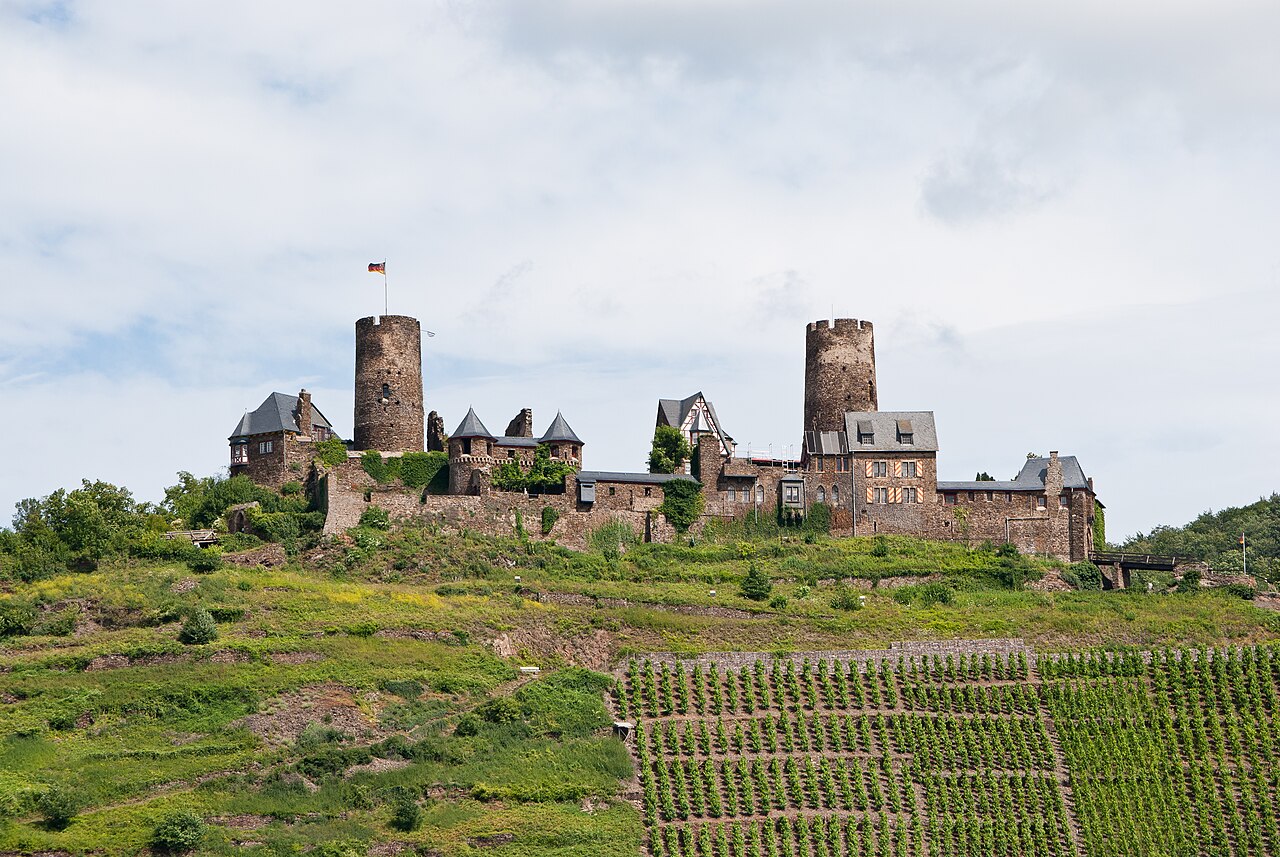
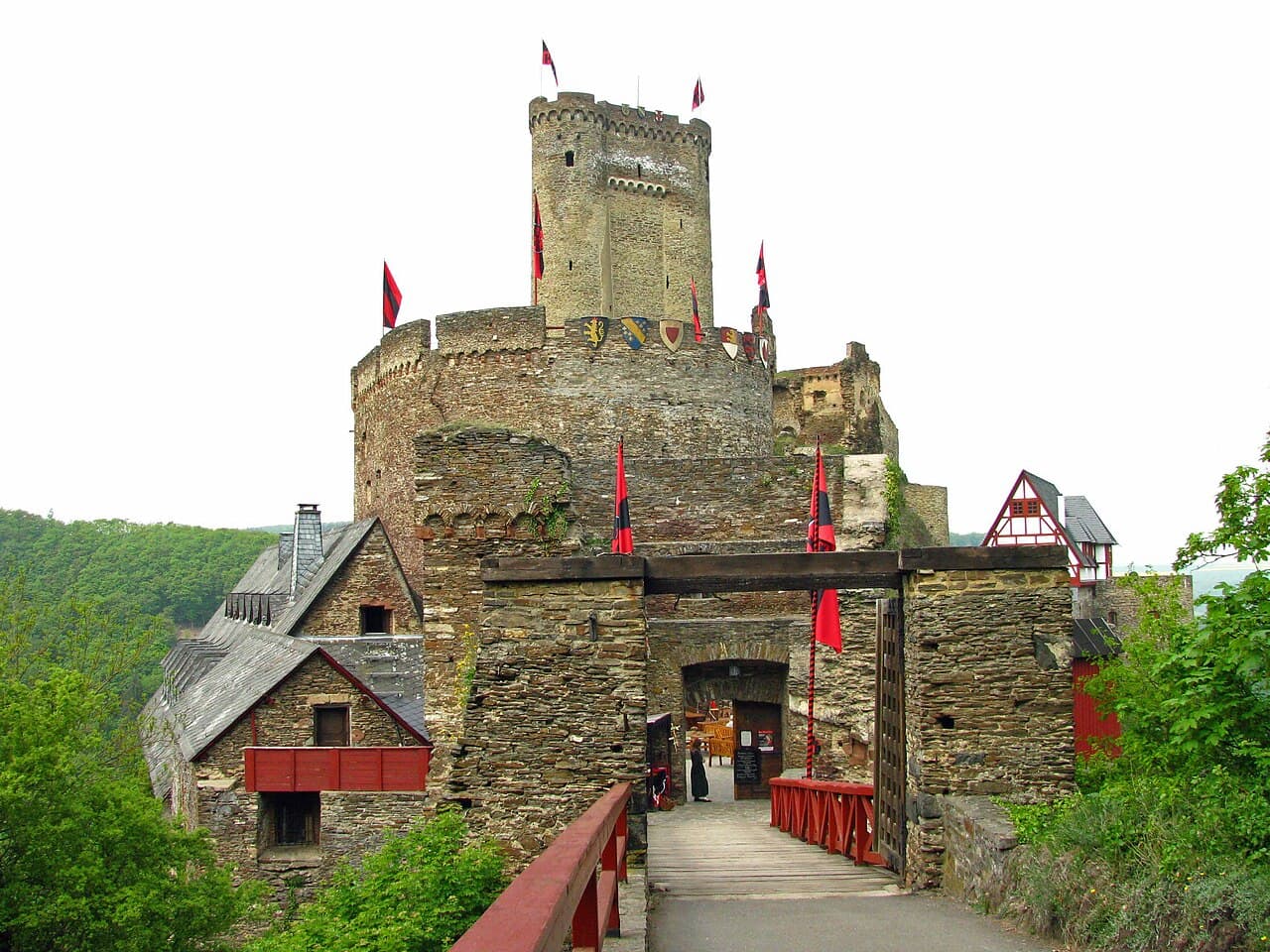
Ehrenburg Castle is a significant high medieval spur castle ruin located in the Ehrbach valley, a tributary of the Mosel River near Brodenbach, Germany. Built in the 12th century, this fortress once served as the fortified center of a small imperial barony that controlled lands between the Lower Moselle and Middle Rhine regions. The castle's strategic position on a rocky promontory, known as the Ehrenberg, at about 230 meters above sea level, provided commanding views over the valley and surrounding landscape, making it an important defensive and administrative site during the high medieval period.
Location and strategic importance
The castle's location on a spur above the Ehrbach valley was chosen for its natural defensive advantages. The steep slopes on three sides created a natural barrier against attackers, while the proximity to the Mosel River facilitated control over trade and movement in the region. This positioning was typical of hill castles built in the medieval period to assert territorial control and protect important routes.
Architectural features and construction history
Initial construction and layout
The earliest surviving part of Ehrenburg Castle is the remains of a sturdy residential tower or keep, rectangular in shape, which formed the core of the original fortress. This stone tower house likely dates back to the first half of the 12th century, during the reign of the Staufer dynasty, who were influential in the region at the time. The castle began as a relatively small stronghold but was expanded over time to include additional defensive walls, living quarters, and possibly a gatehouse and courtyard.
Defensive structures
As a spur castle, Ehrenburg utilized the natural topography for defense. The castle was protected by steep cliffs on most sides, supplemented by man-made fortifications such as curtain walls and battlements. Although much of the castle is now in ruins, archaeological studies indicate the presence of a well-planned defensive system typical of high medieval fortifications. The castle's design reflects the military architecture of its era, focusing on strong vertical elements and limited access points to deter invaders.
Historical significance and ownership
Ehrenburg Castle was the seat of a small imperial barony that held estates between the Mosel and Rhine rivers. The castle's owners were vassals of the Holy Roman Empire, and the fortress played a role in the complex feudal politics of the region. Throughout its history, Ehrenburg experienced various conflicts and changes in ownership, reflecting the turbulent nature of medieval German territories.
Cultural role and preservation
Today, Ehrenburg Castle is recognized as a cultural monument (Kulturdenkmal) and is protected for its historical and architectural value. The ruins serve as a venue for cultural events, including medieval festivals, concerts, and educational programs that highlight the castle's heritage and the history of the Mosel region. Preservation efforts focus on stabilizing the remaining structures and making the site accessible to visitors interested in medieval history and architecture.
Visiting Ehrenburg Castle
The castle ruins are accessible to the public and offer visitors a glimpse into medieval castle life and military architecture. The site provides scenic views of the Ehrbach valley and surrounding vineyards, making it a popular destination for tourists and history enthusiasts. Interpretive signage and guided tours help visitors understand the castle's historical context and architectural features.
Frequently asked questions (FAQ)
- How do I get to Ehrenburg Castle in Brodenbach?
- Ehrenburg Castle is located near the town of Brodenbach in Rhineland-Palatinate, Germany. It is accessible by car and local hiking trails from Brodenbach. Parking is available nearby, and the castle is a short walk from the parking area.
- What is the historical significance of Ehrenburg Castle?
- Ehrenburg Castle was a fortified center of a small imperial barony between the Mosel and Rhine rivers during the 12th century. It played a role in regional feudal politics and military defense in the high medieval period.
- Can I visit the castle ruins year-round?
- Yes, the Ehrenburg Castle ruins are open to visitors year-round. However, weather conditions may affect accessibility, especially in winter. It is advisable to check local information for any temporary closures.
- Is there an entry fee to visit Ehrenburg Castle?
- Visiting the Ehrenburg Castle ruins is generally free of charge. Some special events or guided tours may have a small fee, but casual visits to the ruins do not require tickets.
- What architectural features remain visible at Ehrenburg Castle?
- Visitors can see the remains of the original rectangular residential tower, parts of the curtain walls, and foundations of other defensive structures typical of a 12th-century hill castle.
Photo gallery

Information
Sources & official resources
Verify the information above using these authoritative references.
Loading map...
Visitor reviews
No reviews yet. Been here? Write the first review and help other travelers!
Write the first reviewVisited this castle? Share your experience
Your review helps other travelers and adds first-hand knowledge to our encyclopedia.