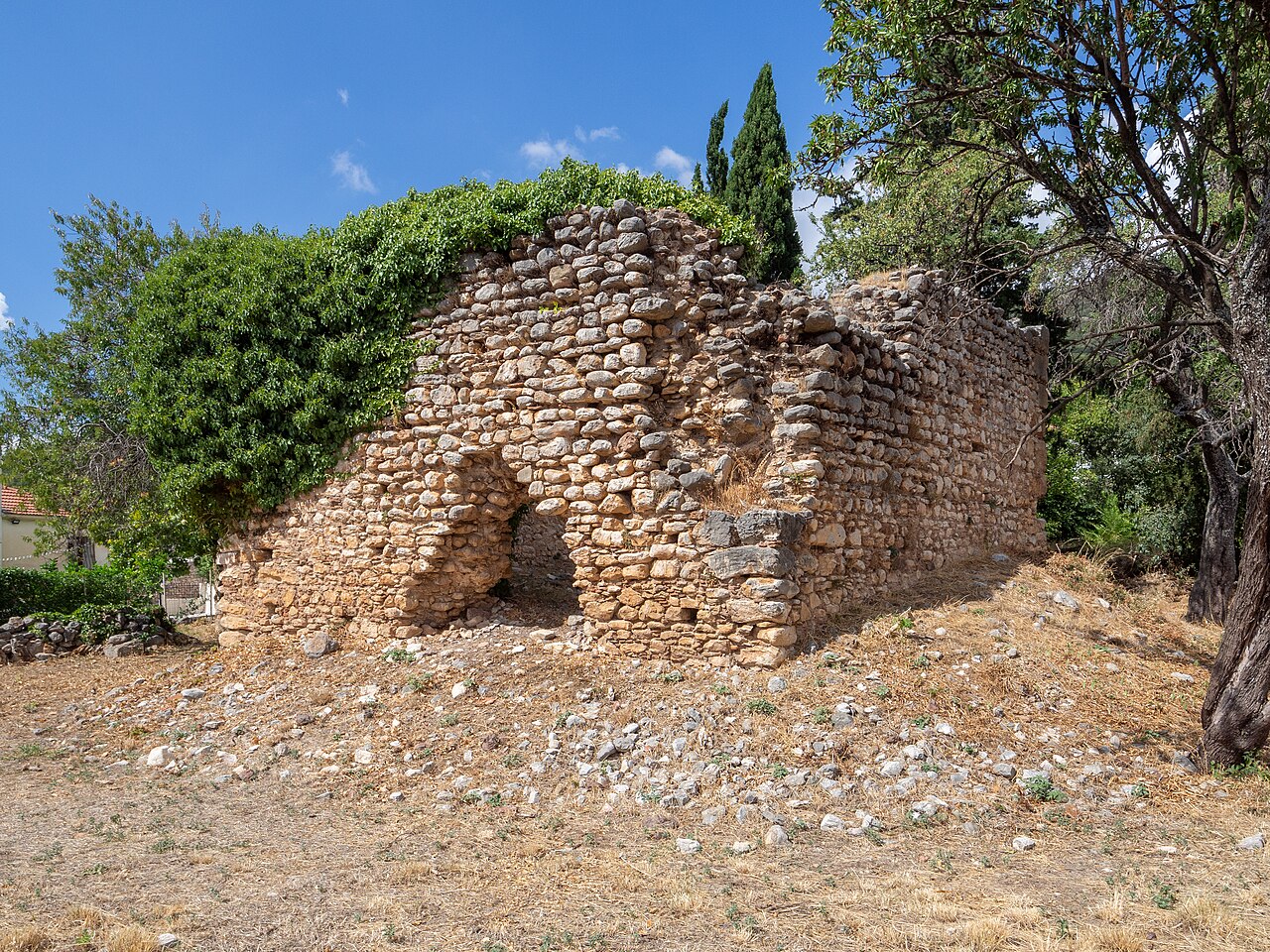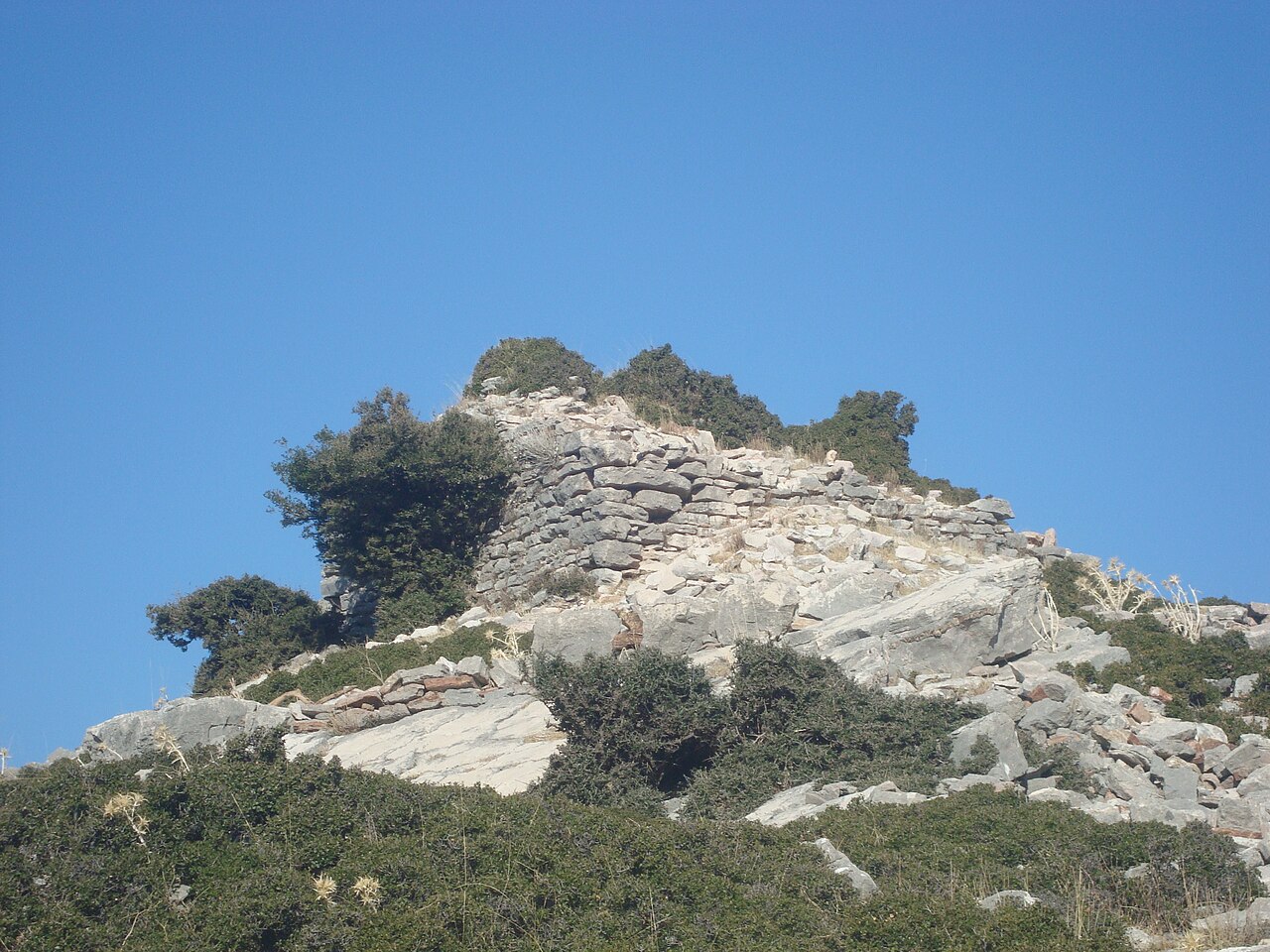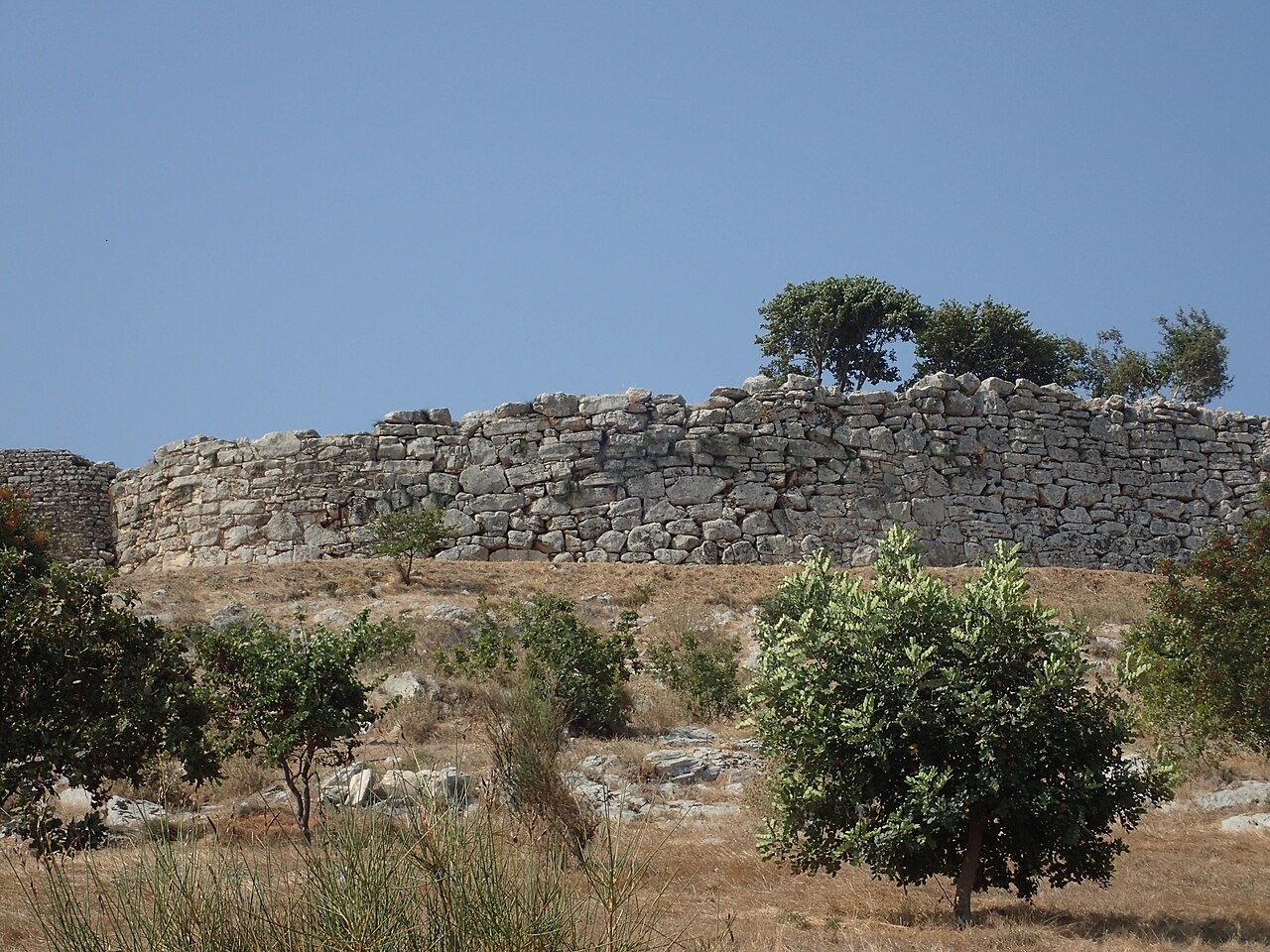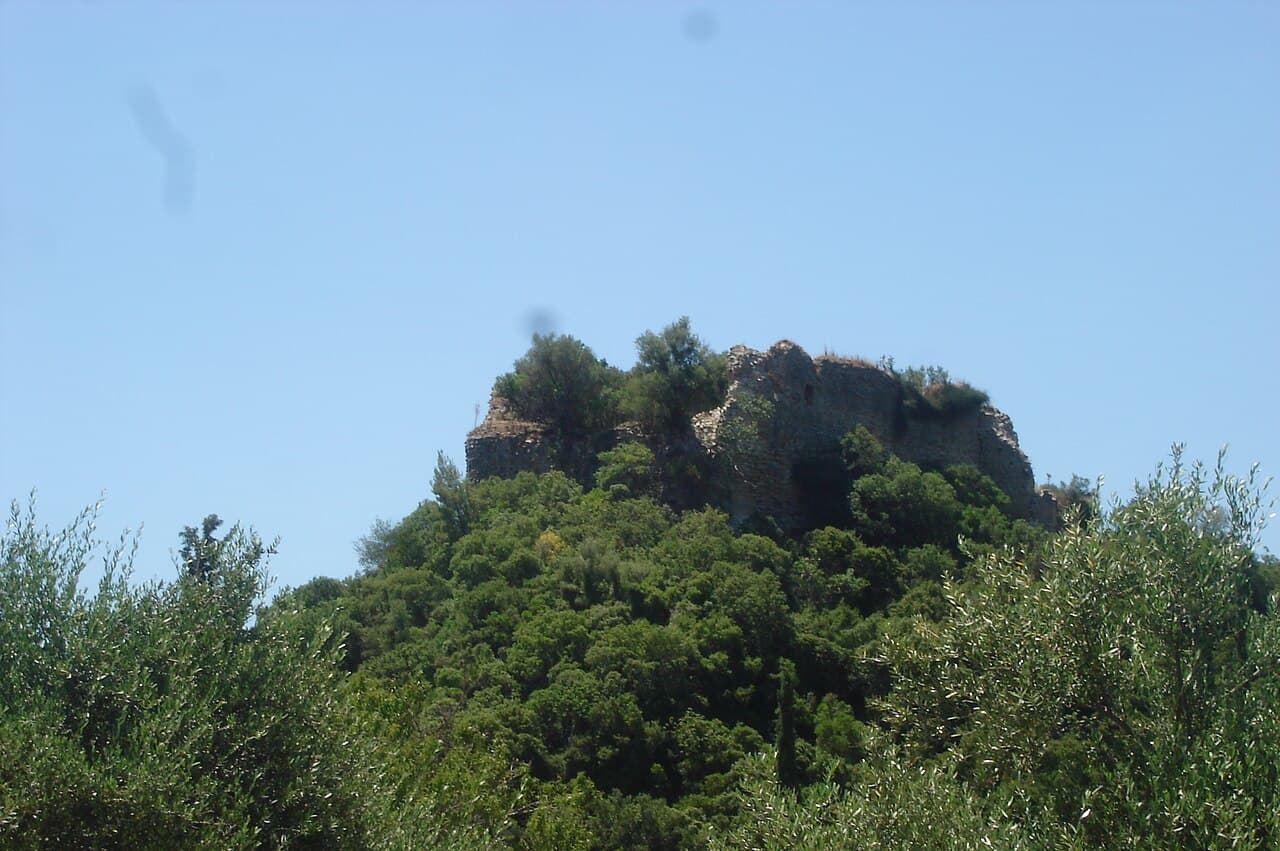
Egyptokastro is a notable hill castle located in Greece, dating back to the 14th century during the late medieval period. This fortress was constructed as part of the defensive network in the region, strategically positioned to oversee and protect the surrounding landscape. The castle's location on elevated terrain provided natural advantages for surveillance and defense against invaders.
Historical context and significance
The late medieval era in Greece was marked by frequent conflicts and territorial disputes, including those involving the Byzantine Empire, Latin states, and emerging Ottoman forces. Castles like Egyptokastro played a crucial role in controlling key routes and securing regional power. Although specific historical records about Egyptokastro are limited, its architectural features and location indicate its importance in military strategy during this turbulent period.
Architectural features and layout
Egyptokastro exemplifies typical characteristics of a hill castle, built to maximize natural defensive benefits. The castle likely includes thick stone walls adapted to the uneven terrain, with battlements and towers positioned to cover approaches from multiple directions. The design would have incorporated a keep or donjon as a last refuge and command center, along with courtyards and possibly living quarters for garrison troops.
The castle's construction materials primarily consist of local stone, providing durability and camouflage within the rocky environment. Access would have been controlled through a fortified gatehouse, potentially featuring a drawbridge or defensive portcullis to repel attackers.
Preservation and current condition
Today, Egyptokastro stands as partially preserved ruins, with remnants of walls and towers still visible. The castle's condition reflects centuries of exposure to natural elements and historical conflicts. Preservation efforts aim to maintain its structural integrity and promote its cultural heritage value. Visitors can explore the ruins, gaining insight into medieval fortification techniques and the region's history.
Visiting Egyptokastro
While detailed visitor information is limited, those interested in medieval architecture and Greek history may find Egyptokastro a compelling site. The castle's elevated position offers panoramic views of the surrounding landscape, enhancing the experience of exploring its remains. Visitors should prepare for uneven terrain and limited facilities.
Nearby attractions
The region around Egyptokastro includes other historical sites and natural landmarks, providing opportunities for extended cultural and outdoor activities. Exploring local villages and museums can enrich understanding of the area's medieval past.
Architectural and historical importance
Egyptokastro represents the strategic military architecture of the late medieval period in Greece. Its design reflects the adaptation to local geography and the defensive needs of the time. The castle contributes to the broader narrative of medieval fortifications that shaped the political and military landscape of the region.
Frequently asked questions (FAQ)
- What is the historical significance of Egyptokastro?
- Egyptokastro is a medieval fortress that played a crucial role in the defense of the region during various conflicts, particularly in the Byzantine and Ottoman eras. Its strategic location allowed it to control important trade routes and protect the surrounding areas from invasions. The castle's architecture reflects the military engineering of its time, showcasing the evolution of fortifications in Greece.
- When was Egyptokastro built?
- Construction of Egyptokastro began in the 13th century, and it was completed in the 14th century. The castle was built by the Venetians to strengthen their presence in the area and to defend against rival powers. Over the centuries, it has undergone various modifications and restorations, preserving its historical essence.
- Can I visit Egyptokastro?
- Yes, Egyptokastro is open to visitors throughout the year, allowing you to explore its rich history and stunning architecture. Guided tours are available, providing insights into the castle's past and significance. Be sure to check for any special events or guided tour schedules before your visit.
- What are the opening hours for Egyptokastro?
- Egyptokastro typically opens to visitors from 9 AM to 5 PM daily, though hours may vary seasonally. It is advisable to check the official website or local tourism information for the most current hours before your visit. Planning your visit during the week can help you avoid larger crowds.
- Is it possible to access Egyptokastro with mobility challenges?
- While Egyptokastro is a historic site, accessibility can be limited due to its ancient structure and terrain. Visitors with mobility challenges may find some areas difficult to navigate, but efforts are being made to improve accessibility. It’s best to contact the site in advance to discuss specific needs and available accommodations.
- What is the best time to visit Egyptokastro?
- The best time to visit Egyptokastro is during the spring (April to June) and fall (September to October) when the weather is mild and pleasant. These seasons also tend to have fewer tourists, allowing for a more enjoyable experience. Summer can be quite hot, which may make exploring the castle more challenging.
- Are there any nearby attractions to visit while at Egyptokastro?
- Yes, there are several nearby attractions, including ancient ruins, beautiful beaches, and charming villages. The nearby town of Chania offers a rich cultural experience with its Venetian harbor and historical sites. Additionally, the surrounding landscapes provide opportunities for hiking and enjoying the natural beauty of Greece.
- What are the ticket prices for Egyptokastro?
- Ticket prices for Egyptokastro are generally quite affordable, with discounts available for students and seniors. Children under a certain age may enter for free. It's recommended to check the current ticket prices on the official website or at the entrance before your visit, as they may be subject to change.
Photo gallery

Information
Loading map...
Visitor reviews
No reviews yet. Been here? Write the first review and help other travelers!
Write the first reviewVisited this castle? Share your experience
Your review helps other travelers and adds first-hand knowledge to our encyclopedia.