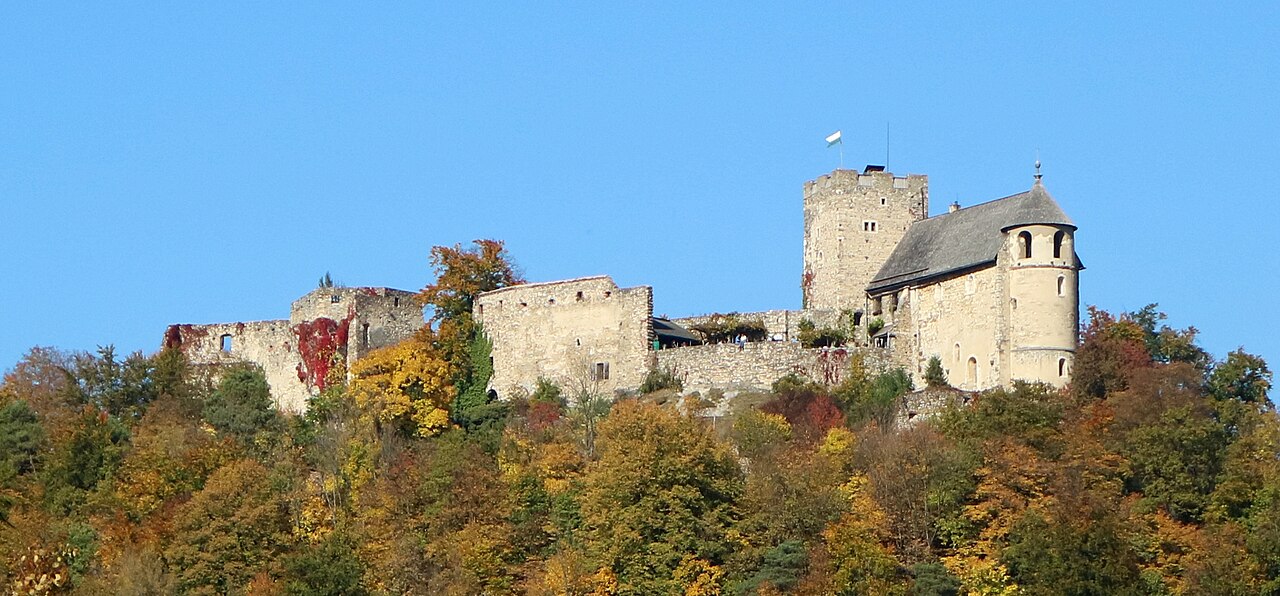
Eggenberg Castle

Eggenberg Castle in Styria, Austria
Styria, Austria

Eggenberg Castle, located in Styria, Austria, stands as a magnificent example of Baroque architecture and cultural heritage. This impressive palace is surrounded by a sprawling 90,000 square meter park, which includes the renowned Garden of the Planets, a unique and symbolic garden featuring representations of the solar system, reflecting the castle's deep connection to cosmology and Baroque symbolism.

Architectural significance and design

Constructed in the early 17th century, Eggenberg Castle was designed to embody the ideals of the Baroque period, emphasizing grandeur, symmetry, and allegorical meaning. The castle's layout and decoration incorporate extensive symbolism related to the calendar and astrology, with 24 state rooms representing the hours of the day, and numerous references to planetary influences throughout the interior and gardens. The castle's architecture features grand façades, elaborate stucco work, and richly decorated state rooms that display the artistic tastes of the period.

The garden and its symbolism

The Garden of the Planets is a highlight of the castle grounds, designed to mirror the structure of the solar system with carefully arranged plantings and sculptures. This garden is a rare example of a Baroque garden that integrates astronomical concepts into its design, enhancing the visitor's experience with both natural beauty and intellectual depth. The garden also features a remarkable rose garden, adding to the sensory appeal of the estate.

Art collections and museums

Within the castle walls, Eggenberg Castle hosts three museums, with the most prominent being the Alte Galerie. This gallery showcases an extensive art collection spanning from the Middle Ages through the Renaissance and culminating in the Baroque period. Among its treasures is the Madonna of Admont, a 13th-century wooden sculpture considered one of the finest examples of Austrian Gothic art. The collection also includes exquisite Rococo paintings by artists such as Plattner and mannerist works by Pieter Brueghel, illustrating the rich artistic heritage preserved within the castle.

Other museums and cultural offerings

Besides the Alte Galerie, the castle houses additional museums that explore various aspects of the region's history and culture, enhancing its role as a vibrant cultural center. The castle regularly hosts exhibitions, concerts, and educational programs, making it a living monument that connects visitors with Austria's artistic and historical legacy.

Historical context and ownership

Eggenberg Castle was originally built for the noble Eggenberg family, who played a significant role in Styrian and Austrian history. The castle's construction began in the early 1600s, reflecting the family's wealth and status during the Baroque era. Over the centuries, the castle has been preserved and maintained, now under the stewardship of the Styrian provincial government, ensuring its protection as a cultural landmark.

Preservation and current status

Today, Eggenberg Castle is well preserved and open to the public, offering visitors a chance to explore its richly decorated interiors, art collections, and expansive gardens. Its status as a UNESCO World Heritage site underscores its importance as a cultural and historical treasure. The castle's preservation efforts focus on maintaining both its architectural integrity and its role as a center for art and history.

Visitor information and experience

Visitors to Eggenberg Castle can enjoy guided tours that explain the castle's architectural features, historical significance, and the symbolism embedded in its design. The extensive gardens provide a tranquil setting for leisurely walks, while the museums offer deep insights into the region's artistic evolution. The castle is accessible year-round, with seasonal events that highlight its cultural offerings.

Frequently asked questions (FAQ)

How do I get to Eggenberg Castle?
Eggenberg Castle is easily accessible by public transport from Graz, with bus and tram services that connect the city center to the castle grounds. If you prefer to drive, there is parking available on-site, making it convenient for visitors traveling by car.
What is the historical significance of Eggenberg Castle?
Eggenberg Castle, built in the early 17th century, is recognized as a UNESCO World Heritage Site due to its remarkable architecture and historical importance. It served as a residence for the powerful Eggenberg family and reflects the wealth and influence of the time.
When was Eggenberg Castle constructed?
Construction of Eggenberg Castle began in 1625 and was completed in 1635. The castle was designed in the Baroque style, showcasing the artistic and architectural trends of its era.
Can I visit the gardens at Eggenberg Castle?
Yes, the beautiful gardens surrounding Eggenberg Castle are open to visitors and are a highlight of the estate. The gardens feature a variety of plants and landscapes, ideal for a leisurely stroll or a picnic.
Why is Eggenberg Castle known for its architecture?
Eggenberg Castle is renowned for its stunning Baroque architecture, characterized by its grand façade and elaborate interior design. The castle's layout and decorative elements reflect the artistic vision of its builders and are a prime example of early 17th-century design.
Is it possible to take guided tours of Eggenberg Castle?
Yes, guided tours of Eggenberg Castle are available, providing visitors with in-depth knowledge about its history and architecture. These tours are conducted in multiple languages and offer a unique insight into the castle's rich past.
What are the opening hours of Eggenberg Castle?
Eggenberg Castle is typically open to visitors from 10:00 AM to 5:00 PM, with extended hours during the peak tourist season. It's recommended to check the official website for any seasonal changes or special events that may affect visiting times.
What are the ticket prices for Eggenberg Castle?
Ticket prices for Eggenberg Castle vary, with discounts available for students, seniors, and families. A standard adult ticket typically costs around €10, while children under a certain age may enter for free or at a reduced rate.
What are some nearby attractions to Eggenberg Castle?
Nearby attractions include the Graz Botanical Gardens and the city center of Graz, both of which are easily accessible. Visitors can enjoy a rich cultural experience by exploring the historic sites, museums, and local restaurants in the area.

Loading map...

Visitor reviews

No reviews yet. Been here? Write the first review and help other travelers!

Write the first review

Visited this castle? Share your experience

Your review helps other travelers and adds first-hand knowledge to our encyclopedia.

Write a review

(5/5)

0/2000 characters

Your review will be visible after admin approval

Nearby castles

2.2 km

Burg Unterthal

Thal, Austria

Burg Unterthal stands as a notable example of a medieval hill castle located in the municipality of Thal, Austria. Constructed in the 13th century by the Lords of Thal, a junior branch of the influential Lords of Graben family, the castle's origins are deeply rooted in the feudal history of the region. Early historical mentions from 1259 cite Walter and Konrad I. von Graben, linking the site to the noble lineage that shaped much of the area's medieval politics and defense. The castle's strategic hilltop position provided a commanding view of the surrounding landscape, a typical feature of hill castles designed for defense and territorial control. Its initial purpose was primarily military, serving as a fortified residence and stronghold for the Lords of Thal. In 1292, Burg Unterthal was destroyed during a noble uprising against Duke Albert I, reflecting the turbulent power struggles of the late medieval period. The castle was rebuilt in the 14th century after it came under the ownership of the Windisch-Graetz family, who were prominent in the region. Architectural evolution and structural features The original tower house and fortifications The core of Burg Unterthal is centered around a large rectangular tower house, likely constructed in the early 14th century. This three-story tower was built with thick rubble masonry walls, reinforced by cornerstones, with wall thickness reaching up to 1.5 meters. These robust walls highlight the castle's defensive intent. The tower's cellar and ground floor feature stone barrel vaults, with the cellar vault remaining largely intact, showcasing medieval masonry techniques. The original entrance was positioned on the east side at the first-floor level, a common defensive design to limit access. Defensive walls and additional structures Encircling the tower on the northern side is a ring wall that adapts to the uneven terrain, equipped with keyhole-shaped embrasures dating from around 1500. These narrow vertical openings allowed defenders to use archery or early firearms while remaining protected. Traces of a defensive walkway along the wall suggest active patrols by guards. Within this enclosure, ruins of various auxiliary buildings indicate the complex's functional diversity, including storage, living quarters, and service areas. Further south of the main tower, remnants of an additional ring wall with round and semicircular towers provide evidence of later fortification phases, enhancing the castle's defensive depth. A nearly vanished gate on the northeastern edge once controlled access to the southeast section, underscoring the layered complexity of the castle's layout. Transformation through the centuries From fortress to residential palace During the 15th and 16th centuries, Burg Unterthal underwent significant expansions and modifications, transitioning from a purely military fortress into a more comfortable residential palace. This evolution reflects broader trends in castle architecture during the late medieval and early modern periods, where fortifications were adapted to serve noble lifestyles alongside defense. Ownership changes during this time, including the transfer to Georg von Khevenhüller and subsequently Archduke Karl III, indicate the castle's integration into the wider political and aristocratic networks of Austria. 17th-century military upgrades The advent of gunpowder warfare necessitated further adaptations. In the 17th century, Burg Unterthal was modernized with the addition of a bastion on the northern and western sides, designed to accommodate artillery and improve defensive coverage. The bastion features a distinctive sloped plinth base and a carved stone molding separating the plinth from the wall above, indicative of contemporary military architectural styles. Dedicated shooting chambers and artillery positions were integrated, reflecting the castle's continued strategic importance. Ownership by Hans Ulrich von Eggenberg from 1623 brought the castle into the Eggenberg family's territorial holdings. Despite its military enhancements, Burg Unterthal gradually declined in prominence. A fire in 1715 inflicted severe damage, particularly to the habitable sections, accelerating its descent into ruin. The counts of Herberstein acquired the property in 1774 but did not pursue restoration, leading to further deterioration. Preservation and current state Today, Burg Unterthal exists as a castle ruin with significant remains that illustrate its historical phases. The large rectangular tower house, with its thick walls and vaulted interiors, remains a central feature. The surrounding ring walls, bastions, and towers provide insight into the castle's defensive evolution from medieval to early modern periods. Conservation efforts have focused primarily on the southern and southwestern areas, where restoration has altered some original stonework. Notably, a round tower dating from the 17th century was refurbished in 1996 and adapted for use as a summer residence, blending historical preservation with contemporary use. Burg Unterthal's layered architectural elements—from its medieval origins through Renaissance expansions to Baroque military upgrades—offer a tangible record of changing defensive strategies and noble habitation in Austria. Its position on a hilltop continues to dominate the local landscape, marking it as a significant cultural and historical landmark within the region.

High Medieval (11th–13th c.)
Details
3.4 km
Burgruine Gösting (Gösting Castle Ruins) — Austria castle

Burgruine Gösting (Gösting Castle Ruins)

Graz, Austria

Gösting Castle ruins stand as a haunting reminder of medieval fortifications above the city of Graz, Austria. Perched about 200 meters (656 feet) above the city on a rugged hilltop, the castle was originally constructed in the 11th century and played a vital role in the defense system of the region throughout the High Medieval period. Graz, the second largest city in Austria, historically served as a crucial passageway between Western and Eastern Europe, and the hills surrounding it were dotted with fortifications designed to protect against invasions and control the strategic Mur river valley. The castle’s origins date back to at least 1042, when it was first documented, though archaeological evidence suggests initial construction possibly began earlier in the 11th century. Over the centuries, Gösting Castle was expanded and modernized multiple times, reflecting evolving military architecture and the changing threats of the region. Its primary function was as a fortified outpost to guard Graz and the surrounding territories against incursions by the Ottoman Turks and Hungarian forces, especially during the turbulent centuries of the late medieval period. Architectural evolution and defensive features The castle was built as a bastioned fortress, a style characterized by angular bastions designed to deflect cannon fire and provide overlapping fields of defensive fire. This architectural approach was part of a broader trend in fortress design that emerged in response to the increasing use of gunpowder artillery in warfare. The site includes remnants of thick defensive walls, a central keep, and a chapel which remains one of the best-preserved parts of the ruins today. Throughout the 12th to 15th centuries, the castle underwent several phases of expansion, including the reinforcement of its walls and the addition of signal towers as part of a regional fire signaling system. This system was crucial for early warning against approaching enemies, enabling local populations to prepare defenses or flee. The castle’s elevated position provided excellent vantage points for surveillance of the surrounding Styrian hill country and the Graz basin. The tragic destruction and decline Despite its strategic importance, Gösting Castle met a catastrophic fate on July 10, 1723, when a lightning strike ignited its gunpowder magazine. The resulting explosion destroyed the roof and several walls, setting the entire structure ablaze. At that time, the castle was considered somewhat outdated compared to newer Baroque residences, leading the owners, the Counts of Attems (who had acquired the property in 1707), to abandon it in favor of constructing a new, more modern residence nearby. The ruins were left to decay for nearly two centuries until the Gösting Castle Preservation Society initiated stabilization efforts in 1925. Today, visitors can explore the remains of the keep, chapel, and fragments of the defensive walls, which offer a tangible connection to the castle’s storied past. Visiting the ruins and surrounding landscape The castle ruins are a popular destination for hikers and history enthusiasts alike. The ascent to the site is steep but relatively short, passing by the Jungfernsprung (Maiden’s Leap), a cliff associated with local legend about Anna von Gösting, who is said to have leapt to her death there. This poignant tale adds a layer of cultural intrigue to the natural beauty of the area. At the summit, visitors are rewarded with sweeping panoramic views of the Mur river valley, the city of Graz, and the rolling hills of eastern Styria. Adjacent to the ruins, a small tavern and museum provide amenities and historical context, making the site accessible and informative. Historical significance and legacy Gösting Castle exemplifies the strategic military architecture of the High Medieval period in Austria and reflects the region’s complex history of conflict and defense. Its role in the signaling fire system highlights the interconnected nature of medieval fortifications and early communication networks designed to protect communities. Though now a ruin, the castle remains a symbol of the region’s resilience and historical depth. It offers valuable insights into medieval defensive strategies, architectural evolution, and the socio-political landscape of Styria during the Holy Roman Empire. The site’s preservation and continued public access ensure that this heritage endures for future generations to study and appreciate. Architectural details of the chapel and keep The chapel within the ruins is notable for its Gothic architectural elements, including pointed arches and stone tracery, which suggest renovations during the Late Medieval period. The keep, serving as the last line of defense, features thick stone walls and narrow windows designed for archers and later firearm use. These structures provide a glimpse into the castle’s layered construction phases and the adaptation of medieval fortifications to changing military technologies. The castle in the context of Graz’s fortifications During the medieval era, Graz was surrounded by numerous fortifications, including watchtowers and smaller castles. Gösting Castle was among the most significant due to its commanding position and robust construction. It functioned not only as a military stronghold but also as a symbol of feudal authority and territorial control within the Holy Roman Empire’s Styrian lands. Access and visitor information The ruins are open to the public year-round, with the best visiting times during spring to autumn when weather conditions favor hiking. The site is accessible via marked trails from Graz, making it an ideal day trip for tourists seeking both natural beauty and historical depth. The adjacent museum offers exhibits on the castle’s history and the broader medieval context of the region.

High Medieval (11th–13th c.)
Details
3.5 km

Schloßberg

Graz, Austria

The Schloßberg is a historic fortress site located in the heart of Graz, Austria. This prominent hill, now transformed into a public park, offers extensive panoramic views over the city and serves as a cultural and historical landmark. The origins of fortification on the Schloßberg date back to at least the 10th century, marking it as a significant medieval defensive position in the region. Medieval origins and fortification development The initial fortress on the Schloßberg was established during the early medieval period, serving as a strategic lookout and defense point. By the mid-16th century, the fortifications were extensively rebuilt and expanded into a formidable 400-meter-long fortress under the direction of architects from northern Italy, reflecting Renaissance military engineering influences. This construction phase incorporated advanced bastions and walls designed to withstand artillery assaults, a testament to evolving military architecture of the time. Historical records mention the use of a cable-hauled lift between 1528 and 1595, employed to transport heavy construction materials up the steep hill, illustrating the logistical challenges of fortress building on such terrain. Architectural features and surviving structures Although the fortress was never conquered in battle, it suffered significant demolition following the Treaty of Schönbrunn in 1809 when Napoleonic forces ordered its destruction. However, two key structures, the Uhrturm (clock tower) and the Glockenturm (bell tower), were spared after the citizens of Graz paid a ransom for their preservation. These towers remain iconic symbols of Graz today. The Uhrturm is notable for its unique clock mechanism, where the larger hand indicates the hours, and the smaller hand shows the minutes, contrary to typical clock designs. The Glockenturm houses "Liesl," the heaviest bell in Graz, which historically marked time and alerted residents. The park also features remnants of the original fortress, including a cistern and two bastions, which provide insight into the defensive layout and water management systems of the castle complex. Modern adaptations and cultural significance In 1839, the fortress ruins were converted into a public park by Ludwig von Welden, enhancing the site’s accessibility and recreational value. Today, visitors can enjoy several cafés located near the Uhrturm and on the western side of the Schloßberg, offering scenic views over the old town and western Graz. Near the terminus of the funicular railway is a hilltop restaurant, providing additional amenities and vantage points for visitors. The site also hosts the Kasemattenbühne, an open-air stage situated in what was once a bastion cellar, used for concerts and cultural performances. Underground tunnels and World War II history Beneath the Schloßberg lies an extensive network of tunnels constructed during World War II to shelter the civilian population from aerial bombings. Some of these tunnels remain accessible, including a passage connecting Schloßbergplatz to Karmeliterplatz and a grotto railway designed for children. Within this subterranean complex is the Dom im Berg, a multi-purpose venue expanded in 2000 that can accommodate up to 600 people, used for exhibitions, concerts, and events, blending historical preservation with contemporary cultural use. Visitor experience and accessibility The Schloßberg is easily accessible via the funicular railway, which transports visitors up the steep hill, making the site suitable for a wide range of visitors. The combination of historical architecture, natural beauty, and cultural activities makes the Schloßberg a key attraction in Graz. Visitors can explore the well-preserved towers, stroll through the park's paths, and enjoy the views from several vantage points. The presence of cafés and dining options enhances the visitor experience, providing opportunities to relax while taking in the historic ambiance.

Early Medieval (5th–10th c.)
Details