Egervár Castle
Egervár Castle stands as a significant historical monument in the municipality of Egervár, Hungary, embodying centuries of military and noble heritage. Originally constructed as a medieval stronghold by the Hungarian kingdom, it formed part of the western defensive network protecting the kingdom’s borders. The castle's strategic location on a hill allowed it to serve as a formidable bastion against invading forces, especially during the turbulent periods of Ottoman expansion and Habsburg consolidation.
First documented in 1288 under the name "castrum Egerwar", the castle initially belonged to noble families such as the Geregye, who later adopted the Egervári surname, reflecting their close association with the fortress. The castle's early history was marked by conflict, including its destruction in 1409 by the sons of Ban Henrik. Its restoration was authorized in 1476 by King Matthias Corvinus, a notable Hungarian monarch known for his military and cultural achievements. During this period, the castle was under the tenure of Croatian Ban László Egervári, emphasizing its continued strategic importance.
Ownership and military significance in the 16th and 17th centuries
In 1539, ownership of Egervár Castle passed to Orsolya Kanizsai, wife of Palatine Tamás Nádasdy, a prominent nobleman. Under their direction, their son Ferenc Nádasdy implemented significant repairs and fortifications. The castle's role as a border defense structure intensified after the fall of the nearby fortress of Kanizsa in 1600, a critical event during the Ottoman-Hungarian wars.
The castle endured a notable siege in 1664, successfully resisting an attack by Ottoman forces. However, later that same year, the fortress was set ablaze by the Ottomans, highlighting the ongoing military pressures faced by Hungarian border fortifications. Following the Wesselényi conspiracy—a noble uprising against Habsburg rule—the castle was transferred to imperial ownership in 1671. Subsequent restoration efforts were undertaken by tenant Mátyás Radonay between 1674 and 1676, and later by Archbishop György Széchényi and his nephew, who assumed captaincy of Egervár and other fortresses in 1687.
Architectural transformations in the 18th century
Ownership remained with the Széchényi family, passing to György's son Zsigmond in 1712. Zsigmond initiated substantial architectural modifications, including the demolition of the northern wing, which had been damaged during earlier conflicts. This demolition was in compliance with the Treaty of Szatmár (1711), which mandated the reduction of the castle's military capabilities.
To enhance the residential character of the castle, arcaded corridors were extended along the southern and western wings, providing covered walkways that improved both functionality and aesthetic appeal. Additionally, the entire building was raised by an extra floor, altering its silhouette and increasing interior space. These changes reflect a shift from purely military use to a more noble residential function.
In 1760, a devastating fire necessitated further rebuilding. By 1787, parts of the castle had been adapted for agricultural storage, signaling a decline in its military and noble residential significance. Structural deterioration accelerated due to damage to the wooden pile foundations, which had been embedded in marshy terrain. The draining of surrounding wetlands contributed to the decay of these foundations.
19th and 20th century decline and restoration
Between 1802 and 1809, renovations aimed at stabilizing the castle were undertaken to address the structural issues caused by foundation decay. Ownership changed hands in 1874 when László Solymosy acquired the property. However, the castle experienced neglect during the 20th century, especially after World War II, which brought it close to ruin.
A restoration campaign in the 1960s helped to reverse some of the damage, preserving key elements of the castle's fabric. More comprehensive restoration efforts began in 2009, supported by the European Union. These initiatives have focused on preserving the castle's historical integrity and enhancing public engagement through modern exhibition techniques, including interactive displays and multimedia guides.
Architectural features and layout
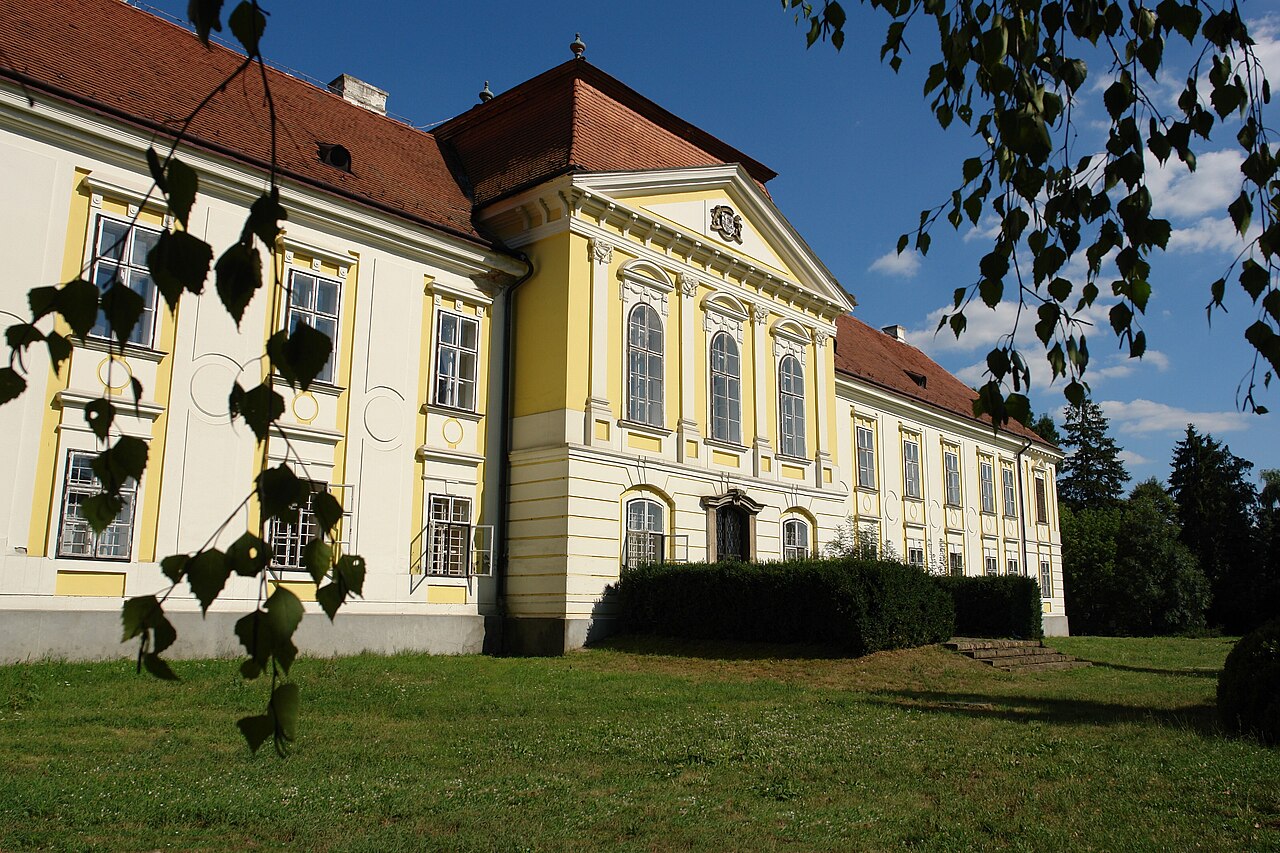
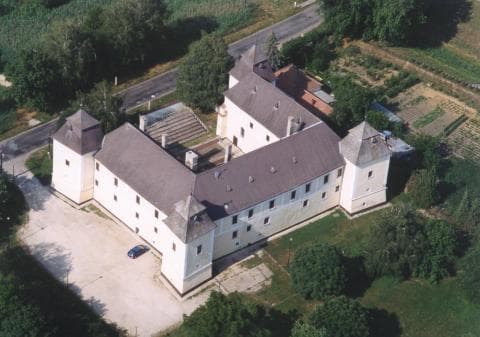
Egervár Castle is arranged on a roughly square ground plan, featuring three or four corner towers designed in the style of old Italian bastions. This fortification style emphasizes defense, reflecting the castle's original military purpose rather than a purely residential palace. Constructed predominantly of stone, the castle exhibits architectural elements from the Renaissance period, resulting from multiple phases of rebuilding and refurbishment during the 16th and 18th centuries.
A significant alteration to the original medieval layout was the early 18th-century demolition of the northern wing, mandated by the Treaty of Szatmár to reduce military strength. The southern and western wings were enhanced with arcaded corridors, providing covered walkways that improved the castle's residential functionality. The addition of an extra floor during this period changed the castle's silhouette and expanded usable interior space.
The castle originally rested on wooden pile foundations embedded in marshy terrain. The draining of the adjacent wetlands led to the deterioration of these piles, causing structural instability and contributing to the castle's decline before 19th- and 20th-century restorations. Today, the courtyard includes a covered area with seating for approximately 450 people, demonstrating its adaptation for public events and cultural activities.
Exhibition and archaeological significance
The southeastern tower houses a permanent exhibition detailing the castle's layered history. Archaeological excavations have uncovered important features from its fortress phase, including sealed gunports designed as embrasures for early firearms such as bearded muskets. These features illustrate the evolution of defensive military technology and provide valuable insights into the operational use of such weaponry in a border bastion context.
Overall, Egervár Castle serves as a well-preserved example of a fortified noble residence whose architectural fabric and modifications chronicle the shifting political and military landscape of Hungary from the Middle Ages through the early modern period. Its combination of medieval defense structures and later Renaissance-style architectural elements offers a tangible connection to the region's historical challenges and transformations.
Frequently asked questions (FAQ)
- What is the historical significance of Egervár Castle?
- Egervár Castle has rich historical significance as it dates back to the 14th century and has served various roles throughout Hungarian history, including as a defensive stronghold. The castle is a testament to medieval architecture and has witnessed numerous historical events, making it a key site for understanding the region's past.
- When was Egervár Castle built?
- Egervár Castle was constructed in the 14th century, with its foundations believed to be laid around the 1300s. Over the centuries, it underwent various renovations and expansions, reflecting the architectural styles of different eras.
- Can I visit Egervár Castle?
- Yes, visitors can explore Egervár Castle and its surroundings. The castle is open to the public, allowing guests to appreciate its historical architecture and scenic views.
- What are the opening hours for Egervár Castle?
- Egervár Castle typically opens to visitors from 9 AM to 5 PM, but these hours may vary depending on the season. It's advisable to check the official website or contact local tourism information for the most accurate and up-to-date opening hours.
- Is it possible to access Egervár Castle by public transport?
- Yes, Egervár Castle is accessible by public transport from nearby cities. Local buses frequently connect to the area, making it convenient for visitors to reach the castle without a car.
- What is the best time to visit Egervár Castle?
- The best time to visit Egervár Castle is during the spring and early autumn when the weather is mild and pleasant. During these seasons, the surrounding landscapes are particularly beautiful, enhancing your experience of the castle's historic charm.
- Are there any nearby attractions to visit along with Egervár Castle?
- Yes, nearby attractions include the charming village of Egervár itself, known for its picturesque scenery, as well as other historical sites in the region. Visitors can also enjoy local cuisine and culture, making it a perfect day trip destination.
- What are the ticket prices for visiting Egervár Castle?
- Ticket prices for Egervár Castle are generally affordable, with discounts available for students and seniors. It's recommended to check the castle's official website for the latest pricing information before your visit.
- How do I get more information about Egervár Castle?
- For more information about Egervár Castle, including guided tours and special events, you can visit the official tourism website or contact the local visitor center. They can provide detailed information to enhance your visit.
Photo gallery

Information
Website
Visit websiteSources & official resources
Verify the information above using these authoritative references.
Loading map...
Visitor reviews
No reviews yet. Been here? Write the first review and help other travelers!
Write the first reviewVisited this castle? Share your experience
Your review helps other travelers and adds first-hand knowledge to our encyclopedia.