Rezi Castle
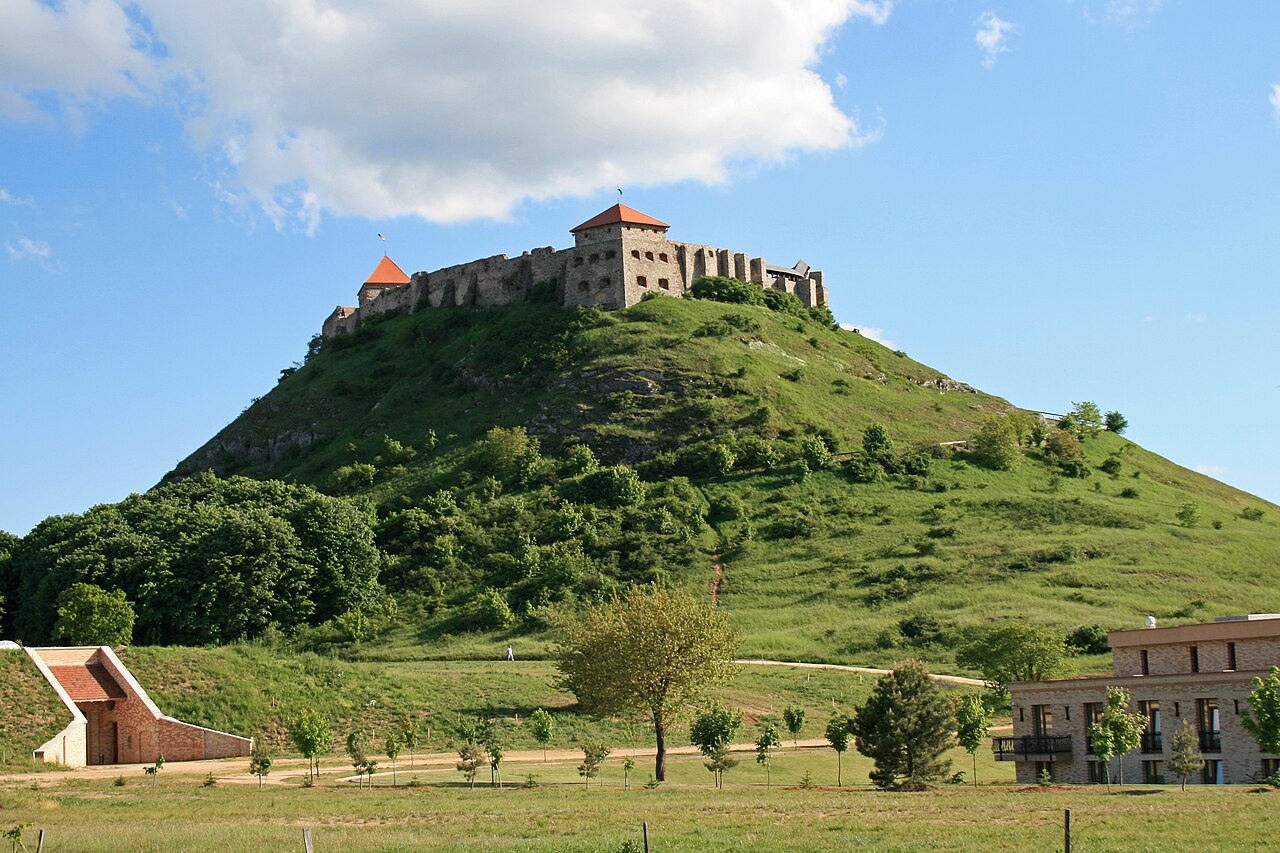
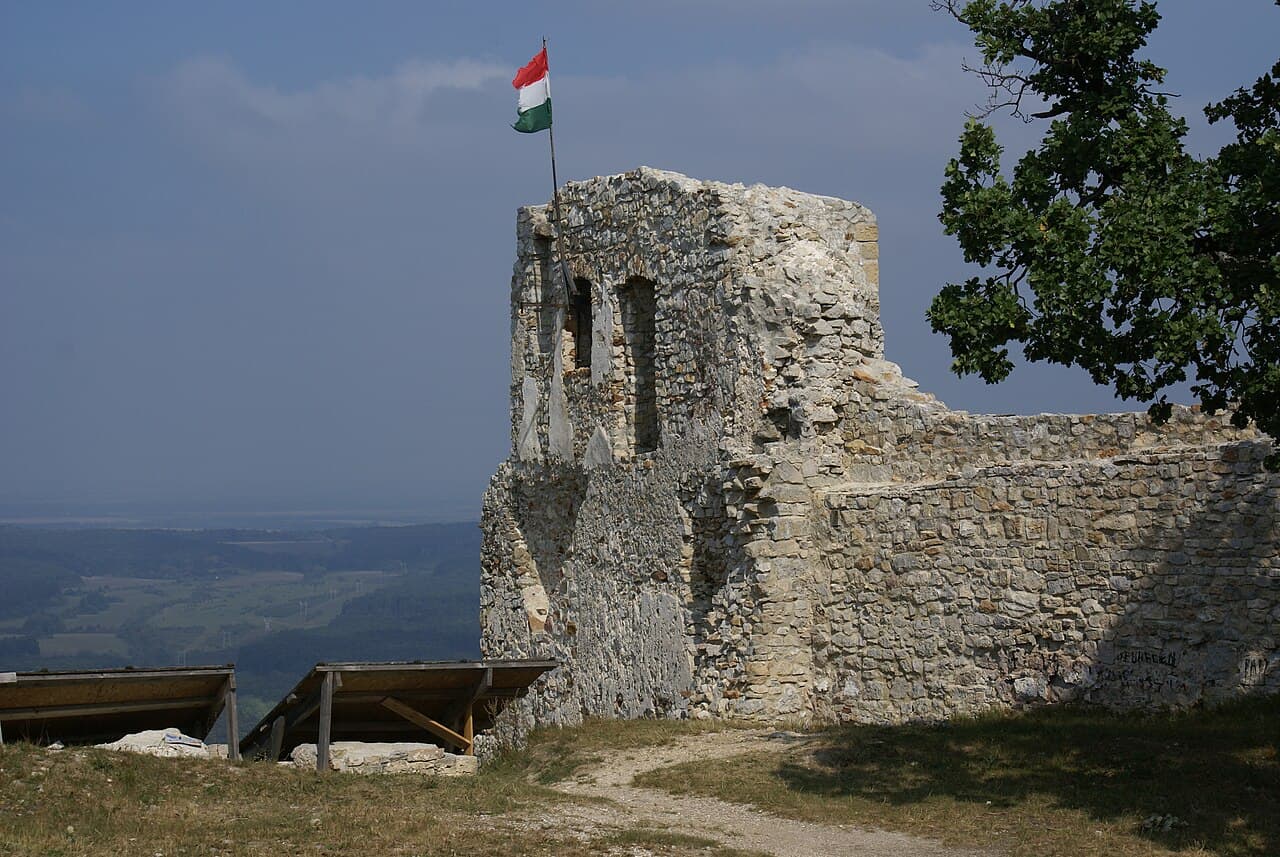
Rezi Castle stands as a striking example of a medieval hill castle strategically perched on a dolomite rock outcrop at the northern edge of the Keszthely Plateau in Hungary. Built in the late 13th century by members of the noble Péc family, notably Apor and Lukács, it was established to oversee the lands granted by King Ladislaus IV in 1282. The castle's location offered commanding views over the Szántó Basin, utilizing the natural steep slopes of the rocky promontory as a formidable defensive advantage.
Historical significance and ownership through the centuries
The castle's history is deeply intertwined with the turbulent feudal conflicts of medieval Hungary. Throughout the 14th and 15th centuries, Rezi Castle changed hands multiple times among prominent noble families and royal authorities. In 1321, it was recaptured from the Kőszegi family by royal forces led by Alexander Köcski, reflecting the ongoing power struggles of the period. Under the reign of King Louis I, the castle came into possession of the Lackfi brothers, influential nobles who played a significant role in Hungarian politics.
After the Lackfi family's fall from grace in 1397, control of Rezi Castle reverted to the crown. Subsequently, it was entrusted to various religious and noble figures, including bishops of the Albeni family and later the Pethő family. The Pethő family maintained ownership from the early 15th century until the extinction of their male line in 1729, marking a long period of relative stability for the fortress.
Despite occasional interruptions such as a brief Habsburg occupation in 1490 and confiscation during the civil war of 1440, the castle's military importance declined by the mid-16th century. However, its defenses were reinforced in response to increasing Ottoman incursions, especially after raids in 1554.
The castle's decline accelerated towards the end of the 16th century. Ottoman forces occupied and set fire to Rezi Castle in 1589. By 1592, official records described the fortress as ruined, noting the deliberate destruction of its two gate towers to prevent further military use. Despite this, the ruins remained a prominent landmark in the region for centuries.
Following the extinction of the Pethő family, ownership passed to the Hungarian treasury. In 1741, the estate was acquired by the Festetics family, who retained control until the nationalization of properties after 1945. Between 2000 and 2012, archaeological excavations and restoration efforts stabilized and partially reconstructed the ruins, preserving the castle's historical legacy.
Architectural features and defensive design
Rezi Castle's design masterfully integrates with its natural setting. The fortress occupies a steep rise of dolomite rock, which provides natural protection through sharply sloping sides that hinder attackers. The castle's defensive system included a deep dry moat excavated around the rock, enhancing its impregnable character.
The inner ward was enclosed by a curtain wall fortified with two gate towers, which controlled access and served as key defensive points. The elongated courtyard within these walls contained a prominent residential tower at the rear, which combined both living quarters and defensive functions, forming the heart of the castle's inner defenses.
In the late 16th century, the castle underwent fortification enhancements documented by the Italian military engineer Giulio Turco. His illustrations depict the dry moat and the distinctive double-towered curtain walls, highlighting the strategic military adaptations made in response to the Ottoman threat.
Ruins and archaeological significance
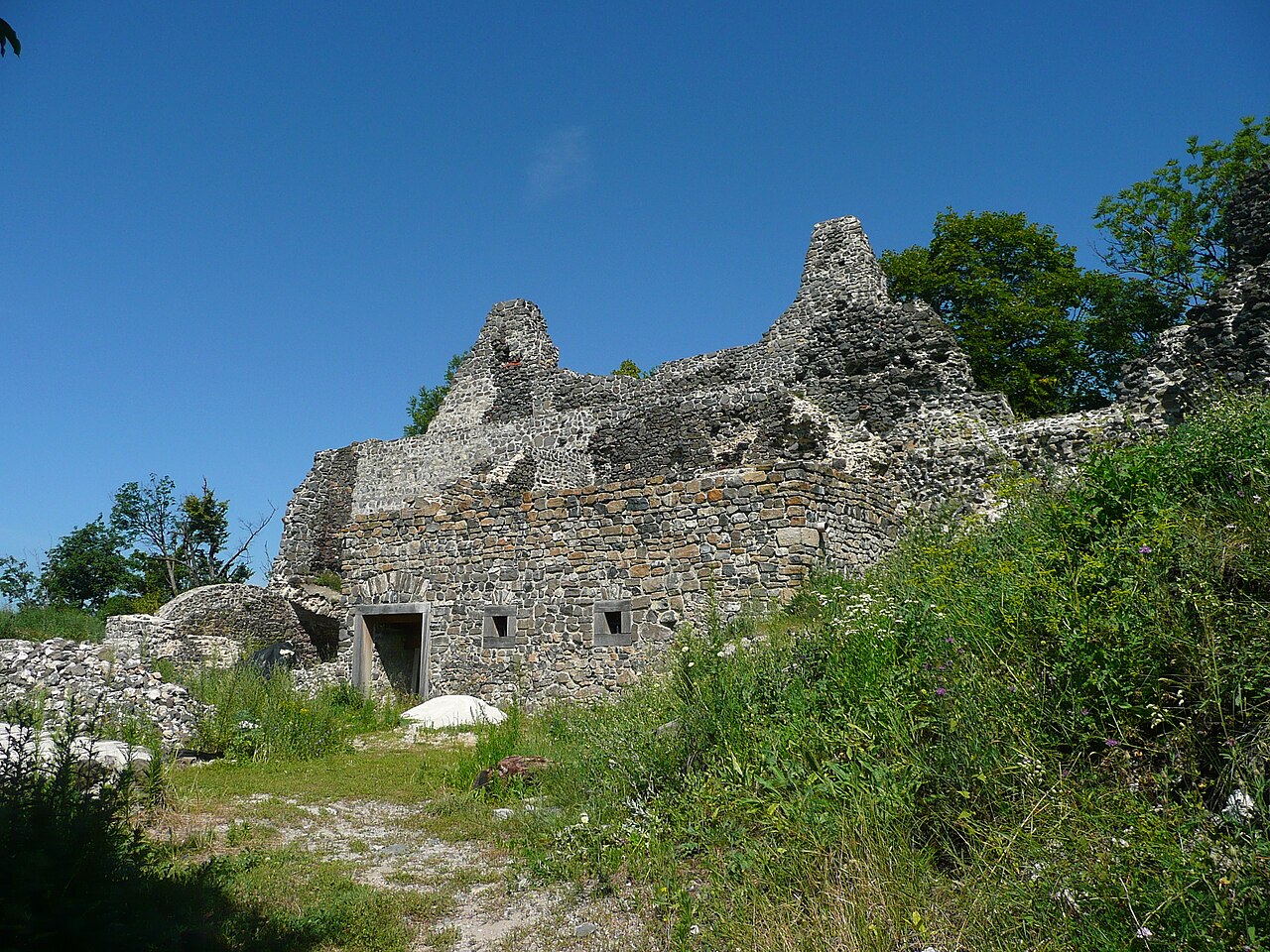
Excavations have revealed the foundations and remnants of the castle's walls and towers, with clear evidence of fire damage and intentional dismantling, particularly the destruction of the two gate towers to prevent reuse. Today, these ruins remain partially preserved and have been stabilized and partially reconstructed to maintain the castle's overall form.
The surviving structures rest on the original rocky foundation, showcasing the medieval builders' adept use of natural terrain for defense. While no detailed inscriptions or decorative elements have been found, the site holds significant historical value as a well-defined example of a medieval Hungarian fortress adapted to its landscape.
Access to Rezi Castle's ruins is free, allowing visitors to appreciate the site's historical and architectural importance while enjoying panoramic views of the surrounding landscape.
Cultural heritage and modern preservation efforts
The castle is an important cultural landmark in Hungary, reflecting the region's medieval history and architectural traditions. The long-term stewardship by noble families such as the Pethő and Festetics has contributed to the preservation of its legacy.
Modern archaeological and restoration campaigns between 2000 and 2012 have been crucial in stabilizing the ruins and preventing further decay. These efforts have included structural reinforcement and partial reconstruction, ensuring that Rezi Castle remains an accessible and educational site for historians, architects, and tourists alike.
Rezi Castle continues to attract visitors interested in medieval architecture, military history, and Hungarian heritage, offering a tangible connection to the past amidst its dramatic natural setting.
Frequently asked questions (FAQ)
- How do I get to Rezi Castle?
- Rezi Castle is located in Rezi, Hungary, easily accessible by car from major cities like Budapest and Balaton. Public transportation options are limited, so driving is recommended for the most convenient visit.
- What is the historical significance of Rezi Castle?
- Rezi Castle dates back to the 13th century and played a crucial role in the defense of the region during various conflicts. Its architecture reflects the medieval military style typical of Hungarian castles, making it an important site for history enthusiasts.
- When was Rezi Castle built?
- Construction of Rezi Castle began in the late 1200s, with significant renovations occurring in the following centuries. The castle has witnessed many historical events, contributing to its rich historical narrative.
- Can I tour Rezi Castle?
- Yes, guided tours of Rezi Castle are available, providing visitors with insights into its history and architecture. It is advisable to check the official website for tour availability and to book in advance during peak tourist seasons.
- Why is Rezi Castle considered an architectural gem?
- Rezi Castle showcases a mix of Gothic and Renaissance architectural styles, featuring robust walls and towers that reflect its original purpose as a fortress. The castle's design highlights the evolution of military architecture in Hungary, making it a fascinating site for architectural studies.
- Is it possible to visit Rezi Castle year-round?
- Rezi Castle is typically open to visitors from spring to fall, with specific opening hours that may vary seasonally. It’s best to consult the official website for the most accurate information regarding visiting times and any seasonal closures.
- What is the best time to visit Rezi Castle?
- The best time to visit Rezi Castle is during the spring and early autumn months when the weather is mild, and the surrounding landscapes are picturesque. Visiting during these times allows you to enjoy the beauty of the castle and its grounds without the crowds of the summer peak season.
- Are there any nearby attractions to Rezi Castle?
- Yes, nearby attractions include the scenic Lake Balaton, known for its beaches and recreational activities, as well as other historical sites in the region. Exploring the surrounding area can enhance your visit to Rezi Castle, offering a full day of sightseeing.
- What are the ticket prices for Rezi Castle?
- Ticket prices for Rezi Castle are generally affordable, with discounts available for students and seniors. It is recommended to check the official website for the most current pricing and any special offers that may be available during your visit.
- What are the opening hours of Rezi Castle?
- Rezi Castle typically opens at 10 AM and closes at 6 PM during the tourist season. However, these hours may vary, so it's best to verify the current opening times before planning your visit.
Photo gallery

Information
Website
Visit websiteSources & official resources
Verify the information above using these authoritative references.
Loading map...
Visitor reviews
No reviews yet. Been here? Write the first review and help other travelers!
Write the first reviewVisited this castle? Share your experience
Your review helps other travelers and adds first-hand knowledge to our encyclopedia.