Chartley Castle
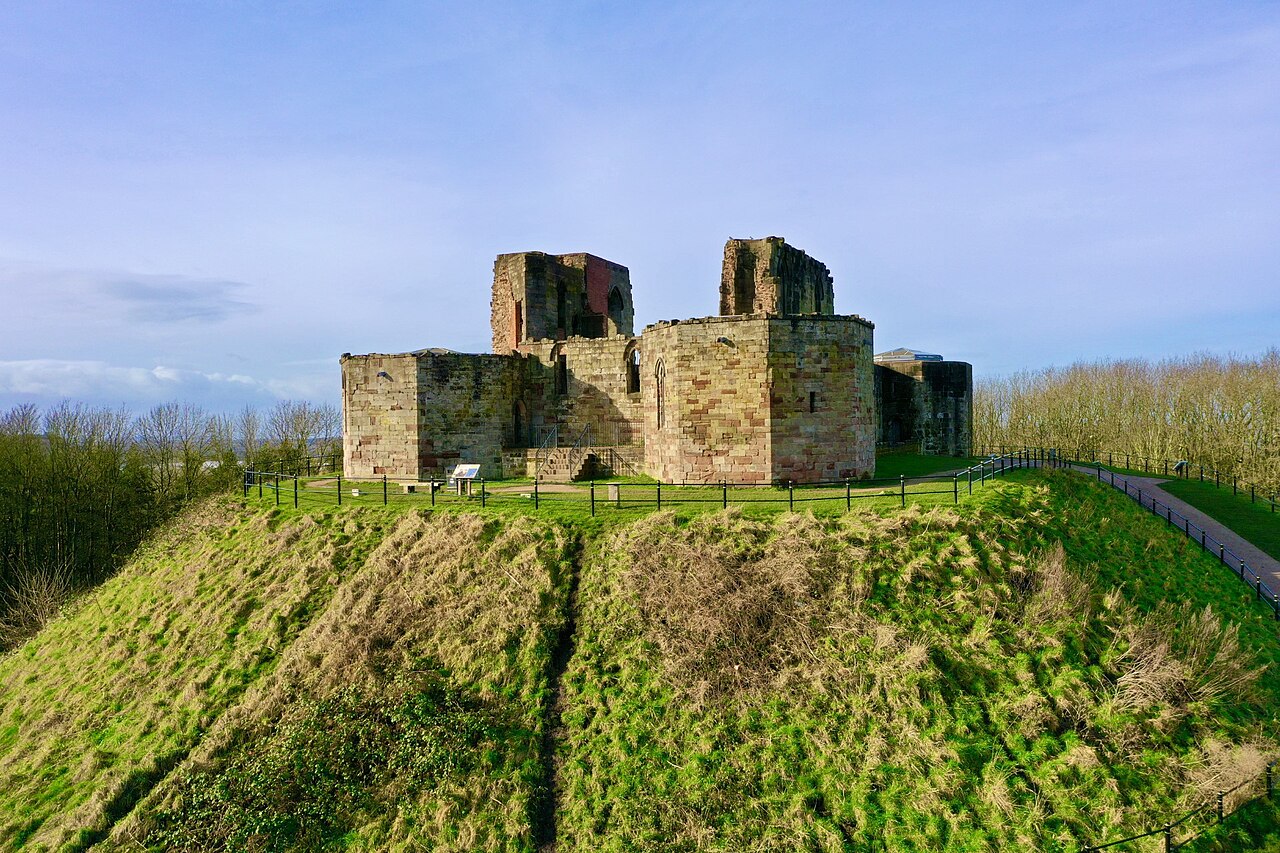
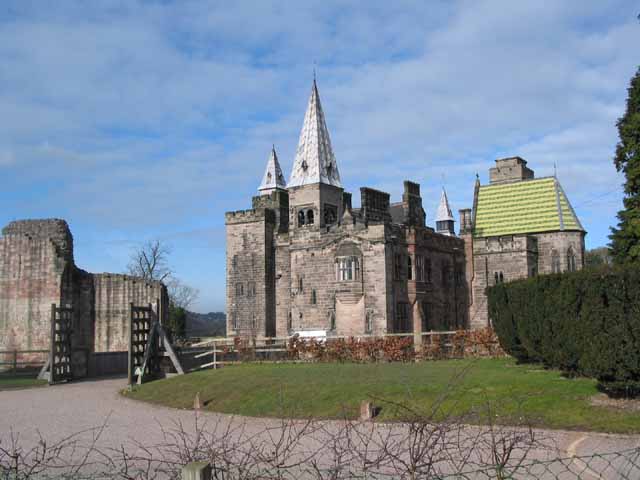
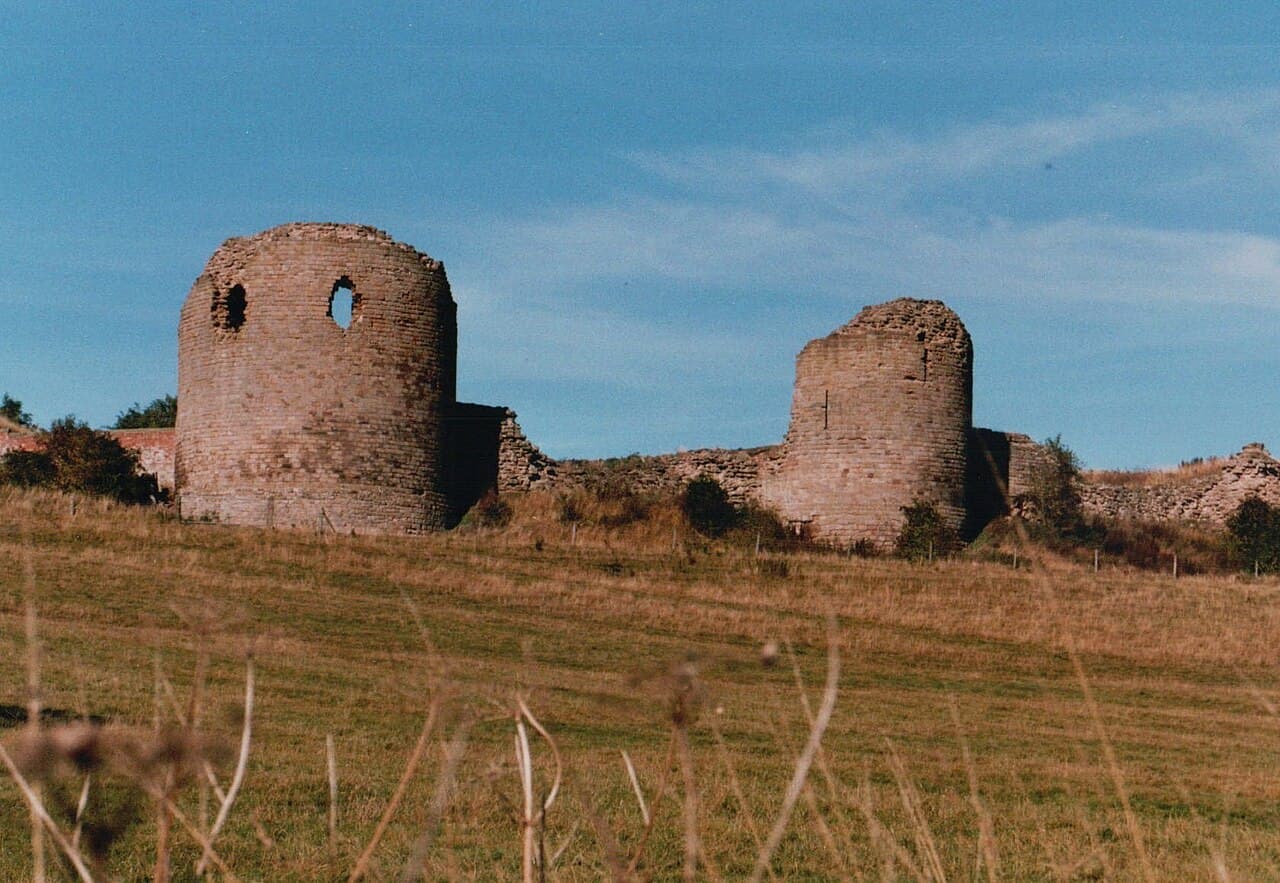
Chartley Castle stands as a significant high medieval archaeological ruin located north of the village of Stowe-by-Chartley in Staffordshire, England. Positioned strategically between the market towns of Stafford and Uttoxeter, this castle site offers a glimpse into England's turbulent medieval past and the complex history of noble estates during the Middle Ages.
Historical background and significance
The origins of Chartley Castle trace back to the 11th century, placing its construction in the early phase of Norman castle-building following the Conquest of 1066. The castle was established as a fortified manor, serving both as a defensive stronghold and a residence for the local lord. Over subsequent centuries, it evolved to meet the demands of changing military technology and domestic comfort.
One of the castle's most notable historical associations is its role in the imprisonment of Mary, Queen of Scots in 1585. During this period, she was held captive on the estate, reflecting the castle's use as a secure noble residence and prison during the politically volatile Tudor era. This connection adds considerable cultural and historical value to the site.
Architectural features and layout
Although today Chartley Castle exists primarily as ruins, archaeological evidence and surviving earthworks reveal its original layout and defensive features. The castle was likely constructed as a motte and bailey or early stone fortification, common in Norman England. Its design included a fortified enclosure with a central keep or stronghold, surrounded by protective walls and ditches.
Excavations and surveys indicate the presence of substantial earthworks that formed part of the castle's defensive system. These earthworks include a surrounding moat or ditch and raised banks, which would have enhanced the castle's defensibility against siege warfare typical of the high medieval period.
Remaining structures and preservation
Today, the castle's physical remains are limited to fragments of stone walls and earthworks. The site has been designated a Scheduled Monument since 1925, ensuring its protection under heritage conservation laws. Additionally, the castle is recognized as a Grade II* listed building, highlighting its architectural and historic importance despite its ruined condition.
The ruins provide valuable insight into medieval construction techniques and the evolution of castle architecture in Staffordshire. Preservation efforts focus on stabilizing the remaining structures and preventing further deterioration, allowing visitors to appreciate the site's historical context.
The castle's role in the region
Chartley Castle played a strategic role in the control and administration of the surrounding lands during the medieval period. Its location allowed oversight of important routes between Stafford and Uttoxeter, facilitating both military defense and local governance.
The castle also functioned as a symbol of feudal power and status for its owners. Its presence influenced the development of nearby settlements, including Stowe-by-Chartley village, which grew around the estate.
Visitor information and cultural heritage
While the castle remains are in ruins, the site attracts visitors interested in medieval history, archaeology, and the Tudor period's royal intrigues. The connection to Mary, Queen of Scots adds a layer of historical intrigue that draws researchers and tourists alike.
Access to the site is typically managed to preserve its condition, with informational signage providing context about the castle's history and significance. Visitors are encouraged to explore the surrounding landscape, which retains features of the original castle grounds and earthworks.
Archaeological research and findings
Ongoing archaeological studies at Chartley Castle have uncovered artifacts and structural remains that deepen understanding of medieval life at the site. These findings contribute to broader knowledge about Norman fortifications and Tudor-era noble estates in the Midlands.
Such research supports heritage management and educational initiatives, ensuring that Chartley Castle remains a valuable resource for historical scholarship and public education.
Frequently asked questions (FAQ)
- What is the historical significance of Chartley Castle?
- Chartley Castle has a rich history dating back to the 13th century, originally built as a fortified manor house. It played a key role during the Wars of the Roses and has connections to notable figures such as the Earls of Derby.
- When was Chartley Castle constructed?
- Chartley Castle was constructed in the 13th century, with its earliest records dating back to around 1230. The castle has undergone various renovations and restorations over the centuries, reflecting the architectural styles of different periods.
- Can I visit Chartley Castle?
- Yes, Chartley Castle is open to visitors, but it is important to check the specific visiting hours and any booking requirements. The site offers guided tours that provide insights into its history and architecture.
- What are the opening hours of Chartley Castle?
- Chartley Castle typically opens to the public from April to October, with varying hours depending on the day of the week. It is advisable to check the official website for the most current information on opening hours before planning your visit.
- Is it possible to access Chartley Castle with mobility aids?
- Chartley Castle has limited accessibility due to its historical nature and uneven terrain. Visitors with mobility concerns are encouraged to contact the castle in advance to inquire about specific accommodations and assistance available on-site.
- What is the best time to visit Chartley Castle?
- The best time to visit Chartley Castle is during the spring and summer months when the weather is pleasant and the gardens are in full bloom. Additionally, special events and reenactments often take place during this period, enhancing the visitor experience.
- Are there any nearby attractions to explore after visiting Chartley Castle?
- Yes, nearby attractions include the picturesque village of Chartley and the historic town of Stafford. Visitors can also explore the beautiful surrounding countryside, which offers various walking trails and scenic views.
- What are the ticket prices for Chartley Castle?
- Ticket prices for Chartley Castle vary depending on the age of the visitor and the type of tour selected. Discounts may be available for families, groups, and seniors, so it’s best to check the official website for the most accurate pricing information.
Photo gallery

Information
Loading map...
Visitor reviews
No reviews yet. Been here? Write the first review and help other travelers!
Write the first reviewVisited this castle? Share your experience
Your review helps other travelers and adds first-hand knowledge to our encyclopedia.