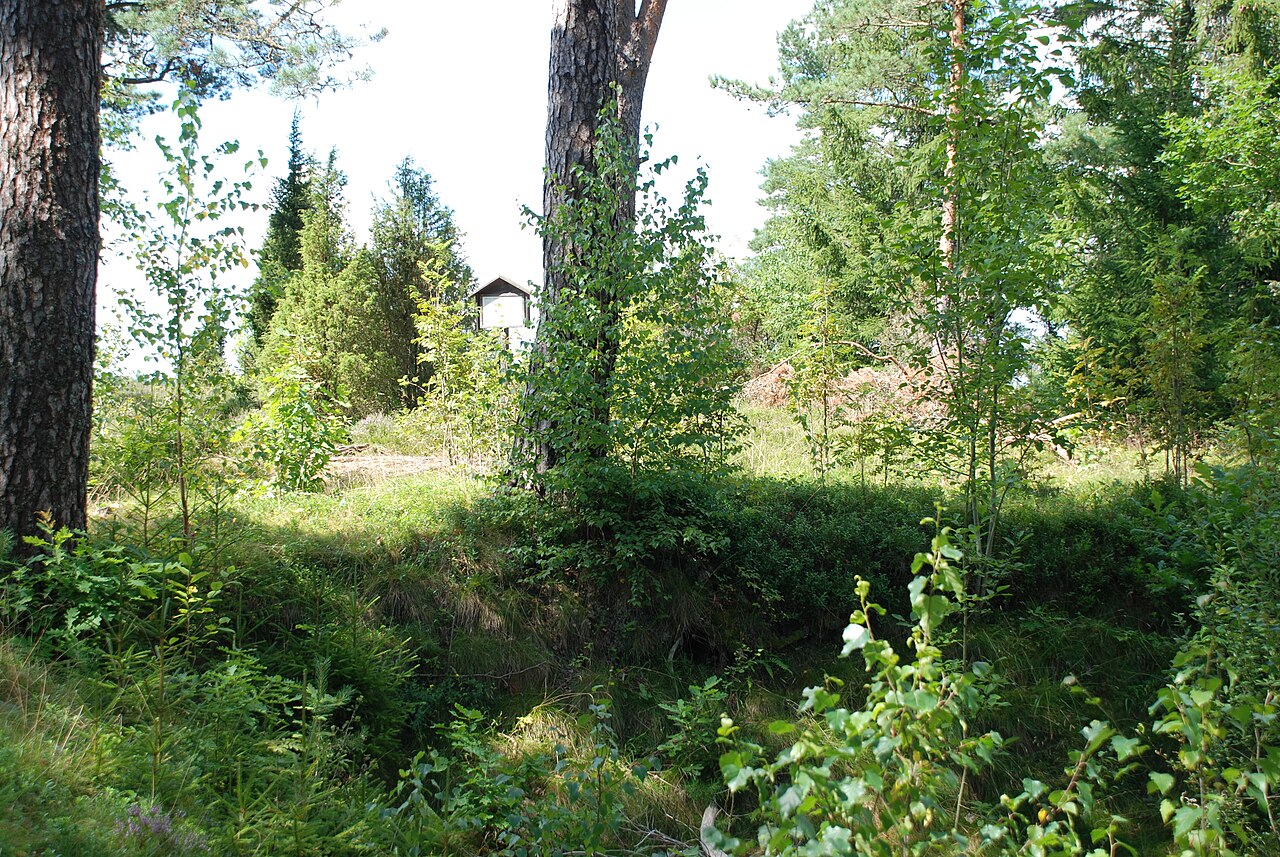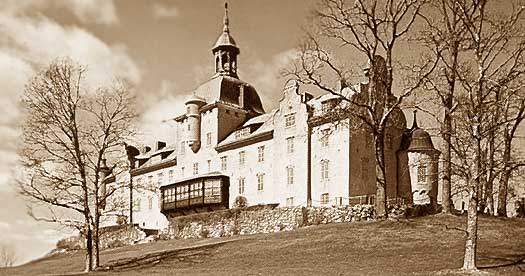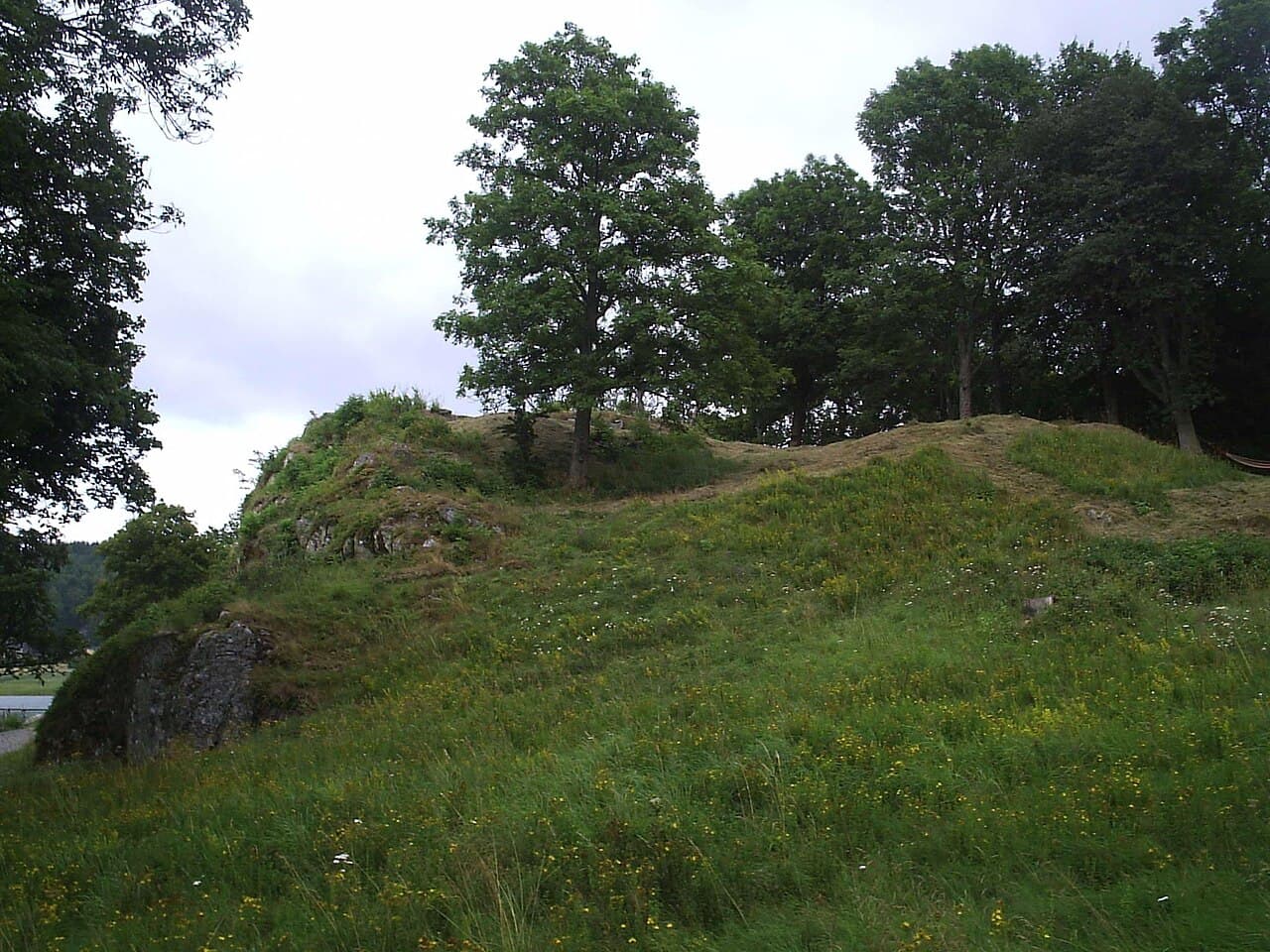
Dynge Castle (Swedish: Dynge borgruin), historically known as Dyngehus, is a notable medieval castle ruin located in the central part of Bohuslän, Sweden. Constructed around the mid-13th century, approximately 1250, this fortress was established during a period when the region was under Norwegian rule. Dynge Castle is among the scarce surviving medieval structures within Uddevalla Municipality, sharing historical significance with sites such as Dragsmark Abbey and Bokenäs Old Church.
Historical context and construction
The castle's origins trace back to the High Medieval period, a time marked by frequent territorial disputes in Scandinavia. The strategic location of Dynge Castle in Bohuslän was important for controlling local trade routes and asserting military presence in the region. Its construction reflects the typical defensive needs of the era, designed to withstand sieges and serve as a stronghold for Norwegian authority.
Design and architectural features
While much of Dynge Castle now lies in ruins, archaeological studies have revealed that it was originally built as a stone fortress featuring thick defensive walls and a compact layout suitable for defense. The castle likely included a keep or central tower, surrounded by curtain walls and possibly a moat or natural water defenses, common in high medieval fortifications. The use of local stone materials contributed to the castle's durability, although the exact architectural style is difficult to classify due to the ruinous state.
Role under Norwegian rule
During the 13th century, Bohuslän was under Norwegian control, and Dynge Castle served as a military and administrative center. It played a role in regional defense and governance, helping to maintain Norwegian influence along the western coast of Scandinavia. The castle's presence underscored the contested nature of the borderlands between Norway and Sweden during the medieval period.
Decline and destruction
Dynge Castle remained in use until the early 16th century. Historical records indicate that the castle was destroyed by fire around this time, leading to its abandonment. The reasons for the fire are not definitively known but may have been related to military conflict or accidental causes during a period of shifting political control in the region. Following its destruction, the castle was not rebuilt, leaving the site to fall into ruin.
Archaeological significance and preservation
Today, Dynge Castle stands as an archaeological ruin that provides valuable insights into medieval fortification practices in Bohuslän. Excavations and research at the site have helped illuminate aspects of castle construction, daily life, and regional history during the High Medieval period. The ruins contribute to the cultural heritage of Uddevalla Municipality and are protected as part of Sweden's historical monuments.
Visitor experience and accessibility
The castle ruins are accessible to visitors interested in medieval history and archaeology. While the site lacks extensive facilities, it offers a tangible connection to the past through its remaining stone structures and the surrounding landscape. Visitors can explore the ruins and nearby historical sites such as Dragsmark Abbey, enriching their understanding of medieval Bohuslän.
Comparative significance
Compared to other medieval castles in Sweden, Dynge Castle is relatively modest but notable for its age and historical context within Norwegian-controlled territory. Its survival as a ruin alongside ecclesiastical sites like Bokenäs Old Church highlights the diverse medieval heritage of the region. The castle exemplifies the typical defensive architecture of Scandinavian fortresses built during the 13th century.
Frequently asked questions (FAQ)
- How do I get to Dynge Castle?
- Dynge Castle is located in Sweden and can be accessed by car or public transport. If you are driving, there is ample parking available nearby. For those using public transport, check local bus and train schedules for the best routes to the castle.
- What is the historical significance of Dynge Castle?
- Dynge Castle dates back to the 12th century and is a notable example of medieval architecture in Sweden. It played a crucial role in the region's history, serving as a stronghold during various conflicts. Today, it stands as a testament to Sweden's rich cultural heritage.
- When was Dynge Castle built?
- Dynge Castle was originally constructed in the 12th century, with several renovations and expansions occurring over the centuries. The castle has preserved much of its historical architecture, making it an important site for visitors interested in medieval history. The exact date of its founding is still a topic of research among historians.
- Can I take guided tours of Dynge Castle?
- Yes, guided tours of Dynge Castle are available for visitors. These tours provide in-depth information about the castle's history, architecture, and significant events. It is recommended to check the castle's official website or visitor center for tour schedules and availability.
- Why is Dynge Castle considered an architectural marvel?
- Dynge Castle is renowned for its impressive medieval design, featuring towering stone walls and intricate details. The castle's architecture reflects the defensive needs of its time while also showcasing artistic elements typical of the period. Its preservation allows visitors to appreciate the craftsmanship of the era.
- Is it possible to visit Dynge Castle year-round?
- Dynge Castle is open for visitors throughout the year, though some areas may have restricted access during the winter months. Be sure to check the official website for seasonal hours and any special events that may be taking place. Planning your visit ahead of time can enhance your experience.
- What are the ticket prices for Dynge Castle?
- Ticket prices for Dynge Castle vary depending on the season and type of tour you choose. Typically, adult tickets are priced reasonably, with discounts available for children, seniors, and groups. It's advisable to purchase tickets in advance, especially during peak tourist seasons.
- What are the opening hours of Dynge Castle?
- Dynge Castle's opening hours vary by season, generally opening from 10 AM to 5 PM during the summer months. During the winter, hours may be reduced, so it's essential to check the castle's official website for the most current information. Special events may also affect the usual schedule.
- What nearby attractions can I visit along with Dynge Castle?
- In addition to Dynge Castle, visitors can explore several nearby attractions, including local museums and scenic parks. The surrounding area is rich in nature, offering hiking trails and beautiful landscapes. A visit to the nearby town provides cultural experiences and dining options to enhance your trip.
Photo gallery

Information
Loading map...
Visitor reviews
No reviews yet. Been here? Write the first review and help other travelers!
Write the first reviewVisited this castle? Share your experience
Your review helps other travelers and adds first-hand knowledge to our encyclopedia.