Durbe
Durbe Castle is a significant medieval fortress located on a strategic hill overlooking the town of Durbe in Latvia. Constructed in the 14th century by the Teutonic Order, this hill castle was an important defensive structure guarding the southern border of Courland and controlling a key route connecting Livonia with Prussia. Today, it remains a poignant historical site, preserved as ruins that echo its martial past and architectural heritage.
Historical context and strategic importance
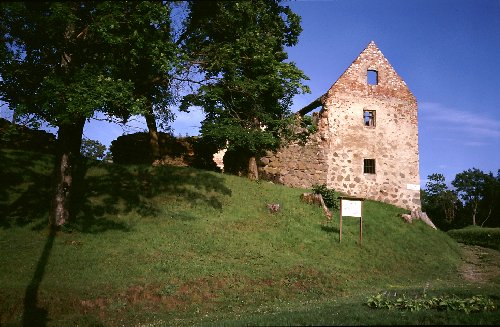
The castle was erected in the mid-1300s during the Late Medieval period by the Teutonic Knights as part of their network of fortifications in the Baltic region. Prior to the stone castle's construction, it is likely that a wooden or earthen watchtower or guard post existed on the site, serving to monitor and protect the southern approaches to the territory of Courland. The location was chosen for its commanding elevation, offering wide views of the surrounding landscape and control over the vital trade and military route between Livonia and Prussia.
Architectural design and features
Durbe Castle was built on a roughly square plan atop a natural hill, a common design choice for hill castles of the period. The fortification was surrounded by thick stone curtain walls that enclosed a central courtyard. The only permanent building within the walls was located along the northern curtain, serving as the main residential and administrative wing. This structure contained rooms for the stationed military garrison and storage facilities for supplies and armaments.
The castle's design emphasized functionality and defense. The walls provided protection against sieges, while the elevated position made direct assaults difficult. The interior spaces were austere, reflecting the military purpose of the castle rather than comfort or luxury. The castle also offered shelter to travelers and local inhabitants during times of danger, functioning as a refuge in a turbulent region.
Later history and decline
Following the secularization of the Teutonic Order's territories in 1561, Durbe Castle became part of the newly established Duchy of Courland and Semigallia. During this period, the castle served as an administrative center for the ducal officials for some time. However, no significant restoration or modernization efforts were undertaken to maintain or improve the castle's defensive capabilities or living conditions.
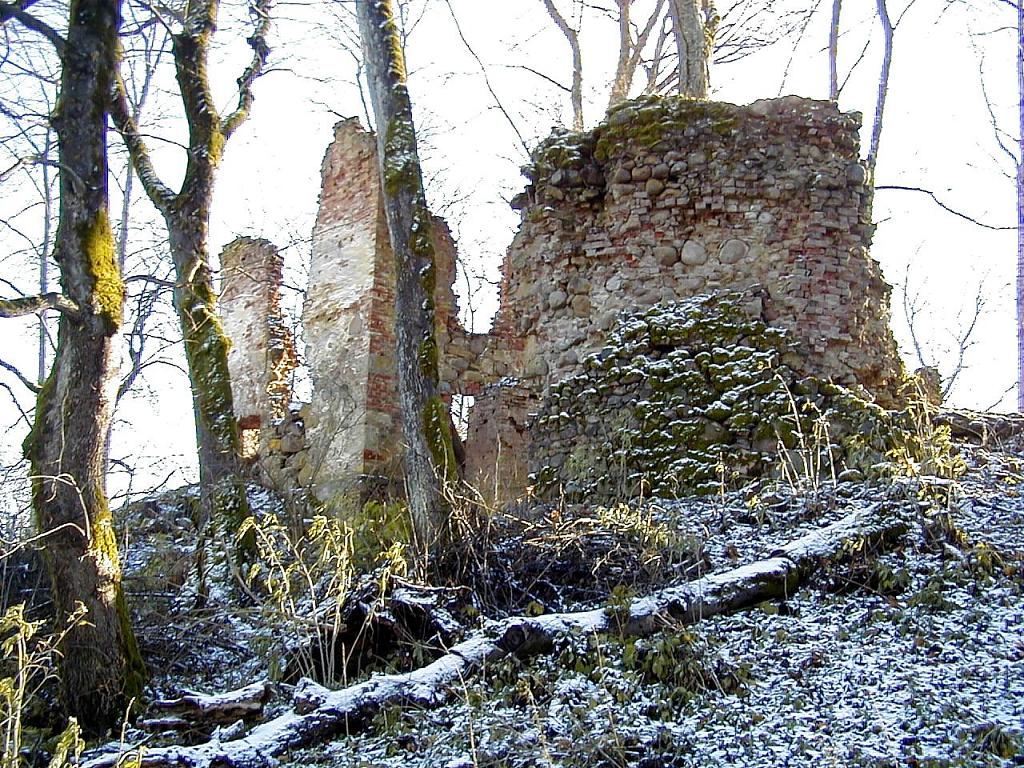
The 17th century brought a series of conflicts, notably the Polish-Swedish wars, which destabilized the region. These wars likely contributed to the castle's abandonment, as military and political priorities shifted and newer fortifications rendered Durbe obsolete. Left without caretakers, the castle quickly fell into disrepair. Over the centuries, natural decay and the removal of building materials by locals reduced the once formidable fortress to its current state of ruins.
Present-day remains and cultural significance
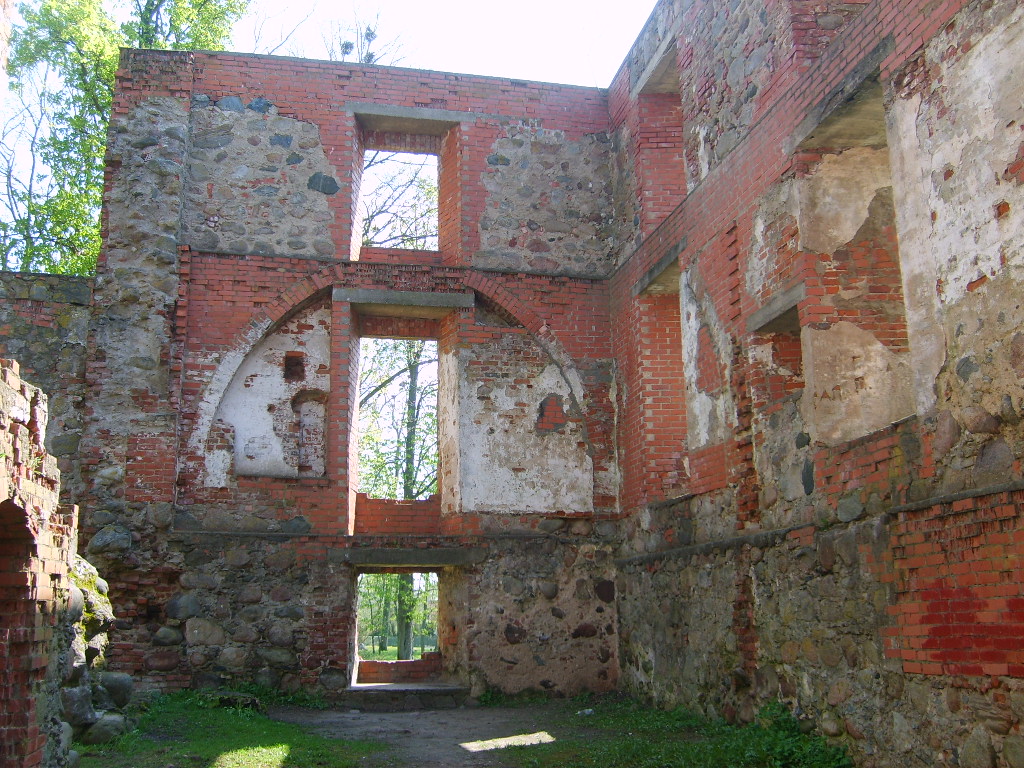
Today, the castle site is located on the outskirts of Durbe town, atop a prominent hill known as the castle mound. Visitors can observe the surviving fragments of the original stone walls, which stand as the sole remnants of the Teutonic Order's presence in this part of Latvia. These ruins provide valuable insights into medieval military architecture and the historical landscape of the Baltic region.
Durbe Castle is an important cultural heritage site that attracts historians, archaeologists, and tourists interested in the medieval history of Latvia and the Baltic states. Its ruins evoke the turbulent history of the region and the legacy of the crusading orders that shaped its development. Preservation efforts focus on maintaining the site as an accessible historical monument, enabling educational opportunities and fostering appreciation of Latvia's medieval past.
Architectural and archaeological research
Archaeological investigations at the Durbe site have helped to clarify aspects of the castle's construction phases and usage. Studies confirm the castle's Late Medieval origins and its role as a military stronghold rather than a residential palace. The findings also highlight the typical features of a small Teutonic stone castle, including the compact layout, robust curtain walls, and limited internal buildings.
Research continues to explore the castle's relationship with nearby settlements and its strategic function within the network of fortifications in Courland. The site remains an important case study for understanding the military and political dynamics of the Baltic region during the Middle Ages.
Frequently asked questions (FAQ)
- What is the best time to visit Durbe Castle ruins?
- The best time to visit Durbe Castle ruins is during late spring to early autumn when the weather is mild, and the site is accessible for walking and exploration.
- How do I get to Durbe Castle in Latvia?
- Durbe Castle is located on the outskirts of the town of Durbe in the Kurzeme region of Latvia. It is accessible by car or local transport from nearby cities such as Liepaja.
- Is it possible to explore the interior of Durbe Castle?
- As Durbe Castle is now in ruins, only fragments of the stone walls remain. Visitors can explore the site and walk around the castle mound but cannot enter any standing buildings.
- What historical significance does Durbe Castle hold?
- Durbe Castle was a strategic Teutonic Order fortress guarding the southern border of Courland and controlling a key route between Livonia and Prussia during the 14th century.
- Are there any guided tours available at Durbe Castle?
- Guided tours may be available through local tourism offices or historical societies in Durbe, especially during the summer season. It is advisable to check in advance for availability.
Information
Current owner
Municipality
Loading map...
Visitor reviews
No reviews yet. Been here? Write the first review and help other travelers!
Write the first reviewVisited this castle? Share your experience
Your review helps other travelers and adds first-hand knowledge to our encyclopedia.