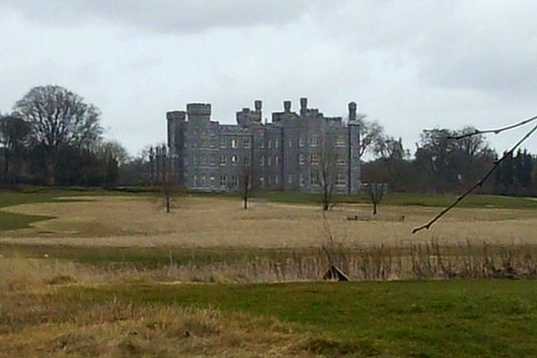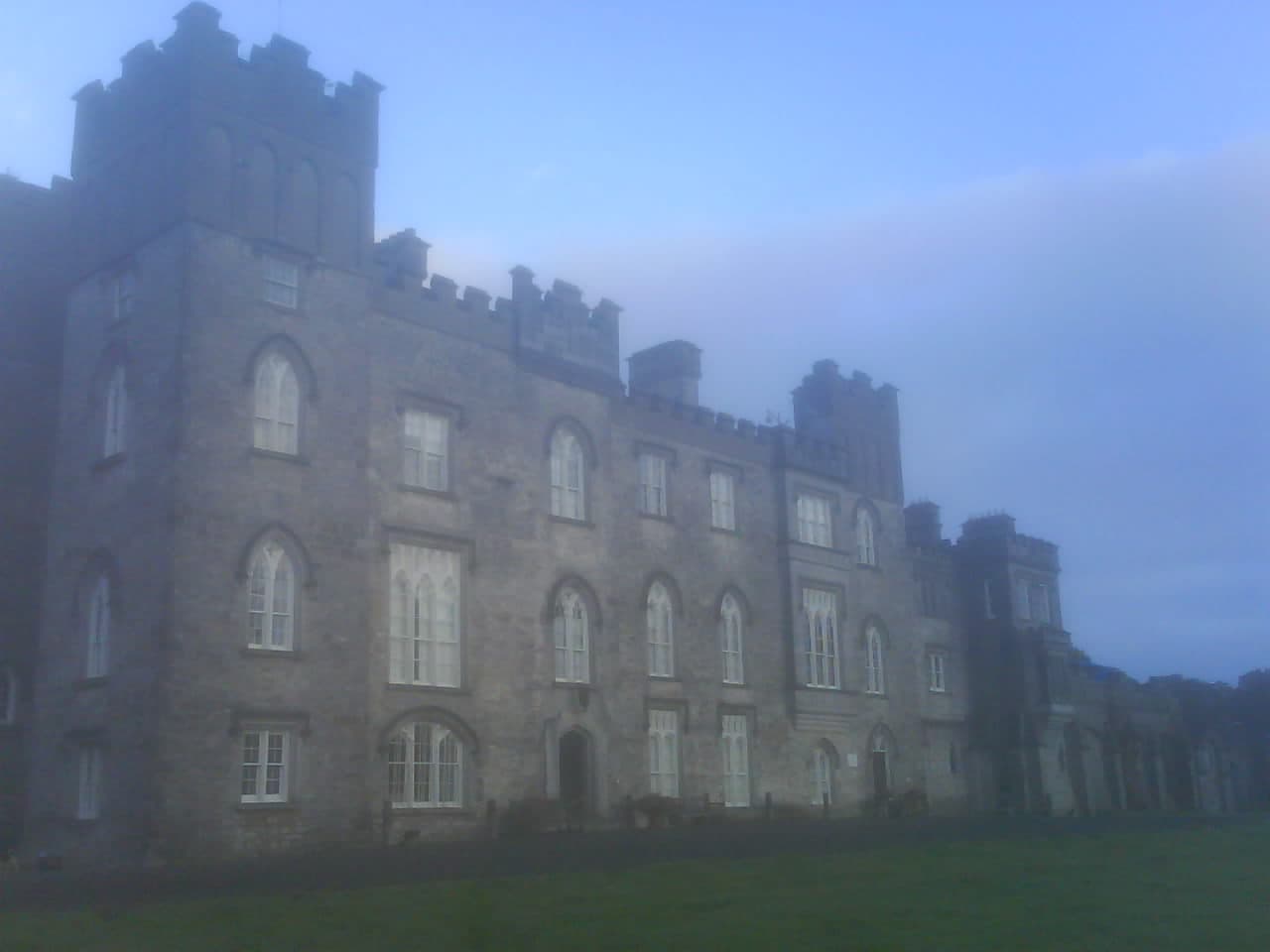
Dunsany Castle and Demesne
Dunsany Castle (Irish: Caisleán Dhún Samhnaí) is a prominent Anglo-Norman hill castle located in County Meath, Ireland. Constructed around 1180-1181 by the notable Norman lord Hugh de Lacy, it stands as one of the oldest continuously inhabited residences in Ireland, possibly the longest occupied by a single family lineage. The castle's history is deeply intertwined with the Cusack family and their descendants, the Plunkett family, who have maintained ownership from its foundation through to the present day.
Historical background and foundation
The origins of Dunsany Castle date back to the late 12th century, during the period of Norman expansion into Ireland. Hugh de Lacy, the powerful Anglo-Norman lord responsible for commissioning several key fortifications including Killeen Castle and the renowned Trim Castle, established Dunsany Castle as part of his strategy to secure and administer his territories in Meath. The castle was strategically positioned on a hill, offering commanding views of the surrounding landscape and serving both defensive and administrative functions.
Architectural features and evolution
Dunsany Castle originally featured typical medieval defensive elements characteristic of Anglo-Norman hill castles, including thick stone walls, battlements, and a strong keep or donjon. Over the centuries, the castle underwent significant modernization and expansion, adapting to changing architectural styles and residential needs while preserving its medieval core. The castle's structure today reflects a blend of high medieval military architecture with later additions that provide more comfortable living spaces.
Castle layout and defensive structures
The castle is situated on a raised site, which enhances its defensive capabilities. Its original fortifications likely included a curtain wall enclosing the main residential and service buildings, with towers positioned to provide overlapping fields of fire. The keep served as the last line of defense and as the lord's residence. Although some of the medieval defensive features have been altered or softened by later renovations, the castle retains significant elements of its original fortifications.
Modern adaptations and estate features
Beyond the castle itself, the dunsany demesne encompasses an extensive estate that includes a historic church, a walled garden, a stone farm complex, and an ice house, reflecting the estate's agricultural and domestic functions through the centuries. The demesne's landscape supports a diverse range of fauna, contributing to its ecological and heritage value. These features illustrate the evolution of the castle from a purely military stronghold to a stately home integrated with its surrounding lands.
The castle's continuous occupation and family legacy
One of the most remarkable aspects of Dunsany Castle is its continuous occupation by the same family line since its foundation. The Cusack family originally held the castle, and through marriage, it passed to the Plunkett family, who have maintained stewardship for over eight centuries. This uninterrupted lineage makes Dunsany Castle unique among Irish castles and contributes to its cultural and historical significance.
Cultural significance and heritage status
Dunsany Castle is recognized not only as an architectural monument but also as a living heritage site. Its long-standing family ownership and well-preserved medieval structures provide valuable insights into Norman military architecture and Irish aristocratic life across centuries. The castle and its demesne remain a focal point for local history and attract interest from historians, architects, and visitors alike.
Visiting dunsany castle and demesne
While Dunsany Castle is privately owned, its historical importance and picturesque setting make it a subject of interest for cultural tourism. The estate's features, including the walled garden and historic church, offer visitors a glimpse into the layered history of the site. Access arrangements and visiting hours may vary, so prospective visitors should seek current information before planning a visit.
Frequently asked questions (FAQ)
- When was Dunsany Castle built and by whom?
- Dunsany Castle was built around 1180-1181 by Hugh de Lacy, a prominent Anglo-Norman lord responsible for several key castles in Ireland.
- What architectural style characterizes Dunsany Castle?
- The castle primarily reflects high medieval Anglo-Norman military architecture, featuring thick stone walls, battlements, and a strong keep.
- Is Dunsany Castle still occupied today?
- Yes, Dunsany Castle is one of Ireland's oldest continuously inhabited homes, still owned and occupied by descendants of the original families.
- What features can be found within the Dunsany demesne?
- The demesne includes a historic church, a walled garden, a stone farm complex, and an ice house, showcasing the estate's historical agricultural and domestic functions.
- Can visitors tour Dunsany Castle and its grounds?
- As a private residence, public access may be limited. Visitors should check current visiting arrangements and opening times before planning a visit.
Photo gallery

Information
Current owner
Plunkett family descendants
Loading map...
Visitor reviews
No reviews yet. Been here? Write the first review and help other travelers!
Write the first reviewVisited this castle? Share your experience
Your review helps other travelers and adds first-hand knowledge to our encyclopedia.