Dunimarle Castle
Dunimarle Castle, located in Culross, Scotland, presents a fascinating blend of Renaissance-era ruins and an adjacent 18th-century mansion that carries the historic name. The original castle, constructed around 1575, now stands as a ruin, reflecting its passage through centuries of Scottish history. This site is notable not only for its architectural remains but also for its early industrial heritage, including one of the first coal mines in the region.
Historical background and construction
The original Dunimarle Castle was built in the Renaissance period, a time when Scotland saw a transition in castle architecture from purely defensive structures to more comfortable residences that also displayed the wealth and status of their owners. The castle was associated with the Erskine family, a prominent Scottish noble house with significant influence in the region.
One of the most remarkable aspects of Dunimarle Castle's history is its connection to early coal mining. From 1575, under the direction of Sir George Bruce of Carnock, a coal mine was operated at the site. This mine included an innovative tunnel extending down to the nearby River Forth, approximately 30 meters below the surface. The tunnel allowed coal to be loaded directly onto ships, a pioneering method that facilitated maritime transport of coal and contributed to the area's economic development.
The mine was eventually abandoned in the early 17th century, and the tunnel was filled in, but its historical significance remains an important part of the site's story.
Architectural features and later developments
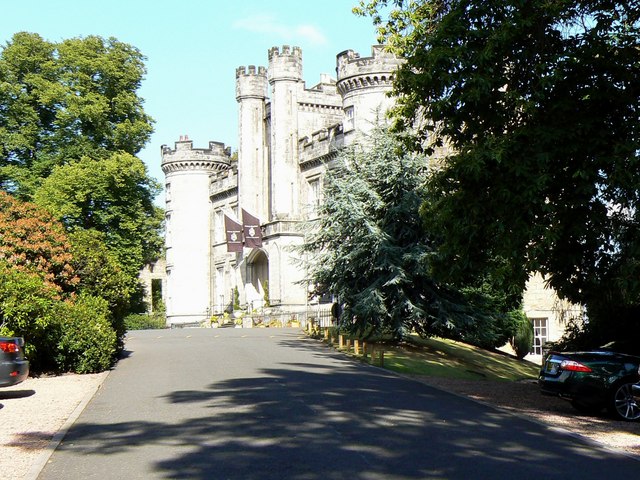
While the original castle fell into ruin, the site did not lose its importance. In the 18th century, the Erskine family constructed a new house adjacent to the ruins, which adopted the Dunimarle name. This building reflects the architectural tastes of its time, focusing on comfort and style rather than defense.
In 1839, the house was rebuilt by the architects R & R Dickson, known for their work in Scotland during the 19th century. The redesign enhanced the house's stature and included the addition of a notable library, which became a significant feature of the property. The house also housed a collection of fine art, some of which has been loaned to the National Galleries museum at Duff House in North East Scotland.
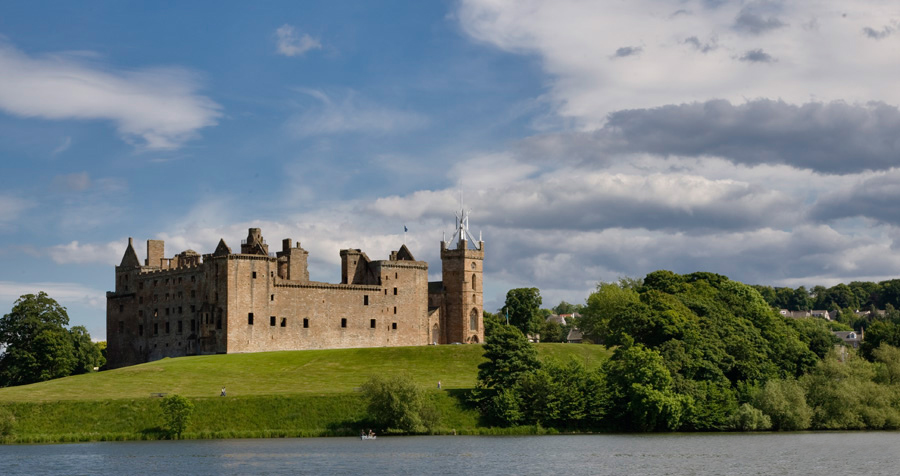
Ruins of the original castle
The remains of the original Renaissance castle offer insight into the construction techniques and defensive features of the late 16th century. Although much of the structure has deteriorated, visitors can observe the layout and some surviving walls that hint at its former scale and design.
The coal mine and tunnel
The coal mine operated by Sir George Bruce was a significant technological achievement of its time. The underground tunnel connecting the mine to the River Forth was one of the earliest known examples of maritime coal transport infrastructure. This tunnel allowed ships to be loaded directly from the mine, bypassing the need for overland transport and reducing costs.
This innovation contributed to the growth of coal as a key resource in Scotland's economy and demonstrated early industrial ingenuity.
Current status and cultural significance
Today, Dunimarle Castle is recognized primarily as a historic ruin with an adjacent well-preserved 18th-century house. The site attracts visitors interested in Scottish history, architecture, and early industrial developments. The castle's location in Culross places it within a region rich in heritage, with other historic buildings and landmarks nearby.
The house's art collection and library reflect the cultural interests of the Erskine family and their role in preserving Scottish heritage. The loan of artworks to the National Galleries museum at Duff House helps maintain the connection between Dunimarle and Scotland's broader artistic traditions.
Visiting Dunimarle Castle
Visitors to Dunimarle Castle can explore the ruins and appreciate the architectural evolution from the Renaissance castle to the 18th-century mansion. The site offers a tangible link to Scotland's noble families, early industrial history, and architectural trends spanning several centuries.
The surrounding area of Culross provides additional attractions, including preserved medieval streets and other historic sites, making Dunimarle Castle a valuable destination for cultural tourism.
Frequently asked questions (FAQ)
- When was Dunimarle Castle originally built?
- Dunimarle Castle was originally constructed around 1575 during the Renaissance period.
- What is unique about the coal mine at Dunimarle Castle?
- The coal mine featured a tunnel leading down to the River Forth, allowing coal to be loaded directly onto ships, an early example of maritime coal transport.
- Who rebuilt the 18th-century house adjacent to Dunimarle Castle?
- The 18th-century house was rebuilt in 1839 by the architects R & R Dickson.
- Can visitors see the original castle ruins at Dunimarle?
- Yes, visitors can explore the ruins of the original Renaissance castle, which still show parts of the walls and layout.
- Where can I find the art collection formerly housed at Dunimarle?
- Some of the fine art from Dunimarle is on temporary loan to the National Galleries museum at Duff House near Banff, North East Scotland.
Information
Loading map...
Visitor reviews
No reviews yet. Been here? Write the first review and help other travelers!
Write the first reviewVisited this castle? Share your experience
Your review helps other travelers and adds first-hand knowledge to our encyclopedia.