Airth Castle
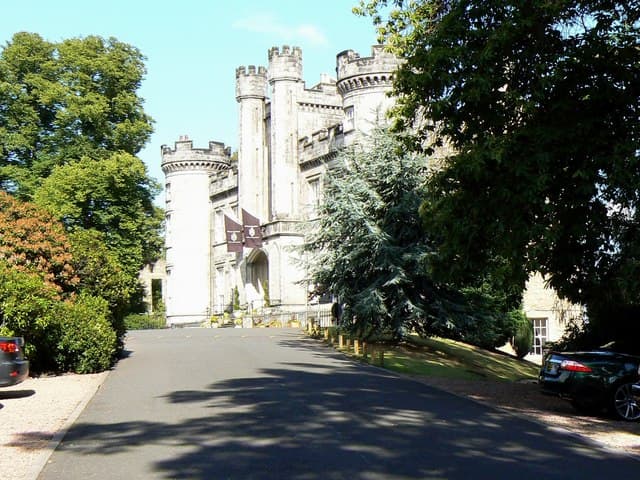
Airth Castle stands prominently overlooking the village of Airth and the River Forth in the Falkirk area of Scotland. This late medieval hill castle has a complex history intertwined with Scotland's turbulent past, including connections to the legendary William Wallace and the political upheavals of the 15th and 18th centuries. The castle's architecture reflects multiple phases of construction and adaptation, preserving significant medieval fabric that offers insight into Scottish castle-building traditions.
The early history and legendary associations
The site of Airth Castle has been of strategic importance since at least the late 13th century. According to an account attributed to the medieval poet Blind Harry, in 1298 William Wallace attacked a previous wooden fortification on this site to rescue his imprisoned uncle, a priest from Dunipace. While this earlier fortification no longer exists, the story underscores the site's longstanding military significance during the Wars of Scottish Independence.
Destruction and rebuilding in the late medieval period
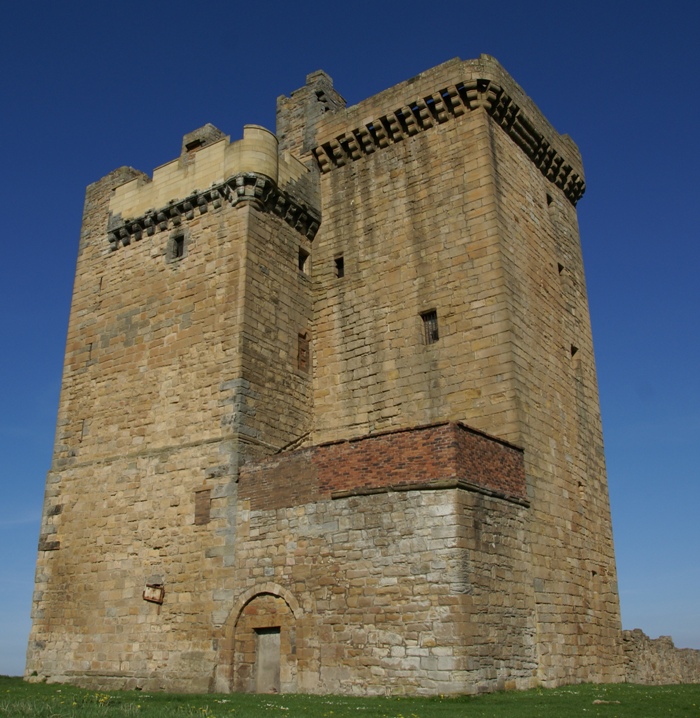
The castle that stands today largely dates from the aftermath of the Battle of Sauchieburn in 1488, where King James III was defeated. The previous castle on the site was destroyed following this conflict. The southwest tower of the current structure is the earliest surviving part, constructed soon after 1488. This tower exemplifies late medieval defensive architecture with its robust stone walls and strategic placement designed to oversee the surrounding landscape and the River Forth.
16th-century expansions
In the mid-16th century, Airth Castle underwent significant expansion with the addition of an east wing. This extension reflects architectural developments of the period, incorporating more comfortable living quarters alongside defensive features. The blend of military and domestic architecture is characteristic of Scottish castles adapting to changing needs during the Renaissance era.
Ownership and political significance
The castle was historically owned by the Bruce family, notable Jacobite sympathizers. Their allegiance to the Jacobite cause led to financial difficulties following the failure of the 1715 rebellion, forcing them to sell the property. This association links Airth Castle to the broader narrative of Jacobite resistance in Scotland and the political struggles of the early 18th century.
Architectural features and preservation
Airth Castle retains much of its medieval fabric, including thick stone walls, towers, and battlements that illustrate its defensive purpose. The southwest tower remains a prominent feature, showcasing the craftsmanship of late 15th-century Scottish masons. The castle's layout includes a courtyard and various chambers adapted over centuries to serve both military and residential functions.
Ruins of the parish church
Within the castle grounds lie the ruins of the former parish church of Airth. These ruins add to the site’s historical depth, reflecting the close relationship between ecclesiastical and feudal powers in medieval Scotland.
Modern use and heritage status
Until 2023, Airth Castle operated as a hotel and spa, allowing visitors to experience its historic ambiance firsthand. The castle's adaptation for modern hospitality preserved much of its character while providing contemporary amenities. It remains a significant cultural landmark in the Falkirk region.
Historic Environment Scotland has designated Airth Castle as a Category A listed building, recognizing its national importance as a well-preserved example of late medieval Scottish castle architecture. This status ensures ongoing protection and conservation efforts to maintain the castle's structural integrity and historical significance.
Location and landscape context
Situated on a hill overlooking the River Forth, Airth Castle commands expansive views of the surrounding lowlands. Its elevated position was a strategic choice, providing natural defense advantages and control over river traffic. The castle's setting contributes to its imposing presence and historical role as a regional stronghold.
Frequently asked questions (FAQ)
- When was Airth Castle originally built?
- Airth Castle was constructed in the 15th century, with the earliest surviving part dating to shortly after 1488 following the destruction of an earlier fortification.
- What is the architectural style of Airth Castle?
- The castle primarily reflects late medieval Scottish defensive architecture, with additions from the mid-16th century that incorporate Renaissance influences.
- Can visitors tour Airth Castle?
- Until 2023, Airth Castle operated as a hotel and spa, allowing visitors to experience its historic atmosphere. Current access may be limited as it is privately owned.
- What historical events is Airth Castle associated with?
- The castle is linked to William Wallace's 1298 attack on a previous fortification, the aftermath of the Battle of Sauchieburn in 1488, and the Jacobite rebellion of 1715 through its owners, the Bruce family.
- Why is Airth Castle designated a Category A listed building?
- It is recognized for its well-preserved medieval fabric and importance as a fine example of late medieval Scottish castle architecture.
Photo gallery

Information
Current owner
Private owner
Loading map...
Visitor reviews
No reviews yet. Been here? Write the first review and help other travelers!
Write the first reviewVisited this castle? Share your experience
Your review helps other travelers and adds first-hand knowledge to our encyclopedia.