Dundas Castle
Dundas Castle stands as a remarkable example of Scottish heritage, combining a fortified medieval keep with elegant 19th-century architecture. Located in West Lothian, Scotland, just eight miles from Edinburgh, this hill castle has a rich history dating back to the 15th century and remains a significant cultural landmark. Its unique blend of defensive and residential architecture reflects centuries of adaptation to changing needs and tastes.
Early origins and medieval fortification
The lands of Dundas were originally granted in the 11th century by King Malcolm Canmore to Gospatrick, Earl of Northumbria, who fled north to escape the Norman conquest. By around 1180, the estate passed to Helias, who adopted the surname Dundas, establishing the family lineage that would dominate the region for centuries. The family's influence grew to encompass much of Mid and West Lothian.
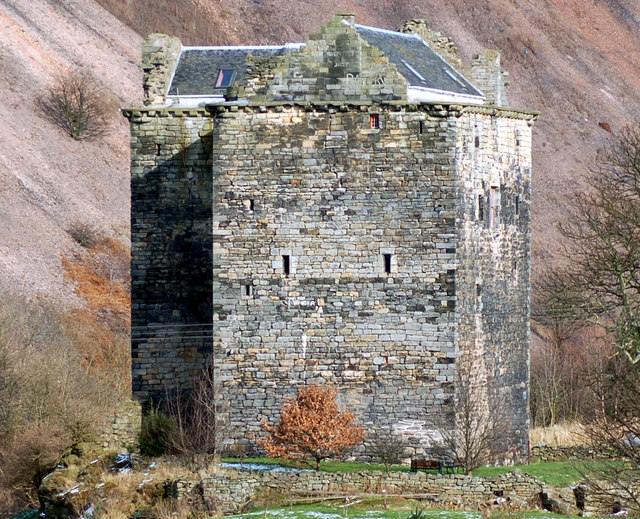
The castle itself began as a defensive stronghold in the early 15th century. In 1416, James Dundas received a licence from the Duke of Albany, then the effective ruler of Scotland, to construct a keep. This initial structure was designed to serve both as a residence and a fortress, embodying the dual purpose of many Scottish tower houses of the period. The keep was expanded in 1436 into an L-plan design, enhancing its defensive capabilities and living space.
The 15th-century keep is built from robust stone, featuring thick walls and a parapet that has been carefully restored to preserve its medieval character. This tower house was typical of late medieval Scottish noble residences, combining security with domestic comfort. The castle's strategic location on a hill provided commanding views over the surrounding countryside, crucial for defense and control.
Notable historical associations
Dundas Castle played a role in 17th-century military history when Oliver Cromwell stayed there around the time of the Battle of Dunbar in 1650. Cromwell's presence is commemorated by a statue outside the original keep, marking the castle's connection to this turbulent period in British history.
During the Second World War, the castle served as the headquarters for protecting the nearby Forth Bridge, underscoring its ongoing strategic importance even in modern times.
19th-century transformation by william burn
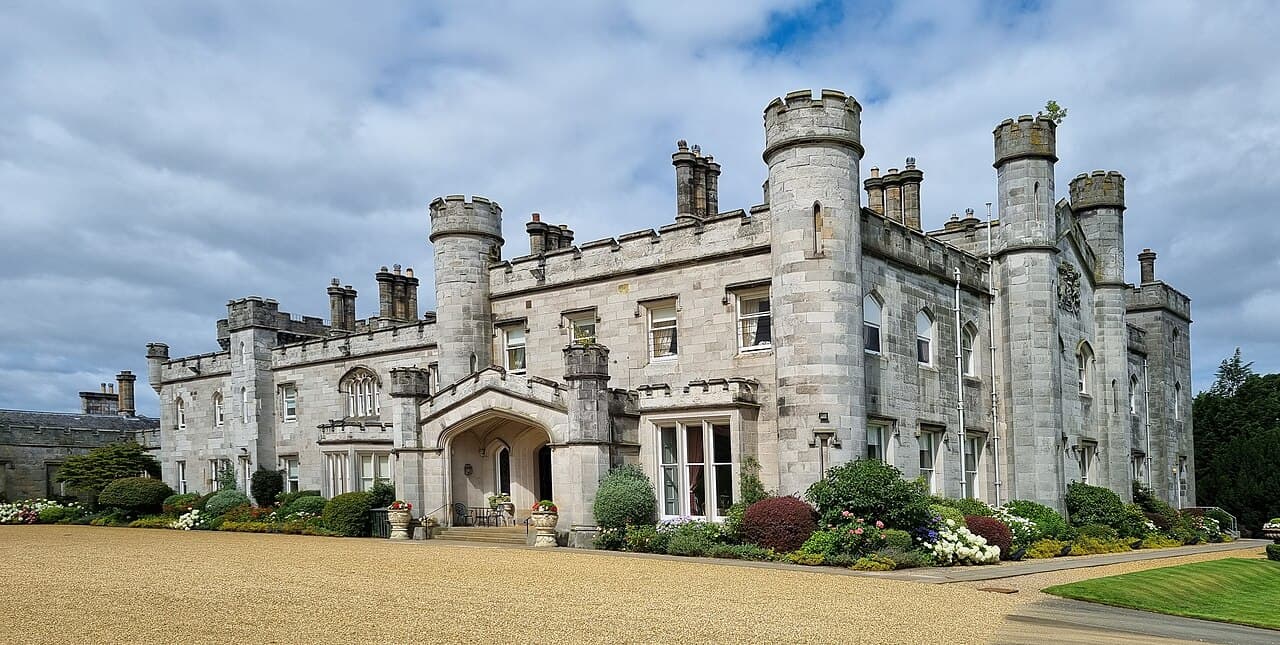
In the early 19th century, the castle underwent significant changes under the direction of the prominent Scottish architect William Burn. Around 1818, the 17th-century portions of the castle were demolished to make way for a new Tudor-Gothic mansion. Burn's design introduced large windows and ecclesiastical architectural elements, inspired by his extensive work on churches. These features allowed for bright, spacious state rooms overlooking the castle's extensive lawns and parkland.
This Tudor-Gothic addition contrasts with the medieval keep, blending historical styles while enhancing the castle's residential comfort. The mansion's stone construction harmonizes with the original tower, creating a cohesive yet architecturally diverse estate.
The extensive renovations were costly, leading to the sale of the castle and its lands in 1875. The estate passed through several owners, including industrialist William Russell and later Stewart Clark, a textile magnate and philanthropist who acquired it in 1899 along with surrounding farmland.
Modern ownership and use
Since 1995, Sir Jack Stewart-Clark, a descendant of Stewart Clark and former Member of the European Parliament, has owned Dundas Castle. Under his stewardship, the castle has been carefully restored and adapted for contemporary use while preserving its historic fabric.
Today, Dundas Castle operates as a 5 Star Exclusive Use venue, offering luxurious accommodations and facilities for weddings, conferences, private events, and corporate functions. The castle's seclusion within its 1000-acre estate provides privacy and exclusivity, making it a sought-after destination for special occasions.
The estate also includes a separate holiday cottage known as the Boathouse, situated on the shore of Dundas Loch, providing additional accommodation within the scenic landscape.
Architectural features and heritage significance
The castle's core, the medieval L-plan keep, retains much of its original defensive character, including thick stone walls and a restored parapet. The juxtaposition of this tower house with the 19th-century Tudor-Gothic mansion designed by William Burn creates a visually striking and historically layered estate.
Both the tower and the mansion are individually designated as Category A listed buildings, highlighting their national architectural and historical importance. The surrounding gardens are listed in the Inventory of Gardens and Designed Landscapes in Scotland, recognizing their designed landscape and heritage value.
The castle combines historic preservation with modern amenities such as electricity, heating, and updated kitchen and sanitation facilities, installed during late 20th-century refurbishments. This careful balance allows visitors and residents to experience the grandeur of the past alongside contemporary comfort.
Visitor experience and cultural importance
Dundas Castle offers an exclusive and private experience, with the entire property available for booking, ensuring no distractions from other guests. Its proximity to Edinburgh and location within tranquil countryside make it an ideal retreat for those seeking both historical ambiance and modern luxury.
The castle's rich history, architectural evolution, and connection to notable historical figures contribute to its cultural significance. It stands as a testament to Scotland's noble heritage and architectural innovation from the late medieval period through the 19th century.
Frequently asked questions (FAQ)
- How do I book Dundas Castle for a private event?
- Dundas Castle operates as a 5 Star Exclusive Use venue and can be booked in its entirety for weddings, conferences, and private events. Contact the castle's management directly through their official website or event coordinators to arrange bookings.
- What architectural styles are visible at Dundas Castle?
- Dundas Castle features a blend of late medieval Scottish tower house architecture in its original keep and 19th-century Tudor-Gothic style in the mansion designed by William Burn. This mix reflects the castle's historical evolution.
- Is Dundas Castle open to the public for tours?
- Dundas Castle is primarily a private venue and is not generally open for public tours. Visits are usually by prior arrangement, often linked to private events or group bookings.
- What is the historical significance of Dundas Castle?
- Dundas Castle has been a prominent Scottish noble residence since the 15th century, associated with the Dundas family lineage, Oliver Cromwell's stay, and its role in the defense of the Forth Bridge during WWII.
- Can I visit the gardens of Dundas Castle?
- The gardens of Dundas Castle are part of the Inventory of Gardens and Designed Landscapes in Scotland, but access is typically limited due to the castle's private ownership and exclusive use policy. Special arrangements may be possible for certain events.
Photo gallery

Information
Sources & official resources
Verify the information above using these authoritative references.
Loading map...
Visitor reviews
No reviews yet. Been here? Write the first review and help other travelers!
Write the first reviewVisited this castle? Share your experience
Your review helps other travelers and adds first-hand knowledge to our encyclopedia.