Doubay Castle
Doubay Castle is a significant high medieval fortress located in Lebanon, known today primarily as archaeological ruins. Constructed in the 12th century, this castle exemplifies the military architecture of the Crusader period in the Levant. Although the exact city or town of its location remains uncertain, Doubay Castle stands as a testament to the strategic importance of fortified structures during the medieval era in this region.
Historical context and significance
During the high medieval period, particularly the 12th century, the Levant was a contested area with frequent conflicts between Crusader states and Muslim forces. Castles like Doubay were built to secure territorial control, protect trade routes, and serve as military strongholds. The construction of Doubay Castle coincided with the height of Crusader influence in Lebanon, reflecting the need for robust fortifications against sieges and raids.
The castle's strategic location would have allowed control over nearby routes and provided a defensive advantage in the rugged Lebanese terrain. While detailed historical records about Doubay Castle are scarce, its remains contribute valuable insight into the Crusader military architecture and settlement patterns in Lebanon.
Architectural features and construction
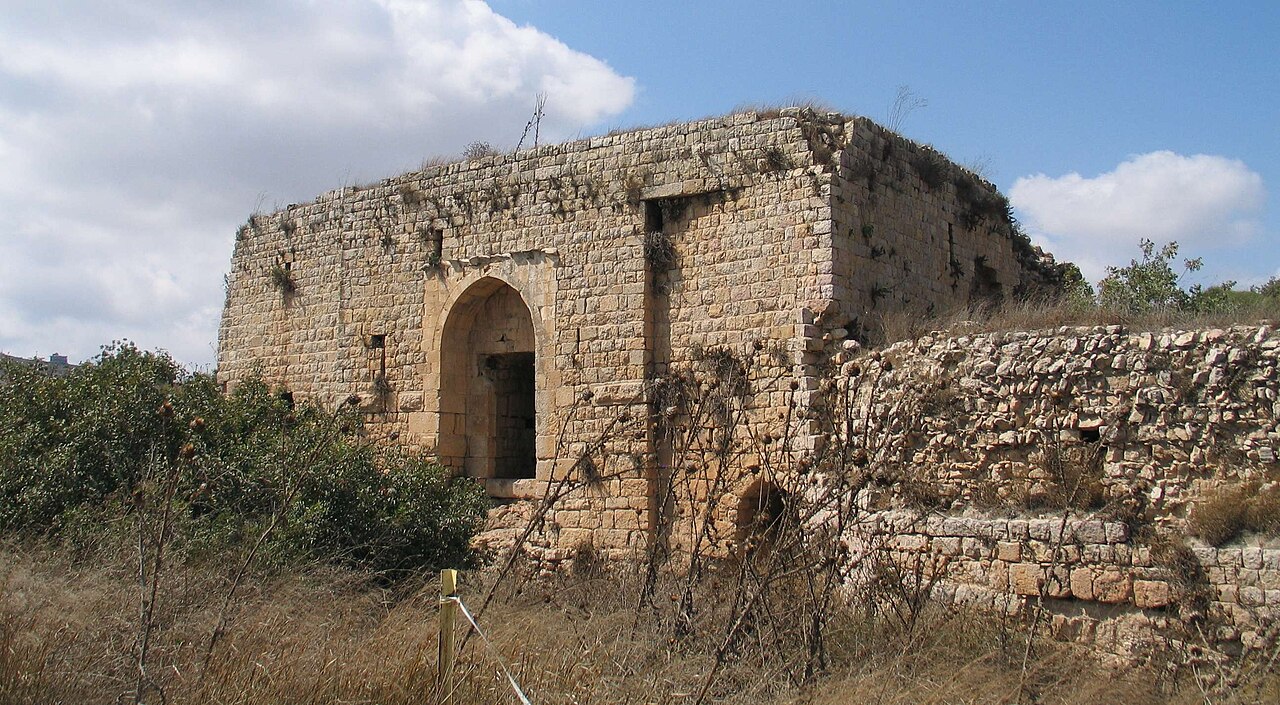
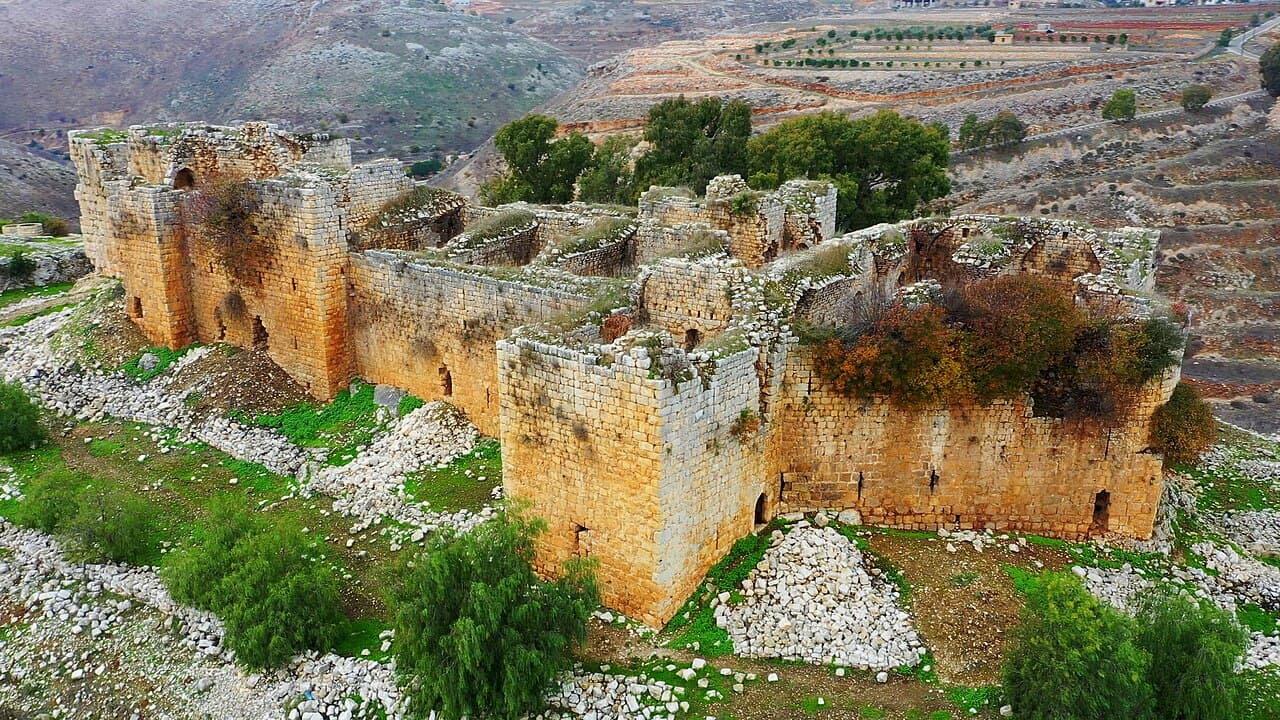
Doubay Castle was constructed primarily from local stone, typical of Crusader castles in the region. The surviving ruins suggest a complex layout with defensive walls, towers, and possibly a keep or donjon, which was common in castles of this period. The 12th-century design likely included thick curtain walls to withstand siege engines and elevated towers for surveillance and defense.
Although much of the structure is now in ruins, archaeological studies have identified remnants of battlements and gatehouses, indicating the castle's role as a fortified stronghold. The castle's design would have incorporated features such as arrow slits, machicolations, and possibly a moat or natural defensive barriers provided by the surrounding landscape.
Defensive elements
The castle's walls were probably reinforced with towers at intervals to provide flanking fire and enhance the defense against attackers. The use of stone masonry and the castle's elevated position would have made it difficult for enemies to breach the defenses. The gatehouse, often the most vulnerable point, was likely heavily fortified with portcullises and murder holes to protect against invaders.
Current condition and preservation
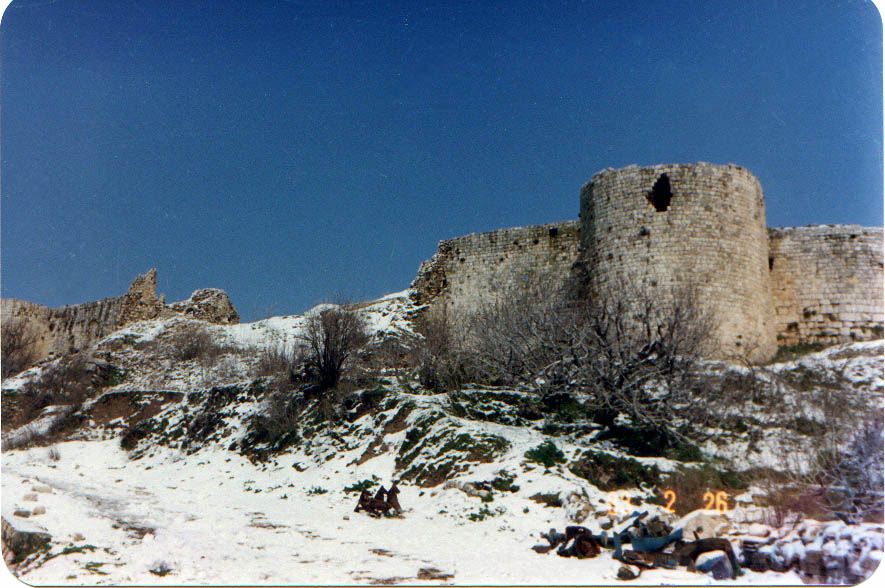
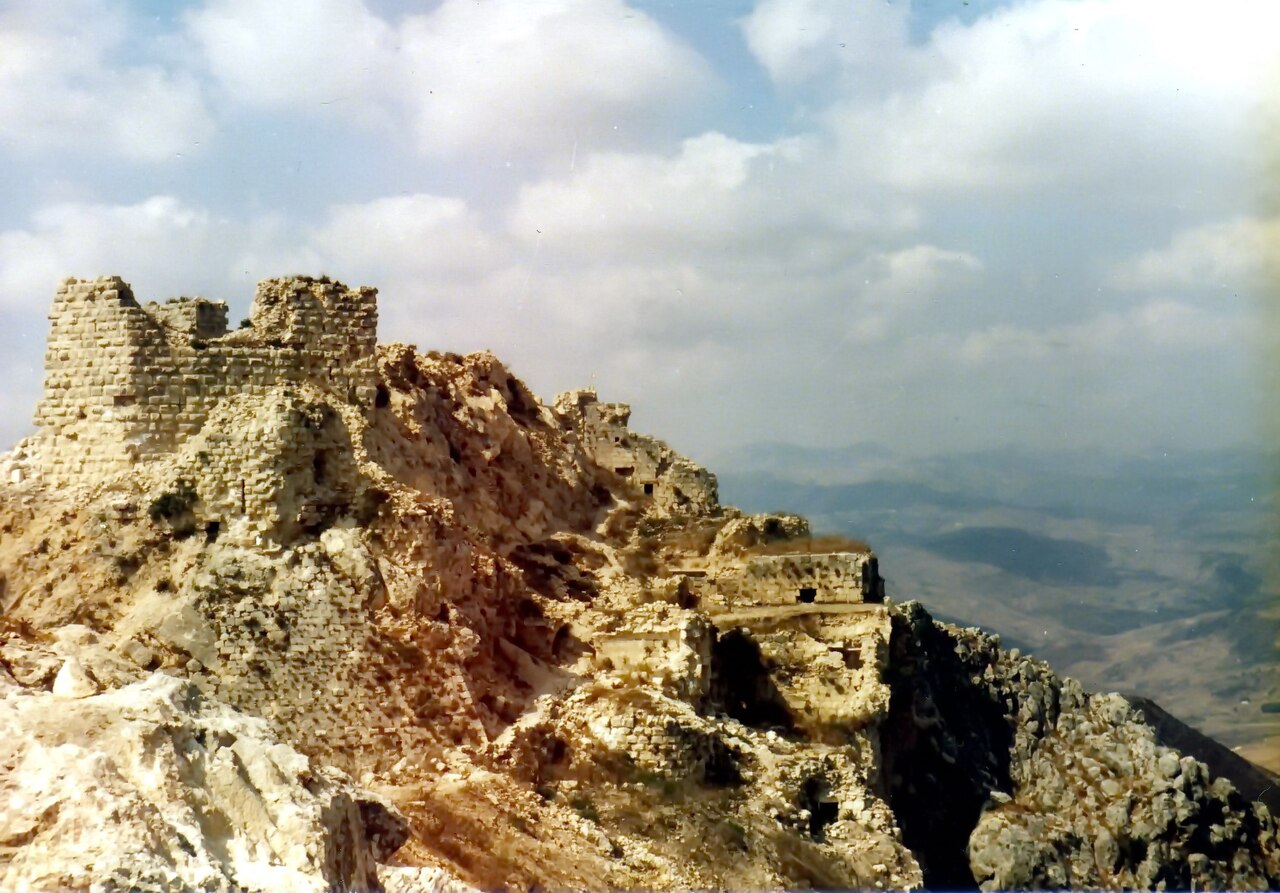
Today, Doubay Castle exists as ruins, with only partial remains of its original structure visible. The site has not been fully restored, but it remains an important archaeological location for understanding medieval fortifications in Lebanon. The ruins provide tangible evidence of the castle's former scale and complexity.
Preservation efforts focus on stabilizing the remaining walls and preventing further deterioration. Visitors to the site can observe the layout and some architectural elements, although much of the castle's original grandeur has been lost over centuries of exposure to natural and human factors.
Visiting Doubay Castle
While detailed visitor information is limited due to the castle's remote location and partial ruin status, Doubay Castle attracts historians, archaeologists, and tourists interested in Crusader history and medieval architecture. The site offers a glimpse into Lebanon's medieval past and the military strategies employed during the Crusades.
Visitors should prepare for a rugged terrain and limited facilities. Exploring the ruins provides an opportunity to appreciate the castle's historical role and architectural ingenuity despite its ruined state.
Legacy and cultural importance
Doubay Castle contributes to Lebanon's rich tapestry of medieval heritage. It stands alongside other Crusader castles in the region, each reflecting the complex history of conflict and cultural exchange during the Middle Ages. The castle's ruins serve as a reminder of the strategic and military challenges faced by medieval societies in the Levant.
As an archaeological site, Doubay Castle offers valuable insights into construction techniques, defensive design, and the historical landscape of 12th-century Lebanon. Its preservation helps maintain a connection to the past and supports ongoing research into medieval fortifications.
Frequently asked questions (FAQ)
- How do I get to Doubay Castle?
- Doubay Castle is located in Lebanon, easily accessible by car or public transport. If you’re driving, you can use GPS navigation to find the best route, and there are parking facilities nearby.
- What is the historical significance of Doubay Castle?
- Doubay Castle dates back to the medieval period and has played a crucial role in the region's history. It was a strategic stronghold during various conflicts and offers insight into the architectural styles and military strategies of its time.
- When was Doubay Castle built?
- Doubay Castle was constructed in the 12th century, during the Crusades. Its architecture reflects the military needs of that era and the cultural influences that shaped Lebanon's history.
- Can I take guided tours of Doubay Castle?
- Yes, guided tours are available at Doubay Castle, providing visitors with in-depth knowledge of its history and architecture. These tours are led by knowledgeable guides who can answer your questions and enhance your experience.
- Why is Doubay Castle popular among tourists?
- Doubay Castle is popular for its rich history, stunning views, and unique architecture. Visitors are drawn to its picturesque location and the opportunity to explore an essential part of Lebanon's heritage.
- Is it possible to visit Doubay Castle year-round?
- Yes, Doubay Castle is open for visitors throughout the year. However, it's best to check for any seasonal events or maintenance schedules that may affect access.
- What are the opening hours for Doubay Castle?
- Doubay Castle typically opens at 9 AM and closes at 5 PM, but these hours may vary depending on the season. It's advisable to check the official website or contact them directly for the most accurate information.
- What are the ticket prices for visiting Doubay Castle?
- Ticket prices for Doubay Castle are generally affordable, with discounts available for students and seniors. Children under a certain age may enter for free, making it a great family-friendly destination.
- What is the best time to visit Doubay Castle?
- The best time to visit Doubay Castle is during the spring and fall when the weather is mild and pleasant. This allows for a comfortable exploration of the castle and its surroundings.
- Are there any nearby attractions to visit along with Doubay Castle?
- Yes, there are several attractions near Doubay Castle, including historical sites and natural parks. Visitors can explore the beautiful landscapes and other cultural landmarks in the area, making for a full day of exploration.
Photo gallery

Information
Loading map...
Visitor reviews
No reviews yet. Been here? Write the first review and help other travelers!
Write the first reviewVisited this castle? Share your experience
Your review helps other travelers and adds first-hand knowledge to our encyclopedia.