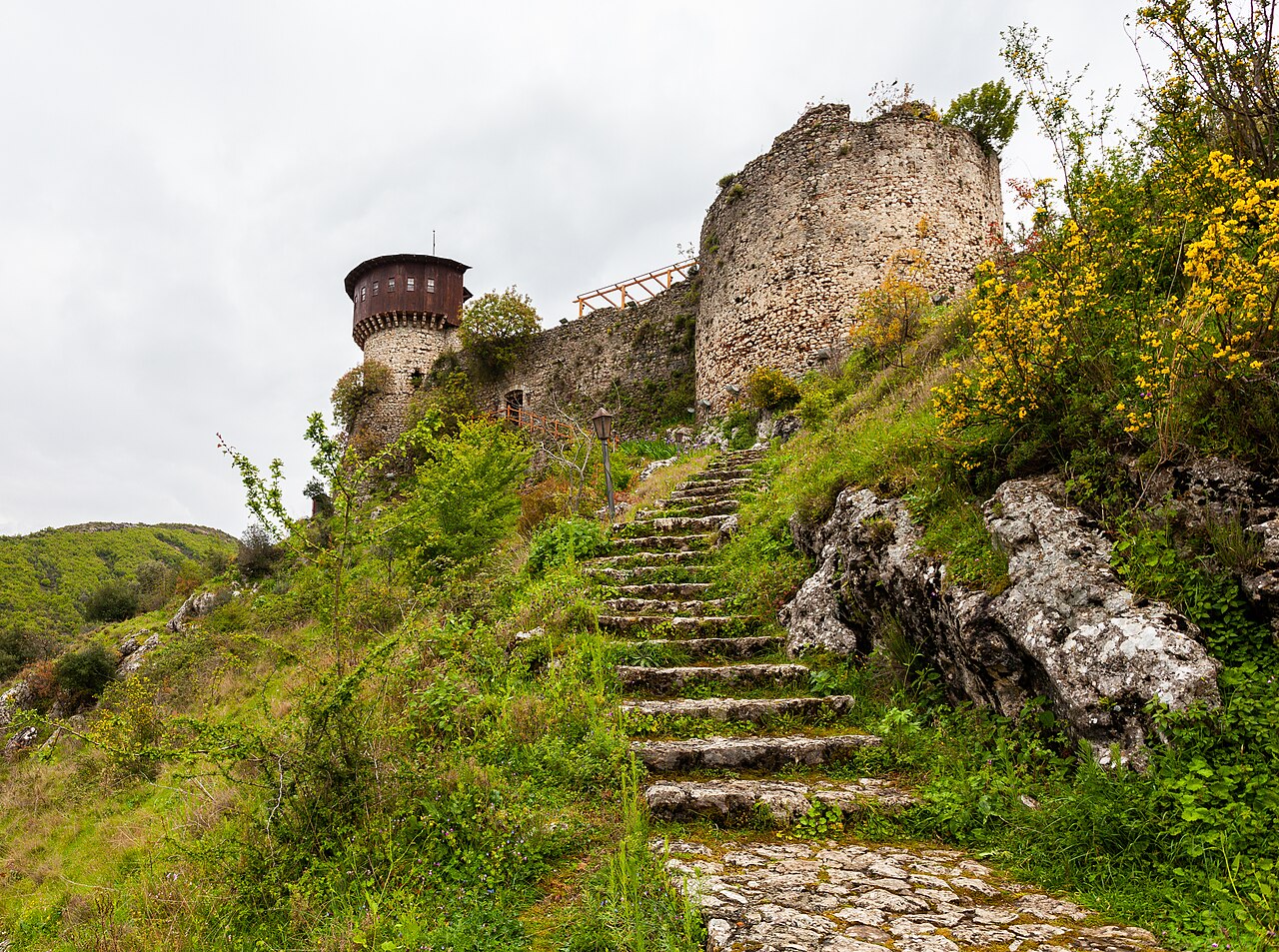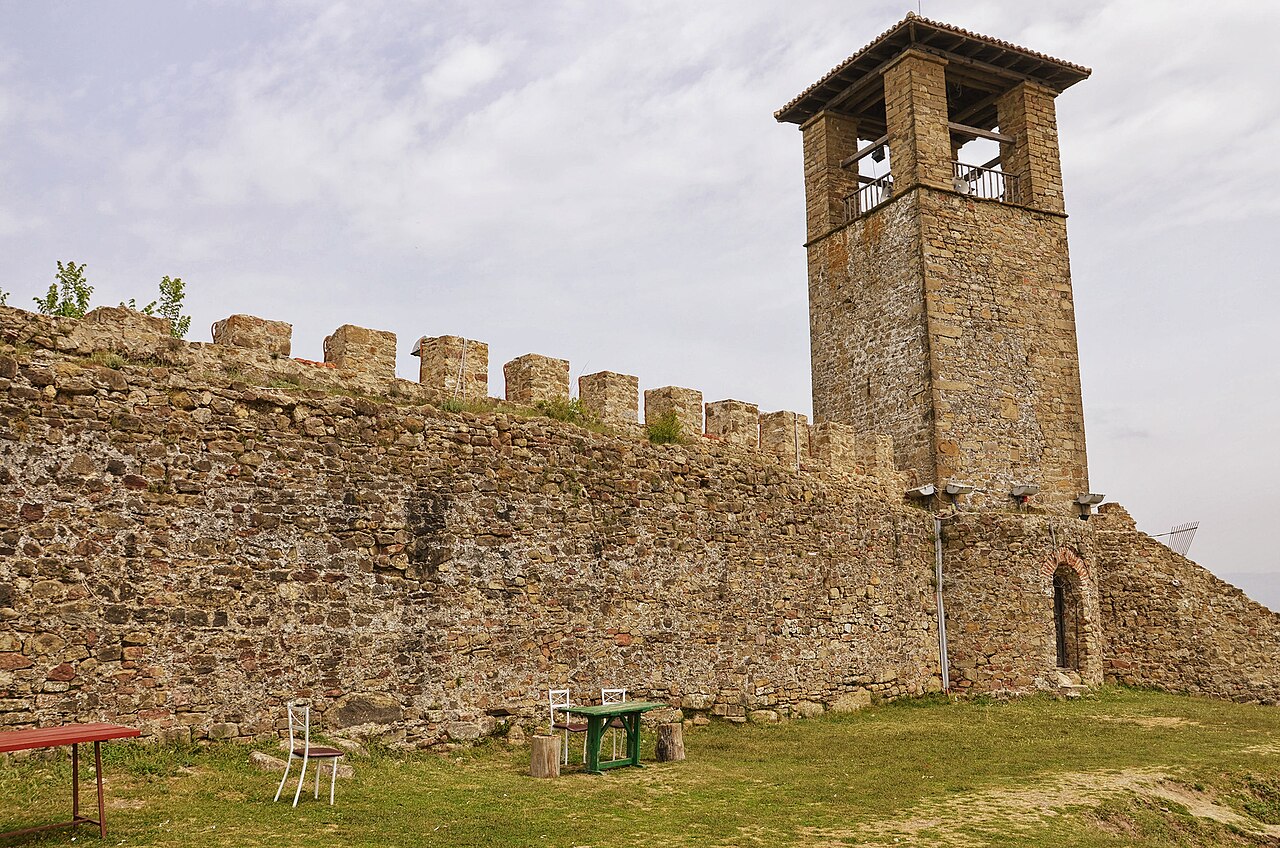
Tirana Castle
Tirana Castle, locally known as Kalaja e Tiranës and also called the Fortress of Justinian (Kalaja e Justinianit), is a significant historical monument located in the heart of Tirana, the capital city of Albania. The castle stands as a rare surviving example of a Byzantine-era bastioned fortress within a modern urban setting, reflecting centuries of complex history and architectural evolution.
The origins of Tirana Castle date back to the Early Byzantine period, most likely between the 4th and 6th centuries AD. It is believed to have been constructed or significantly rebuilt under the reign of Emperor Justinian I (527–565 AD), who was known for his extensive fortification campaigns across the empire. The fortress was strategically positioned at the crossroads of the main east-west and north-south routes, forming the nucleus around which the modern city of Tirana later developed.
Early history and byzantine origins
The castle's initial construction reflects the military and administrative priorities of the Byzantine Empire during a period of frequent invasions and internal strife. Its rectangular plan with round corner towers and square wall towers was typical of fortifications designed to withstand sieges and provide strong defensive capabilities. The fortress's location was crucial for controlling the surrounding region and protecting key communication lines.
Although much of the original structure has been lost over time, archaeological evidence and historical records confirm the castle's significance during the Early Medieval period. The fortress served as a military stronghold and a center of local governance, marking the early urban footprint of Tirana.
Ottoman period transformations and conflicts
During the late 18th century, the fortress underwent substantial changes under Ottoman rule. Ahmet Pasha Bargjini is credited with rebuilding the castle on the ruins of the Byzantine predecessor. This reconstruction adapted the fortress to the evolving military technologies and political realities of the Ottoman Empire.
The castle became a focal point of regional power struggles, especially between the Bargjini and Toptani families. In 1798, the Toptanis seized the castle, initiating a prolonged feud marked by multiple changes of control. The conflict culminated in a devastating five-month siege in 1817, which severely damaged both the fortress and the surrounding settlement.
Following their victory, the Toptani family undertook partial reconstruction efforts and sought to stabilize relations through intermarriage with the Bargjinis. However, in 1832, the Ottoman Grand Vizier Reşid Mehmed Pasha ordered the demolition of the castle, reflecting the empire's shifting military strategies and administrative reforms.
Architectural features and current remains
The original fortress was characterized by its rectangular layout fortified with round corner towers and square wall towers, designed to provide overlapping fields of fire and robust defensive coverage. The surviving sections include a stretch of the northern curtain wall and the foundations of the northeast corner tower and an additional wall tower.
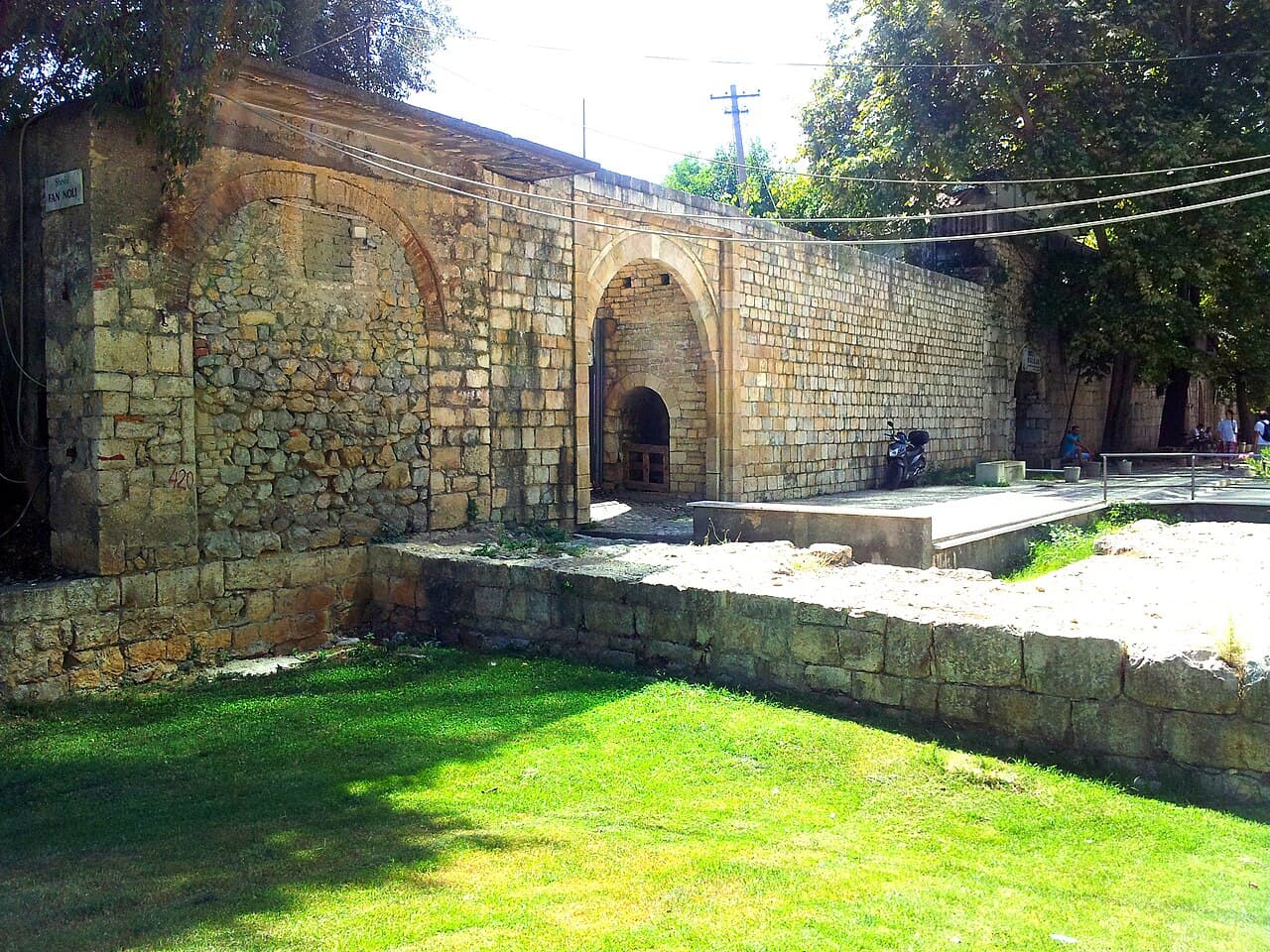
Today, the remains of Tirana Castle are integrated into the urban fabric of the city. The castle precinct serves multiple functions, including residential areas and a bazaar-like shopping center. The most visible remnant above ground is an approximately 6-metre-high Ottoman-era wall covered in vines, symbolizing the layered history of the site.
Recent archaeological efforts have uncovered wall foundations incorporated into the pedestrianized Murat Toptani Street, enhancing public access and awareness of the fortress's historical footprint. Nearby, a mosaic commemorating the 100th Anniversary of Albania's Independence was unveiled close to the Albanian Parliament, linking the site to national identity and heritage.
Cultural significance and preservation efforts
Tirana Castle was officially declared a monument of culture of first category on 10 June 1973, recognizing its importance in Albania's historical narrative. Further protection was granted to the newly discovered wall sections in 2008, emphasizing ongoing efforts to preserve and integrate the fortress remains within the city's development plans.
Restoration and conservation initiatives aim to balance the site's historical integrity with its contemporary use. The castle area now hosts various cultural institutions, restaurants, and hotels, making it a vibrant part of Tirana's urban life while maintaining its historical essence.
Visiting tirana castle today
The remains of Tirana Castle are freely accessible to the public and offer a unique glimpse into the city's ancient and medieval past. While the visible ruins are modest compared to larger European castles, the site provides valuable insight into the Byzantine military architecture and the Ottoman-era transformations that shaped the region.
Visitors can explore the surviving walls and foundations, enjoy the surrounding pedestrian areas, and experience the blend of history and modern urban culture. The castle's central location makes it an easy stop for those interested in Albania's heritage and the evolution of Tirana from a fortified settlement to a bustling capital.
Frequently asked questions (FAQ)
- What is the historical significance of Tirana Castle?
- Tirana Castle, also known as Kalivo, dates back to the 6th century and served as a crucial fortification throughout Albania's history. It was originally built to protect the city from invasions and has undergone several renovations over the centuries, reflecting the architectural styles of different periods.
- When was Tirana Castle built?
- The construction of Tirana Castle is believed to have begun in the 6th century, although the site has seen various fortifications since ancient times. It has served multiple purposes, from military defense to a cultural gathering space, showcasing its importance in Albanian heritage.
- How do I get to Tirana Castle?
- Tirana Castle is conveniently located in the heart of Tirana, making it easily accessible by foot from many central locations. Public transportation options, including buses and taxis, also provide convenient access for visitors.
- What are the opening hours of Tirana Castle?
- Tirana Castle is open to visitors daily, typically from 9 AM to 8 PM. However, it's advisable to check for any seasonal changes in hours or special closures before planning your visit.
- Can I enter Tirana Castle for free?
- Yes, entry to Tirana Castle is generally free, allowing visitors to explore its grounds and appreciate the historical architecture without any cost. However, some specific areas or guided tours may have a fee.
- Is it possible to take guided tours of Tirana Castle?
- Yes, guided tours are available for visitors who wish to learn more about the castle's rich history and architecture. These tours can provide deeper insights and enhance your overall experience.
- What is the best time to visit Tirana Castle?
- The best time to visit Tirana Castle is during the spring (April to June) and fall (September to October) when the weather is pleasant and ideal for exploring. These seasons also tend to have fewer crowds compared to the summer months.
- Are there any nearby attractions to visit after Tirana Castle?
- Yes, after visiting Tirana Castle, you can explore several nearby attractions, including Skanderbeg Square, the National History Museum, and the Et'hem Bey Mosque. These sites offer a rich glimpse into Tirana's cultural and historical landscape.
- What architectural styles can be seen at Tirana Castle?
- Tirana Castle features a mix of architectural styles, showcasing Byzantine and Ottoman influences. The structure's walls, towers, and surrounding buildings reflect the evolution of military architecture over centuries.
Photo gallery

Information
Loading map...
Visitor reviews
No reviews yet. Been here? Write the first review and help other travelers!
Write the first reviewVisited this castle? Share your experience
Your review helps other travelers and adds first-hand knowledge to our encyclopedia.