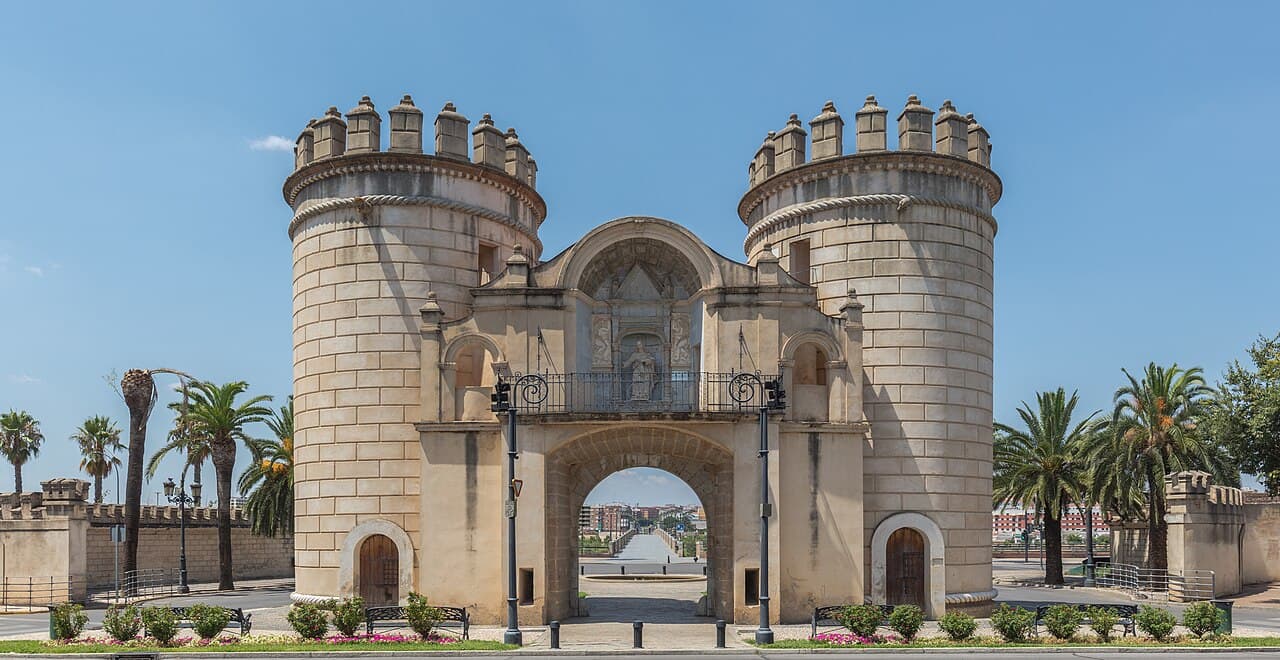
Door of Palmas is a significant bastioned fortress located in Spain, notable for its strategic role in coastal defense and military architecture. This fortress exemplifies the evolution of fortification design during the period when artillery became a dominant force in siege warfare, necessitating the development of bastioned fortifications to better withstand cannon fire and improve defensive capabilities.
Historical context and strategic importance
The Door of Palmas fortress was constructed as part of Spain's extensive network of coastal defenses designed to protect key ports and maritime routes from naval attacks and pirate incursions. Its location, while not precisely identified here, is characteristic of bastioned fortresses built during the early modern period, particularly from the 16th to 18th centuries, when European powers fortified their coastlines to secure trading interests and territorial control.
Spain, during this era, was a dominant maritime power with vast overseas colonies. The need to defend coastal cities and harbors against enemies such as the Ottoman Empire, English privateers, and French forces led to the construction of numerous bastioned fortresses. The Door of Palmas would have played a critical role in these defensive strategies, controlling access to important waterways and serving as a deterrent to hostile fleets.
Architectural features and design
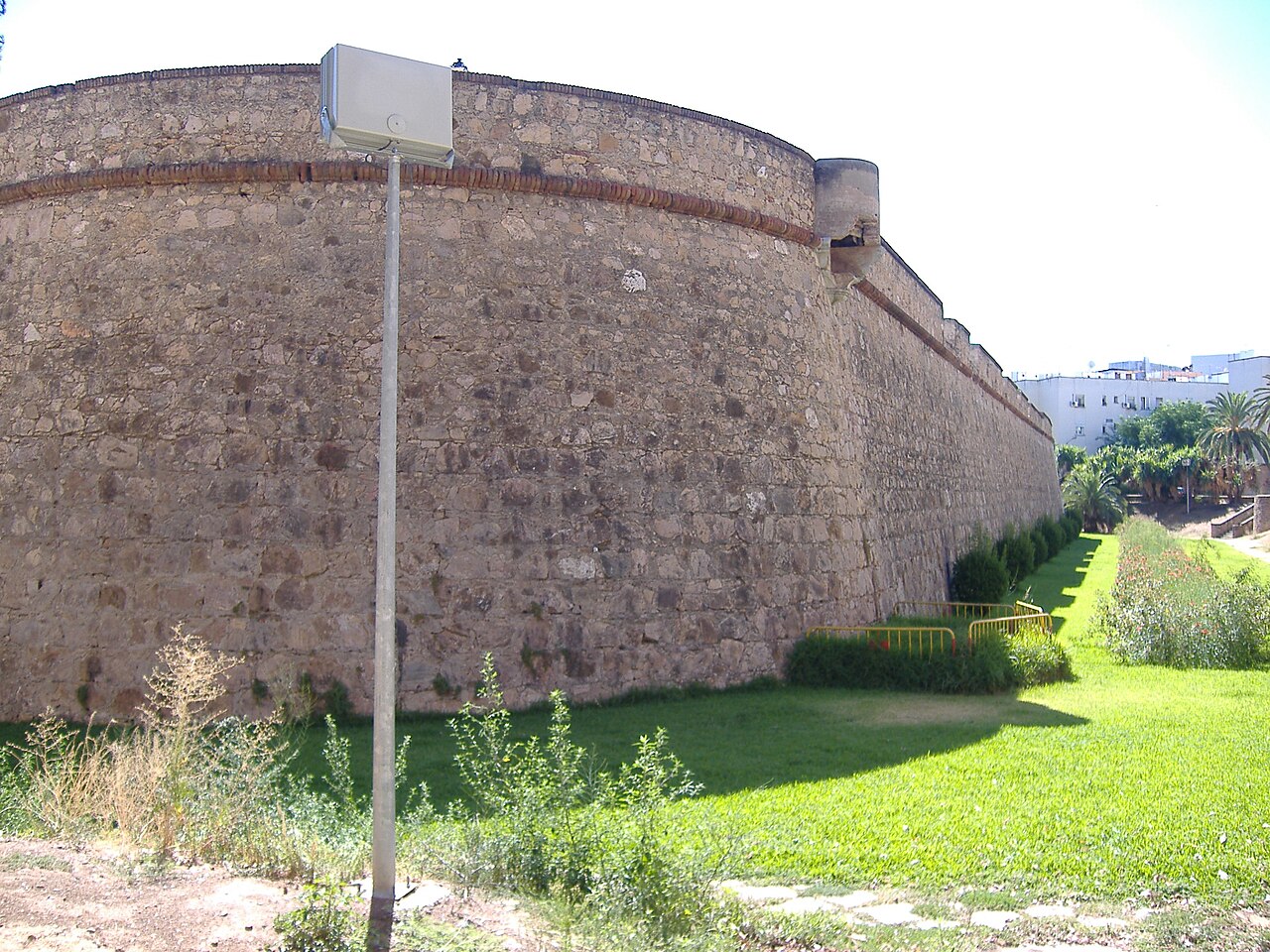
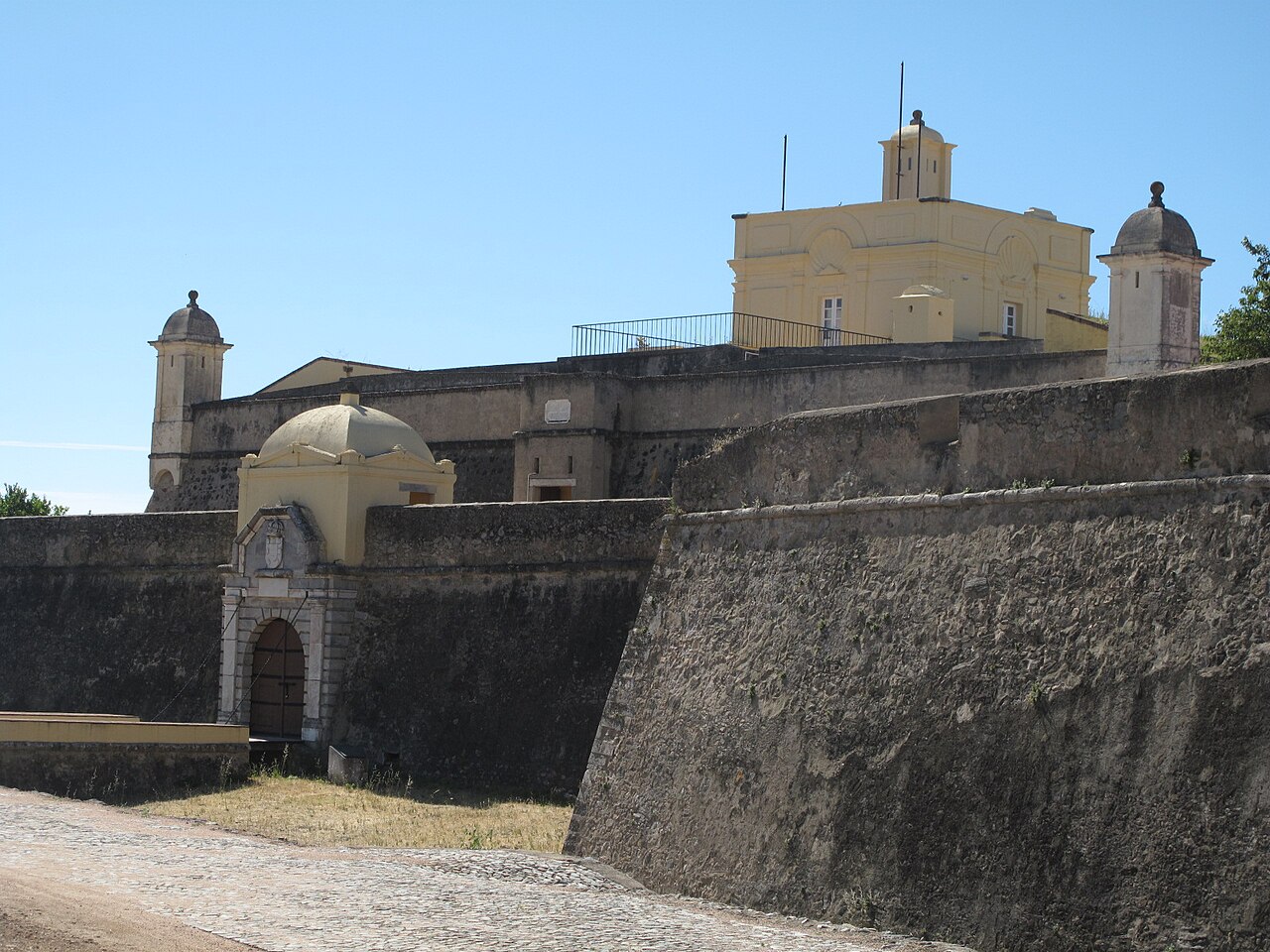
This fortress is an example of the bastioned fortress type, characterized by angular bastions projecting from the main walls, allowing defenders to cover adjacent walls with overlapping fields of fire. This design minimized blind spots and improved the fortress's ability to resist artillery bombardment.
The walls of the Door of Palmas are thick and sloped, constructed to absorb and deflect cannonballs. The bastions themselves are robust, often equipped with artillery emplacements to return fire effectively. The fortress likely includes a moat or other water defenses, a common feature in bastioned fortresses to hinder enemy approach.
Inside, the fortress would have contained barracks, magazines for storing gunpowder and ammunition, command quarters, and possibly a chapel. The layout would be compact yet functional, designed to sustain a garrison during prolonged sieges.
Construction period and style
While the exact construction date of the Door of Palmas is not specified, its classification as a bastioned fortress suggests it was built during the post-medieval period, most likely between the 16th and 18th centuries. This period saw the widespread adoption of the bastion system, influenced by Italian military engineers such as Michelangelo da Caravaggio and Giovanni Battista Calvi.
The architectural style is functional and military in nature, focusing on geometric precision and defensive capability rather than ornamental features. The fortress embodies the principles of early modern military architecture, emphasizing strength, durability, and strategic advantage.
Current condition and preservation
The current condition of the Door of Palmas fortress is not detailed here. However, many bastioned fortresses in Spain have been preserved, restored, or partially restored due to their historical importance and tourism value. Some serve as museums or cultural sites, offering insights into Spain's military history and architectural advancements.
If accessible, visitors to the fortress can observe the thick bastioned walls, the layout of the defensive structures, and any remaining artillery placements. Preservation efforts typically focus on maintaining structural integrity and preventing further decay.
Cultural and heritage significance
The Door of Palmas fortress represents an important chapter in Spain's military and architectural history. It illustrates the adaptation of fortification techniques to new warfare technologies and the strategic importance of coastal defense in protecting the Spanish empire.
As a bastioned fortress, it contributes to the understanding of early modern military engineering and the geopolitical challenges of the time. Such fortresses are often valued as cultural heritage sites, reflecting the historical narratives of conflict, defense, and sovereignty.
Frequently asked questions (FAQ)
- What is the Door of Palmas fortress and where is it located?
- The Door of Palmas fortress is a bastioned fortress located in Spain, built for coastal defense during the early modern period. Its exact city location is unspecified but it served to protect strategic maritime routes.
- When was the Door of Palmas fortress likely constructed?
- The fortress was likely constructed during the post-medieval period, between the 16th and 18th centuries, when bastioned fortresses were common in Spain for defense against artillery attacks.
- What are the main architectural features of the Door of Palmas?
- It features thick, sloped walls and angular bastions designed to withstand cannon fire and provide overlapping fields of defensive fire, typical of bastioned fortresses.
- Can visitors tour the Door of Palmas fortress today?
- Information on public access is not specified, but many similar Spanish bastioned fortresses are preserved and open to visitors as historical sites or museums.
- Why are bastioned fortresses like Door of Palmas important historically?
- They represent advances in military architecture responding to artillery warfare, protecting key coastal areas and illustrating Spain's maritime defense strategies during the early modern era.
Photo gallery

Information
Loading map...
Visitor reviews
No reviews yet. Been here? Write the first review and help other travelers!
Write the first reviewVisited this castle? Share your experience
Your review helps other travelers and adds first-hand knowledge to our encyclopedia.