Donnington Castle
Donnington Castle is a historic hilltop fortress located in the village of Donnington, Berkshire, England. Founded in 1386 by Sir Richard Abberbury the Elder under a royal license from King Richard II, it has witnessed significant historical events and architectural transformations over the centuries. The castle's strategic position on a hill provided commanding views of the surrounding landscape, making it an important defensive site throughout its history.
The castle originally began as a modest fortified manor but was expanded significantly in the early 15th century when it came into the possession of Thomas Chaucer, son of the renowned poet Geoffrey Chaucer. He purchased the castle in 1398 for his daughter Alice Chaucer, who married William de la Pole, 1st Duke of Suffolk, in 1430. Under the Duke's ownership, Donnington Castle was considerably enlarged and fortified, reflecting its status as a noble residence and military stronghold. The castle's architecture from this period included a roughly rectangular curtain wall with multiple towers and a prominent gatehouse, elements typical of late medieval fortifications.
Tudor ownership and royal connections
During the Tudor period, the castle became royal property, passing into the hands of Charles Brandon, 1st Duke of Suffolk, in 1514. Despite its importance, Brandon showed little interest in maintaining the castle, and by the time it reverted to the Crown in 1535, it was already in a state of decay. The castle nonetheless hosted visits from significant Tudor monarchs including King Henry VIII in 1539 and Queen Elizabeth I in 1568. Notably, in 1590, Elizabeth I appointed Elizabeth Cooke (Lady Russell) as the castle's keeper, marking the first time a woman held such a position in England.
Ownership disputes arose in the early 17th century when the castle was granted to Charles Howard, 1st Earl of Nottingham in 1600. Despite legal challenges from Lady Russell, Howard took possession in 1603. This period saw the castle's role shift from a noble residence to a more strategic military site as England moved towards civil conflict.
The english civil war siege and destruction
At the outbreak of the English Civil War, Donnington Castle was owned by the Parliamentarian Parker family. In 1643, Royalist forces under Sir John Boys seized the castle, recognizing its strategic importance. They enhanced its defenses by constructing irregular star-shaped earthwork fortifications designed for artillery defense. These earthworks survive today as prominent banks around the site.
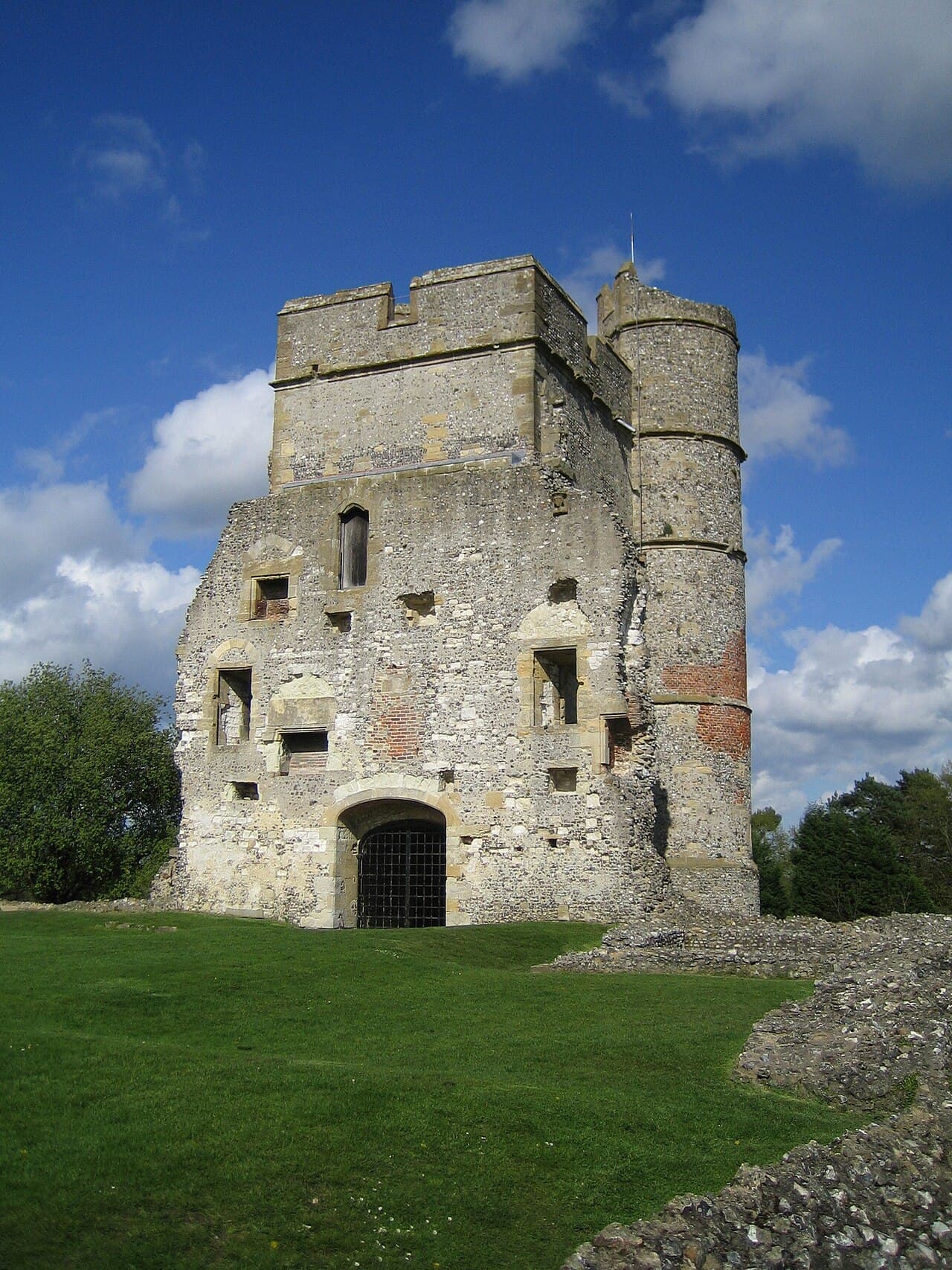
The castle endured an arduous 18-month siege by Parliamentarian forces starting in October 1644. Despite being heavily outnumbered and under constant attack, the Royalist garrison held out until April 1646, when they finally surrendered on honorable terms. Following the surrender, Parliament ordered the deliberate demolition of the castle to prevent its further military use. This demolition left only the iconic slender twin-towered gatehouse standing.
Architectural features and surviving remains
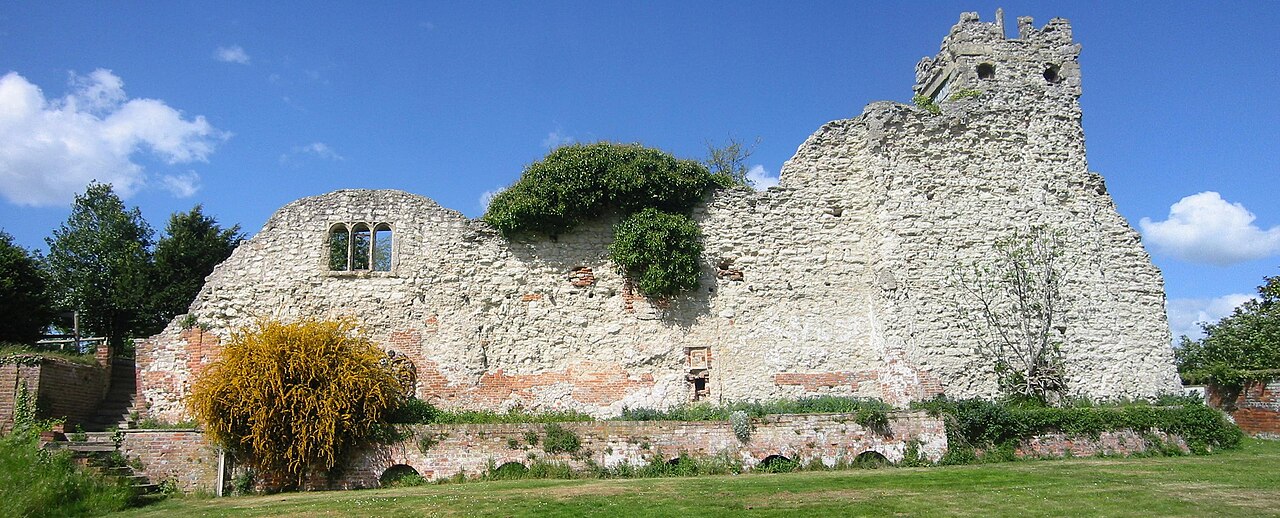
Donnington Castle was originally designed as a roughly rectangular fortress enclosed by a curtain wall featuring four round towers at the corners and two square towers along the east and west walls. The west facade projected irregularly, giving the castle a distinctive silhouette. The courtyard inside the walls measured approximately 67 feet from north to south and 108 feet from east to west, likely containing essential domestic buildings such as a great hall, kitchens, and guest chambers.
The surviving gatehouse is a three-storey structure measuring approximately 17.5 by 11.75 feet internally. It retains its battlements, which are crenellated parapets used for defense. This gatehouse remains the most prominent medieval structure on the site and serves as a tangible link to the castle's fortified past.
Surrounding the castle are the star-shaped earthwork defenses constructed during the Civil War, which represent an early modern adaptation of medieval fortifications to accommodate artillery. These earthen banks rise up to 1.7 meters high and are among the best-preserved examples of such fortifications in England.
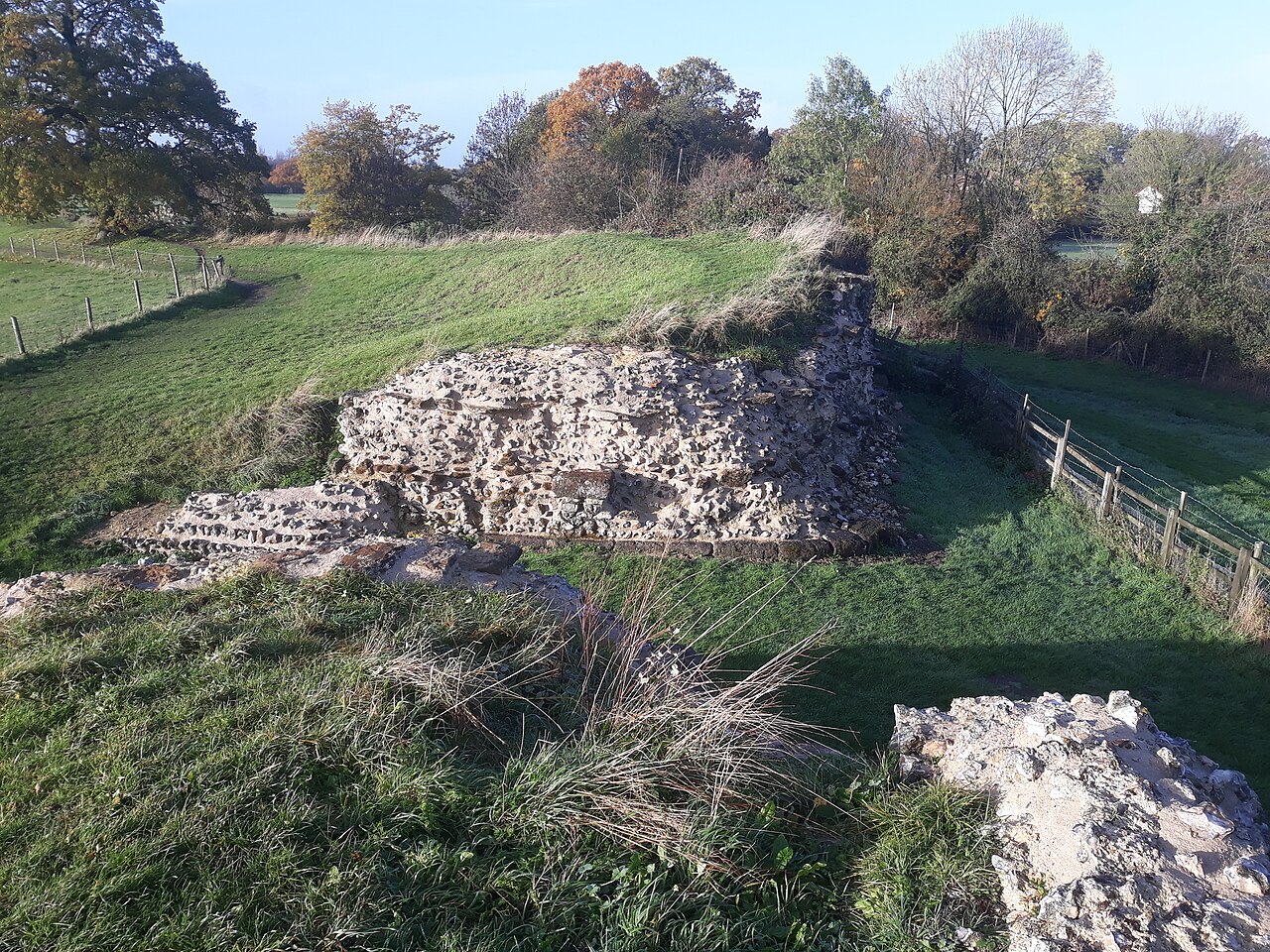
Modern low walls mark the footprint of the original curtain walls and towers, allowing visitors to appreciate the scale and layout of the medieval fortress. The site is protected as a scheduled ancient monument and is maintained by English Heritage, ensuring its preservation for future generations.
Visiting donnington castle today
Today, Donnington Castle is freely accessible to the public, offering visitors the opportunity to explore the historic site and enjoy panoramic views of the surrounding Berkshire countryside. While the gatehouse itself is not open for entry, the remains and earthworks provide a compelling insight into medieval and Civil War military architecture.
The castle's location near the town of Newbury makes it an attractive destination for history enthusiasts and those interested in England's turbulent past. Its combination of medieval origins, Tudor royal connections, and Civil War significance make Donnington Castle a unique and valuable heritage site.
Frequently asked questions (FAQ)
- How do I get to Donnington Castle?
- Donnington Castle is located in the village of Donnington near Newbury in Berkshire. It is accessible by car and public transport, with parking available nearby.
- What are the opening hours for Donnington Castle?
- The castle grounds are open daily from dawn to dusk. The gatehouse is not open to the public, but the site can be freely explored.
- Is there an entry fee to visit Donnington Castle?
- Visiting Donnington Castle is free of charge. There is no ticket required to explore the castle grounds.
- What remains can I see at Donnington Castle?
- Visitors can see the well-preserved twin-towered gatehouse, the outline of the curtain walls marked by low modern walls, and the star-shaped earthwork defenses from the Civil War.
- Why is Donnington Castle historically significant?
- Donnington Castle is significant for its medieval origins, Tudor royal connections, and its role in the English Civil War, including a prolonged siege and subsequent demolition by Parliament.

Information
Opening hours
Open daily, dawn to dusk
Ticket prices
Free
Current owner
English Heritage
Website
Visit websiteSources & official resources
Verify the information above using these authoritative references.
Loading map...
Visitor reviews
No reviews yet. Been here? Write the first review and help other travelers!
Write the first reviewVisited this castle? Share your experience
Your review helps other travelers and adds first-hand knowledge to our encyclopedia.