Wallingford Castle
Wallingford Castle stands as a significant Norman motte-and-bailey fortress located in the historic market town of Wallingford, Oxfordshire, England. Founded shortly after the Norman Conquest, it played a vital role in English medieval history, witnessing numerous sieges, royal residencies, and political upheavals. The castle’s strategic position overlooking a natural crossing of the River Thames made it a key defensive and administrative center for centuries.
The castle’s origins date back to between 1067 and 1071, when the Norman nobleman Robert D'Oyly constructed a timber motte-and-bailey within the corner of an existing Anglo-Saxon burgh. This early fortification capitalized on the town’s pre-existing earthworks, embedding Norman military authority within the local settlement. Ownership soon passed to Miles Crispin, Robert’s son-in-law, before coming under the control of Brian Fitz Count in the 1130s, a key supporter of King Henry I and later Empress Matilda during the civil war known as the Anarchy (1135–1153).
Medieval transformation and military significance
In the early 12th century, Brian Fitz Count undertook a major stone reconstruction of the castle, replacing the original timber defenses with a stone shell keep atop the motte and a robust curtain wall around the bailey. These fortifications were complemented by extensive earthworks, making Wallingford one of the most formidable royal castles of its time. During the Anarchy, the castle was a royalist stronghold for Empress Matilda, enduring multiple sieges by King Stephen’s forces in 1139, 1146, and 1152. Despite Stephen’s efforts, including the construction of siege castles to blockade it, Wallingford remained unconquered, underscoring its defensive strength.
The Treaty of Wallingford in 1153 ended the civil war, transferring control of the castle to the future King Henry II. Henry II further strengthened and repaired the castle during the 1170s and 1180s, solidifying its role as a key royal fortress. His successor, King John, also used Wallingford extensively, reinforcing the defenses and maintaining a significant garrison to secure this strategic site.
Residence of nobles and royal prison
In 1231, the castle was granted to Richard, 1st Earl of Cornwall, brother of King Henry III, who made it his principal residence. Richard enhanced Wallingford with a large hall and luxurious fittings, reflecting its dual role as a military fortress and a noble home. The castle saw action during the Second Barons’ War around 1264, when it was seized by Simon de Montfort and used to imprison members of the royal family. After the war, it reverted to royal control and continued to serve as the residence of the Earls of Cornwall.
Throughout the early 14th century, Wallingford Castle functioned as a royal prison. King Edward II used it to detain political prisoners, and following his overthrow, his wife, Isabella of France, operated from Wallingford during her invasion of England. The castle’s prison was notorious, with accounts of prisoner torture audible to the nearby town. Despite some escapes, the castle remained well fortified and in good condition as late as 1399.
Decline and civil war siege
By the 15th century, Wallingford’s military importance waned, and it gradually fell into decline. In the 16th century, much of the castle was dismantled for building materials, notably for use at Windsor Castle. By 1540, it was described as ruinous. However, during the English Civil War (1642–1646), the castle was refortified on the orders of King Charles I. Under Colonel Thomas Blagge’s command, Wallingford withstood a Parliamentary siege in 1645 but surrendered after a 16-week siege in 1646. Subsequently, Parliament ordered the slighting of the castle in 1652 to prevent further military use, leading to the destruction of most fortifications.
Architectural features and archaeological remains
Wallingford Castle was originally designed as a motte-and-bailey structure, with a large man-made motte approximately 60 meters across and 13 meters high, strategically placed near the River Thames. The 12th-century stone shell keep atop the motte was a circular defensive wall providing a stronghold for the lord’s residence. The curtain wall surrounding the bailey, combined with extensive earthworks, created a formidable defensive perimeter.
The castle also included St Nicholas College, a religious institution housing sixteen priests, reflecting the castle’s ecclesiastical as well as military significance. Residential improvements in the 13th century by Richard, Earl of Cornwall, introduced a large hall and luxurious fittings befitting a noble residence.
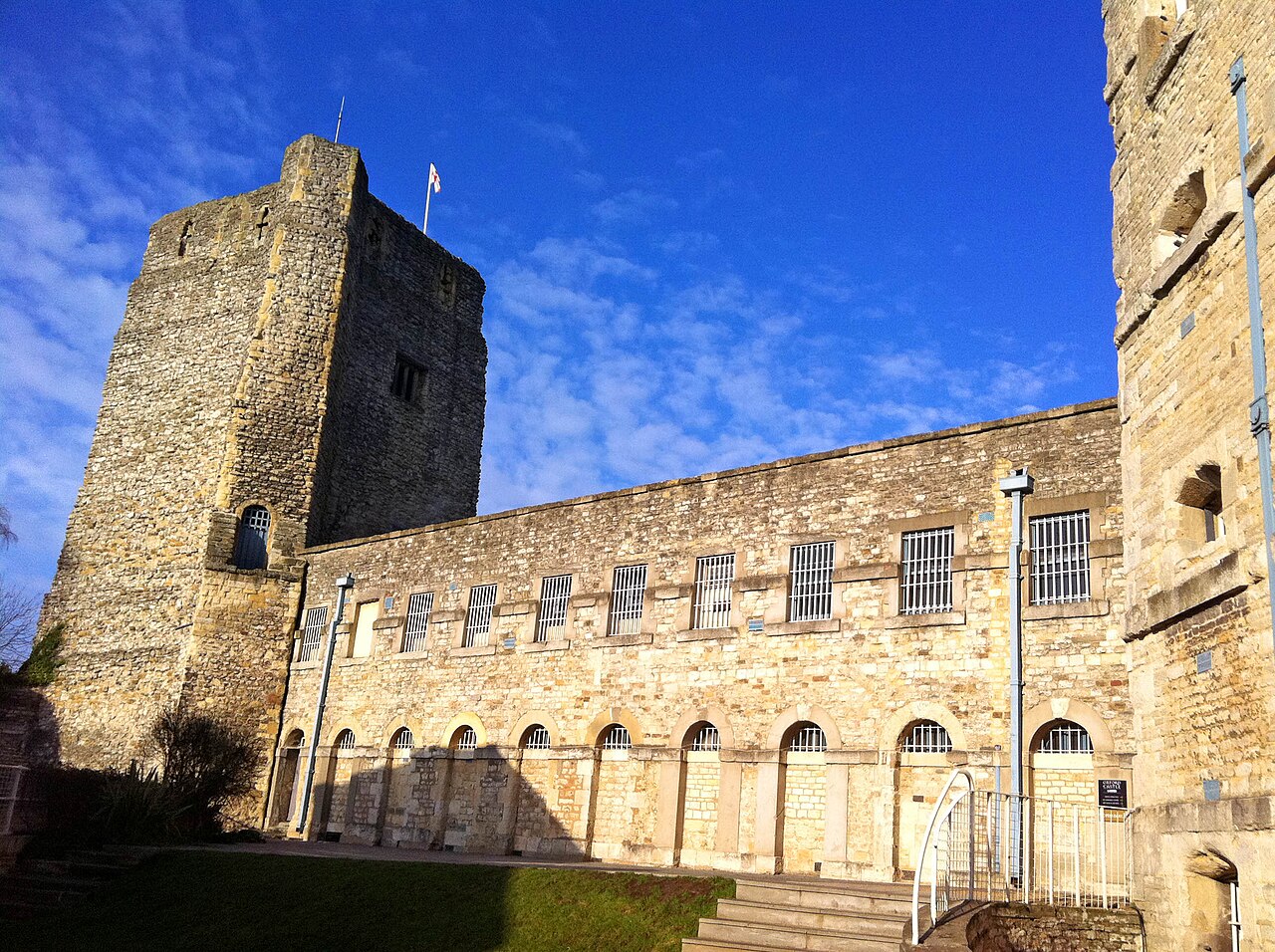
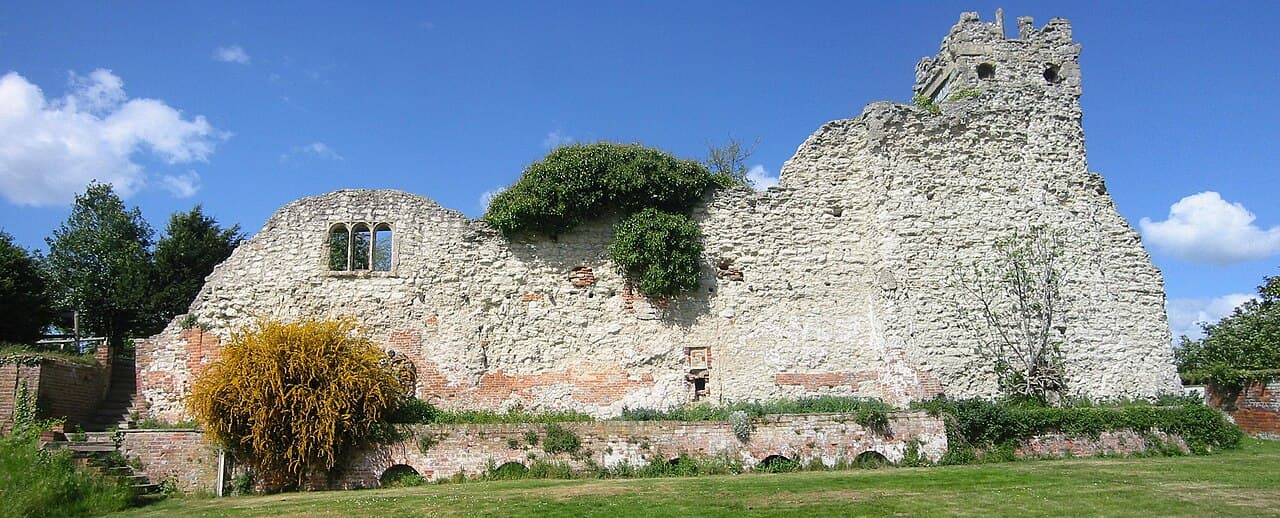
Despite extensive destruction during the Civil War slighting, surviving remains include sections of the castle walls, the large motte mound, and the foundations of St Nicholas College. Archaeological excavations between 2002 and 2010, supplemented by the Round Mounds Project in 2015–2016, have provided valuable insights into the castle’s Norman origins and medieval development. Today, the site is a scheduled monument and Grade I listed, preserved as a public park accessible to visitors interested in England’s rich medieval heritage.
Legacy and public access
Today, Wallingford Castle’s site offers a tangible connection to England’s Norman and medieval past. Although much of the original structure has been lost, the surviving earthworks and ruins allow visitors to appreciate the scale and strategic importance of this historic fortress. The public park setting provides free access to the castle grounds, encouraging exploration and education about the castle’s multifaceted history as a military stronghold, noble residence, and prison.
Interpretive signage and ongoing archaeological research continue to enhance understanding of Wallingford Castle’s role in shaping the political and social landscape of medieval England. Its story reflects the broader narrative of Norman conquest, civil war, and royal power struggles that defined the medieval period.
Frequently asked questions (FAQ)
- How do I get to Wallingford Castle?
- Wallingford Castle is conveniently located in the town of Wallingford, accessible by public transportation and car. The nearest train station is Wallingford Railway Station, which is within walking distance of the castle. There are also parking facilities nearby for those traveling by car.
- What is the historical significance of Wallingford Castle?
- Wallingford Castle has a rich history dating back to the 11th century and was an important royal residence in medieval England. It played a significant role during the civil wars of the 12th century and was associated with notable figures such as King Henry I. The castle's ruins offer a glimpse into the architectural and political history of the period.
- When was Wallingford Castle built?
- Wallingford Castle was originally built in 1067 as a motte-and-bailey castle shortly after the Norman Conquest. Over the centuries, it underwent various modifications and expansions, particularly during the reign of King Henry II. The castle's remaining structures reflect the evolution of medieval military architecture.
- Can I visit Wallingford Castle year-round?
- Yes, Wallingford Castle is open to visitors year-round, although opening hours may vary by season. It is advisable to check the official website for the most current information regarding visitor hours and any special events. The castle grounds are an ideal place for a leisurely stroll and exploration.
- Why is Wallingford Castle a popular tourist attraction?
- Wallingford Castle attracts visitors due to its fascinating history, impressive ruins, and beautiful location along the River Thames. The site offers educational opportunities for history enthusiasts and families alike, making it a great outing. Additionally, the scenic surroundings enhance the overall experience, making it a picturesque destination.
- Is it possible to access the castle with a wheelchair?
- While Wallingford Castle has some accessible pathways, certain areas may pose challenges for wheelchair users due to uneven terrain and historic features. It is recommended to contact the castle's visitor services for detailed accessibility information and assistance options. They are committed to ensuring all visitors have a pleasant experience.
- What are the ticket prices for Wallingford Castle?
- Ticket prices for Wallingford Castle are generally affordable, with discounts available for children, seniors, and families. Admission fees help support the maintenance and preservation of the historic site. For the latest pricing information, visitors should refer to the official website before their trip.
- When is the best time to visit Wallingford Castle?
- The best time to visit Wallingford Castle is during the spring and summer months when the weather is pleasant and the gardens are in full bloom. Additionally, the castle often hosts special events and activities during these times. However, visiting in the autumn can also provide a beautiful backdrop with changing leaves.
- Are there any nearby attractions to Wallingford Castle?
- Yes, Wallingford Castle is located near several attractions, including the River Thames, where visitors can enjoy scenic walks and boat trips. The town of Wallingford itself offers charming shops, cafes, and historic sites, making it a perfect day trip destination. Other nearby attractions include the stunning Chiltern Hills and the historic towns of Oxford and Henley-on-Thames.
Photo gallery

Photo by Pitou250•Public domain
Information
Website
Visit websiteSources & official resources
Verify the information above using these authoritative references.
Loading map...
Visitor reviews
No reviews yet. Been here? Write the first review and help other travelers!
Write the first reviewVisited this castle? Share your experience
Your review helps other travelers and adds first-hand knowledge to our encyclopedia.