Calleva Atrebatum
Calleva Atrebatum, known as "Calleva of the Atrebates," was originally an Iron Age oppidum serving as the capital of the Atrebates tribe in southern Britain. This settlement later evolved into a Roman walled town during the Roman occupation of Britannia, strategically located at a major crossroads of Roman roads in the region. The site offers valuable insight into the transition from Iron Age tribal centers to Roman urban planning in Britain.
Location and historical context
The remains of Calleva Atrebatum lie near the modern village of Silchester in Hampshire, England, approximately a mile east of the village center. The site is situated within the Basingstoke and Deane district and is part of the historic county of Hampshire. The ancient town's walls enclose an area that includes the village's parish church of St Mary the Virgin, which stands just inside the original Roman fortifications. The amphitheatre associated with Calleva lies in the adjacent civil parish of Mortimer West End.
Iron age origins and oppidum characteristics
Before Roman conquest, Calleva Atrebatum was a significant Iron Age oppidum, a large fortified settlement typical of the late Iron Age in Britain. As the capital of the Atrebates tribe, it functioned as a political and economic center. The oppidum featured defensive earthworks and ramparts that enclosed the settlement, reflecting the tribal need for protection and control over trade routes.
Tribal significance
The Atrebates were a Celtic tribe inhabiting the area before and during the early Roman period. Calleva served as their main settlement, playing a central role in regional governance and trade. The oppidum's location allowed control over important local routes, facilitating commerce and communication among tribes and later with Roman authorities.
Roman transformation and urban development
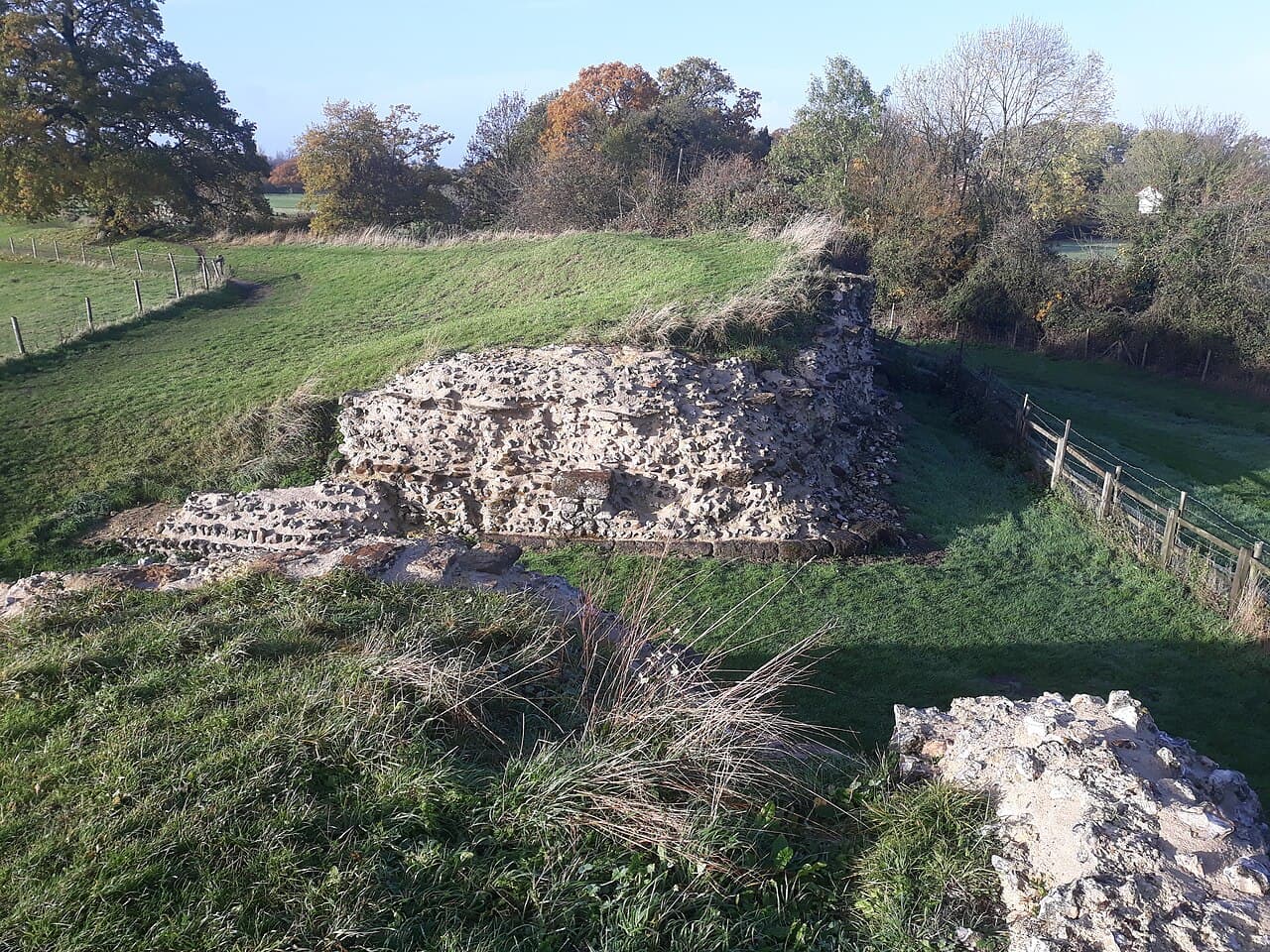
Following the Roman conquest of Britain in the 1st century AD, Calleva Atrebatum was transformed into a Roman walled town. The Romans constructed substantial stone walls with gates and towers, enclosing the town and defining its urban layout. This transformation marked a shift from tribal fortification to a planned Roman municipal center.
Roman architecture and infrastructure
The Roman town featured typical elements of Roman urban design, including a grid street plan, a forum, public baths, and an amphitheatre. The walls were built of flint and mortar, reinforced with stone, and included several gates controlling access. The amphitheatre, located outside the main enclosure, was used for public entertainment and military training exercises.
Road network and strategic importance
Calleva was situated at a crossroads of major Roman roads, including the route from London (Londinium) to Bath (Aquae Sulis) and the road to Silchester. This position enhanced its role as a commercial hub and military staging post, facilitating movement of troops, goods, and information across southern Britain.
Archaeological significance and preservation
The site of Calleva Atrebatum is one of the best-preserved Roman towns in Britain, with extensive archaeological remains visible above ground. Excavations have revealed the layout of streets, buildings, and defensive structures, providing valuable data on Roman urban life and military architecture. The amphitheatre and town walls remain prominent features.
Modern conservation and access
Today, much of the Calleva site lies within the civil parish of Silchester, with ongoing efforts to preserve and study the ruins. The parish church of St Mary the Virgin, located within the ancient walls, continues to serve the local community. Visitors can explore the remains and learn about the site's history through local museums and guided tours.
Frequently asked questions (FAQ)
- What is Calleva Atrebatum?
- Calleva Atrebatum is an ancient Roman town located in the United Kingdom, known for its well-preserved ruins and historical significance. It served as a major settlement during the Roman occupation and features remnants of its impressive fortifications, streets, and buildings.
- When was Calleva Atrebatum established?
- Calleva Atrebatum was established around AD 43 during the Roman conquest of Britain. The site remained an important urban center for several centuries, showcasing the architectural and cultural influences of Roman Britain.
- Can I visit Calleva Atrebatum?
- Yes, Calleva Atrebatum is open to visitors who wish to explore its historical ruins and learn about Roman history. The site offers guided tours and informative signage to enhance the visitor experience.
- What are the opening hours for Calleva Atrebatum?
- Calleva Atrebatum typically opens from 10 AM to 5 PM daily, but it's recommended to check the official website for any seasonal changes or special events. Planning your visit during these hours will ensure you have ample time to explore.
- Is there an admission fee to enter Calleva Atrebatum?
- Yes, there is a nominal admission fee for visitors to Calleva Atrebatum, which helps maintain the site and support ongoing archaeological efforts. Discounts may be available for students, seniors, and families, so it's worth checking in advance.
- What is the best time to visit Calleva Atrebatum?
- The best time to visit Calleva Atrebatum is during the spring and early autumn when the weather is mild, and the site is less crowded. Visiting during these seasons allows for a more enjoyable experience as you explore the ruins and surrounding landscapes.
- Is Calleva Atrebatum accessible for individuals with disabilities?
- Yes, Calleva Atrebatum strives to be accessible to all visitors, including those with disabilities. The site features pathways and areas that accommodate wheelchairs, although some parts of the ruins may be uneven, so it's advisable to plan accordingly.
- What nearby attractions can I visit after Calleva Atrebatum?
- After visiting Calleva Atrebatum, consider exploring nearby attractions such as the Silchester Roman City Walls and the picturesque countryside of Hampshire. The area is rich in history and natural beauty, making it perfect for a full day of exploration.
Photo gallery

Information
Loading map...
Visitor reviews
No reviews yet. Been here? Write the first review and help other travelers!
Write the first reviewVisited this castle? Share your experience
Your review helps other travelers and adds first-hand knowledge to our encyclopedia.