Dolbadarn Castle
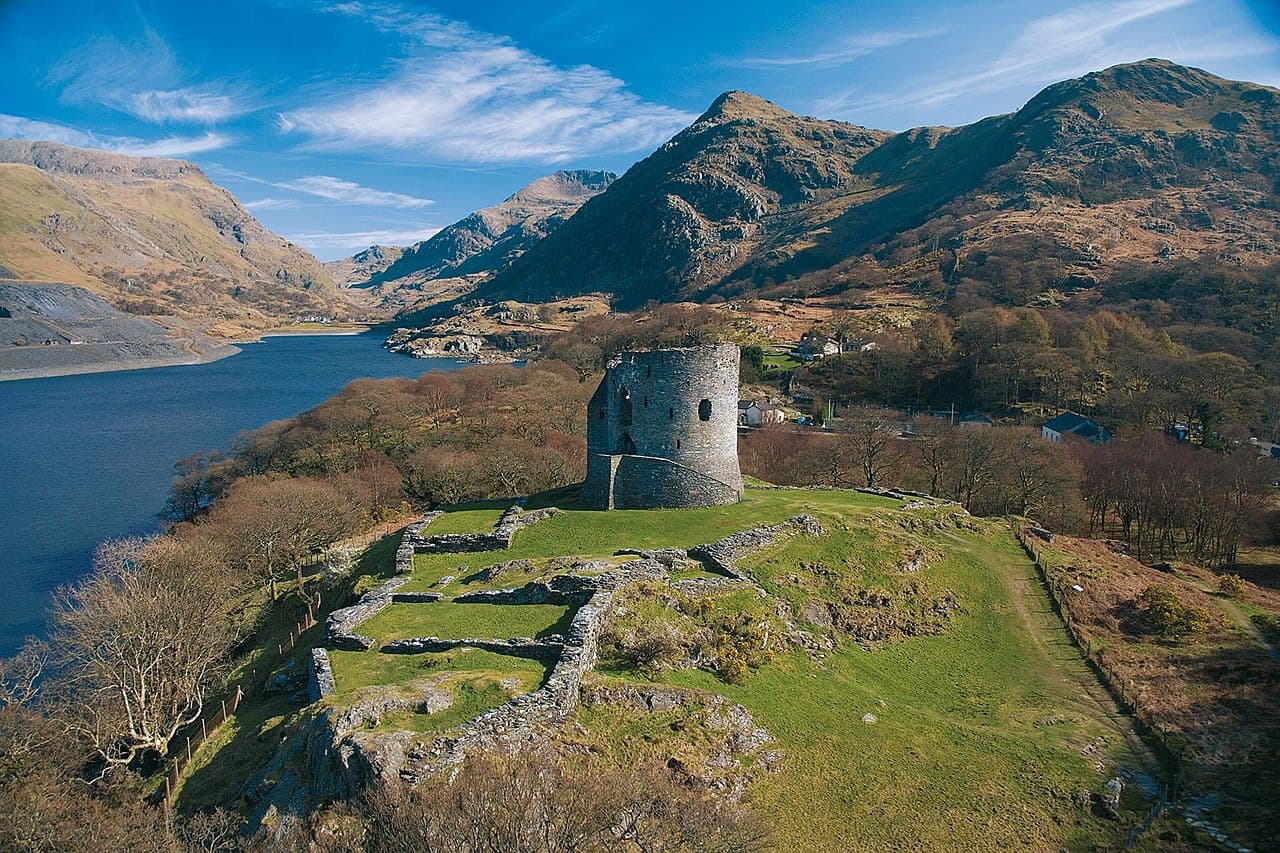
Dolbadarn Castle stands as a remarkable example of early 13th-century Welsh military architecture, built by the powerful Prince Llywelyn the Great during the High Medieval period. Situated strategically at the base of the Llanberis Pass in Gwynedd, Wales, the castle was designed both for defense and as a potent symbol of Llywelyn's authority over northern Wales. Its commanding position overlooking the Loch of Llyn Padarn allowed control of a vital mountain pass, reinforcing the prince’s dominance in the region.
Historical context and significance
Before Dolbadarn's construction, Welsh princes traditionally resided in open, undefended royal courts known as llysoedd. The emergence of Dolbadarn marked a pivotal shift towards stone fortifications inspired by Norman and Marcher castles, reflecting the evolving political and military landscape in Wales. Built between 1220 and 1240, the castle was part of Llywelyn the Great's efforts to consolidate power amid increasing Norman incursions and internal Welsh rivalries.
The castle's location was chosen not only for its defensive advantages but also for its symbolic importance. By controlling the Llanberis Pass, Llywelyn asserted his claim as the Lord of the Welsh mountains and coasts. Some historians suggest Dolbadarn may have been erected atop the site of an earlier fortification dating back to the 6th century, possibly linked to Maelgwn Gwynedd, although no archaeological evidence has confirmed this.
Architectural features and layout
The round tower keep
The castle’s most distinctive feature is its imposing round tower keep, rising approximately 46 feet (14 meters) above the natural hilltop. Historian Richard Avent has described it as "the best surviving example of the Welsh round tower." This keep was built using mortar, contrasting with the rest of the castle’s dry-stone construction made of purple and green slate. It features a first-floor entrance, enhancing its defensibility by preventing easy access at ground level.
Inside, the keep’s main chamber was located on the second floor, equipped with a large fireplace for warmth and a latrine for sanitation. The internal staircase connecting floors remains intact, though original floors and battlements have been lost over time. A portcullis, operated from a second-story window, could secure the entrance, demonstrating advanced defensive planning.
Curtain walls and towers
The castle’s curtain wall enclosed a roughly oval courtyard shaped by the natural hilltop. Originally standing about 15 feet (5 meters) tall, today only about 3 feet (1 meter) remains. The wall incorporated several towers, including two square stone towers from the initial construction phase, serving defensive and observational roles.
Additional defensive features included a rectangular tower guarding the western slope and another near the southern entrance, overseeing access routes. These towers complemented the round keep and curtain walls to create a formidable defensive complex.
Internal buildings and later modifications
Within the courtyard, a large hall measuring approximately 50 by 27 feet (15 by 8 meters) was situated at the northern end, likely serving administrative and residential functions. An additional building in the eastern corner is believed to have been added during the English occupation in the late 13th century.
The castle’s overall design is simpler than contemporary English castles, lacking specialized chambers or service buildings, reflecting its primarily military and symbolic roles rather than a fully residential manor.
Historical developments and decline
Following Llywelyn the Great's death in 1240, his grandson Llywelyn ap Gruffudd used Dolbadarn as a prison for his brother Owain ap Gruffudd, with the round tower serving as the holding cell. Later, Dafydd ap Gruffydd utilized the castle during his resistance against King Edward I of England. Edward's conquest of Wales culminated in the capture of Dolbadarn in 1284.
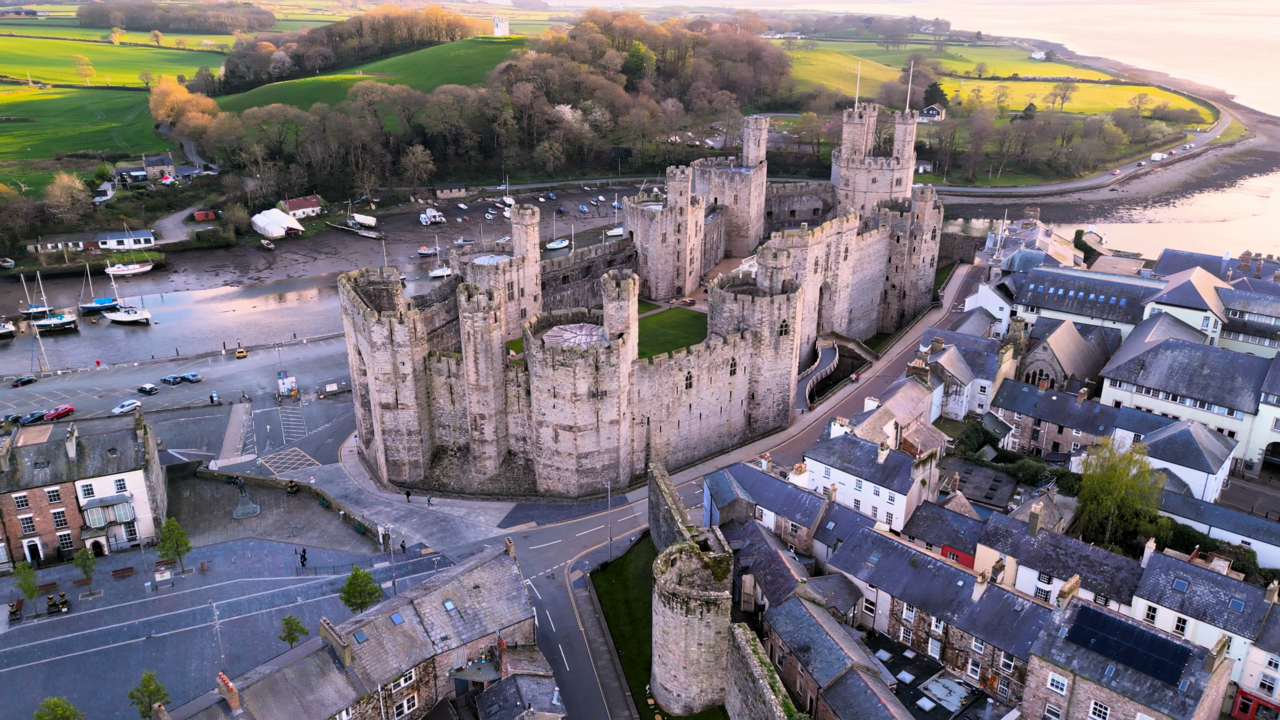
After the English takeover, Edward I removed timber from Dolbadarn to aid construction of his grand Caernarfon Castle, signaling the beginning of Dolbadarn's decline. The castle continued as a manor house into the 14th century but gradually fell into disrepair and abandonment.
Dolbadarn castle in art and cultural memory
By the 18th century, Dolbadarn Castle was a picturesque ruin, attracting artists captivated by the Sublime and Picturesque landscape movements. Painters such as J. M. W. Turner, Richard Wilson, and Paul Sandby immortalized the castle in works that emphasized dramatic contrasts between the rugged Welsh landscape and the romantic ruins.
Turner's 1800 painting of Dolbadarn Castle, depicting the fortress bathed in backlight, became particularly famous and contributed to the castle's enduring cultural significance. These artistic representations helped shape perceptions of Welsh heritage and the medieval past.
Modern preservation and tourism
In 1941, the castle was donated to the State by Sir Michael Duff and is currently maintained by Cadw, the Welsh government's historic environment service. Dolbadarn Castle is protected as a Grade I listed building and recognized as a Monument of Interest.
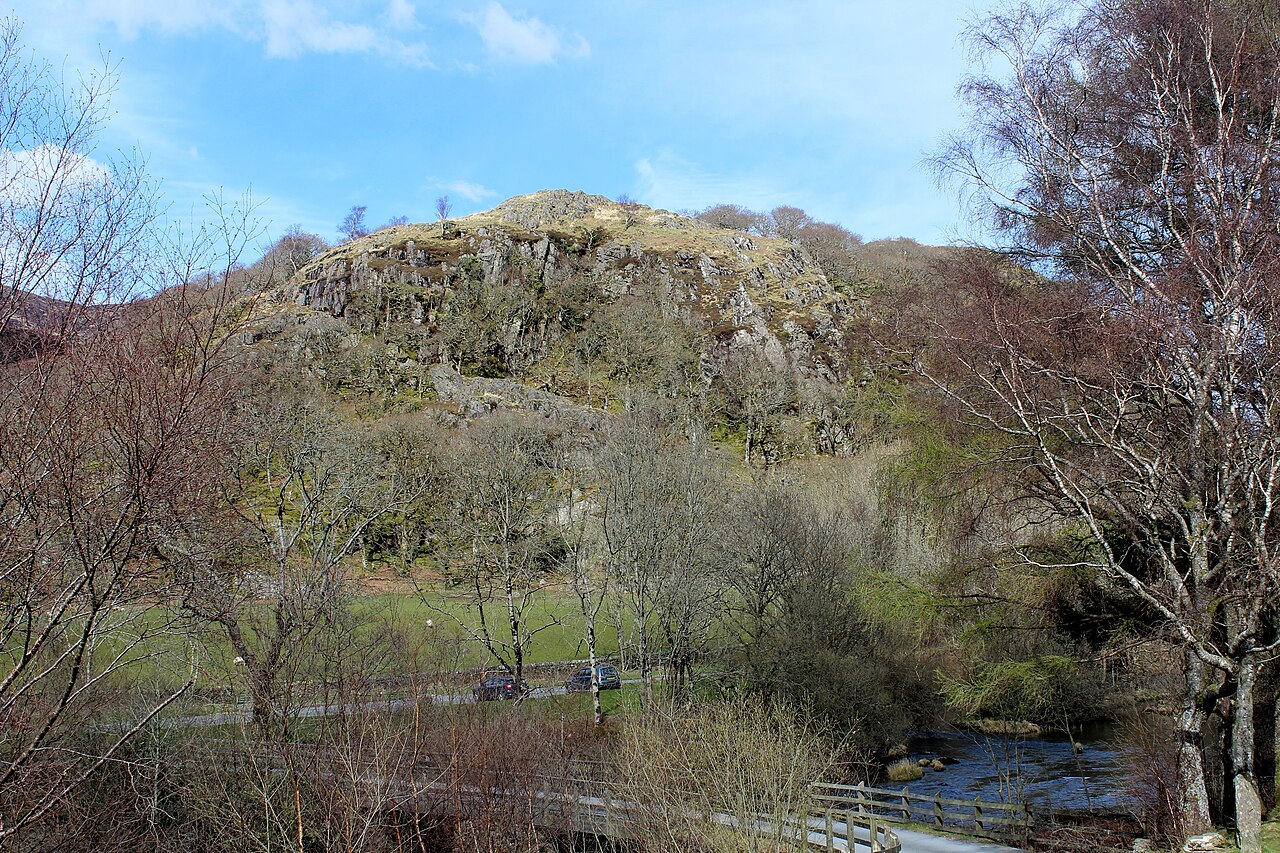
Today, the castle is a popular tourist destination, especially for visitors interested in medieval Welsh history, architecture, and outdoor activities such as rock climbing in the surrounding Snowdonia National Park. Cadw emphasizes Dolbadarn's role in Welsh national identity and the legacy of the Princes of Wales, prioritizing educational efforts to communicate its historical significance.
Visitor information and accessibility
The castle's hilltop location offers panoramic views of the surrounding landscape, including the Llanberis Pass and Llyn Padarn. Visitors can explore the remains of the curtain walls, towers, and the iconic round keep, gaining insight into medieval Welsh fortifications.
Access to the site is generally open during daylight hours, with no entrance fee, making it an accessible and enriching experience for history enthusiasts and outdoor adventurers alike.
Frequently asked questions (FAQ)
- When was Dolbadarn Castle built and by whom?
- Dolbadarn Castle was built between 1220 and 1240 by Llywelyn the Great, the Prince of Wales, to control the strategic Llanberis Pass and assert his authority.
- What is distinctive about the architecture of Dolbadarn Castle?
- The castle is renowned for its large round tower keep, considered the best surviving example of a Welsh round tower, featuring a first-floor entrance and advanced defensive features.
- How did Dolbadarn Castle feature in Welsh history?
- Dolbadarn played a key role as a military stronghold and symbol of power during the reigns of Llywelyn the Great and his successors, before being captured by Edward I in 1284.
- Is Dolbadarn Castle accessible to visitors today?
- Yes, Dolbadarn Castle is open to the public as a ruin maintained by Cadw, offering insights into medieval Welsh fortifications and scenic views of Snowdonia.
- Why is Dolbadarn Castle important in art history?
- The castle became a popular subject for painters of the Sublime and Picturesque movements in the 18th and 19th centuries, notably immortalized by J. M. W. Turner.

Information
Sources & official resources
Verify the information above using these authoritative references.
Loading map...
Visitor reviews
No reviews yet. Been here? Write the first review and help other travelers!
Write the first reviewVisited this castle? Share your experience
Your review helps other travelers and adds first-hand knowledge to our encyclopedia.