Dindigul Fort
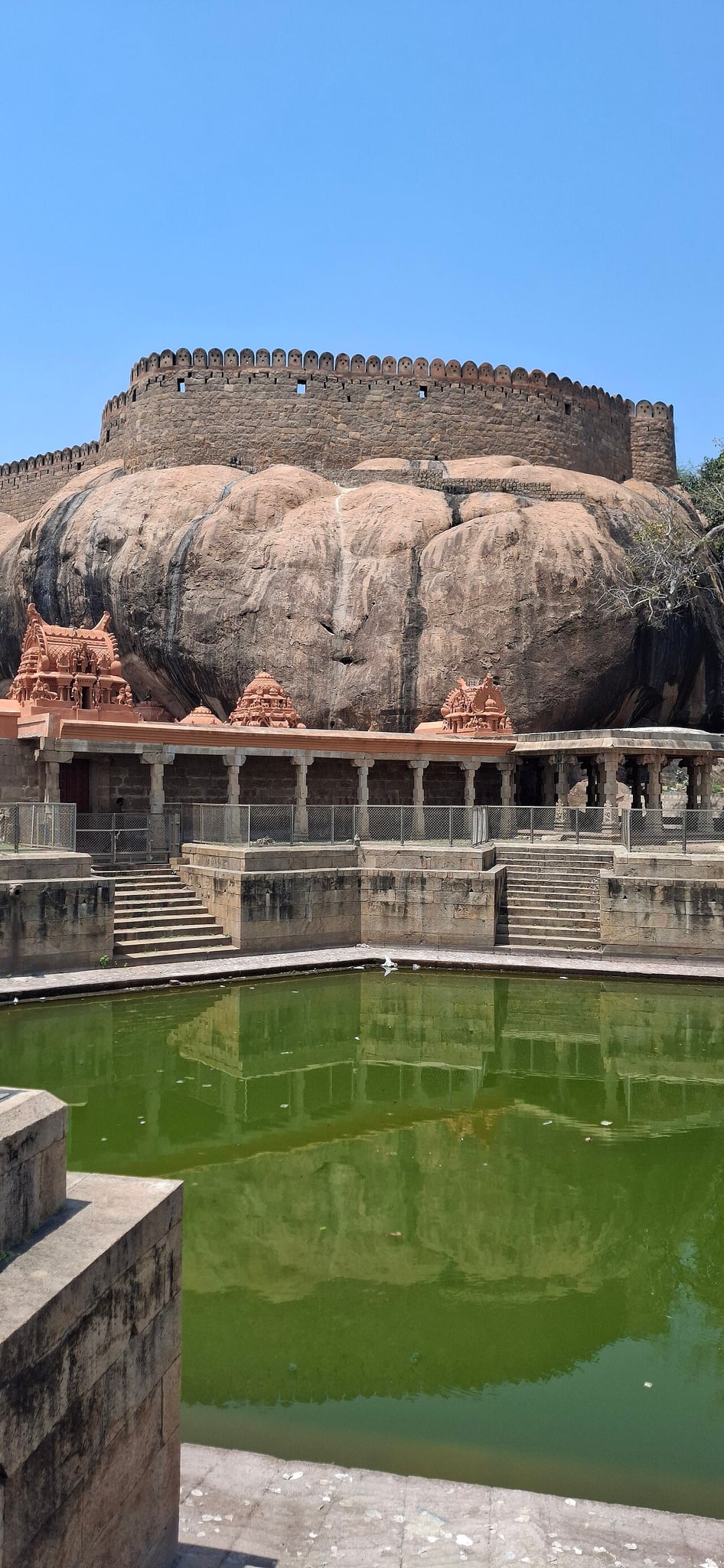
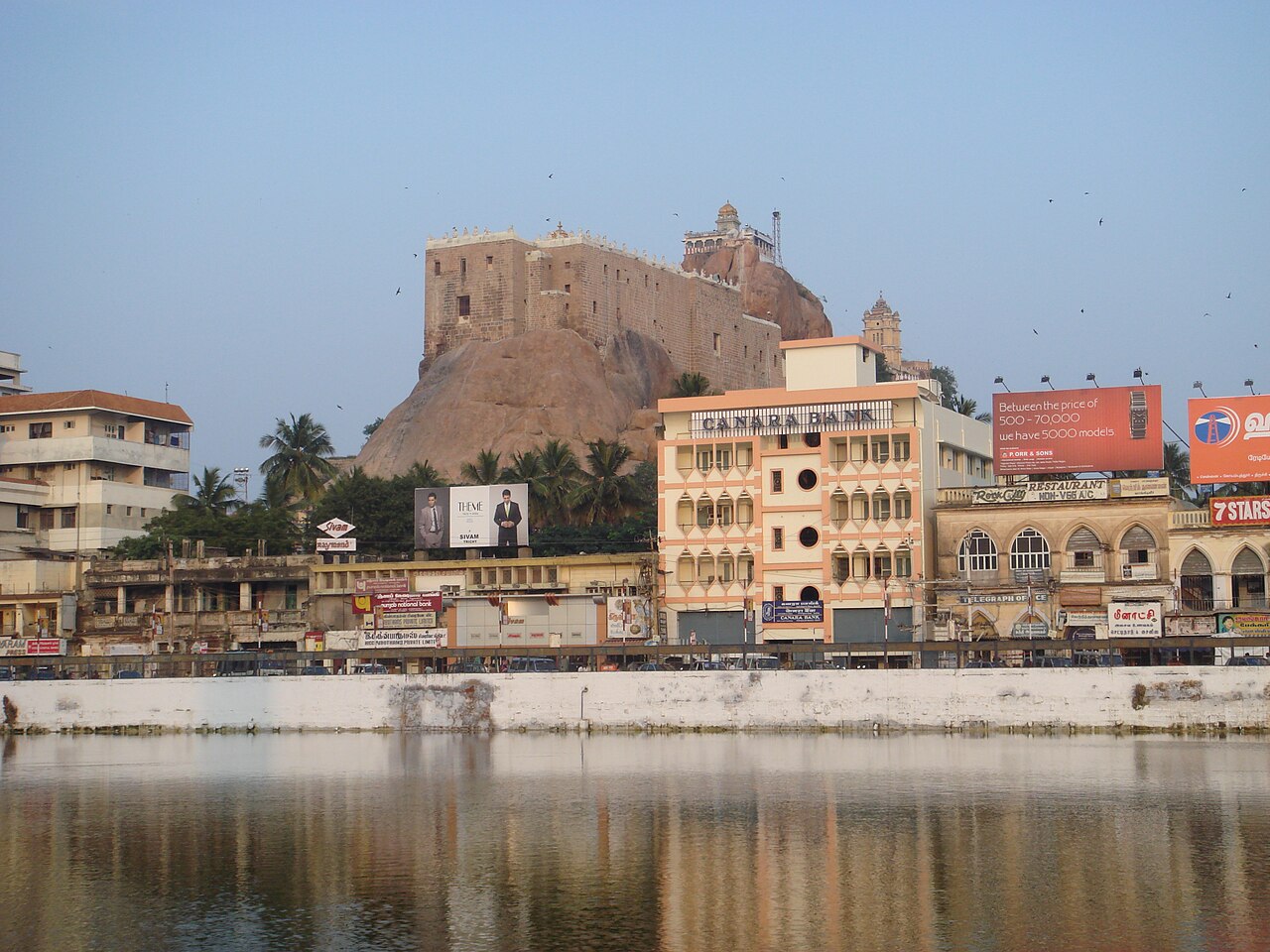
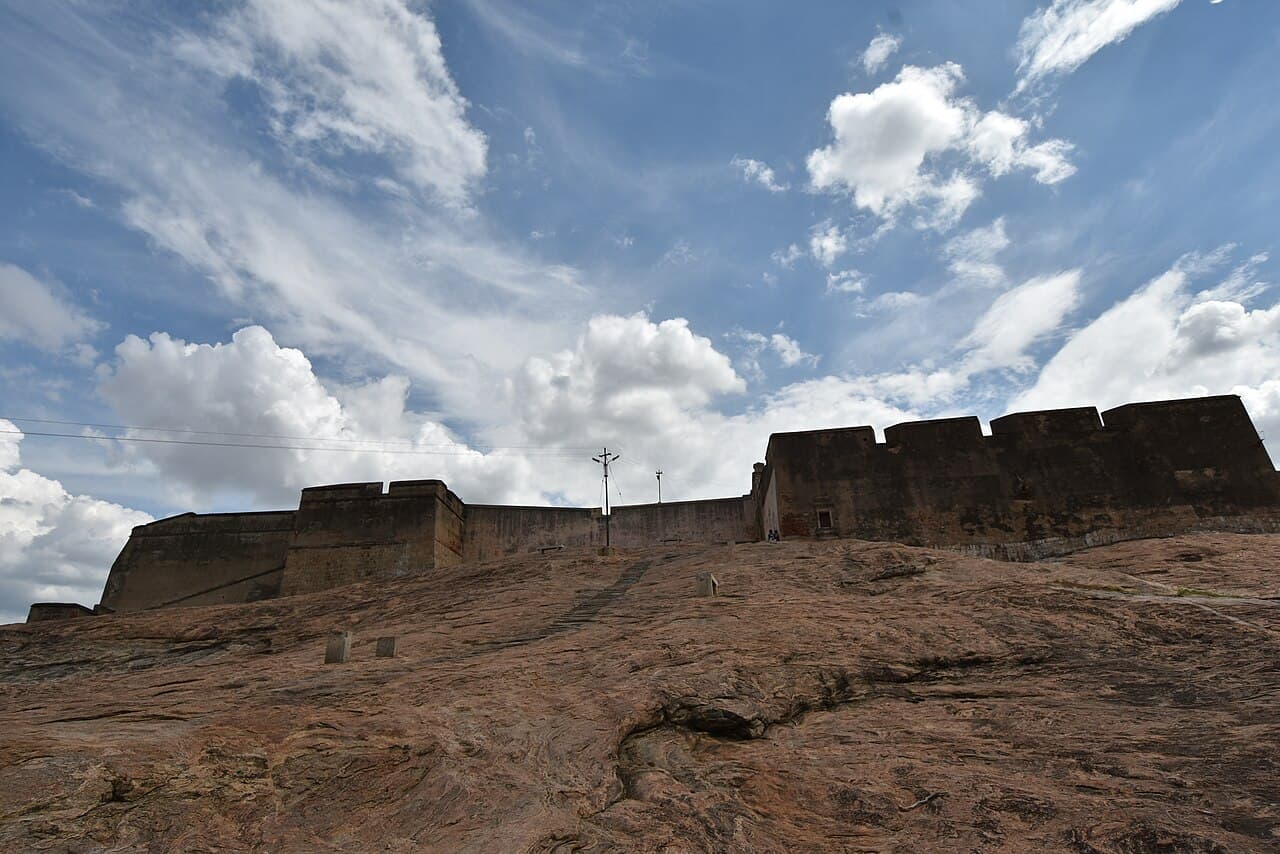
Dindigul Fort, also known as Dindigul Malai Kottai, is a prominent bastioned fortress located in the town of Dindigul in the Indian state of Tamil Nadu. Constructed in the early 17th century by the Madurai Nayakar Dynasty, the fort was commissioned by King Muthu Krishnappa Nayakar in 1605. Strategically perched on a rocky hill, the fort served as a critical military stronghold overseeing the surrounding region and guarding important trade routes.
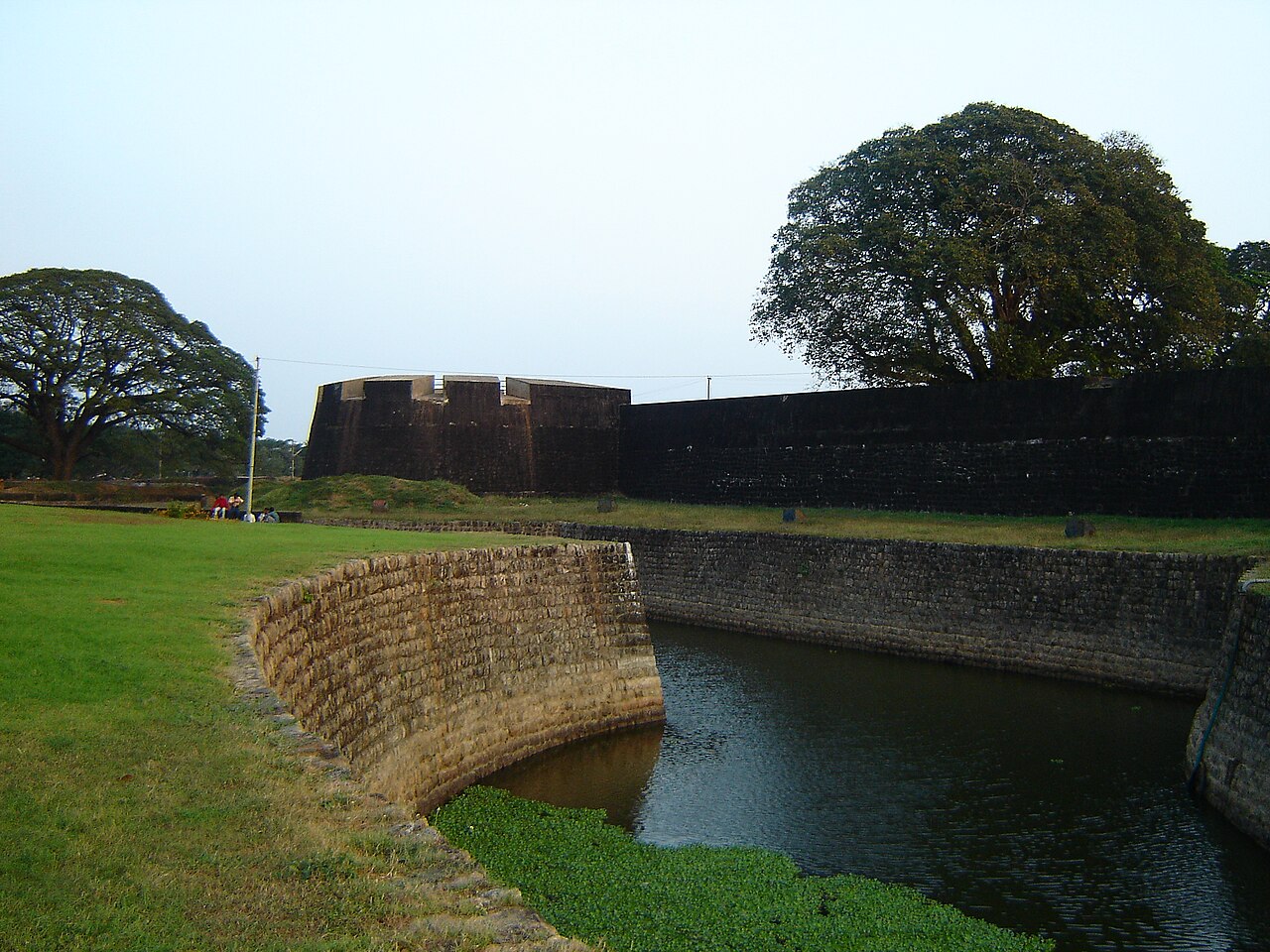
The fort's architecture reflects the military engineering of the period, featuring massive bastions designed to mount cannons and withstand sieges. The walls are constructed with robust stone masonry, incorporating defensive elements such as thick ramparts, moats, and fortified gateways. The elevated position of the fort provided extensive visibility over the plains, which was essential for monitoring enemy movements and protecting the territory.
Historical significance and ownership transitions
Originally built under the Madurai Nayakar rulers, the fort later came under the control of the Kingdom of Mysore during the 18th century. It was occupied by notable rulers such as Hyder Ali and his son Tipu Sultan, who recognized its strategic importance in regional conflicts. The fort played a role in the military campaigns of the Mysore rulers as they sought to expand and defend their territories.
Following the decline of Mysore's power, the fort was captured by the British East India Company in 1799 during the Polygar Wars. The British used the fort as a military outpost to consolidate their control over southern India. Despite changes in ownership, the fort's military utility remained significant through these transitions.
Architectural features and structures
Fortifications and bastions
The fort is distinguished by its bastioned walls, which are characteristic of military architecture influenced by European styles during the Renaissance period. These bastions allowed for the placement of heavy artillery and provided overlapping fields of fire to defend against attackers. The walls are thick and robust, constructed primarily from locally sourced stone, ensuring durability against cannon fire and prolonged sieges.
Temples and internal structures
Within the fort complex lies the Abirami Amman Kalaheswarar Temple, an abandoned temple situated near the peak of the hill. This religious structure adds cultural significance to the fort, reflecting the syncretism of military and spiritual architecture in the region. The temple's presence indicates the fort's role not only as a military installation but also as a site of local religious importance.
Armaments and defense
Several cannons remain on the fort premises, some sealed with cannonballs inside, showcasing the fort's readiness for defense during its active use. These artillery pieces are positioned strategically along the bastions and ramparts, highlighting the fort's role as a formidable defensive position against invasions.
Geographical location and strategic importance
Dindigul Fort is situated on a rocky hill that dominates the surrounding landscape, providing a natural vantage point. Its location in Tamil Nadu made it a key point for controlling the trade routes and military movements between the plains and the hill regions. The fort's elevation and fortifications allowed its occupants to monitor and repel enemy forces effectively.
The fort's strategic position was a significant factor during the Polygar Wars and the conflicts involving the Kingdom of Mysore. Control of the fort meant dominance over the region, making it a coveted military asset for various rulers over the centuries.
Current condition and preservation
Today, Dindigul Fort stands as a well-preserved example of early modern Indian military architecture. While some structures, such as the temple, are abandoned, the fort's walls and bastions remain largely intact. The site attracts visitors interested in history, architecture, and panoramic views of the surrounding landscape.
Efforts have been made to maintain the fort's structural integrity, though some areas require restoration to prevent further deterioration. The fort remains an important cultural and historical landmark in Tamil Nadu, reflecting the region's complex history of warfare, governance, and religious practice.
Visiting information and tourism
Visitors to Dindigul Fort can explore the extensive fortifications, the abandoned temple, and the remaining cannons. The hilltop location offers spectacular views of Dindigul town and the surrounding countryside. The site is accessible by road, with pathways leading up to the fort from the base of the hill.
The fort is open to the public, and guided tours are sometimes available to provide historical context and architectural insights. Visitors are advised to wear comfortable footwear due to the steep climb and uneven surfaces. The best time to visit is during the cooler months to avoid the heat typical of Tamil Nadu's climate.
Frequently asked questions (FAQ)
- When was Dindigul Fort built and by whom?
- Dindigul Fort was built in 1605 by King Muthu Krishnappa Nayakar of the Madurai Nayakar Dynasty.
- What architectural style characterizes Dindigul Fort?
- The fort features bastioned walls typical of Renaissance military architecture, designed to withstand cannon fire and sieges.
- Can visitors access the temple inside the fort?
- The Abirami Amman Kalaheswarar Temple inside the fort is abandoned but accessible to visitors interested in its historical and cultural significance.
- What role did the fort play during the Polygar Wars?
- During the Polygar Wars, Dindigul Fort was a strategic military outpost captured by the British East India Company to control the region.
- Is the fort suitable for visitors with mobility issues?
- Due to steep and uneven terrain, the fort may be challenging for visitors with mobility issues. Comfortable footwear and caution are recommended.
Photo gallery

Information
Current owner
State government
Loading map...
Visitor reviews
No reviews yet. Been here? Write the first review and help other travelers!
Write the first reviewVisited this castle? Share your experience
Your review helps other travelers and adds first-hand knowledge to our encyclopedia.