Dillenburger Schloss
Dillenburg Castle is a historic hill castle located in the town of Dillenburg in the region of Hesse-Nassau, Germany. Perched at an elevation of 958 feet above the Dill river, it occupies a strategic position approximately 25 miles northwest of Gießen along the Giessen-Troisdorf railway line. The castle's origins date back to the high medieval period, having been founded around the year 1240 by Count Henry the Rich of Nassau.
Medieval origins and strategic significance
The original Dillenburg Castle was primarily constructed from wood, a common practice in early medieval fortifications, which unfortunately left little of the initial structure intact today. Its position on a hill offered commanding views of the surrounding landscape, serving both defensive and administrative functions for the Counts of Nassau. The castle's location above the Dill river valley was crucial for controlling local trade routes and asserting territorial dominance in the region.
Architectural evolution and fortifications
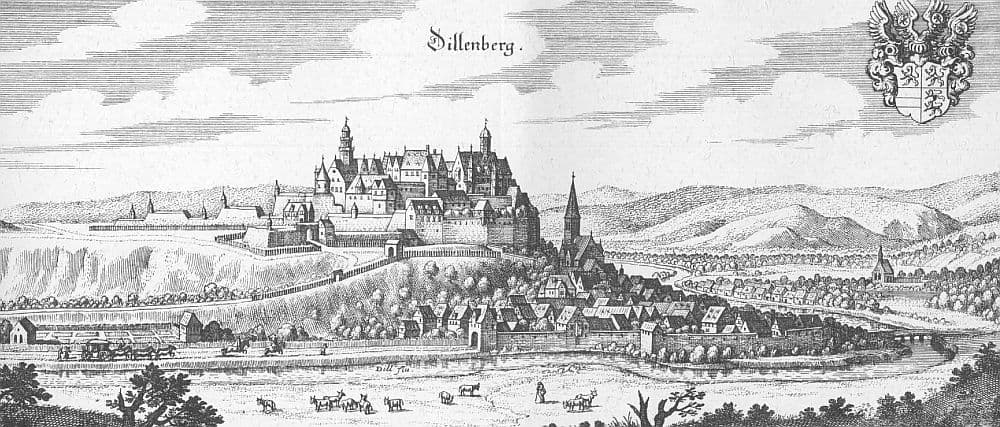
Over the centuries, the castle underwent significant transformations. By the 17th century, it featured more substantial stone fortifications that reflected advances in military architecture responding to the introduction of cannon warfare. These fortifications included bastioned walls and defensive earthworks designed to withstand artillery attacks. However, the original medieval wooden structures were replaced or lost over time, leaving primarily these later defensive works visible in the present ruins.
Destruction and decline
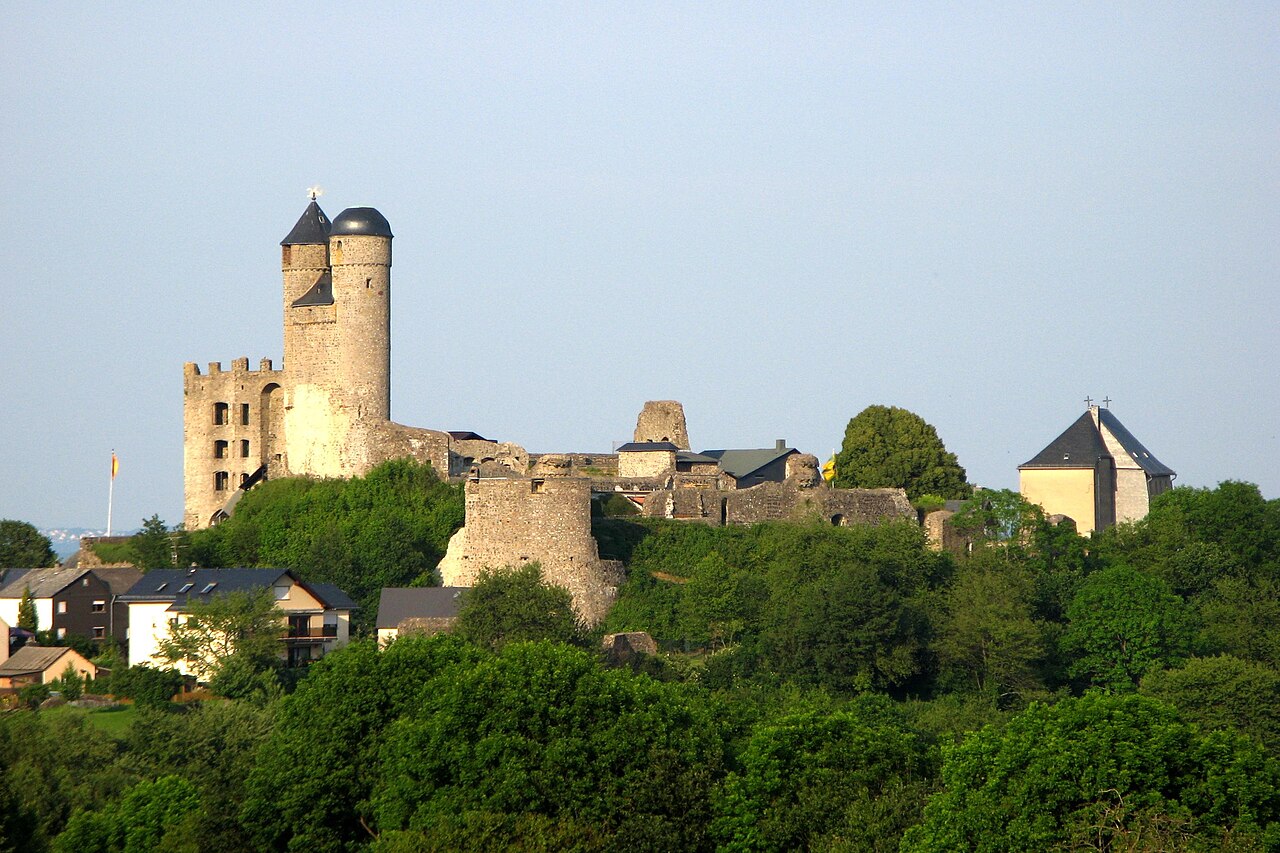
The castle suffered severe damage during the Seven Years' War (1756–1763), particularly from cannon fire that led to a devastating fire. By 1760, the main building was deliberately deconstructed, marking the end of its use as a noble residence and military stronghold. Today, visitors to the site can explore the remains of the 17th-century fortifications, but no original medieval structures survive above ground.
Historical significance and notable figures
Dillenburg Castle holds a prominent place in European history as the birthplace of Prince William of Orange in 1533, a key figure in the Dutch Revolt against Spanish rule and the founder of the House of Orange-Nassau. The castle and the town below were closely linked to the Protestant Reformation, evidenced by the nearby Evangelical church, formerly known as Johanniskirche, dating back to 1491. This church contains the vault of the princes of Nassau-Dillenburg, underscoring the family's long-standing regional influence.
Present condition and visitor experience
Currently classified as ruins, the site offers an evocative glimpse into the region's medieval and early modern past. While the original castle buildings have vanished, the surviving 17th-century fortifications provide insight into the military architecture of the period. The hilltop location affords panoramic views of the surrounding countryside, making it a popular destination for history enthusiasts and hikers alike. Interpretive signage and local museums in Dillenburg help contextualize the castle's role in regional history and its connection to the House of Nassau.
Frequently asked questions (FAQ)
- How do I get to Dillenburger Schloss?
- Dillenburger Schloss is located in the town of Dillenburg, Germany. You can reach it easily by car, with parking available nearby, or by public transportation, including local trains and buses that connect to major cities.
- What is the historical significance of Dillenburger Schloss?
- Dillenburger Schloss dates back to the 13th century and was a significant residence for the Counts of Nassau. It played a crucial role in the political history of the region and is associated with the life of William I of Orange, a key figure in the Dutch struggle for independence.
- When was Dillenburger Schloss built?
- The castle was originally constructed in the early 13th century, with various expansions and renovations occurring over the centuries. Its architecture reflects the Gothic style prevalent during its initial construction, alongside Renaissance elements added later.
- Can I take guided tours of Dillenburger Schloss?
- Yes, guided tours are available for visitors who want a deeper understanding of the castle's history and architecture. These tours are typically offered in multiple languages and provide insight into the castle's significance and its former inhabitants.
- Why is Dillenburger Schloss a popular tourist attraction?
- Dillenburger Schloss attracts visitors due to its rich history, stunning architecture, and picturesque views of the surrounding area. The castle also hosts various cultural events and exhibitions that engage visitors of all ages.
- Is it possible to visit Dillenburger Schloss year-round?
- Yes, Dillenburger Schloss is open to visitors year-round, although hours may vary by season. It's advisable to check the official website for the most current opening hours and any seasonal events that may impact access.
- What are the ticket prices for Dillenburger Schloss?
- Ticket prices for Dillenburger Schloss are generally affordable, with discounts available for students, seniors, and groups. Children under a certain age may enter for free, making it a family-friendly destination.
- When is the best time to visit Dillenburger Schloss?
- The best time to visit Dillenburger Schloss is during the spring and early autumn when the weather is pleasant and the surrounding gardens are in full bloom. However, the castle also hosts special events during the winter months, which can provide a unique experience.
- Are there any nearby attractions to explore after visiting Dillenburger Schloss?
- Yes, there are several attractions nearby, including the beautiful Wilhelmsthal Palace and various hiking trails in the surrounding countryside. Additionally, the town of Dillenburg offers charming shops and cafes to explore after your visit to the castle.
Photo gallery

Photo by Matthäus Merian•Public domain
Information
Loading map...
Visitor reviews
No reviews yet. Been here? Write the first review and help other travelers!
Write the first reviewVisited this castle? Share your experience
Your review helps other travelers and adds first-hand knowledge to our encyclopedia.