Cheongpung Mangwolsanseong Fortress
Cheongpung Mangwolsanseong Fortress is a historic bastioned fortress located in the Republic of Korea, notable for its strategic position atop Mangwol Mountain. This fortress is an important example of Korean military architecture, designed to maximize defensive capabilities through its natural topography and constructed fortifications.
Historical context and significance
The fortress dates back to the Joseon Dynasty period, which lasted from the 14th to the early 20th century, a time marked by frequent military conflicts and the need for strong defensive structures. While exact construction dates are not precisely documented, the fortress was likely developed and expanded during the late medieval to early modern periods to protect the region from invasions and local unrest.
Cheongpung Mangwolsanseong Fortress served as a military stronghold that controlled important routes through the mountainous terrain of Korea. Its location allowed defenders to monitor enemy movements and provided a refuge for local populations during times of conflict.
Architectural features and design
The fortress is classified as a bastioned fortress, a style that incorporates angled bastions projecting from the curtain walls to provide overlapping fields of fire against attackers. This design was influenced by both traditional Korean fortification methods and adaptations to evolving military technology, including the use of gunpowder weapons.
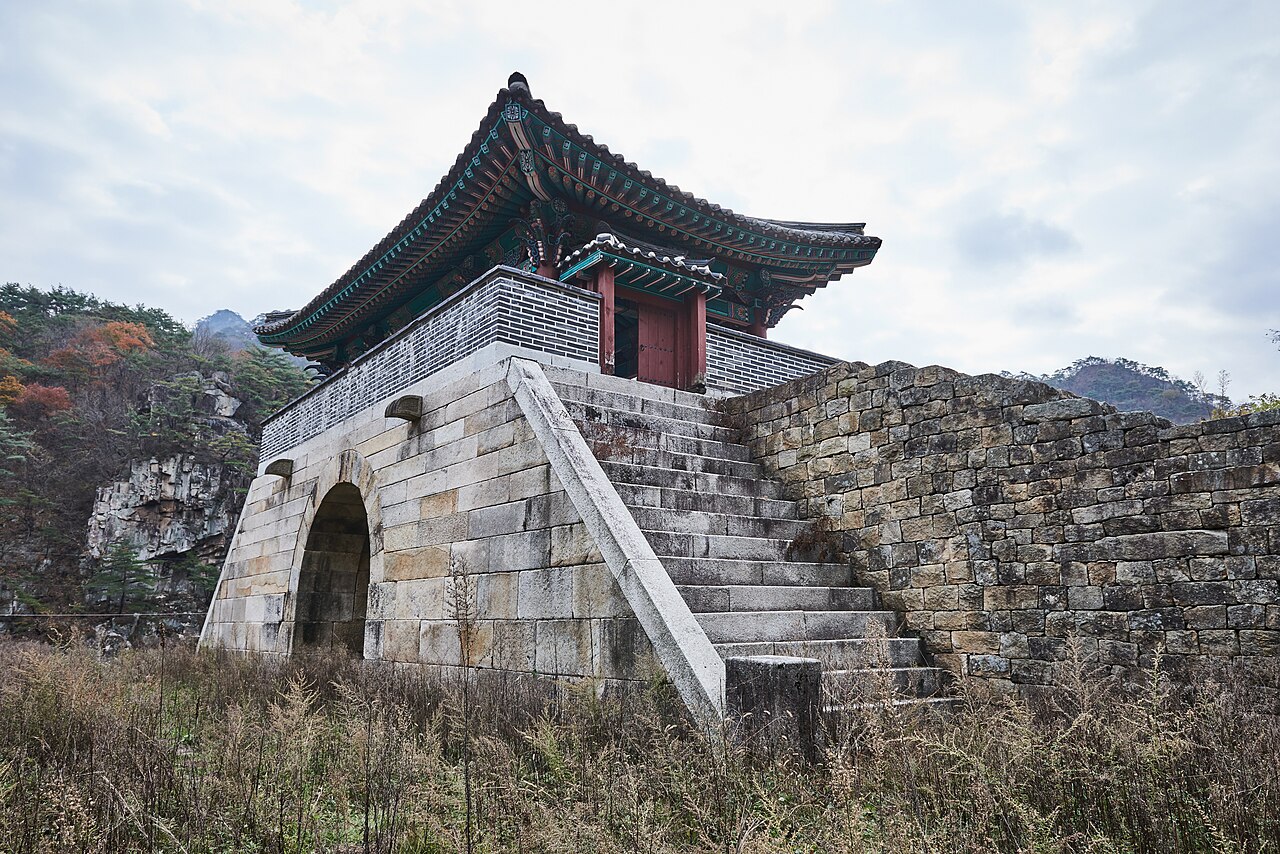
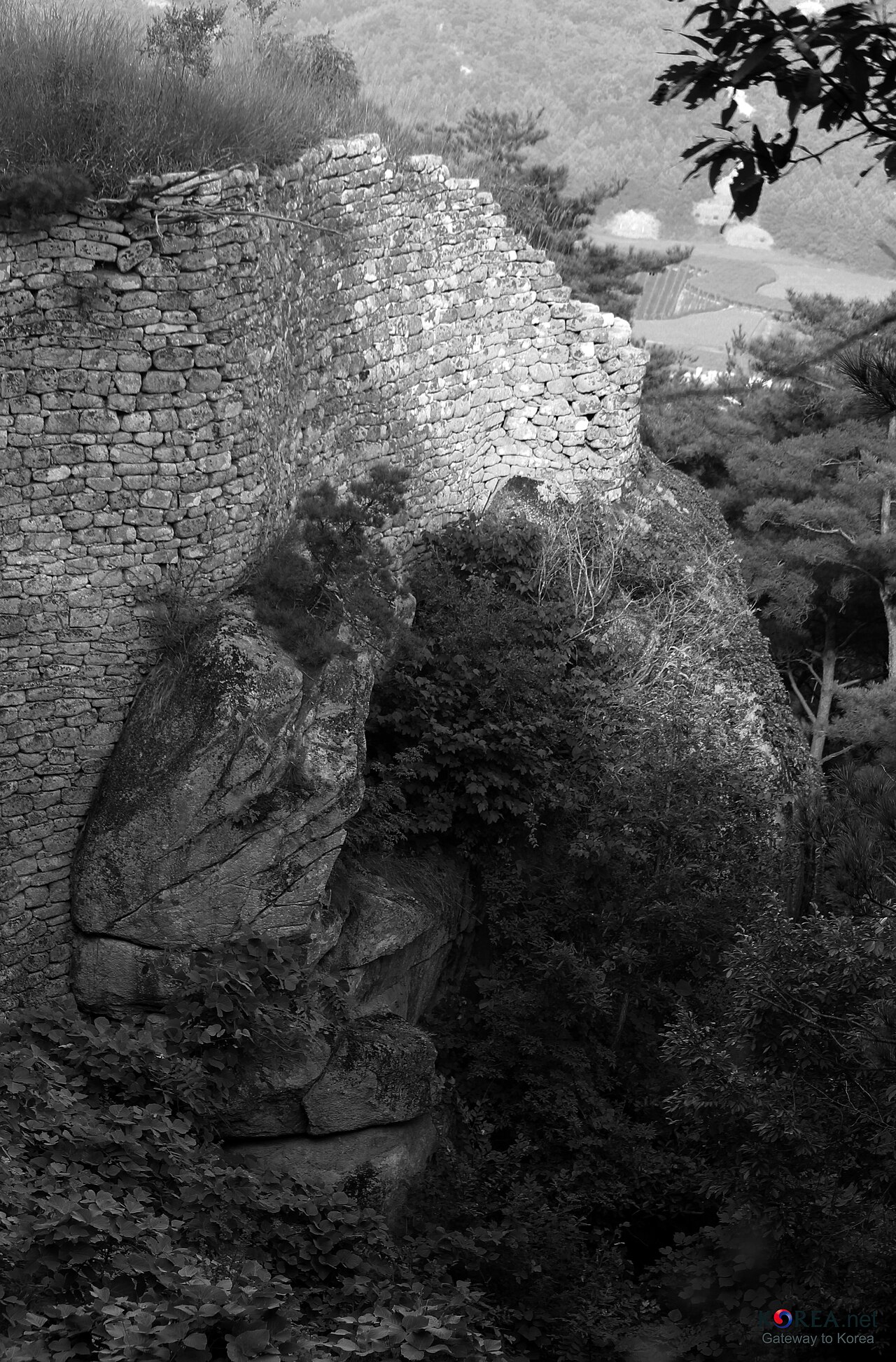
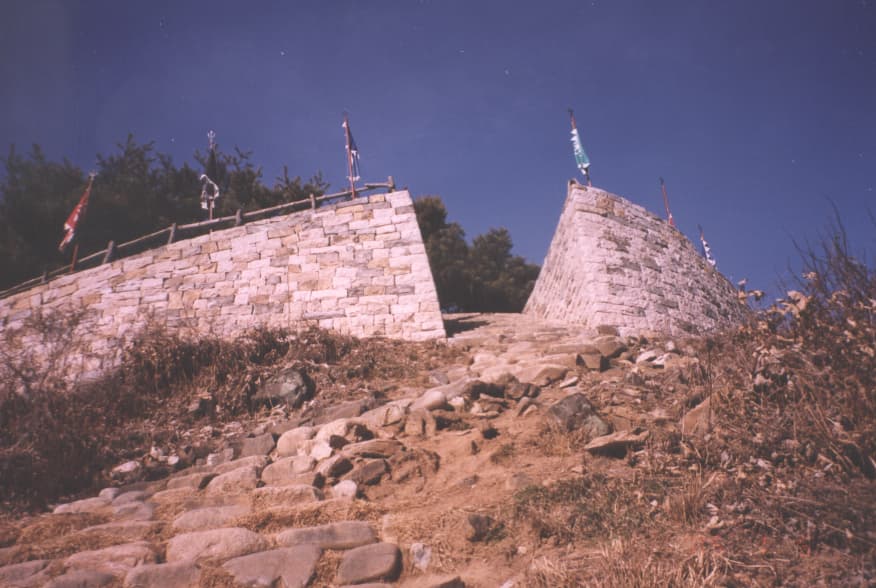
Stone walls form the primary defensive barrier, constructed with large, carefully fitted stones that have withstood centuries of weathering. The walls follow the natural contours of Mangwol Mountain, enhancing the fortress's defensive advantage by blending with the rugged terrain.
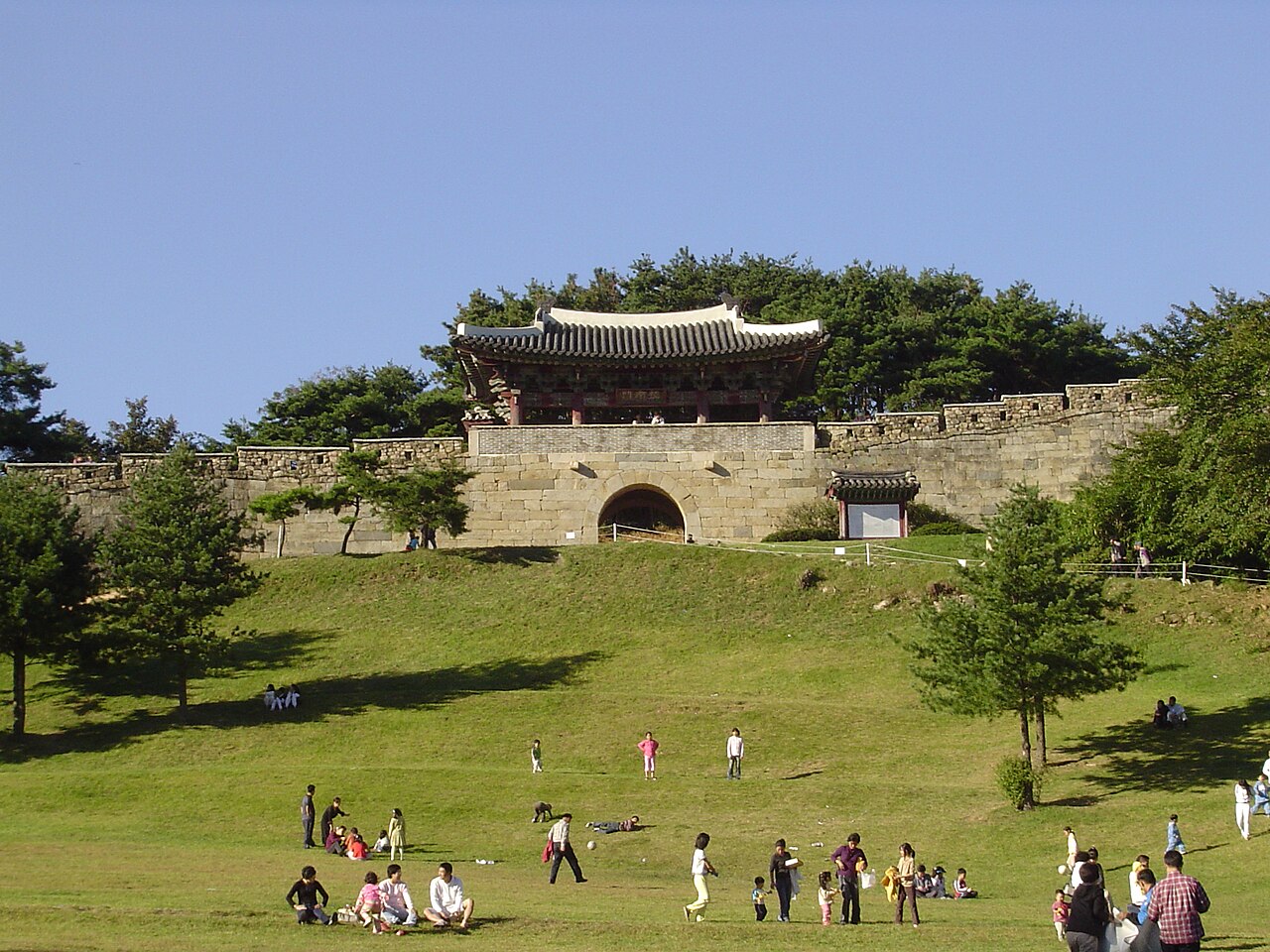
Within the fortress, remnants of gates, watchtowers, and command posts can be found. These structures were strategically positioned to maximize visibility and control access points. The bastions allowed defenders to cover blind spots along the walls, reducing vulnerabilities.
Defensive layout
The fortress's layout is adapted to the mountainous environment, with walls and bastions arranged to take full advantage of the elevation. The bastions' angular design was intended to deflect artillery fire and enable defenders to fire upon attackers approaching the walls from multiple angles.
Cheongpung Mangwolsanseong Fortress also features moats and ditches in certain sections, enhancing its defensive depth. These earthworks made direct assaults more difficult and slowed enemy advances.
Preservation and current condition
Today, the fortress is classified as partially preserved. While some sections of the walls and bastions remain intact, others have deteriorated due to natural erosion and historical neglect. Restoration efforts have been undertaken to stabilize and conserve key parts of the structure, allowing visitors to appreciate its historical and architectural significance.
The site is accessible to the public and serves as a cultural heritage landmark, offering insight into Korea's military history and fortress construction techniques. Visitors can explore the remains of the walls, bastions, and gates, while enjoying panoramic views of the surrounding landscape.
Visiting information and cultural importance
Cheongpung Mangwolsanseong Fortress is a popular destination for history enthusiasts and hikers alike. Its location on Mangwol Mountain provides both a cultural experience and a natural retreat. The site is often included in regional tours highlighting Korea's historic fortifications.
The fortress is recognized for its role in illustrating the evolution of Korean military architecture, particularly the integration of bastion designs adapted to mountainous terrain. It stands as a testament to the strategic ingenuity of its builders and the historical challenges faced during its active use.
Frequently asked questions (FAQ)
- When was Cheongpung Mangwolsanseong Fortress built?
- The exact construction date of Cheongpung Mangwolsanseong Fortress is not precisely documented, but it likely dates back to the late medieval to early modern periods during the Joseon Dynasty.
- What architectural style characterizes the fortress?
- Cheongpung Mangwolsanseong Fortress is characterized as a bastioned fortress, incorporating angled bastions for improved defense, blending traditional Korean fortification methods with adaptations to gunpowder weaponry.
- Is the fortress open to visitors?
- Yes, the fortress is accessible to the public and serves as a cultural heritage site where visitors can explore the remaining walls, bastions, and gates.
- What is the current condition of the fortress?
- The fortress is partially preserved, with some walls and bastions intact while other sections have deteriorated; restoration efforts have been made to conserve key areas.
- Where is Cheongpung Mangwolsanseong Fortress located?
- The fortress is located on Mangwol Mountain in South Korea, although the specific city or region is not clearly documented.

Information
Loading map...
Visitor reviews
No reviews yet. Been here? Write the first review and help other travelers!
Write the first reviewVisited this castle? Share your experience
Your review helps other travelers and adds first-hand knowledge to our encyclopedia.