Dashtadem Fortress
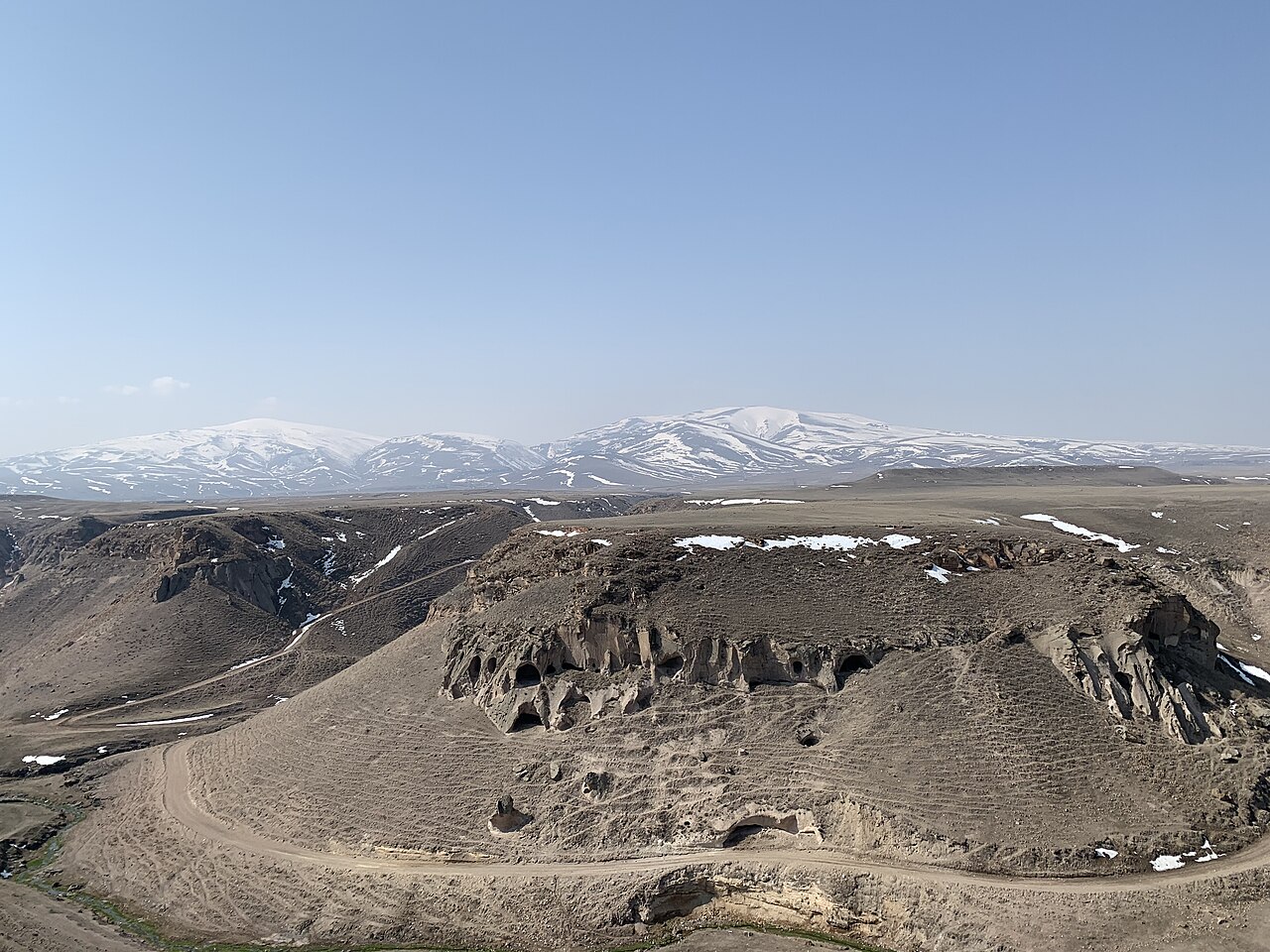
Dashtadem Fortress (Armenian: Դաշտադեմի ամրոց), also known as Qagheni fortress, is a prominent historic bastioned fortress located on the southern outskirts of Dashtadem village in the Aragatsotn Province of Armenia. The fortress complex represents a remarkable example of Armenian military architecture spanning several centuries, with construction phases from the 5th century through to the 19th century. It occupies a strategic position overlooking the surrounding landscape, which was vital for defense and control in the region.
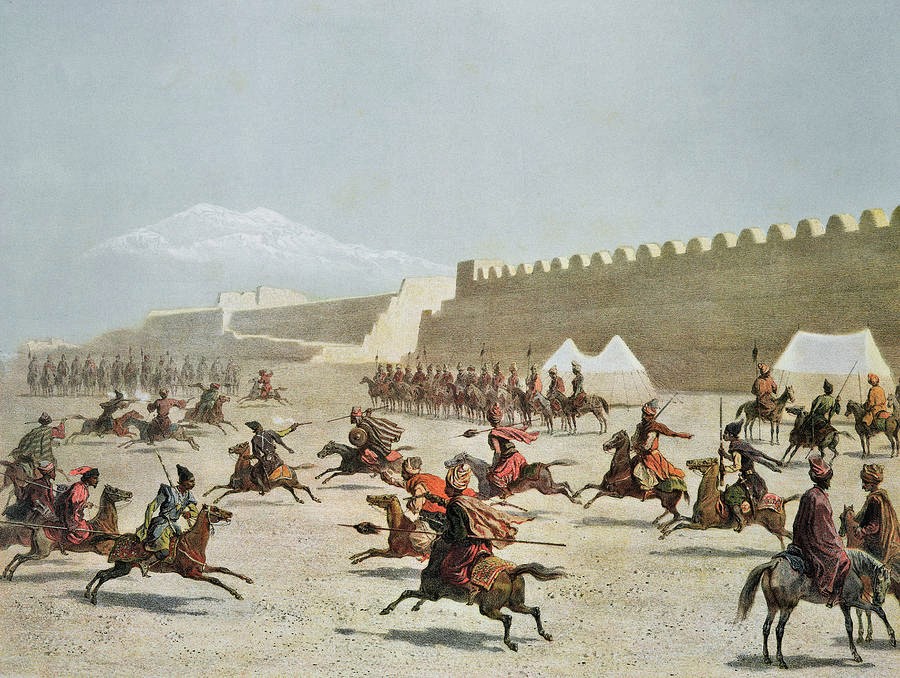
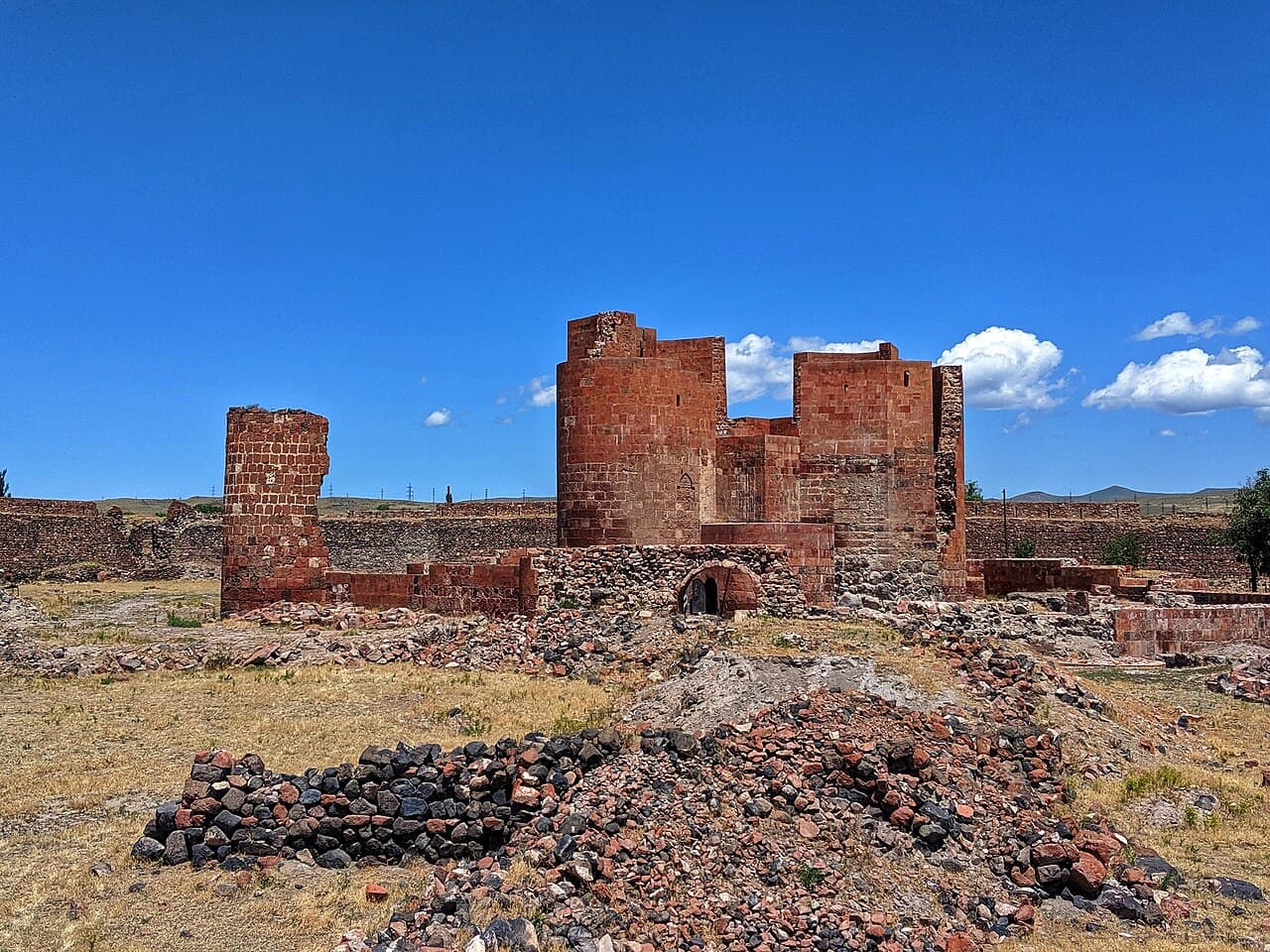
The fortress is surrounded by an octagonal walled enceinte built at the beginning of the 19th century, characteristic of the bastioned fortress style. This enceinte features a continuous line of eight bastions and curtain walls enclosing the interior fortifications. Seven of these bastions are regular polygonal shapes, while the northern bastion is a distinctive semi-circular or "half-moon" bastion. The curtain walls between the semi-circular and regular bastions are angled inward slightly, a defensive design allowing the semi-circular bastion to be protected by adjacent projecting fortifications. The main entrance gate is positioned to the east of the northern bastion and requires visitors to enter at a right angle, a tactical design that prevented cavalry charges directly through the gate.
Architectural features of the fortress
The enceinte and bastions
The octagonal enceinte is a defining feature of Dashtadem Fortress, reflecting the evolution of military architecture into more modern bastioned forms. The bastions are designed with two faces and two flanks, allowing defenders to fire along the curtain walls and cover adjacent bastions effectively. This arrangement improved the fortress's defensive capabilities against artillery and infantry assaults common in the 18th and 19th centuries.
The inner fortress and keep
Inside the enceinte lies a low-irregular decagonal interior wall that encloses the central fortress keep and an adjacent 5th-century chapel of S. Sargis. The keep itself is a robust structure featuring four semi-circular towers, likely added in the 12th century to augment earlier fortifications dating back to the 10th century. Beneath these towers are large cisterns and tunnels that provided water storage and secretive access routes to the top of the keep, enhancing its defensive resilience during sieges.
Historical context and significance
Dashtadem Fortress has a layered history reflecting the turbulent political and military landscape of Armenia over many centuries. The site incorporates fortifications from the early medieval period through to the modern era, demonstrating continuous adaptation to changing military technologies and threats.
One of the most notable historical features is an Arabic dedicatory inscription on the east wall of the fortress keep, dated to 1174. This inscription, written in Kufic script, attributes the structure to Sultan ibn Mahmud (Shahanshah), a member of the Shaddadid dynasty that ruled the nearby city of Ani during the 12th century. This inscription provides valuable evidence of the fortress's significance during the medieval period and its connection to regional powers.
Nearby, about 1.7 kilometers south of Dashtadem, stands the restored 7th-century Kristapori Vank monastery, visible from the fortress. This proximity highlights the fortress’s role not only as a military installation but also within the cultural and religious landscape of medieval Armenia.
Recent history and preservation
Until recent renovations, Dashtadem Fortress served as a residence for local shepherds and their families, who have since been relocated to allow preservation efforts. The fortress has undergone partial renovation in recent years, focusing on stabilizing the structure and restoring key architectural elements. The chapel of S. Sargis has been entirely rebuilt, preserving its historical and spiritual significance.
Today, the fortress stands as a well-preserved example of Armenian military architecture that spans over a millennium, offering insights into the defensive strategies and architectural styles employed from the early medieval period through to the 19th century.
Visiting Dashtadem fortress
Visitors to Dashtadem Fortress can explore the extensive bastioned walls and interior keep, appreciating the complex defensive design and historical layers evident in the structure. The surrounding landscape and views towards Kristapori Vank add to the site's appeal, providing a broader context of Armenian heritage and medieval history.
Frequently asked questions (FAQ)
- What is the historical significance of Dashtadem Fortress?
- Dashtadem Fortress, dating back to the 10th century, is a significant example of Armenian medieval architecture. It played a crucial role in the defense against invasions and served as a strategic military stronghold throughout its history. The fortress is a testament to the rich cultural heritage of Armenia and its historical resilience.
- When was Dashtadem Fortress built?
- Dashtadem Fortress was constructed in the 10th century during the period of the Bagratid Kingdom, a time of significant architectural and cultural development in Armenia. Over the centuries, it has undergone various modifications and restorations, reflecting the evolving needs of its inhabitants and the tumultuous history of the region.
- Can I visit Dashtadem Fortress year-round?
- Yes, Dashtadem Fortress is open to visitors throughout the year. However, the best time to visit is during the spring and early autumn when the weather is mild and ideal for exploring the castle and its surroundings. Be sure to check local weather conditions before planning your trip.
- What are the opening hours of Dashtadem Fortress?
- Dashtadem Fortress is typically open from 9 AM to 5 PM daily. It is advisable to confirm the hours in advance, as they may vary seasonally or due to special events. Early visits can provide a more tranquil experience before larger crowds arrive.
- Is it possible to access Dashtadem Fortress by public transport?
- Yes, public transport options are available to reach Dashtadem Fortress from nearby towns and cities. Buses and taxis frequently operate in the region, making it convenient for visitors to access the fortress without a personal vehicle. It’s recommended to check local transport schedules for the most accurate information.
- What are the ticket prices for visiting Dashtadem Fortress?
- Entry to Dashtadem Fortress is typically free; however, guided tours may have associated costs. These tours can enhance your experience by providing in-depth historical context and insights into the fortress's architecture. Always check for any updates regarding fees before your visit.
- Are there any nearby attractions to visit along with Dashtadem Fortress?
- Yes, visitors to Dashtadem Fortress can explore several nearby attractions, including the historic town of Gyumri and the ancient churches of the region. The picturesque landscapes surrounding the fortress also offer opportunities for hiking and enjoying Armenia's natural beauty. Combining these sites can make for a fulfilling day of exploration.
- What architectural features should I look for at Dashtadem Fortress?
- Dashtadem Fortress is known for its impressive stone walls and towers that showcase medieval Armenian military architecture. Visitors should pay special attention to the well-preserved defensive structures and the unique layout of the fortress, which reflects its strategic importance. The panoramic views from the fortress also highlight its elevated position and the surrounding landscape.
Photo gallery

Information
Loading map...
Visitor reviews
No reviews yet. Been here? Write the first review and help other travelers!
Write the first reviewVisited this castle? Share your experience
Your review helps other travelers and adds first-hand knowledge to our encyclopedia.