Citadel of Ani
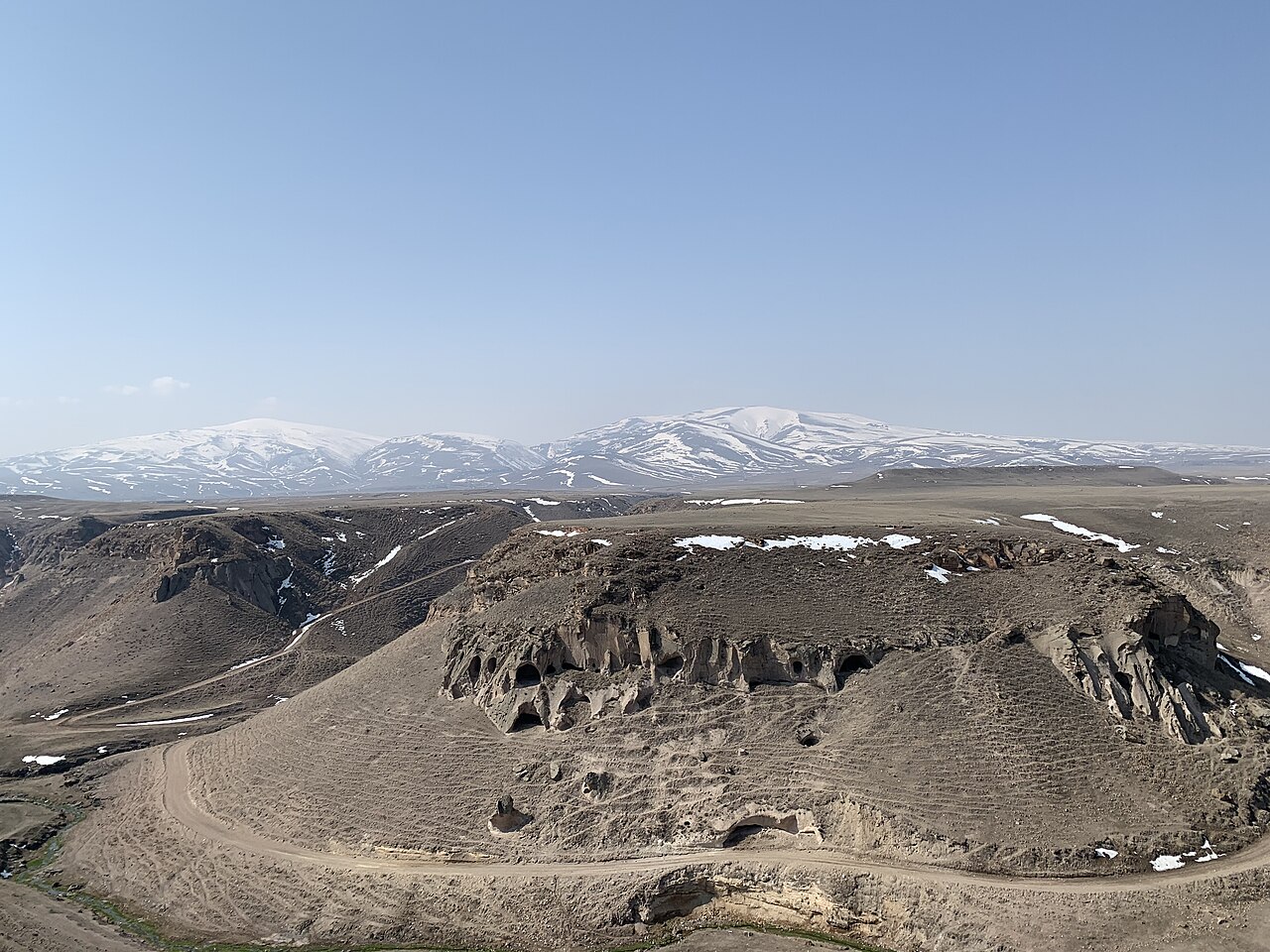
The Citadel of Ani stands as a monumental testament to the rich medieval heritage of the Armenian kingdom and the broader Caucasus region. Located in modern-day Turkey within the municipality of Üçbölük, this hill castle occupies a commanding position atop a steep promontory, offering strategic oversight of the ancient city of Ani and its surrounding plains. Established in the 7th century by the Kamsarakan dynasty, the citadel is the oldest part of the extensive fortification system that once enclosed Ani, an important medieval urban center often referred to as the "City of 1001 Churches."
Throughout its long history, the citadel served multiple critical roles: as a military fortress, a royal residence, and a religious center. The site reflects nearly a millennium of continuous occupation, modifications, and reconstructions spanning from the early medieval period through the 13th century. Its layered architecture and archaeological remains provide invaluable insights into the defensive strategies, urban planning, and cultural life of the Armenian Bagratid kingdom and subsequent rulers.
Historical context and dynastic significance
The citadel’s origins with the Kamsarakan family place it firmly within the early medieval Armenian noble milieu. The Kamsarakans governed the historic provinces of Shirak and Arshakuniks, and their establishment of the fortress laid the groundwork for Ani’s later development as a capital city. The Bagratid kings of Ani later utilized the citadel as a royal seat, underscoring its administrative and symbolic importance.
During the late 11th and 12th centuries, the fortress underwent significant alterations under the Shaddadid dynasty, who ruled Ani between 1072 and 1199. They rebuilt key defensive features such as the main entrance gate, integrating it into the older walls, and enhanced the fortress’ infrastructure. The Shaddadids’ reign reflects a period of cultural and political transition in Ani, marked by the coexistence of Armenian, Kurdish, and Islamic influences.
The citadel also briefly came under Byzantine control, as evidenced by a Greek inscription found on-site. This inscription marks a short phase of imperial presence, highlighting Ani’s contested status among regional powers. The fortress remained significant until the 15th century, although by then the main palace had been abandoned and destroyed by fire.
Architectural features and fortifications
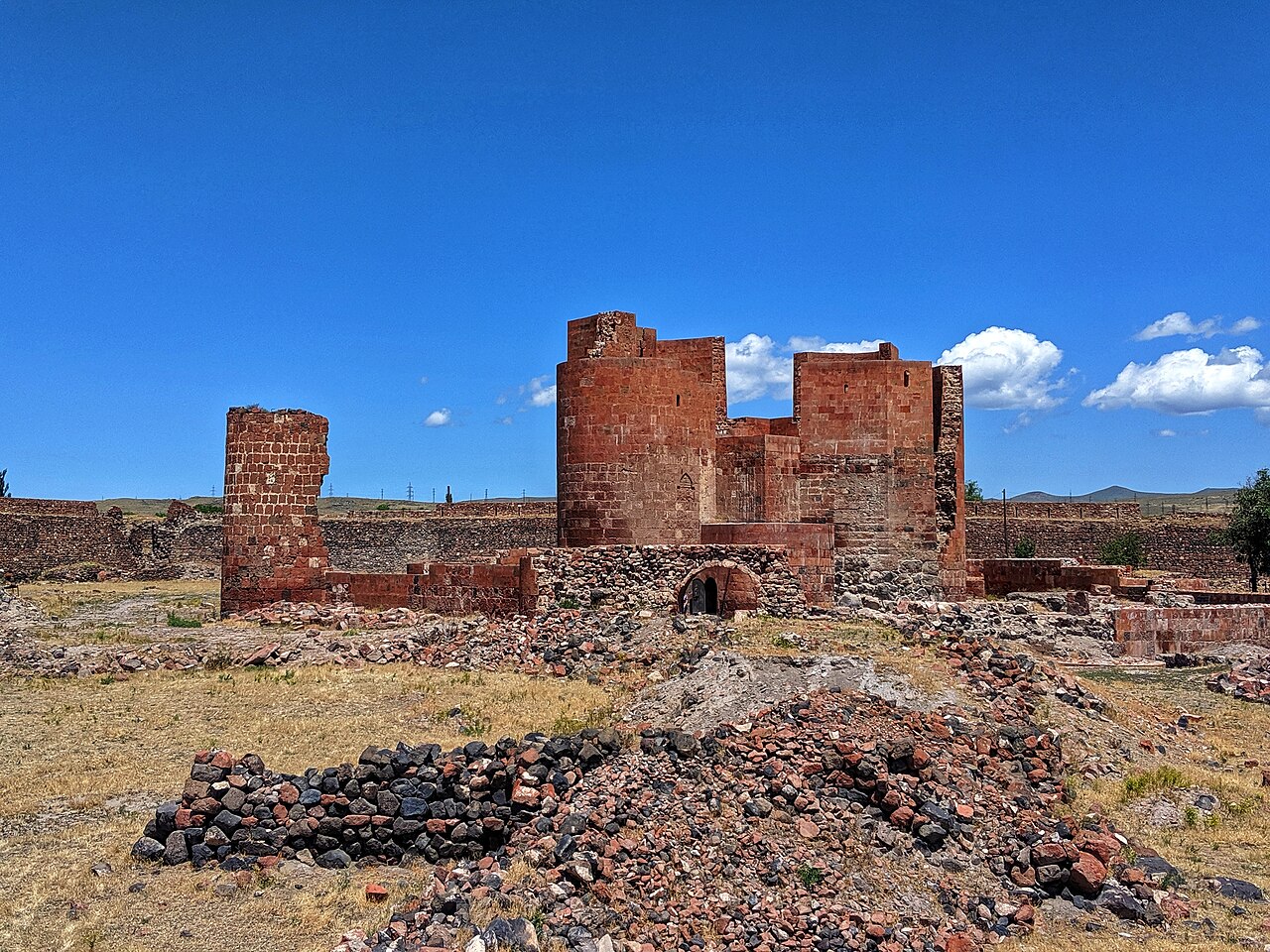
The Citadel of Ani is strategically built on a hilltop, naturally protected on three sides by steep cliffs, which were further reinforced by thick defensive walls. The main entrance, situated on the northwest side, is a fortified gate complex constructed during the Shaddadid period. This gate is flanked by towers and showcases the integration of new construction techniques with the older Armenian masonry traditions.
Excavations beneath the gate revealed an advanced water supply system consisting of clay pipes that transported fresh water from a spring nearly 11 kilometers away. This engineering feat was essential due to the lack of natural water sources within the citadel, ensuring the fortress could withstand prolonged sieges.
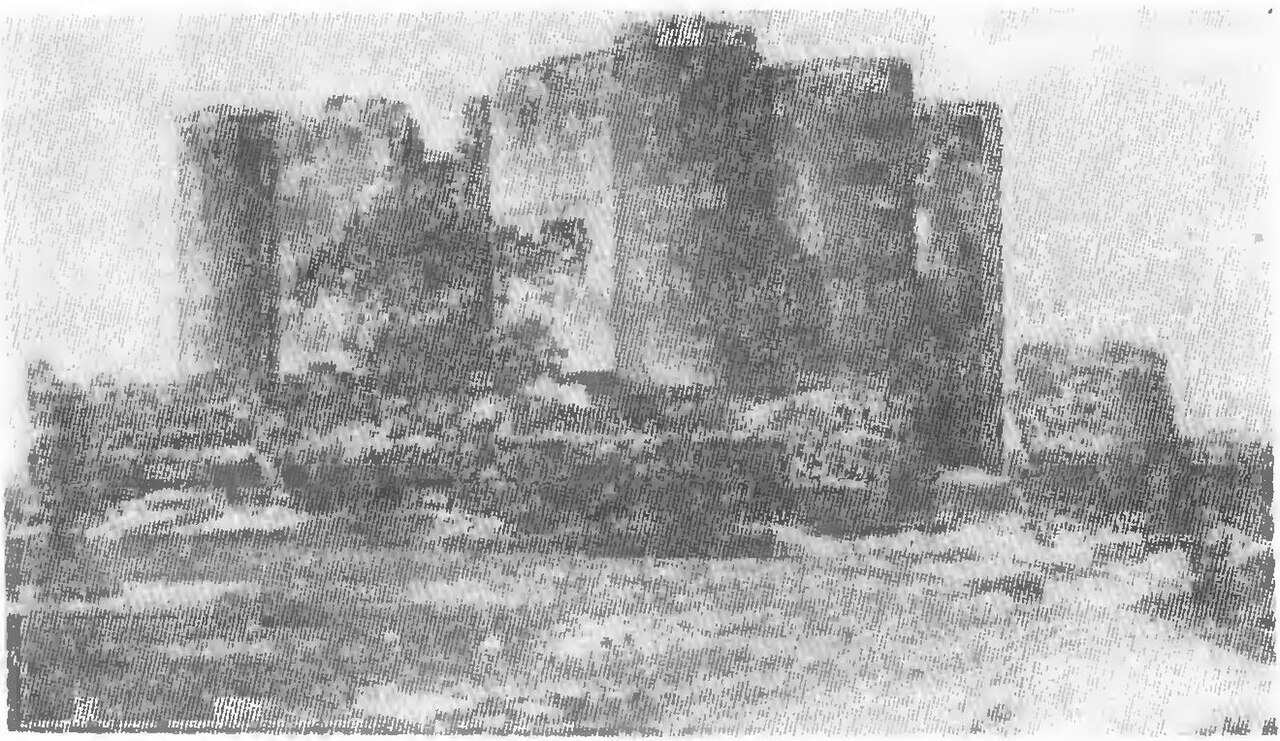
Near the entrance stands a rectangular observation tower built using reused stones from earlier structures. This tower features distinctive swallowtail-shaped metal inserts, a construction technique dating back to the Arsacid period (1st–4th centuries). The reuse of materials and architectural elements underscores a continuity of craftsmanship and the layering of historical periods within the fortress fabric.
The royal palace complex
At the highest point of the citadel lie the ruins of the royal palace, divided into northern and southern sections by a long corridor measuring 59 meters. The palace entrance was grandly designed with columns and adorned with sculptural reliefs depicting sphinxes and lions, symbols of power and protection in Armenian royal iconography.
Adjacent to the palace is a bathhouse featuring two main chambers separated by a small room housing a water reservoir and heating furnace. This bathhouse employed an underfloor hypocaust heating system, supported by six columns, with floors coated in thick waterproof plaster. The walls were painted red and decorated with leaf motifs, reflecting the artistic tastes of the period. Water was supplied to pools along the northern and southern walls via a network of clay pipes, demonstrating sophisticated plumbing technology.
Religious structures within the citadel
The citadel complex includes two significant churches that highlight the spiritual dimension of Ani’s ruling elite. The smaller palace church, located east of the palace, is possibly the oldest surviving church in Ani. This single-nave basilica with a vaulted roof faces east, consistent with Christian liturgical orientation. The eastern wall remains intact, featuring faint traces of a carved cross relief above the altar apse. However, the southern wall suffered severe damage, likely due to the 1966 earthquake.
Another notable religious building is the hexagonal church, also known as the Citadel Monastery or Saint Egiya Church. Situated on a rocky outcrop at the southern edge of the fortress, this church’s radial hexagonal plan is architecturally unique and probably dates from the late 10th or early 11th century. Although no inscriptions survive today, historical records mention an inscription from 1026 referencing Prince Abuhamr, linking the church to prominent figures in Ani’s history.
Funerary monuments and archaeological significance
Southeast of the palace stands a small tomb, likely belonging to a prince. Despite lacking inscriptions, its architectural style suggests an 11th-century origin, marking it as a significant funerary monument within the citadel. This tomb, along with the churches and palace ruins, illustrates the integration of governance, religion, and mortuary practices in medieval Ani.
Early 20th-century restoration efforts reflect ongoing interest in preserving the citadel’s historical and cultural heritage. Today, the Citadel of Ani remains an invaluable archaeological site, offering profound insights into medieval Armenian architecture, urbanism, and dynastic history.
Cultural and heritage importance
The Citadel of Ani is part of the larger Ani archaeological site, which is recognized for its outstanding medieval Armenian architectural legacy. The fortress embodies the complex history of a city that was once a vibrant political, religious, and commercial hub at the crossroads of empires. Its layered construction phases and diverse architectural elements testify to the cultural interactions between Armenian, Islamic, and Byzantine civilizations.
As a well-preserved hill castle with significant ruins of palatial, religious, and defensive structures, the citadel attracts scholars, historians, and tourists interested in medieval fortifications and Armenian heritage. Its strategic location and architectural sophistication highlight the ingenuity of medieval fortress design adapted to challenging topography and geopolitical realities.
Frequently asked questions (FAQ)
- When was the Citadel of Ani built and by whom?
- The Citadel of Ani was established in the 7th century by the Kamsarakan dynasty, an Armenian noble family governing the regions of Shirak and Arshakuniks.
- What architectural features make the Citadel of Ani unique?
- The citadel features a fortified gate with towers from the Shaddadid period, a sophisticated water supply system with clay pipes from a spring 11 kilometers away, and a royal palace with sculptural reliefs and a hypocaust bathhouse.
- Can visitors see religious buildings within the citadel?
- Yes, the citadel contains two churches: the smaller palace church, possibly the oldest in Ani, and the hexagonal Citadel Monastery or Saint Egiya Church, notable for its unique radial design.
- What is the current condition of the Citadel of Ani?
- The citadel is in ruins but retains significant architectural remains, including defensive walls, the palace, churches, and a tomb, providing valuable archaeological insights.
- Why was the water supply system critical for the citadel?
- Due to the lack of natural water sources within the citadel, the water supply system, which transported water from a spring nearly 11 kilometers away, was essential for sustaining inhabitants and withstanding sieges.
Information
Website
Visit websiteSources & official resources
Verify the information above using these authoritative references.
Loading map...
Visitor reviews
No reviews yet. Been here? Write the first review and help other travelers!
Write the first reviewVisited this castle? Share your experience
Your review helps other travelers and adds first-hand knowledge to our encyclopedia.