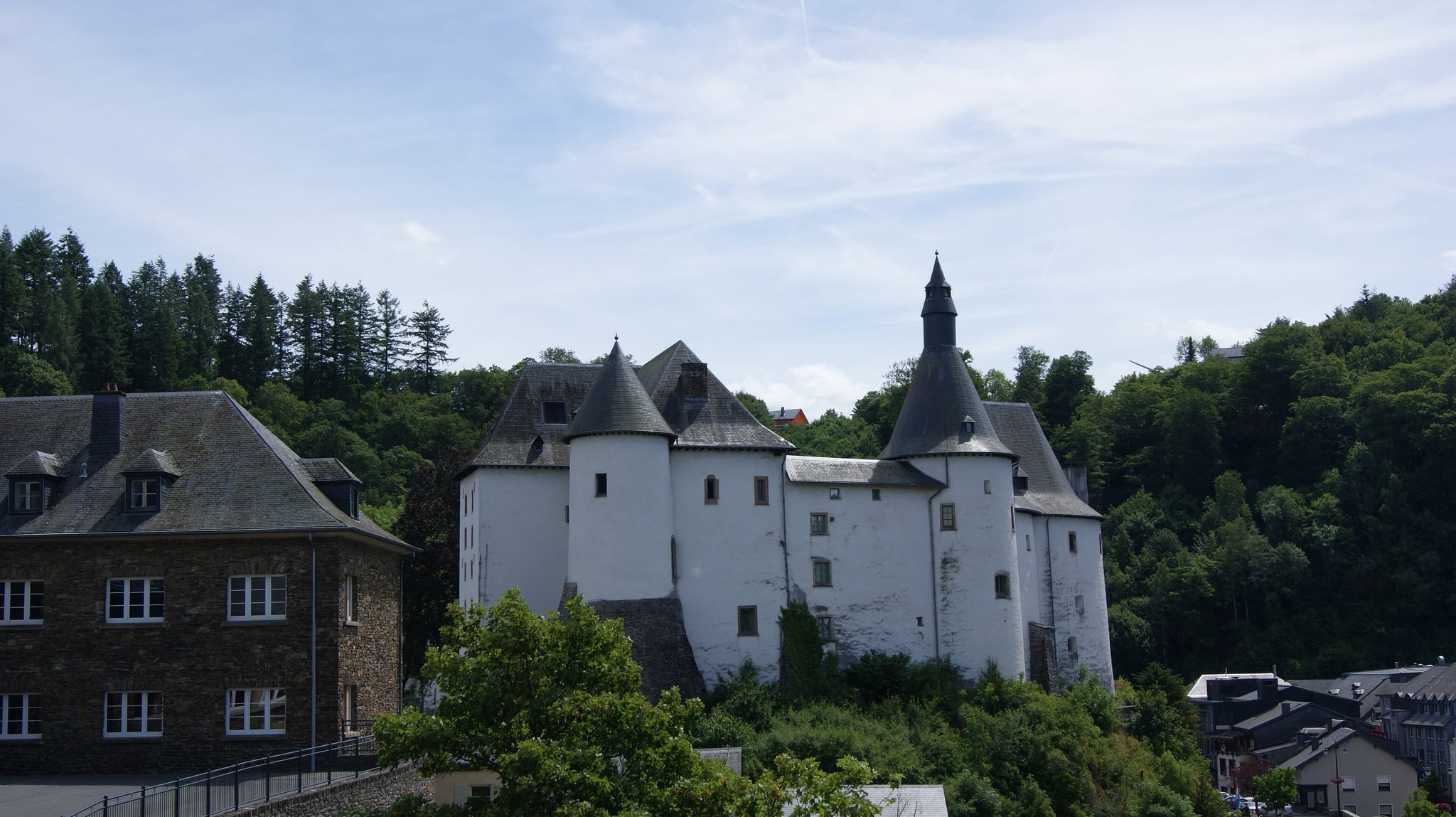
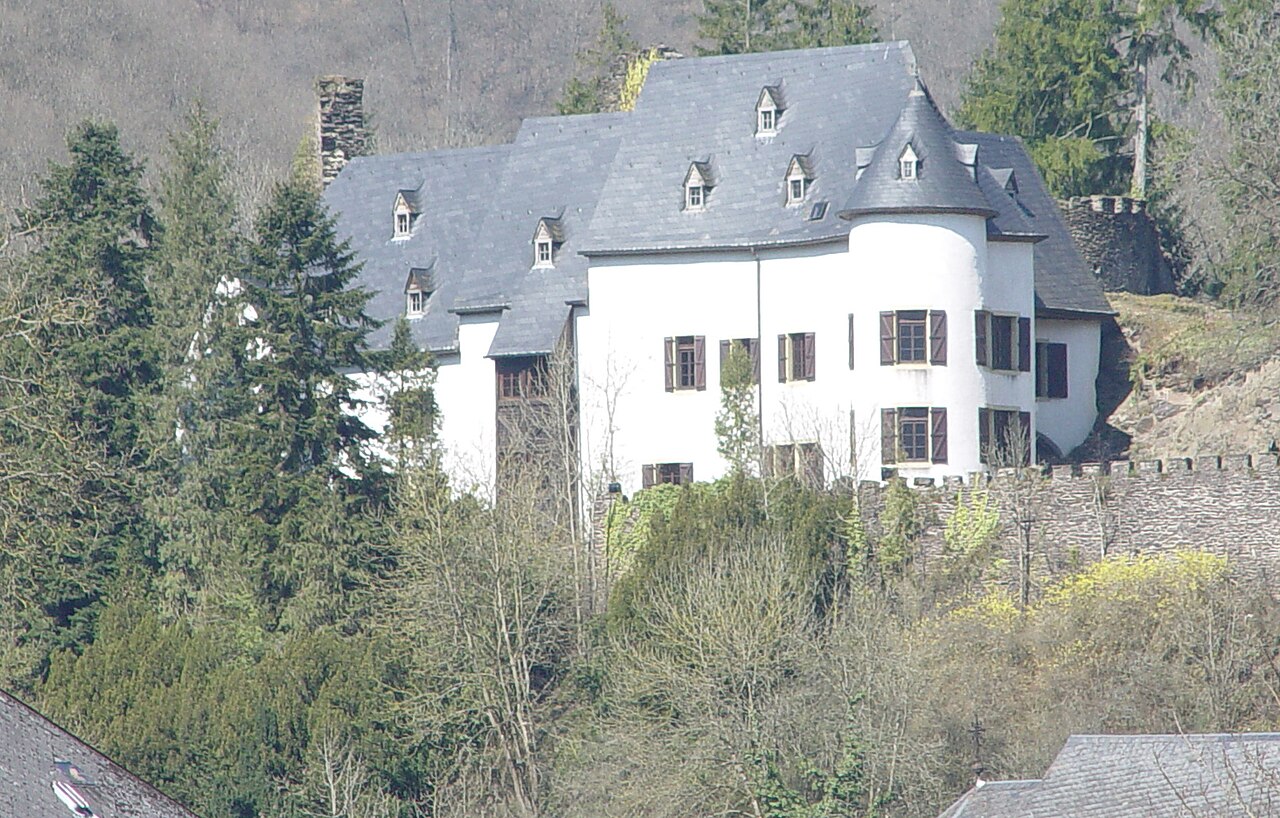
Dasburg Castle
Dasburg Castle is a significant historical fortress located in the village of Dasburg, situated near the German-Luxembourg border within the Rhineland-Palatinate region of Germany. This early medieval hill castle holds a rich history dating back to the 9th century, reflecting the strategic and political importance of the area throughout the Middle Ages and beyond.
Origins and early history
The origins of Dasburg Castle are traced back to the 9th century, when it was likely constructed under the auspices of King Pippin. The castle was initially donated to the Abbey of Prüm, a powerful religious institution that used the fortress as a place of refuge and defense. This early association with a monastic order highlights the dual religious and military roles castles played during the early medieval period.
Medieval ownership and strategic role
By the early 13th century, the castle remained under the ownership of the Abbey of Prüm but was lent to the Counts of Vianden. The Counts utilized Dasburg Castle primarily as a defensive outpost to protect their principal stronghold at nearby Vianden Castle. This arrangement underscores the castle's strategic value in regional power dynamics and territorial defense during the high medieval period.
Transition to Nassau control
In 1414, ownership of Dasburg Castle transferred to the Counts of Nassau, a prominent noble family with extensive holdings in the region. Under Nassau control, the castle continued to serve military and administrative functions, adapting to the evolving needs of the ruling families.
Later history and decline
Between 1580 and 1604, the castle was under the ownership of King William of Spain, reflecting the complex political landscape of the time, including the influence of the Spanish crown in the region. Subsequently, during the 17th and 18th centuries, the castle became the property of the Nassau-Orange family, further cementing its ties to significant European noble lineages.
Destruction and ruin
In 1813, during the Napoleonic era when the castle was held by French forces, it was sold at auction by Marshal Nicolas-Charles Oudinot. The sale included a stipulation that the castle be demolished, leading to its decline into the ruinous state seen today. This deliberate destruction was part of broader military and political strategies during the turbulent early 19th century.
Architectural features and current condition
Dasburg Castle was originally constructed as a hill castle, taking advantage of elevated terrain for defensive purposes. While much of the original structure has been lost to time and deliberate demolition, remnants of its fortifications, walls, and foundations remain visible. These ruins provide valuable insights into early medieval castle architecture and the defensive techniques employed during its time.
Present-day status and accessibility
Today, the site of Dasburg Castle serves as a small village park, freely accessible to visitors interested in history and medieval architecture. The ruins offer a tangible connection to the past, allowing exploration of the castle's footprint and its historical significance within the region.
Historical significance and cultural heritage
Dasburg Castle embodies the layered history of the Rhineland-Palatinate region, reflecting shifts in political power from monastic control to noble families and royal ownership. Its strategic location near the German-Luxembourg border made it a key military asset across centuries. The castle's story illustrates broader themes of medieval fortification, noble lineage, and the impact of European conflicts on local strongholds.
Visitors to Dasburg Castle can appreciate not only the architectural remnants but also the rich historical narrative embedded in its stones. The castle's evolution from a monastic refuge to a noble defensive outpost, and ultimately to a ruin preserved as a cultural landmark, highlights the dynamic history of medieval and early modern Europe.
Frequently asked questions (FAQ)
- How do I get to Dasburg Castle?
- Dasburg Castle is located in the village of Dasburg near the German-Luxembourg border in Rhineland-Palatinate. It can be reached by car or local transport, with the site accessible from the street An der Burg.
- What is the historical significance of Dasburg Castle?
- Dasburg Castle played a strategic role from the 9th century through the early modern period, serving variously as a monastic refuge, a noble defensive outpost, and a royal possession. Its location near the border made it important for regional defense.
- Can I visit the ruins of Dasburg Castle?
- Yes, the ruins of Dasburg Castle are freely accessible to the public as part of a small village park. Visitors can explore the remains and enjoy the historical ambiance without an entrance fee.
- When was Dasburg Castle built?
- Dasburg Castle was probably built in the 9th century, likely under the direction of King Pippin, making it an early medieval fortress.
- Why is Dasburg Castle in ruins?
- The castle was sold at auction in 1813 by Marshal Nicolas-Charles Oudinot with the condition that it be demolished. This led to its current ruined state.
Information
Address
An der Burg, Dasburg, Germany
Loading map...
Visitor reviews
No reviews yet. Been here? Write the first review and help other travelers!
Write the first reviewVisited this castle? Share your experience
Your review helps other travelers and adds first-hand knowledge to our encyclopedia.