Daneș
The Daneș fortified church stands as a remarkable example of medieval religious architecture in Romania, located in the village of Daneș. Its origins trace back to the 13th century, a period when the region saw significant settlement by Saxon colonists. These settlers brought with them their distinctive architectural styles and defensive strategies, which are evident in the fortified nature of the church complex.
Historical background and early settlement
The village of Daneș was likely inhabited by Saxon settlers as early as the 13th century. By 1348, historical records indicate that the village was under the ownership of the Cluj-Napoca Abbey, reflecting the church’s influence in the region. In 1476, a small late Gothic hall church was constructed without a tower, serving the spiritual needs of the local community.
Fortification and architectural development
Around 1503, the church underwent significant fortification when it was surrounded by defensive walls, transforming it into a fortified church. These fortifications were designed to protect the villagers during times of conflict, a common practice in Transylvania where many churches doubled as defensive structures. Despite these efforts, the village suffered devastating fires in 1505 and again less than fifty years later, which likely damaged parts of the fortifications.
Defensive features
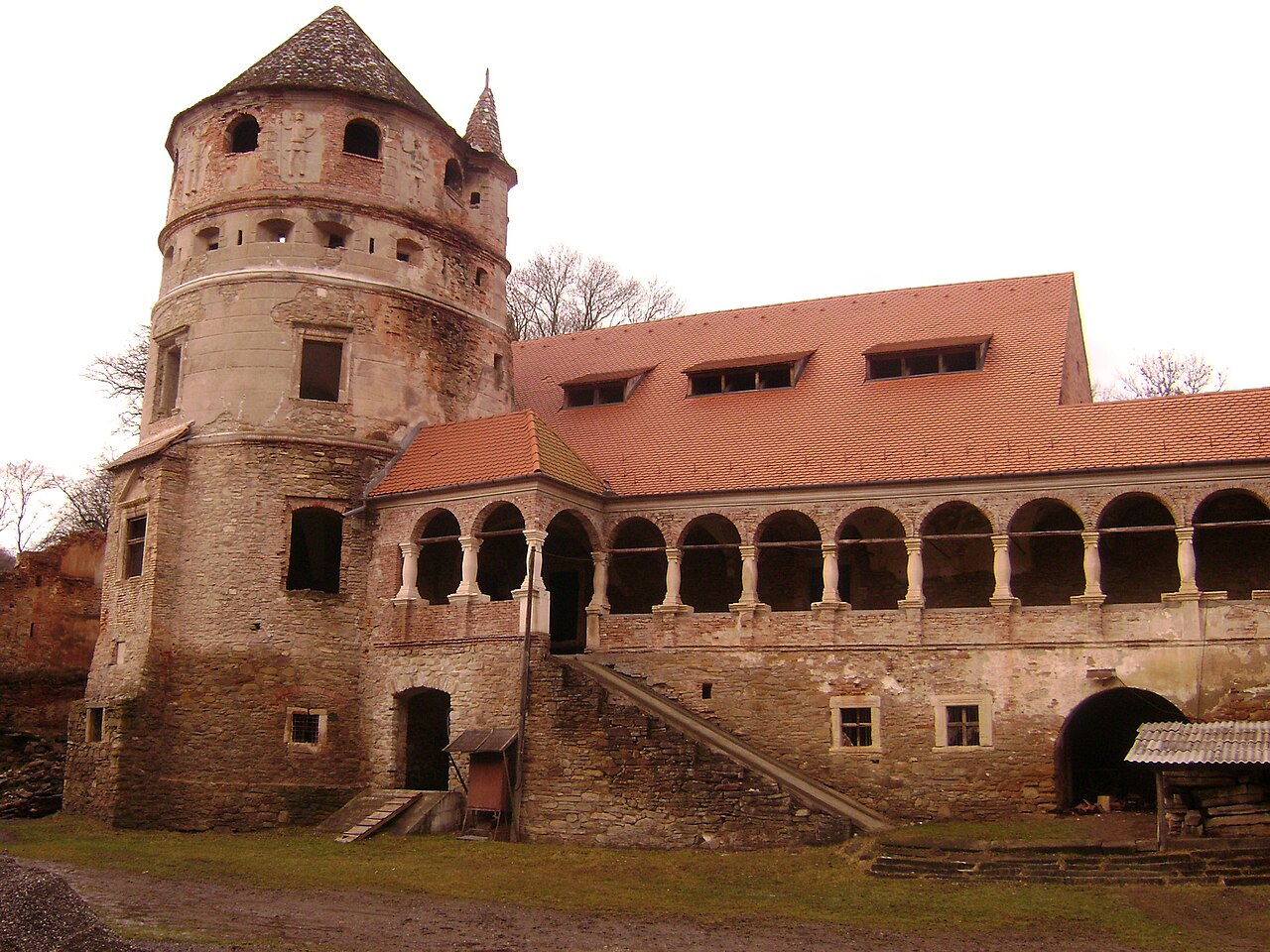
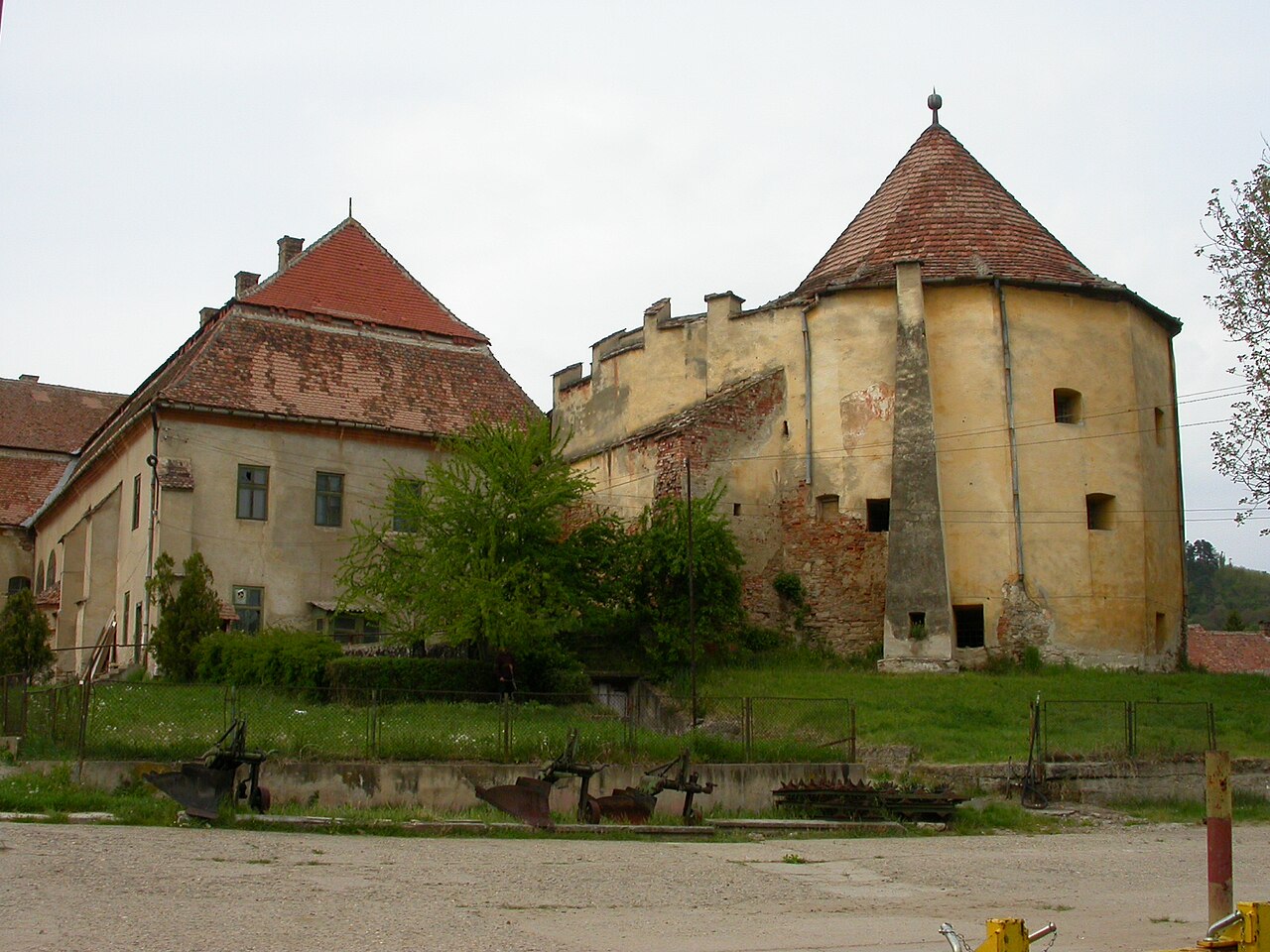
The surviving remains of the fortifications include a small fragment of the southern wall and a modest tower, which may have originally served as the gatehouse. These remnants suggest that the fortifications were relatively modest in scale but strategically important for local defense. The fortifications, however, were not impervious; in 1658, the village and its defenses were destroyed by Turkish troops, indicating the turbulent military history of the region.
Later modifications and current state
The present appearance of the church largely dates from the mid-19th century, when it underwent restoration and modifications. In 1927, a new tower was added, featuring a wooden gallery that reflects traditional architectural elements. This addition enhanced the church’s silhouette and provided a visual focal point for the village.
Preservation and significance
Today, the Daneș fortified church is well-preserved and stands as a testament to the region’s medieval heritage and the Saxon community’s historical presence. Although much of the original fortifications have been lost, the surviving structures provide valuable insight into the defensive architecture of rural Transylvanian churches. The church continues to be a site of cultural and historical importance, attracting visitors interested in medieval architecture and the history of Saxon settlements in Romania.
Architectural characteristics
The church itself is a late Gothic hall church characterized by its simple, rectangular nave and absence of a traditional bell tower in its original form. The fortification walls, typical of fortified churches in the region, were constructed to enclose and protect the sacred space and the local population during attacks. The surviving tower with its wooden gallery added in the early 20th century complements the medieval structure while showcasing vernacular architectural influences.
Materials and construction techniques
Built primarily from local stone and brick, the church and its fortifications demonstrate the practical use of available materials. The defensive walls were likely constructed with a combination of stone rubble and mortar, designed to withstand assaults but also to be economical for a small rural community. The wooden elements of the later tower addition reflect traditional carpentry techniques common in Transylvanian Saxon architecture.
Historical context of fortifications in Transylvania
Fortified churches like the one in Daneș are emblematic of the High Medieval period in Transylvania, where communities fortified their churches as refuges against frequent raids and conflicts, particularly from Ottoman incursions and local feuds. These structures served dual roles as places of worship and as defensive bastions, often forming the core of village defense systems.
Impact of Ottoman invasions
The destruction of Daneș by Turkish forces in 1658 underscores the vulnerability of even fortified settlements during the height of Ottoman expansion into Eastern Europe. Such events led to cycles of rebuilding and fortification enhancements across the region, although Daneș’s fortifications appear to have remained modest in scale.
Frequently asked questions (FAQ)
- How do I get to Daneș Castle?
- Daneș Castle is located in the village of Daneș, Romania, easily accessible by car or public transport from nearby cities like Târgu Mureș. The castle is situated on a hill, providing a scenic view of the surrounding landscape, so be prepared for a short hike to reach its entrance.
- What is the historical significance of Daneș Castle?
- Daneș Castle, built in the late 14th century, is an important example of medieval architecture in Transylvania. It served as a noble residence and played a crucial role in the region's defense during various conflicts, reflecting the historical tumult of the area.
- When was Daneș Castle built?
- Daneș Castle was constructed in the late 14th century, with its architecture showcasing the Gothic style prevalent during that period. Over the centuries, it has undergone several renovations, preserving its historical essence while adapting to modern times.
- Can I visit Daneș Castle year-round?
- Yes, Daneș Castle is open to visitors throughout the year, but it is advisable to check for any seasonal hours or special events. The best time to visit is during the spring and summer months when the weather is pleasant and the surrounding nature is in full bloom.
- Why is Daneș Castle a popular tourist destination?
- Daneș Castle attracts visitors for its rich history, stunning architecture, and picturesque views of the surrounding countryside. It offers a unique glimpse into the medieval past of Transylvania, making it a must-see for history enthusiasts and photography lovers alike.
- Is it possible to take guided tours of the castle?
- Yes, guided tours are available at Daneș Castle, providing in-depth insights into its history and architecture. These tours enhance the visitor experience, allowing you to learn about the castle's fascinating stories and legends.
- What are the opening hours for Daneș Castle?
- Daneș Castle typically opens its doors to visitors from 10 AM to 6 PM, but hours may vary depending on the season or special events. It is recommended to check the official website or local tourism information for the most accurate and up-to-date details.
- Are there any nearby attractions to visit?
- Yes, several attractions are located near Daneș Castle, including the picturesque village of Daneș and other historical sites in Transylvania. Visitors can explore charming towns, local museums, and beautiful natural landscapes in the surrounding area.
- What are the ticket prices for visiting Daneș Castle?
- Ticket prices for Daneș Castle are generally affordable, with discounts available for students and seniors. It’s best to check the official website for the latest pricing information and any special offers that might be available during your visit.
Loading map...
Visitor reviews
No reviews yet. Been here? Write the first review and help other travelers!
Write the first reviewVisited this castle? Share your experience
Your review helps other travelers and adds first-hand knowledge to our encyclopedia.