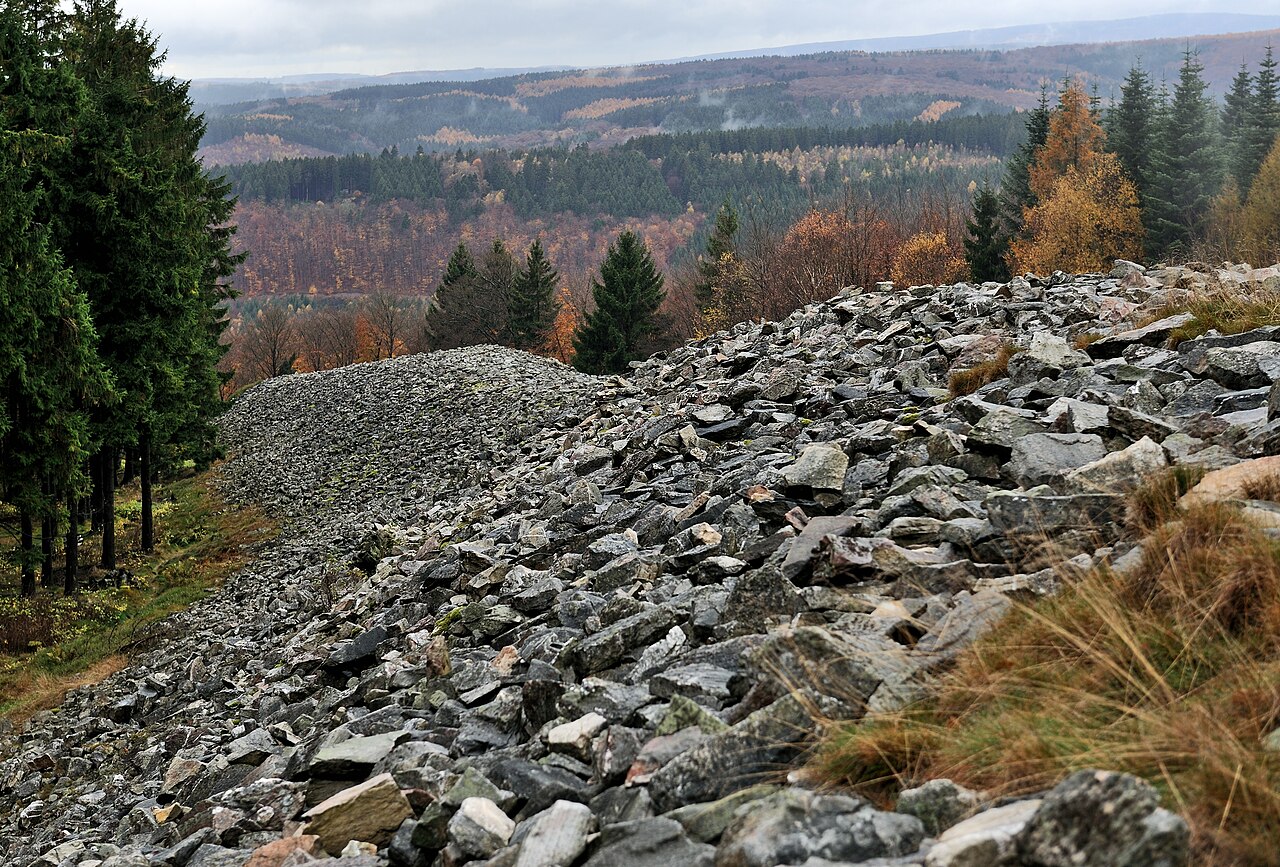
Dagstuhl Castle Ruins
Dagstuhl Castle ruins stand prominently above the modern Schloss Dagstuhl in the valley below, a historic site repurposed as a conference centre. This medieval fortress was originally constructed in the 13th century during the High Medieval period, reflecting the strategic and architectural characteristics of hill castles of that era. Founded by Knight Boemund of Saarbrücken before 1290, the castle was likely built for Bohemond I von Warnesberg, the Archbishop of Trier, a significant ecclesiastical and political figure of the time.
The strategic location and etymology of Dagstuhl Castle
The castle is uniquely situated on a hill whose shape resembles a roof, which is reflected in its name derived from the German word "Dach" meaning roof. This elevated position provided both a commanding view of the surrounding landscape and a natural defensive advantage, typical of hill castles constructed in medieval Germany. The location allowed control over local routes and served as a symbol of power for its owners.
Architectural features and layout
Though now in ruins, archaeological investigations have revealed important details about the castle's original structure. The castle likely featured a fortified keep or donjon, defensive curtain walls, and living quarters arranged to maximize defense and functionality. The steep slopes of the hill would have been integrated into the defensive design, making direct assault difficult. The ruins include remnants of walls and foundations that outline the extent of the castle complex.
Archaeological exploration and preservation
Extensive archaeological work has been conducted at the site, uncovering artifacts and structural remains that provide insight into the castle's construction techniques and historical phases. In 2004, the ruins were developed to improve public access, including pathways and informational signage, enabling visitors to explore the site safely and learn about its history. These efforts have helped preserve the site as a cultural heritage landmark.
Historical significance and context
Dagstuhl Castle was part of the network of fortifications that secured the territories of the Archbishopric of Trier, an influential ecclesiastical principality within the Holy Roman Empire. Its founder, Bohemond I von Warnesberg, played a notable role in regional politics and church affairs during the late 13th century. The castle's presence underscores the medieval practice of constructing hilltop fortresses to assert control and provide refuge during periods of conflict.
Relationship with Schloss Dagstuhl
The nearby Schloss Dagstuhl represents a later historic development in the valley beneath the castle ruins. While the castle fell into disuse and decay, the Schloss was established as a residence and has since been adapted for modern use as a conference centre, blending historical heritage with contemporary function. The proximity of these two sites offers a layered historical narrative of the region from medieval fortification to modern cultural institution.
Visiting Dagstuhl Castle ruins
Today, visitors to Dagstuhl Castle ruins can explore the remains set amidst natural surroundings that evoke the medieval landscape. The site offers educational opportunities through its archaeological displays and informational materials. Its elevated position provides scenic views and a tangible connection to the medieval past of the Saarland region. While the ruins are partial, they remain an important monument reflecting the architectural and historical legacy of the High Medieval period in Germany.
Frequently asked questions (FAQ)
- How do I get to Dagstuhl Castle Ruins?
- Dagstuhl Castle Ruins is located in Dagstuhl, Germany, and can be accessed by car or public transport. If you're driving, there are parking facilities nearby. For public transport, check local bus routes that service the area.
- What is the historical significance of Dagstuhl Castle Ruins?
- Dagstuhl Castle Ruins date back to the 12th century and were once a stronghold of the Counts of Saarbrücken. The castle played a strategic role in the region's history and has seen various architectural changes over the centuries. Today, it stands as a testament to medieval architecture and local history.
- When was Dagstuhl Castle built?
- Dagstuhl Castle was originally constructed in the early 12th century, around 1100 AD. It has undergone several renovations and changes throughout its history, reflecting the architectural styles of different periods. The ruins today give visitors a glimpse into the castle's storied past.
- Can I visit Dagstuhl Castle Ruins year-round?
- Yes, Dagstuhl Castle Ruins are open to visitors year-round. However, it's advisable to check local weather conditions, as some paths may be less accessible during winter months. Always plan your visit for the best experience.
- Why is Dagstuhl Castle Ruins a popular tourist attraction?
- Dagstuhl Castle Ruins attract visitors due to their rich history and picturesque location atop a hill. The panoramic views of the surrounding landscape make it an ideal spot for photography and exploration. Additionally, the ruins are a great place for history enthusiasts to learn about the region's medieval heritage.
- Is it possible to explore the castle grounds freely?
- Yes, visitors are generally allowed to explore the castle grounds freely. However, some areas may have restrictions for safety reasons, so it's important to follow posted signs and guidelines. Enjoy wandering through the ruins and taking in the historical ambiance.
- What are the opening hours for Dagstuhl Castle Ruins?
- Dagstuhl Castle Ruins are typically open from dawn until dusk, allowing visitors ample time to explore throughout the day. During certain seasons, hours may vary, so it’s best to check local tourism websites for the most up-to-date information before your visit.
- Are there any ticket prices for visiting Dagstuhl Castle Ruins?
- Visiting Dagstuhl Castle Ruins is free of charge, making it an accessible destination for all. There may be costs associated with guided tours or nearby attractions, so it's wise to budget accordingly if you plan to participate in those activities.
- What is the best time to visit Dagstuhl Castle Ruins?
- The best time to visit Dagstuhl Castle Ruins is during the spring and early fall when the weather is mild and the scenery is vibrant. These seasons offer beautiful views and comfortable temperatures for exploration. Summer can be busy with tourists, while winter may have limited accessibility.
- What nearby attractions should I consider visiting?
- In addition to Dagstuhl Castle Ruins, nearby attractions include the historic town of Dagstuhl and scenic hiking trails in the surrounding forests. The area is rich in natural beauty and offers opportunities for outdoor activities. Don't miss the chance to explore the local culture and cuisine while you're in the region.
Information
Loading map...
Visitor reviews
No reviews yet. Been here? Write the first review and help other travelers!
Write the first reviewVisited this castle? Share your experience
Your review helps other travelers and adds first-hand knowledge to our encyclopedia.