Czaplinek
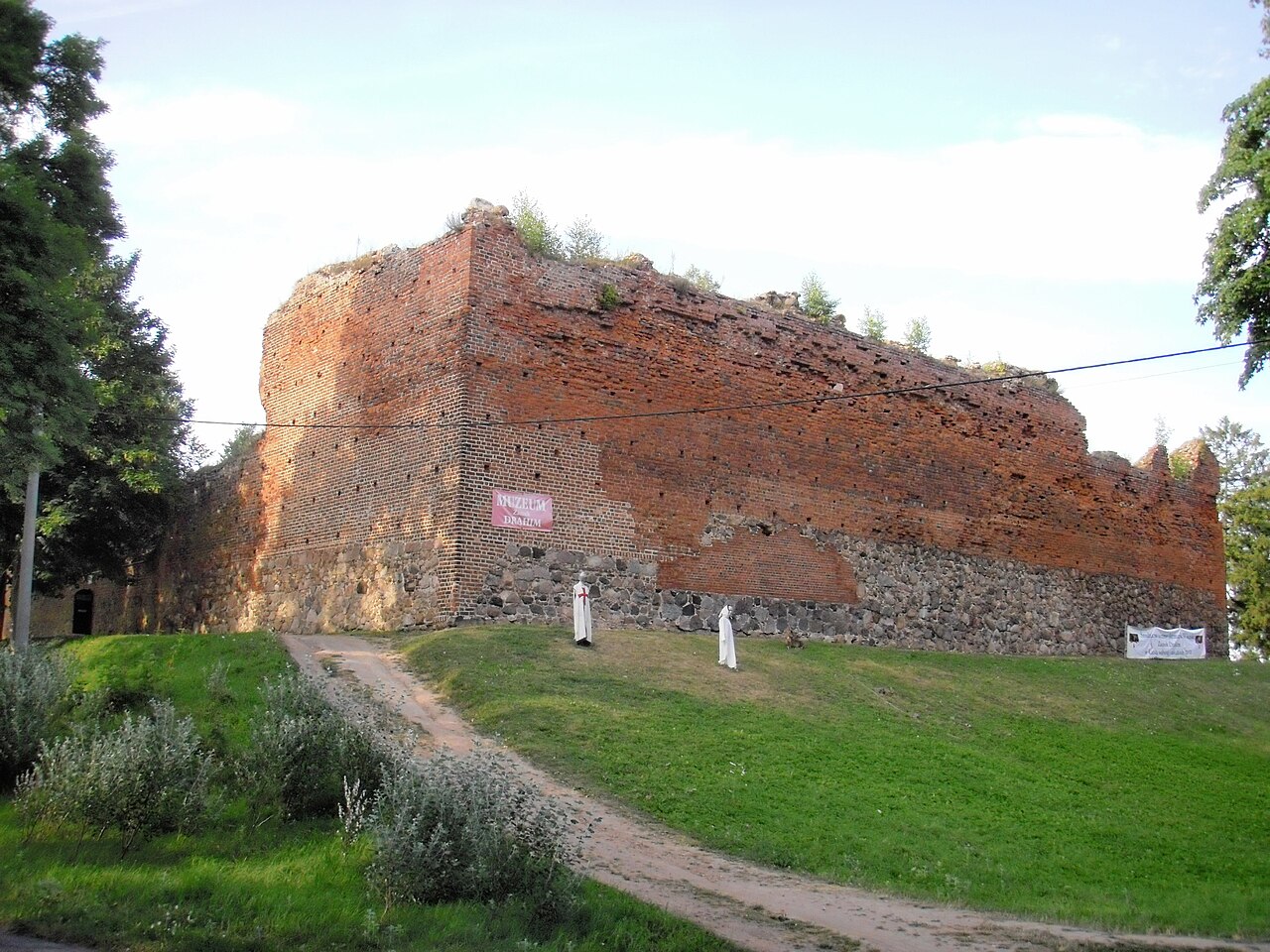
Czaplinek Castle stands as a significant medieval fortress located in Czaplinek, Poland. Founded in the late 13th century, it was originally established by the Order of the Knights Templar under the auspices of Prince Przemysław II. On 21 November 1290, Przemysław II granted the Templars lands around Drawsko Lake with the strategic intention that they would defend the borders of Greater Poland against incursions by the Pomeranian dukes. This military and religious order established the Tempelborch commandery with its seat in Czaplinek, marking the beginning of the castle's history.
The origins and early construction
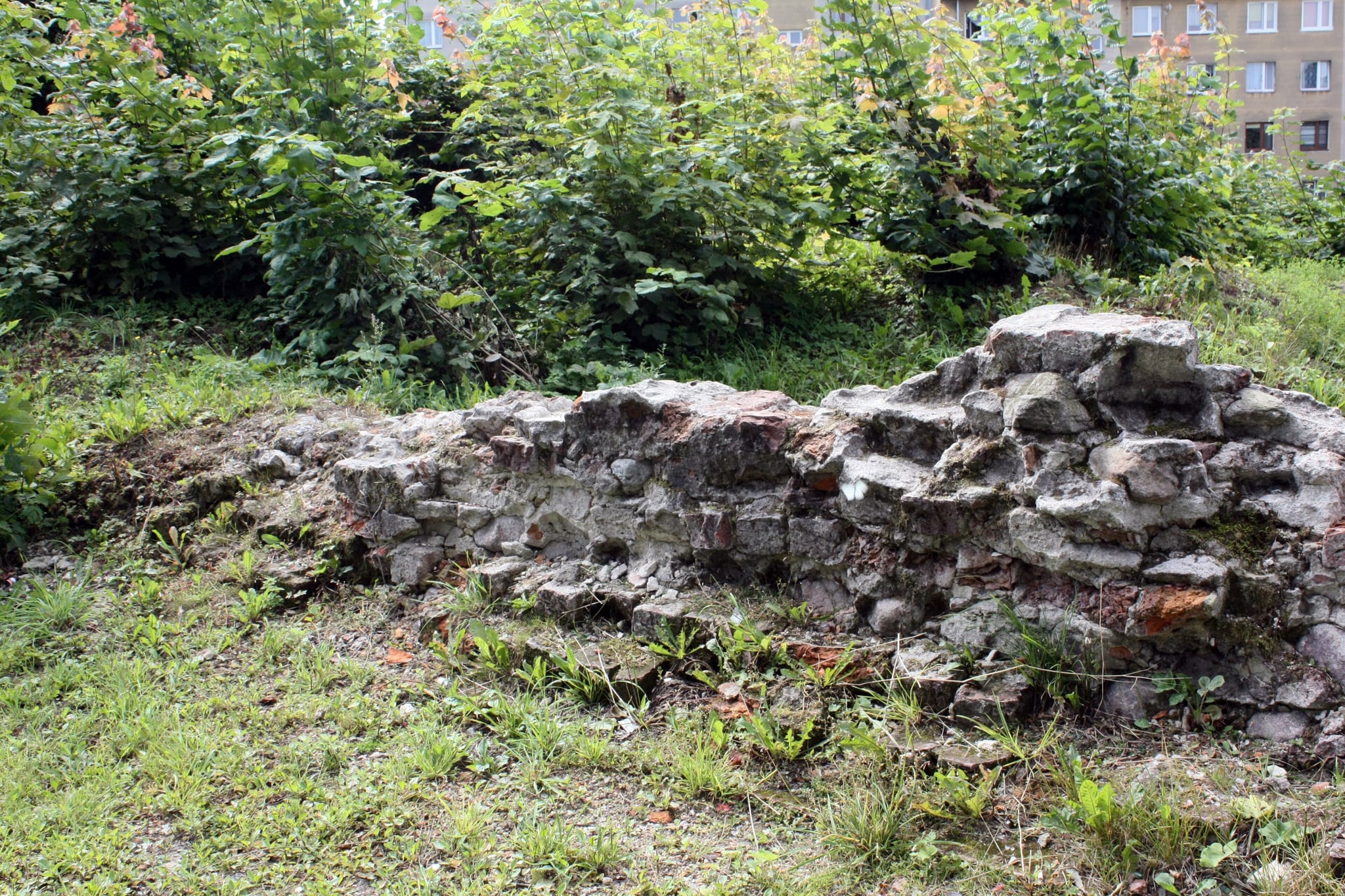
The exact location of the original Templar castle remains uncertain. Two main hypotheses exist: one places the castle on the south-east shore of Drawsko Lake, while the other, considered more probable, locates it at the site of the present-day Church of the Holy Trinity. The absence of surviving remains from the initial Templar fortress suggests it was likely a wooden structure fortified with an earthen rampart and palisade, typical of early medieval fortifications.
The impact of political turmoil and the Templar dissolution
Following the assassination of King Przemysław II in 1296, the Margraviate of Brandenburg seized parts of Greater Poland, including the Tempelborch commandery. The Templars' growing influence and reputed wealth made them targets of political and religious conflict, culminating in their suppression by King Philip IV of France and the Papal bull of Clement V in 1312, which officially disbanded the order. Their holdings in Pomerania were transferred to the Order of Saint John (the Johannites).
Transition to Johannite control and Brandenburg resistance
Despite the papal decree, the Brandenburg Ascanian dynasty resisted relinquishing the Czaplinek lands. Only after the death of the last Ascanian ruler in 1313 did the territory pass to the Bishops of Kamień, who subsequently granted it as a fief to knights Herman Roden and Wyszkin von Verbecke. The official takeover by the Johannites occurred in 1345, with Gebhard von Bortfelde appointed as the first commander of the Tempelborch commandery. Czaplinek remained the primary seat of the order in the region.
Military conflicts and castle destruction
In 1354, during the Pomeranian-Brandenburg war, the castle suffered substantial damage during a siege by Pomeranian forces. An agreement between the Johannites and the Brandenburg margrave Louis obligated Brandenburg to assist in the castle's reconstruction. The political landscape shifted again under the reign of King Casimir III the Great, who aimed to reclaim lost Polish territories. By 1365, Polish forces had captured Drezdenko and Santok, and the 1368 Drawsko agreement saw Brandenburg's margrave Otto cede the Tempelborch commandery to Poland, with the Johannites becoming vassals to the Polish crown.
Further conflicts and decline
In 1378, Pomeranian dukes Świętobór III of Szczecin and Warcisław VII of Szczecinek launched raids that devastated the lands of the Polish voivode Czarnkowski. Returning from this campaign, Pomeranian troops attacked the Johannite estates, capturing Czaplinek and Machliny, while only the castle at Drahim resisted successfully. Following these events, the castle at Czaplinek was not rebuilt.
Later history and legacy
After King Władysław Jagiełło captured the castle at Drahim in 1407, the Johannites finally abandoned the Czaplinek lands. The former commandery territory was reorganized into a non-fortified starosty with its seat at Drahim Castle. Today, Czaplinek Castle is recognized as a restored hill castle that reflects the complex medieval history of the region, marked by religious military orders, territorial disputes, and shifting sovereignties.
Architectural features and significance
Though the original Templar castle was likely a simple wooden fortification, the later Johannite presence would have introduced more substantial stone constructions typical of high medieval military architecture. The castle's strategic location on a hill provided natural defensive advantages, complemented by fortifications adapted over time to withstand sieges and conflicts. The castle's ruins and restored sections offer valuable insights into the military and religious architecture of the period.
Visiting Czaplinek Castle today
Visitors to Czaplinek Castle can explore its restored structures and learn about its rich history through onsite displays and guided tours. The castle's setting near Drawsko Lake also offers scenic views and opportunities for cultural tourism. The site serves as a testament to the medieval military orders' role in shaping the borderlands of Poland and the enduring legacy of their fortifications.
Frequently asked questions (FAQ)
- When was Czaplinek Castle built and by whom?
- Czaplinek Castle was founded in 1296 by the Knights Templar after receiving lands from Prince Przemysław II to defend Greater Poland's borders.
- What happened to the castle during the Pomeranian-Brandenburg war?
- The castle was heavily damaged during the 1354 siege by Pomeranian forces but was later rebuilt with Brandenburg's assistance.
- Why did the Knights Templar lose control of Czaplinek?
- The Knights Templar were disbanded by Pope Clement V in 1312, and their lands, including Czaplinek, passed to the Order of Saint John.
- Is Czaplinek Castle open to visitors today?
- Yes, Czaplinek Castle is restored and open to visitors, offering tours and historical exhibits about its medieval past.
- Where is Czaplinek Castle located?
- Czaplinek Castle is located in the town of Czaplinek, in the West Pomeranian Voivodeship of Poland, near Drawsko Lake.
Information
Loading map...
Visitor reviews
No reviews yet. Been here? Write the first review and help other travelers!
Write the first reviewVisited this castle? Share your experience
Your review helps other travelers and adds first-hand knowledge to our encyclopedia.