Cullahill Castle
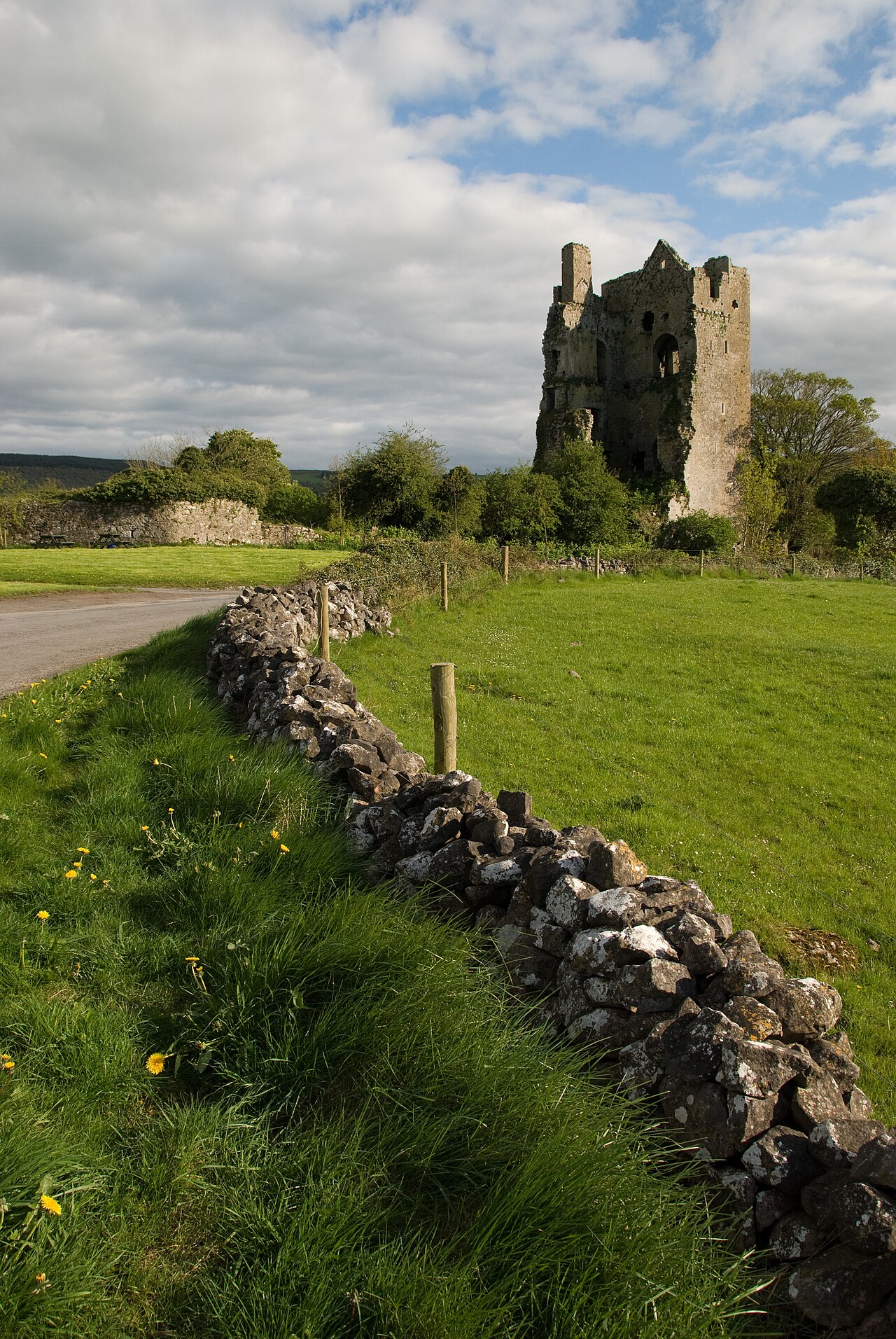
Cullahill Castle stands as a significant example of a 15th-century Gaelic tower house strategically positioned on a hill near the village of Cullahill in County Laois, Ireland. Constructed around 1425 by Finghin MacGillapatrick, chieftain of the MacGillapatrick clan, it served as the principal defensive stronghold and residence of the rulers of the Upper Ossory territory. This castle reflects the turbulent history of Ireland during the late medieval period, marked by frequent conflicts between Gaelic lords and English crown forces.
Historical context and significance
The MacGillapatricks, a powerful Gaelic family, established Cullahill Castle as a symbol of their authority and military strength in the region. The castle’s location on elevated terrain provided a commanding view of the surrounding landscape, essential for defense and surveillance. Throughout the 15th and 16th centuries, the castle was a focal point in the ongoing struggle for control between the native Irish clans and the expanding influence of the English crown.
Notably, the castle endured assaults in 1441 and 1517 when forces loyal to the English monarchy, including local militias from Kilkenny, besieged it. These attacks were part of broader efforts by King Henry VI and later King Henry VIII to assert dominance over Gaelic territories. The castle’s resilience during these sieges underscores its strategic importance and the determination of its defenders.
During the Irish Confederate Wars in the mid-17th century, Cullahill Castle again played a military role as a base for Irish Confederate troops. Around 1650, it faced a decisive siege by Oliver Cromwell’s New Model Army. Cromwell’s forces deployed artillery from a nearby hill, subjecting the castle to heavy bombardment that inflicted severe structural damage. By 1657, the castle was recorded as deserted and in ruins, marking the end of its active use as a fortress and noble residence.
Architectural features and design
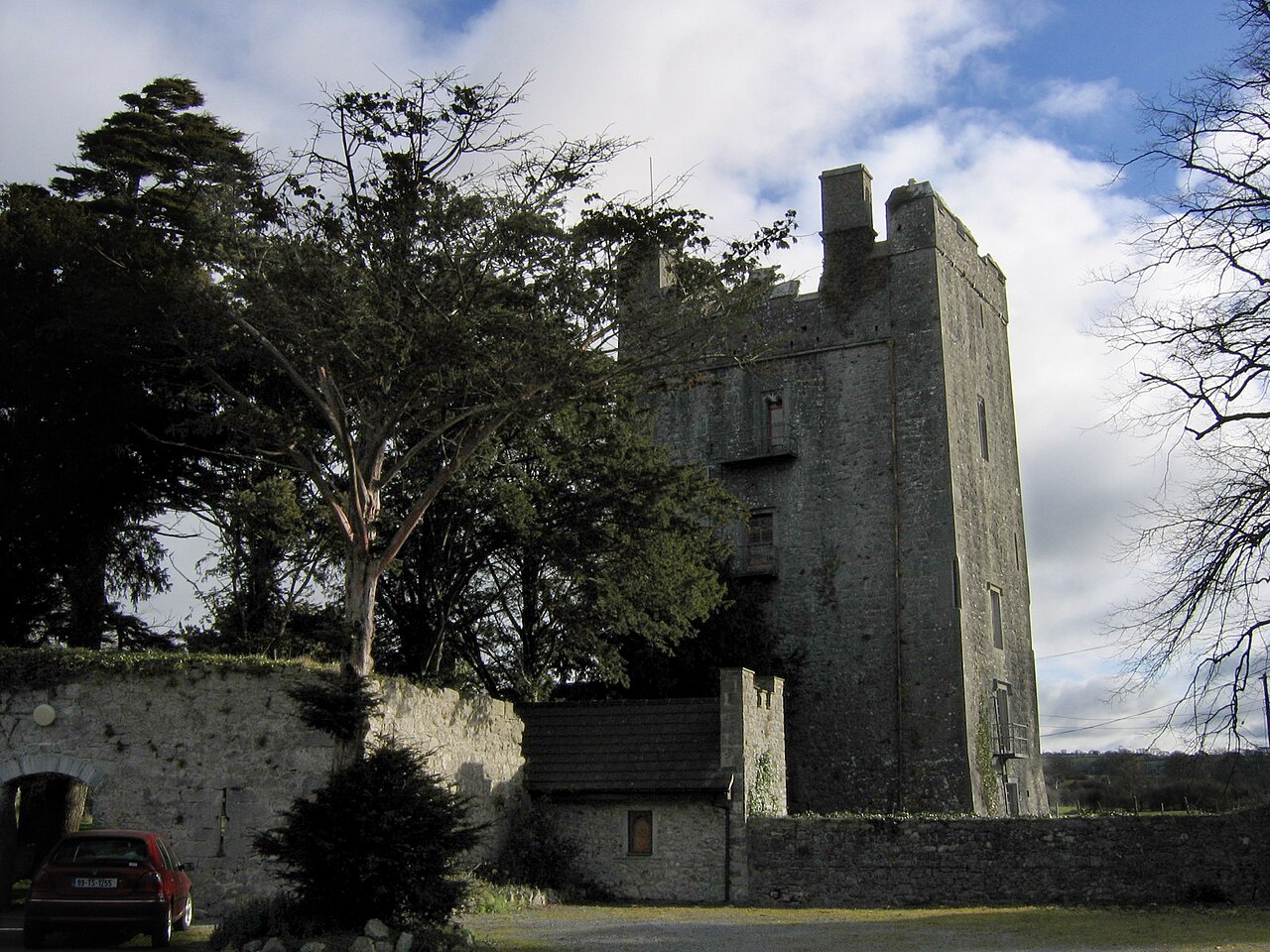
Cullahill Castle is a large five-storey tower house, a common form of fortified residence in late medieval Ireland. Its construction utilized thick stone walls designed to withstand attacks and provide protection for its inhabitants. The castle’s elevated position on a hill enhanced its defensive capabilities, allowing for early detection of approaching enemies.
Structural elements
The ground floor features vaulted ceilings formed by robust arched stonework, which not only provided strength but also fire resistance. Within the walls are mural chambers—hidden spaces embedded in the thickness of the walls—likely used for storage, hiding, or defense. A straight mural staircase built into the wall connects the floors, a typical feature of tower houses that maximized interior space.
Upper floors contain remnants of mullioned windows, indicating the presence of glazed openings that allowed light while maintaining defense. These windows reflect the blend of residential comfort and military necessity characteristic of such castles.
Defensive and symbolic features
The castle’s main entrance, located on the northern side, has largely collapsed, exposing the interior and revealing the original layout. Battlements and narrow slit windows would have been integral to the castle’s defense, enabling archers and lookouts to monitor and repel attackers.
A unique and culturally significant feature of Cullahill Castle is the Sheela na Gig carving found on the exterior wall behind the chimney. This stone figure of a female with exaggerated genitalia is traditionally believed to ward off evil spirits and protect the building. Such carvings are rare and provide insight into the spiritual beliefs and artistic expressions of the castle’s medieval inhabitants.
Associated structures and religious significance
Opposite the castle across the road lie the ruins of a small private chapel once used by the lords of Upper Ossory. This chapel highlights the close relationship between the castle’s occupants and their religious practices during the late medieval period. The presence of a dedicated chapel underscores the importance of faith and the integration of spiritual life within the castle’s domain.
Current condition and heritage value
Today, Cullahill Castle stands as a partially preserved ruin, with significant portions of its northern section collapsed. The exposed interiors provide valuable insight into the construction techniques and living conditions of Gaelic tower houses. The castle is an important cultural and historical landmark in County Laois, attracting visitors interested in medieval architecture and Irish history.
Its distinctive features, including the Sheela na Gig carving and well-preserved vaulted ground floor, contribute to its significance as a heritage site. Preservation efforts focus on stabilizing the remaining structure to prevent further decay while allowing public access to this evocative symbol of Ireland’s medieval past.
Frequently asked questions (FAQ)
- How do I get to Cullahill Castle?
- Cullahill Castle is located near the village of Cullahill in County Laois, Ireland. Visitors can reach it by car via local roads from nearby towns such as Kilkenny and Portlaoise. Public transport options are limited, so driving is recommended.
- What is the historical significance of Cullahill Castle?
- Cullahill Castle was the main stronghold of the MacGillapatrick clan in the 15th century and played a key role in regional conflicts during the late medieval period. It witnessed sieges by English crown forces and was used during the Irish Confederate Wars, reflecting Ireland's turbulent history.
- Can I visit the interior of Cullahill Castle?
- The castle is a partially preserved ruin with exposed interiors due to collapsed sections. Visitors can explore the visible vaulted ground floor and mural chambers, but should exercise caution as some areas may be unstable.
- What architectural features are notable at Cullahill Castle?
- Notable features include the large five-storey tower house design, vaulted ceilings on the ground floor, mural chambers, a straight mural staircase, mullioned window remnants, and the unique Sheela na Gig carving on the exterior wall.
- Is there a chapel near Cullahill Castle?
- Yes, ruins of a small private chapel used by the lords of Upper Ossory stand opposite the castle across the road, highlighting the religious practices of its medieval occupants.
Information
Loading map...
Visitor reviews
No reviews yet. Been here? Write the first review and help other travelers!
Write the first reviewVisited this castle? Share your experience
Your review helps other travelers and adds first-hand knowledge to our encyclopedia.