Croft Castle
Croft Castle stands as a remarkable example of English heritage, combining a rich medieval legacy with later architectural evolutions. Located near Yarpole in Herefordshire, England, this historic estate has been associated with the Croft family for over a millennium. The castle itself, a 17th-century manor house, is nestled within a vast 1,500-acre landscape of woodland, farmland, and parkland, offering visitors a unique blend of history, nature, and culture.
The castle is a National Trust property open to the public, where visitors can explore not only the architectural heritage but also the extensive grounds featuring scenic walks, ancient trees, and restored valleys. The estate hosts regular events and exhibitions that celebrate its deep historical roots and natural beauty.
Historical background and lineage
The origins of Croft Castle trace back to the late 11th century, with the earliest known owner, Bernard de Croft, recorded in the Domesday Book of 1086. The Croft family maintained a significant presence in the region, closely allied with the powerful Mortimer family of Wigmore and Ludlow, influential figures in medieval English politics. The estate's lands were the site of the Battle of Mortimer’s Cross in 1461, a pivotal conflict during the Wars of the Roses, linking the castle to major historical events.
In the 15th century, the family further cemented their status through marriage when Sir John de Croft wed Janet, daughter of Welsh leader Owain Glyndŵr. This union introduced the Welsh Wyvern crest to the family, symbolizing a blend of English and Welsh noble traditions and reflecting the complex cultural identity of the borderlands.
Financial difficulties arising from the South Sea Bubble crisis in the early 18th century forced the Crofts to sell the estate in 1746. It was acquired by Richard Knight, an ironmaster, whose son-in-law, Thomas Johnes, commissioned significant remodeling in the 1760s. The work, led by architect Thomas Farnolls Pritchard, incorporated Rococo-Gothic elements, reflecting the fashionable tastes of the period.
The castle changed hands again in 1799 and returned to the Croft family in 1923 when Katherine, Lady Croft repurchased it. The early 20th century saw alterations by architect Walter Sarel, including the removal of some Gothic features and the demolition of a 17th-century service wing to reduce the building's scale.
Architectural evolution and features
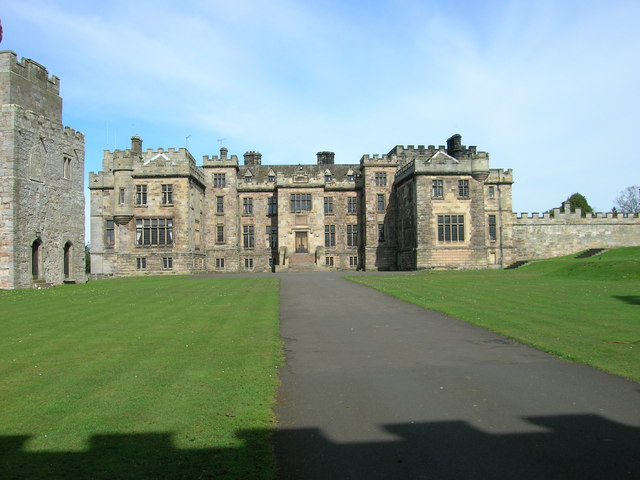
The current structure mainly dates from the 1660s, built under Herbert Croft, Bishop of Hereford, replacing an earlier medieval building. It is a stone manor house arranged in a quadrangle around a central courtyard. Notable features include round towers at the corners and a square bay on the north side. The presence of stone mullion windows on all sides highlights the building’s early medieval revival style.
The north wing exhibits Elizabethan architectural elements, while the other wings were rebuilt in a Georgian style after 1746. Original crenellated parapets were mostly removed during renovations in the 18th and early 20th centuries, reflecting changing aesthetic preferences and functional needs.
The 1760s remodeling introduced Georgian sash windows, plaster ceilings, a Gothic-style staircase, and intricately crafted chimneypieces by skilled artisans. Walter Sarel’s work in 1913 included replacing the central Gothic entrance with a battlemented porch and mullioned bay window, adding oak paneling to the entrance hall, and redesigning the dining room to blend historic charm with modern comfort.
Estate grounds and landscaping
The estate features a three-acre walled garden, a Georgian stable block, and an avenue of Sweet Chestnut trees planted over 400 years ago, demonstrating the long history of landscape management and horticultural interest.
The Fishpool Valley within the grounds showcases 18th-century landscaping with a series of descending ponds, a grotto, a Gothic pumphouse, an ice house, and a lime kiln. These features have been carefully restored to reflect their original scenic design, offering visitors a glimpse into historic garden aesthetics and estate life.
Church of st michael and archaeological significance
Nearby stands the Church of St Michael, a 14th-century Grade I listed building that enriches the historical landscape. The church contains 17th-century box pews, medieval floor tiles from Malvern, and a tomb for Sir Richard and Eleanor Croft that resembles the tomb of Henry VII in Westminster Abbey. The altar ceiling is decorated with 17th-century painted clouds and gilded stars, enhancing its artistic and spiritual significance.
The parkland also encompasses the Iron Age hill fort known as Croft Ambrey, indicating the area's long history of human occupation predating the castle. Archaeological excavations in 2002 uncovered remains of an earlier house near the current building, further attesting to the site's enduring importance.
Visitor experience and public access
Today, Croft Castle is a vibrant cultural and historical destination. The National Trust manages the property, preserving its architectural heritage and natural environment. Visitors can enjoy extensive walking trails through ancient woodlands and parkland, explore the castle interiors, and participate in seasonal events and exhibitions that highlight the estate's rich history.
Family-friendly amenities include two children's play areas: a mini castle play area near the tea room and a natural play area close to the woods. The estate's opening dates vary seasonally, so visitors are encouraged to check current schedules before planning their visit.
The castle remains partly occupied by the Croft family, maintaining a living connection to its historic roots. This blend of private residence and public heritage site enriches the visitor experience, offering insights into both the past and present life of this storied estate.
Frequently asked questions (FAQ)
- How do I get to Croft Castle?
- Croft Castle is located in Yarpole, near Leominster in Herefordshire, United Kingdom. You can reach the castle by car, with ample parking available on-site, or by public transport, with nearby bus services connecting to local towns.
- What are the opening hours of Croft Castle?
- Croft Castle is open to visitors from 10:30 AM to 5:00 PM during the high season, typically from March to October. During the low season, the opening hours may vary, so it's advisable to check the official website for the most current information before your visit.
- Can I bring my dog to Croft Castle?
- While dogs are not permitted inside the castle itself, they are welcome in the grounds as long as they are kept on a lead. This allows you to enjoy the scenic surroundings of the castle with your furry friend.
- When was Croft Castle built?
- Croft Castle dates back to the 11th century, with significant renovations occurring in the 17th century. The castle showcases a blend of architectural styles, reflecting its long and varied history.
- Why is Croft Castle historically significant?
- Croft Castle is significant for its association with the Croft family, who have lived there for over 1,000 years. It also played a role in the English Civil War, providing a glimpse into the turbulent history of England.
- Is it possible to take guided tours at Croft Castle?
- Yes, guided tours are available and provide an in-depth look at the castle's history and architecture. These tours are led by knowledgeable guides who can share fascinating stories and insights about the castle and its occupants.
- What is the ticket price for visiting Croft Castle?
- Ticket prices for Croft Castle vary depending on age and membership status, with discounts available for children, seniors, and families. It's best to check the official website for the latest pricing information and any special offers.
- What is the best time to visit Croft Castle?
- The best time to visit Croft Castle is during the spring and summer months when the gardens are in full bloom, and the weather is typically pleasant. Special events and activities often take place during this period, enhancing your experience.
- Are there any nearby attractions to visit?
- Yes, there are several attractions near Croft Castle, including the picturesque village of Yarpole and the beautiful Herefordshire countryside. Additionally, nearby historical sites and gardens provide plenty of options for a full day of exploration.
Information
Website
Visit websiteSources & official resources
Verify the information above using these authoritative references.
Loading map...
Visitor reviews
No reviews yet. Been here? Write the first review and help other travelers!
Write the first reviewVisited this castle? Share your experience
Your review helps other travelers and adds first-hand knowledge to our encyclopedia.