Cresswell Castle
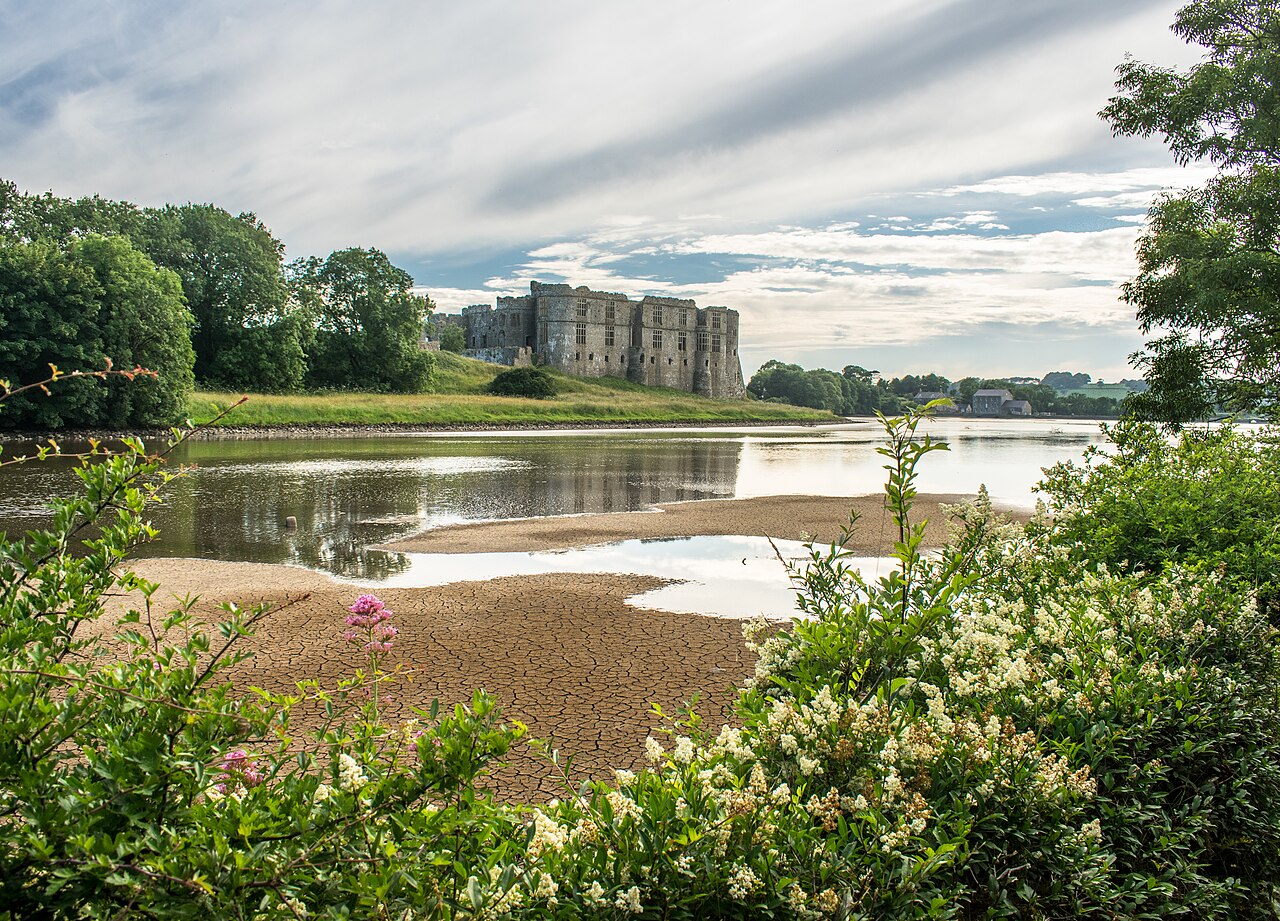
Cresswell Castle is a notable example of a 13th-century fortified manorial complex located half a mile north of the village of Cresswell Quay in Pembrokeshire, Wales. Positioned on the banks of the River Cresswell at its highest navigable point, the castle occupies a strategic riverside location that once combined defensive and domestic functions. The castle's origins trace back to the High Medieval period, founded by the Augustinian Priory of Haverfordwest during the 13th century, reflecting the ecclesiastical influence on regional fortifications of that era.
Architectural layout and defensive features
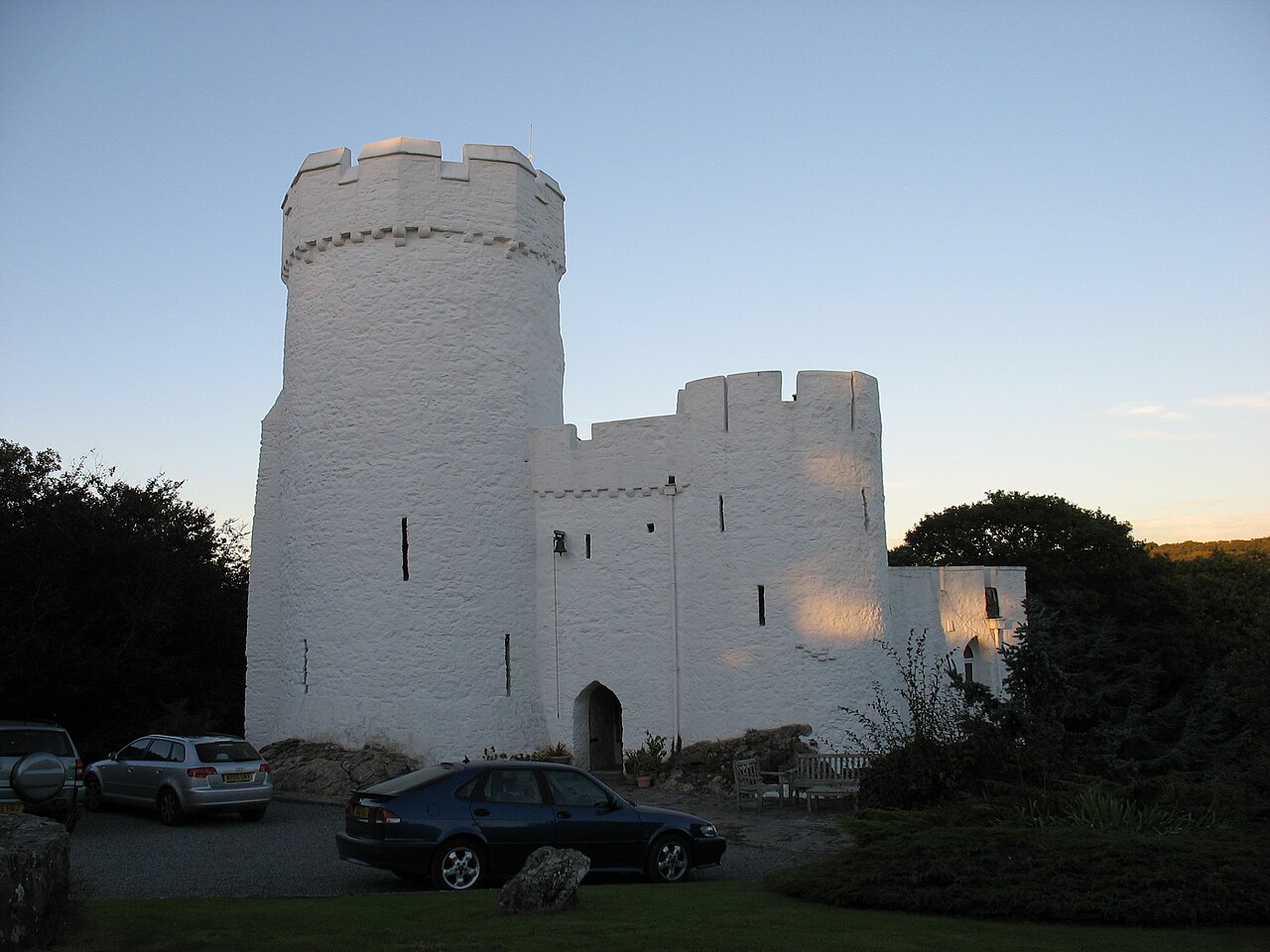
The castle's design is centered around a rectangular courtyard approximately 30 by 20 meters in size, enclosed by a curtain wall that integrates small circular towers at each of its four corners. These towers served defensive purposes, providing vantage points for surveillance and protection. The largest of these corner towers was uniquely constructed as a dovecote, indicating a blend of practical domestic use alongside military architecture. The curtain wall and towers exemplify typical High Medieval defensive architecture adapted for a manorial residence rather than a full-scale military fortress.
Building composition
Cresswell Castle comprises a range of three main buildings arranged along the perimeter of the courtyard. These buildings originally served as the fortified manor's living quarters and service areas. Over time, especially during the 16th and 17th centuries, the complex underwent significant alterations that shifted its character from a defensive stronghold to a more comfortable domestic manor house.
Historical transformations and ownership
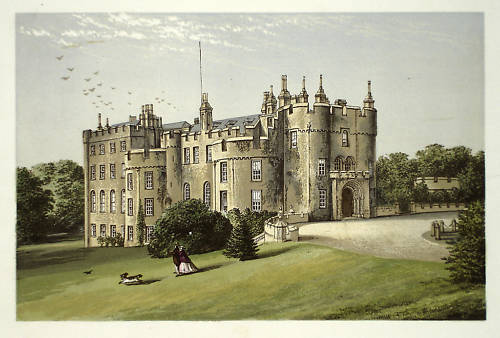
During the 16th century, the castle was acquired by the Barlow family of Slebech, who transformed it extensively. They introduced features typical of a manor house, including stables, gardens, and fishponds, reflecting the changing needs and tastes of the period. These modifications marked a departure from the castle's original military purpose, emphasizing residential comfort and estate management.
The castle appears to have been abandoned by the latter part of the 17th century, which corresponds with a broader decline in the use of fortified manor houses as defensive residences in Britain. Despite its abandonment, the structural remains provide valuable insight into the evolution of manorial architecture from the medieval to early modern periods.
Location and accessibility
Cresswell Castle is situated within the Pembrokeshire Coast National Park, a protected area renowned for its natural beauty and historical sites. It lies approximately three miles north of Carew Castle and eight miles south of Llawhaden Castle, placing it within a rich landscape of medieval fortifications. The castle can be accessed via Millway Lane, which branches off the A4075 road connecting Canaston Bridge to Pembroke.
The property itself is on private land beside the river, but it is visible from the nearby minor road where there is limited parking available. Visitors should be mindful of the private ownership and access restrictions when planning a visit.
Architectural significance and conservation
Although Cresswell Castle is not a large fortress, its combination of fortified walls, corner towers, and later domestic adaptations illustrates the architectural transition from medieval defense to Renaissance-era manor living. The presence of a dovecote tower is a distinctive feature that highlights the multifunctional use of castle spaces.
The castle's current condition is classified as partially preserved, with substantial ruins that still convey its original layout and defensive elements. Its location within a national park ensures a degree of protection, though the site remains on private land and is not fully developed for tourism.
Information
Loading map...
Visitor reviews
No reviews yet. Been here? Write the first review and help other travelers!
Write the first reviewVisited this castle? Share your experience
Your review helps other travelers and adds first-hand knowledge to our encyclopedia.