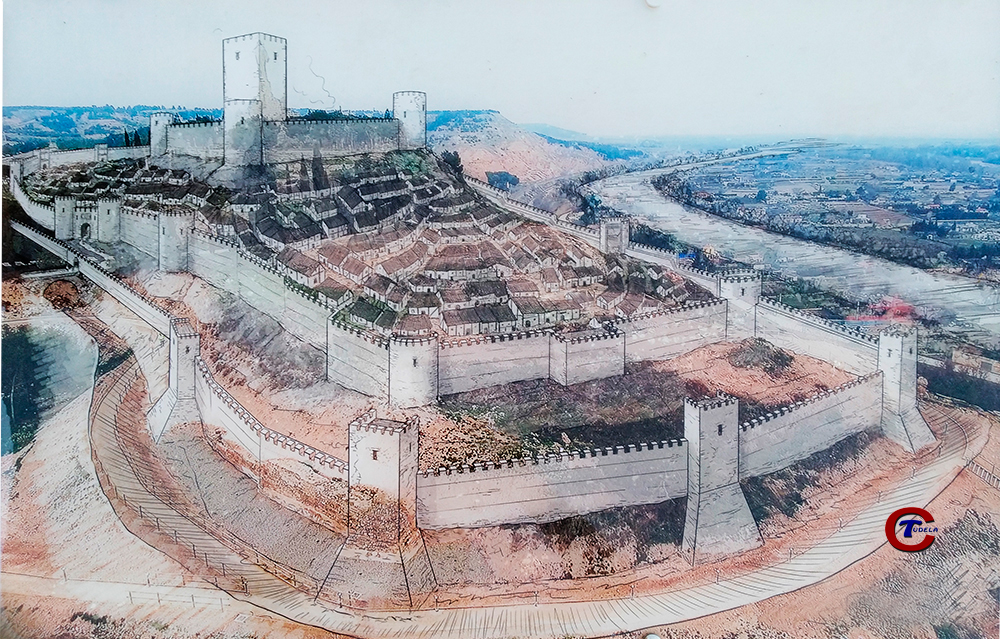
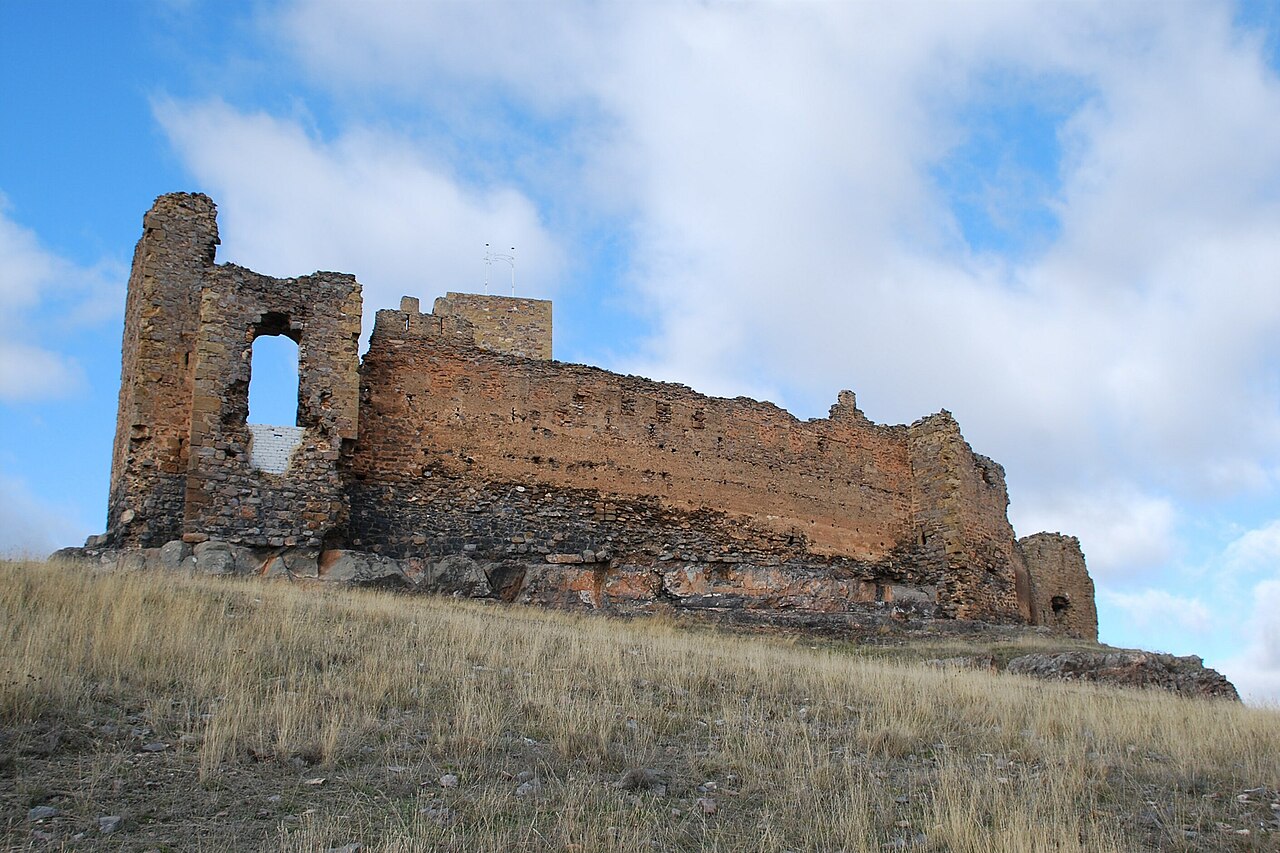
Cortes Castle in Cortes, Spain is a historic fortress with origins dating back to the Muslim period prior to the 12th century. Although the first documentary evidence of the castle appears in 1128, following the Christian conquest of the town, the fortress itself was established earlier during the Islamic rule of the Iberian Peninsula. This strategic location was part of the broader frontier zones contested during the Reconquista, the centuries-long series of campaigns by Christian kingdoms to reclaim territory from Muslim rulers.
Historical background and military significance
The castle's initial construction reflects typical high medieval military architecture adapted by Muslim builders, featuring robust defensive walls and a commanding position overlooking the surrounding landscape. After the Christian conquest in the early 12th century, the castle passed into Christian hands and was integrated into the defensive network securing the newly acquired territories.
Throughout the Middle Ages, Cortes Castle played a role as a military stronghold and administrative center. Its fortifications were designed to withstand sieges and served as a symbol of power and control in the region.
Architectural evolution and restoration phases
Medieval fortress origins
The original fortress was characterized by thick stone walls, battlements, and towers typical of Muslim military architecture of the period. The layout likely included a keep or central tower, curtain walls, and defensive towers positioned to cover all approaches.
16th-century transformation into a residential palace
In the mid-16th century, Cortes Castle underwent significant restoration and modification to serve as a residential palace. This transformation reflected the changing needs of its owners, shifting from purely military functions to more comfortable and representative residential use. Renaissance architectural elements were introduced during this period, including more refined interior spaces and decorative features.
19th-century restoration
The castle saw further restoration in the 19th century, which aimed to preserve its historical fabric while adapting it to contemporary tastes and uses. This phase often involved repairs to the masonry, restoration of damaged sections, and possibly the addition of Romantic or neo-Gothic stylistic details popular at the time.
Architectural features and layout
Cortes Castle's architecture reflects its layered history. The surviving walls and towers exhibit the robustness of medieval military construction, while the interior spaces reveal the influence of Renaissance residential design. The castle likely includes a courtyard, defensive battlements, and living quarters adapted over time.
The castle's position on elevated terrain provided natural defense advantages, with views over the surrounding countryside essential for early warning and control.
Current status and cultural importance
Today, Cortes Castle stands as a significant monument representing the complex history of Spain's medieval period, illustrating the transition from Muslim to Christian rule and the evolution of military architecture into residential palaces. Its preservation contributes to understanding the region's heritage and the broader historical narrative of the Iberian Peninsula.
While not as widely known as some other Spanish castles, Cortes Castle offers valuable insights into the architectural and historical developments typical of frontier castles in medieval Spain.
Visiting information and accessibility
Visitors interested in medieval architecture and Spanish history can explore the castle's exterior and some interior spaces, depending on current access arrangements. The castle's location in Cortes makes it accessible for those touring the region's historical sites.
Frequently asked questions (FAQ)
- When was Cortes Castle originally built?
- Cortes Castle dates back to the Muslim period before the 12th century, with the first documented mention in 1128 after Christian conquest.
- What architectural styles are visible in Cortes Castle?
- The castle shows a blend of high medieval Muslim military architecture and Renaissance elements from 16th-century restorations.
- Can visitors explore Cortes Castle today?
- Access to the castle may vary, but visitors can generally view the exterior and some interior areas depending on current arrangements.
- What was the purpose of the 16th-century restoration?
- The 16th-century restoration transformed the castle into a residential palace, adding Renaissance features for comfort and aesthetics.
- Where is Cortes Castle located?
- Cortes Castle is located in the town of Cortes, Spain, situated on elevated terrain typical of hill castles for strategic defense.
Information
Loading map...
Visitor reviews
No reviews yet. Been here? Write the first review and help other travelers!
Write the first reviewVisited this castle? Share your experience
Your review helps other travelers and adds first-hand knowledge to our encyclopedia.