Corfe Castle stands as a striking relic of medieval England, located in the county of Dorset. Perched atop a steep hill, this hill castle commands panoramic views of the surrounding countryside, a strategic position that contributed to its historical importance. The castle's ruins evoke centuries of English history, from its Norman foundation through its dramatic role in the English Civil War.
Historical origins and strategic importance
The origins of Corfe Castle date back to the 11th century, shortly after the Norman Conquest of 1066. It was built by William the Conqueror as part of a network of fortifications to establish Norman control over southern England. Its location on a natural hill spur allowed for strong defensive capabilities, overseeing key routes through Dorset.
Throughout the High and Late Medieval periods, the castle was a royal fortress and residence. It was expanded and reinforced over the centuries, adapting to evolving military technology and political circumstances. The castle was a symbol of royal authority and played a significant role in regional governance.
Architectural features and layout
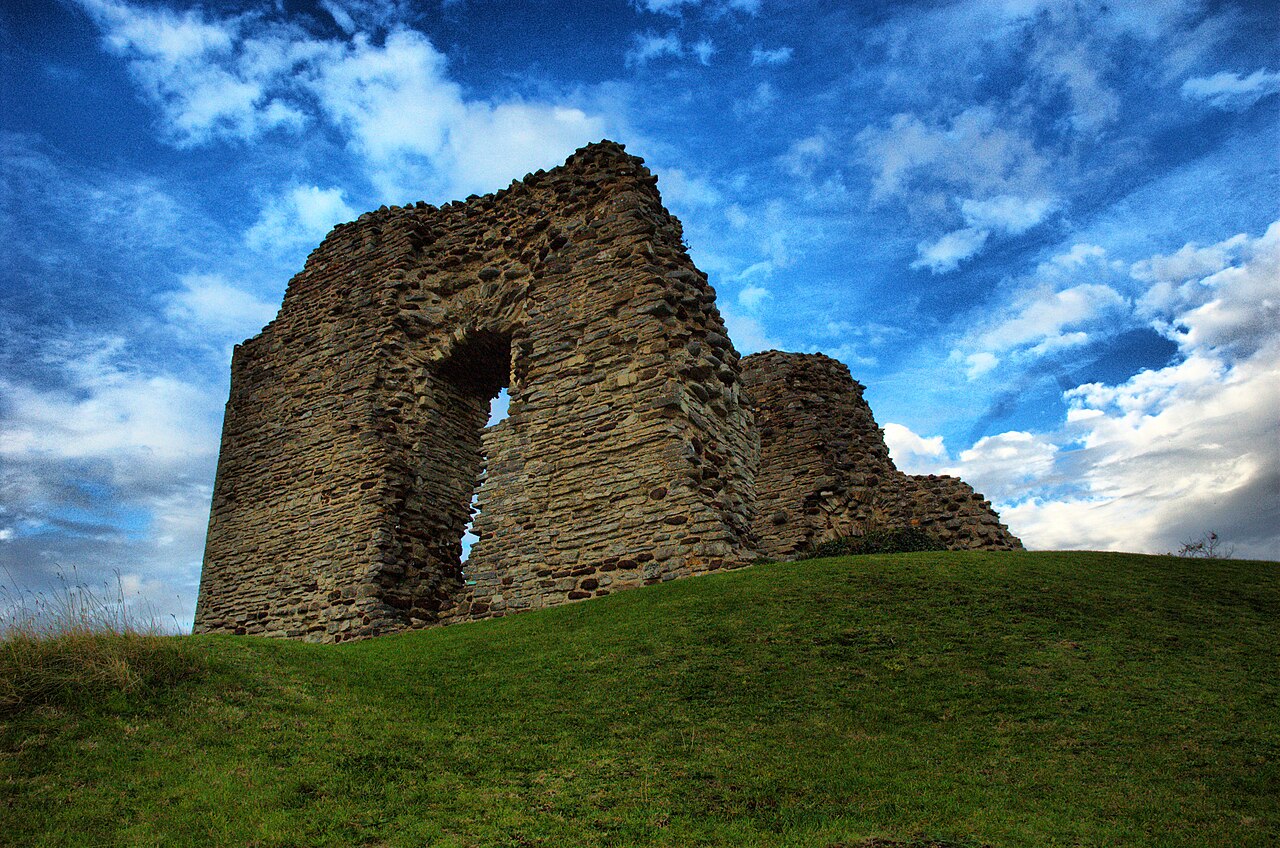
Corfe Castle is classified as a hill castle, characterized by its placement on elevated terrain. The castle's design includes a massive keep and a series of curtain walls enclosing the inner bailey. The remains of the gatehouse, towers, and battlements illustrate typical medieval defensive architecture.
The castle's stonework exhibits elements of Norman Romanesque style, especially in the early construction phases, with later Gothic additions visible in modifications made during the 13th and 14th centuries. The layout was adapted to the rugged topography, with natural rock formations incorporated into the defensive walls.
Role in the english civil war and destruction
Corfe Castle is famously known for its role during the English Civil War in the 17th century. It was a Royalist stronghold loyal to King Charles I. The castle endured two sieges by Parliamentarian forces, the second of which in 1645 led to its capture and subsequent slighting (deliberate partial destruction) to prevent further military use.
The damage from the sieges left the castle in ruins, which have been preserved as a historical monument. The partial destruction marked the end of Corfe Castle's military significance but enhanced its romantic appeal as a picturesque ruin.
Legends and cultural significance
Local folklore adds a layer of intrigue to Corfe Castle. Among the most famous legends is the tale of a headless woman ghost said to roam the castle walls at night. This spectral figure is often linked to tragic stories from the castle's turbulent past, captivating visitors and contributing to the site's mystique.
The castle is a popular tourist destination and an important cultural landmark in Dorset. It is managed by the National Trust, which preserves the ruins and provides educational resources about its history and architecture.
Visiting corfe castle today
Today, visitors to Corfe Castle can explore the extensive ruins, including the remains of the keep, gatehouse, and curtain walls. The site offers scenic walking trails and panoramic views of the Dorset countryside. Interpretive displays and guided tours provide insights into the castle's history and architectural evolution.
The castle's condition is classified as ruins, with ongoing conservation efforts to stabilize the remaining structures. It remains a vivid testament to England's medieval heritage and the dramatic events that shaped its history.
Frequently asked questions (FAQ)
- What is the historical significance of Corfe Castle?
- Corfe Castle is a medieval castle located in Dorset, England, with a rich history dating back to the 11th century. It played a pivotal role during the English Civil War and has witnessed many significant events throughout its life, including royal gatherings and sieges.
- When was Corfe Castle built?
- Corfe Castle was originally built in the 11th century, shortly after the Norman Conquest of England. Its construction began around 1066, and it has undergone various modifications and expansions over the centuries, reflecting the architectural styles of different periods.
- What are the opening hours for Corfe Castle?
- Corfe Castle typically opens at 10:00 AM and closes at 5:00 PM during the peak season, but hours may vary based on the season and special events. It is advisable to check the official website for the most current opening times before your visit.
- Can I access Corfe Castle with a wheelchair?
- Yes, Corfe Castle strives to be accessible for all visitors. While some areas may have challenging terrain, there are pathways that accommodate wheelchair users, and staff are available to assist with any specific needs.
- What are the ticket prices for Corfe Castle?
- Ticket prices for Corfe Castle vary depending on age and whether you purchase them online or on-site. Adult tickets generally cost around £10, while discounts are available for children, seniors, and families, making it an affordable option for visitors.
- When is the best time to visit Corfe Castle?
- The best time to visit Corfe Castle is during the spring and early autumn months, when the weather is mild, and the gardens are in full bloom. Visiting during weekdays can also help you avoid larger crowds, allowing for a more enjoyable experience.
- Are there any nearby attractions to visit?
- Yes, there are several nearby attractions worth exploring, including the picturesque village of Corfe Castle itself, the beautiful Swanage Railway, and the stunning Jurassic Coast, which is a UNESCO World Heritage Site. These sites offer additional opportunities for sightseeing and outdoor activities.
Photo gallery

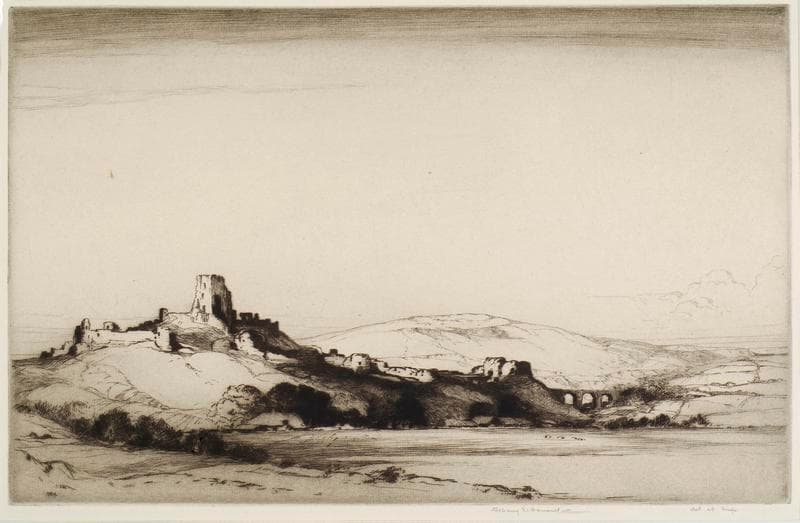
Photo by Albany E. Howarth•Public domain
Loading map...
Visitor reviews
No reviews yet. Been here? Write the first review and help other travelers!
Write the first reviewVisited this castle? Share your experience
Your review helps other travelers and adds first-hand knowledge to our encyclopedia.