Contrebia Belaisca
Contrebia Belaisca is a significant archaeological site located in Spain, known for its ancient origins dating back to the 4th century BC. This site represents one of the important remnants of pre-Roman Iberian settlements, providing valuable insights into the early history and culture of the region.
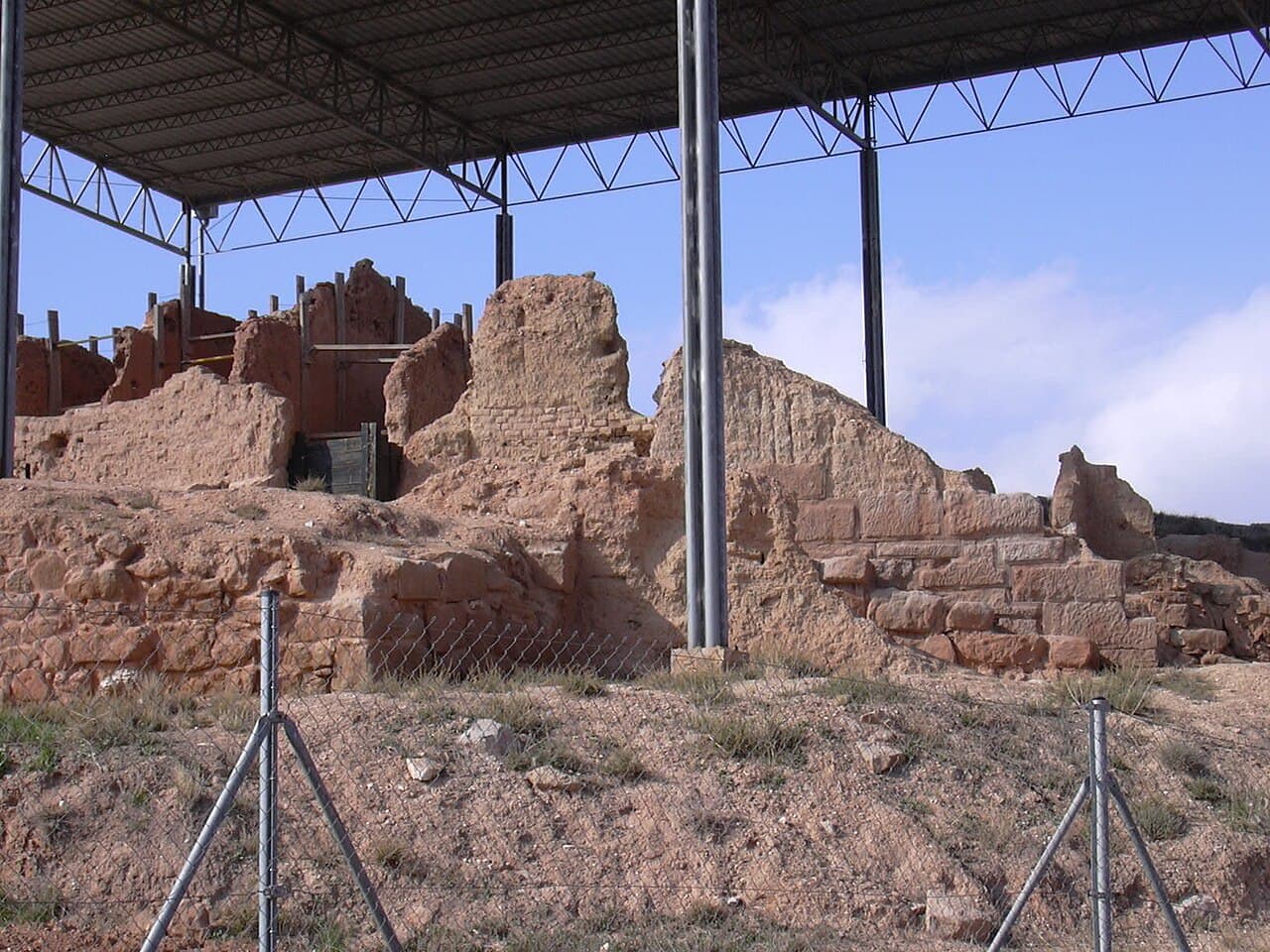
Unlike typical medieval castles, Contrebia Belaisca is classified as archaeological ruins rather than a standing fortress. It does not feature the conventional castle architecture such as towers, keeps, or battlements. Instead, it consists of the remains of an ancient fortified settlement that was strategically positioned, likely on elevated terrain, to oversee the surrounding landscape.
Historical context and significance
The settlement of Contrebia Belaisca dates back to the Iron Age, specifically the 4th century BC, placing it well before the medieval period. It was inhabited by the Iberian people, who were known for their distinctive culture and fortification techniques. The site provides crucial evidence of the early defensive strategies employed by these communities, including the use of walls and ditches to protect against invasions.
Contrebia Belaisca played a role in the complex network of Iberian settlements that existed prior to Roman conquest. The location and fortifications suggest it was a center of local power and control, possibly serving as a tribal capital or a key defensive position in the region.
Architectural features and layout
The ruins at Contrebia Belaisca reveal the layout of an ancient fortified town. Archaeological excavations have uncovered remnants of defensive walls constructed from stone and earth, which encircled the settlement. These fortifications were designed to withstand assaults and provide refuge for the inhabitants.
Within the enclosure, the foundations of dwellings and public spaces have been identified, indicating a planned urban structure. Streets and pathways connected various parts of the settlement, reflecting an organized community life. The construction techniques and materials used illustrate the adaptation to local resources and the technological capabilities of the Iberian people.
Defensive structures
The fortifications included ramparts and possibly towers, although no complete towers remain. The walls were likely reinforced with wooden palisades at some point, a common practice in ancient fortifications to enhance defense. The strategic position of the site on elevated ground added a natural layer of protection, allowing inhabitants to spot approaching enemies from a distance.
Residential and communal areas
Excavations have identified the remains of houses built within the walls, which were typically small and constructed using local stone and mudbrick. These dwellings were clustered together, suggesting a tightly-knit community. Public buildings or spaces may have existed, but their exact nature remains uncertain due to the fragmentary nature of the ruins.
Archaeological research and preservation
Contrebia Belaisca has been the subject of archaeological interest for many years. Excavations have helped to reconstruct the history and layout of the settlement, contributing to the understanding of Iberian culture and early fortification methods. The site is considered an important cultural heritage location in Spain.
Preservation efforts focus on protecting the remaining structures from natural decay and human impact. As an archaeological site in ruins condition, it offers visitors a glimpse into ancient history rather than a restored or reconstructed castle experience.
Visiting Contrebia Belaisca
The site is accessible to visitors interested in archaeology and ancient history. While there are no extensive visitor facilities or reconstructed buildings, the ruins provide a valuable educational experience. Visitors can explore the remains of the ancient walls and the layout of the settlement, gaining insight into early Iberian life.
Information panels and guided tours may be available depending on local management, helping to contextualize the significance of the site. The location in Spain makes it a worthwhile destination for those interested in the prehistoric and early historic periods of the Iberian Peninsula.
Frequently asked questions (FAQ)
- What is the historical significance of Contrebia Belaisca?
- Contrebia Belaisca is an ancient Roman settlement that offers a glimpse into the region's history during the Roman Empire. It played a crucial role in the integration of Iberian tribes into Roman culture and showcases the architectural and urban planning advancements of the time.
- When was Contrebia Belaisca built?
- The castle dates back to the 1st century BC, with significant developments occurring during the Roman conquest of the Iberian Peninsula. Its ruins provide valuable insights into the lifestyle and military strategies of ancient Rome.
- Can I visit Contrebia Belaisca year-round?
- Yes, Contrebia Belaisca is open to visitors throughout the year, but it's advisable to check for any seasonal changes in hours or special events. This ensures a smooth visit and the best experience while exploring the historical site.
- What are the opening hours for Contrebia Belaisca?
- Contrebia Belaisca typically opens at 10 AM and closes at 6 PM, with extended hours during the summer months. However, it's best to verify the current schedule on their official website before planning your visit.
- Is it possible to access Contrebia Belaisca with public transportation?
- Yes, public transportation options are available to reach Contrebia Belaisca, with buses connecting major towns in the region. Visitors may also find it convenient to use rideshare services or taxis for direct access to the site.
- What are the ticket prices for visiting Contrebia Belaisca?
- Ticket prices for Contrebia Belaisca are generally affordable, with discounts available for students and seniors. It's recommended to check their official site for the latest pricing and any special offers.
- What is the best time to visit Contrebia Belaisca?
- The best time to visit Contrebia Belaisca is during the spring and fall when the weather is mild and pleasant for outdoor exploration. Additionally, these seasons typically see fewer crowds, allowing for a more intimate experience with the site.
- Are there any nearby attractions to visit while at Contrebia Belaisca?
- Yes, visitors can explore nearby attractions such as the charming town of Alhama de Aragón and the stunning natural landscapes of the surrounding region. These sites complement the historical experience of Contrebia Belaisca and offer additional activities for travelers.
Photo gallery

Information
Loading map...
Visitor reviews
No reviews yet. Been here? Write the first review and help other travelers!
Write the first reviewVisited this castle? Share your experience
Your review helps other travelers and adds first-hand knowledge to our encyclopedia.