Clough Castle
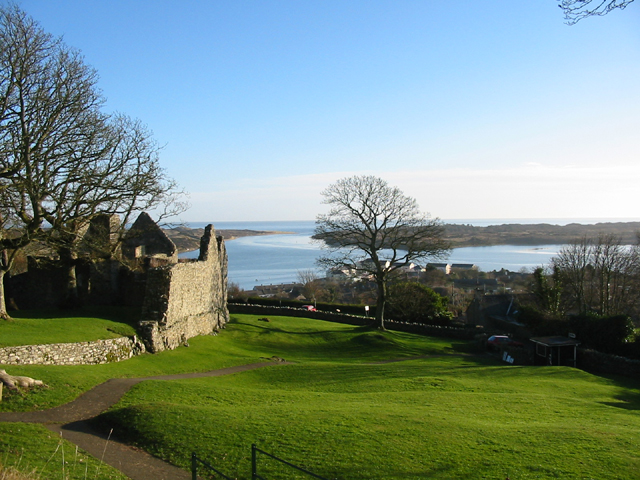
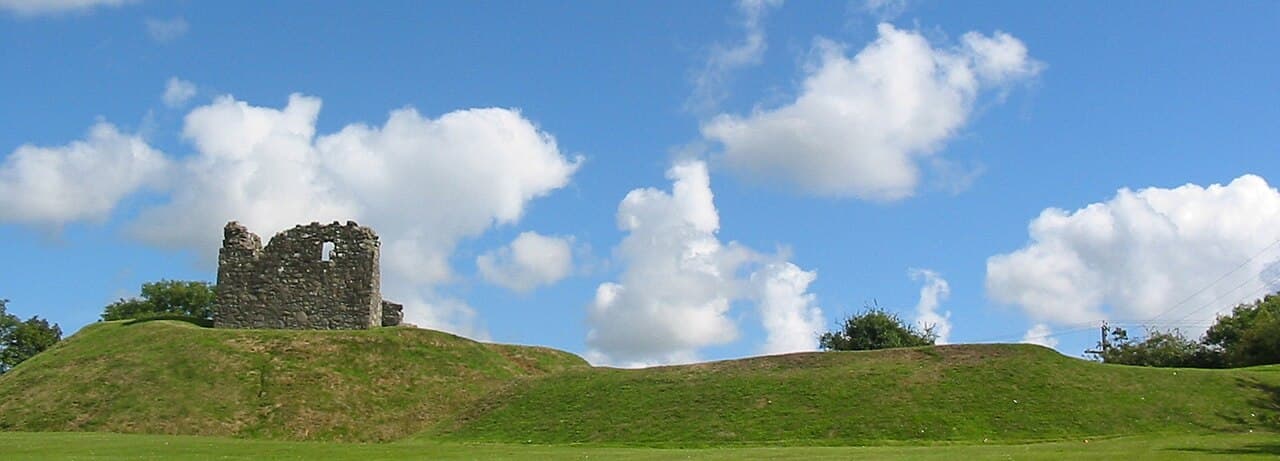
Clough Castle is a notable example of an Anglo-Norman motte-and-bailey castle located in the village of Clough, County Down, Northern Ireland. Situated on a prominent artificial mound rising approximately 25 feet (7.6 metres) high, the castle commands extensive views over the surrounding countryside, reflecting its strategic importance in medieval times. The site includes a distinctive kidney-shaped bailey to the southeast, separated from the motte by a deep ditch, characteristic of defensive medieval fortifications.
Historical background and construction
The castle was initially constructed in the late 12th century by the Anglo-Norman knight John de Courcy, who led military campaigns in Ulster during that period. The original structure was a classic motte and bailey design, with a large earthen mound topped by a timber palisade and surrounded by a protective ditch. Excavations have revealed that the summit of the motte was encircled by a timber palisade with pits for archers, emphasizing its defensive role.
In the mid 13th century, a large timber hall was constructed near the east edge of the motte's summit, serving as a residential and administrative space. This hall was later replaced by a more durable stone keep located toward the west edge of the motte, signaling a transition from timber to stone fortifications common in the period. The stone keep was two storeys high and formed the core of the castle’s later developments.
Architectural features and developments
The motte and bailey layout
The motte is an artificial mound approximately 25 feet high, designed to provide a commanding vantage point over the surrounding landscape. The adjacent crescent-shaped bailey to the southeast was once connected to the motte by a wooden bridge spanning a 2.1-metre deep ditch. This bailey likely contained ancillary buildings and served as a protected courtyard for daily activities.
The stone keep and tower house transformation
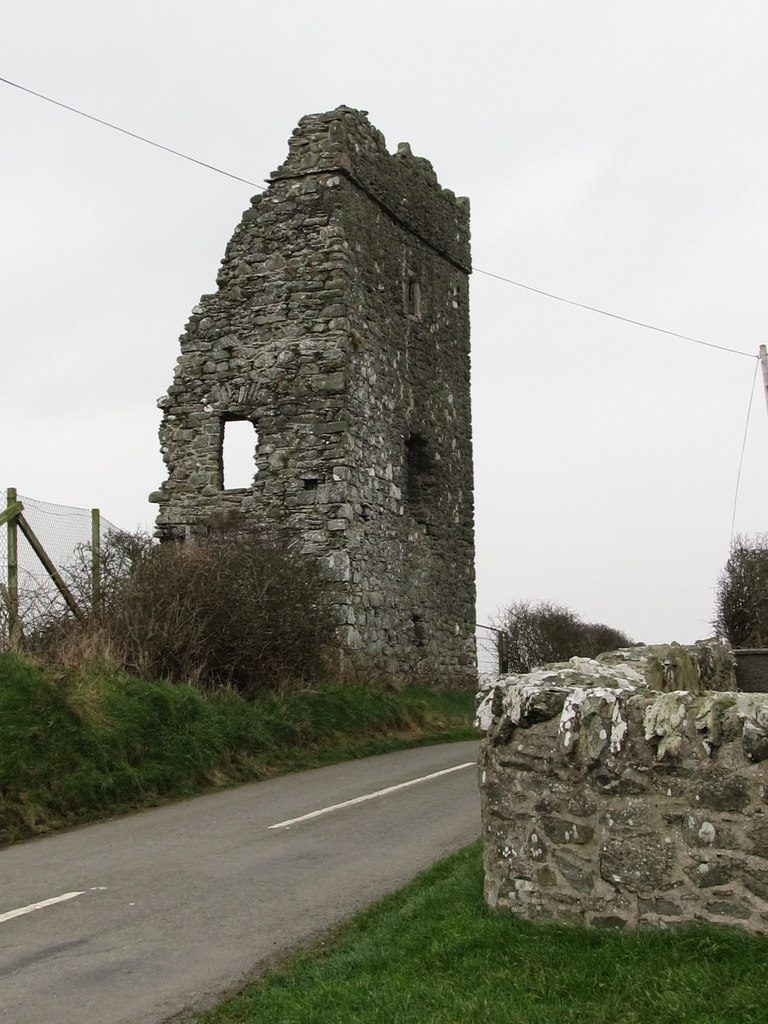
By the late 13th century, the timber structures on the motte were largely replaced by stonework, with the construction of a small rectangular stone keep. This keep survives partially today and was conserved in the early 1980s. After a period of abandonment in the early 14th century, the castle was restored in the late 15th or early 16th century. The ruined keep was expanded into an L-shaped tower house, a common form of fortified residence in late medieval Ireland, blending defensive features with domestic comfort.
Strategic and regional significance
Clough Castle played a key role in guarding the entrance to the Lecale barony, a historic administrative division in County Down. Its location near the larger Dundrum Castle suggests it may have functioned as an outpost or satellite fortification, extending control over the surrounding territory. The castle’s elevated position and defensive earthworks reflect its military importance during the Anglo-Norman expansion into Ulster.
Archaeological investigations and preservation
Excavations conducted in 1950 provided valuable insights into the castle’s construction phases and layout. Archaeologists uncovered the foundations of the timber hall, the stone keep, and the defensive palisades, helping to reconstruct the site's evolution from a wooden fortification to a stone tower house. The conservation efforts in 1981-82 helped stabilize the surviving stone keep, allowing visitors to appreciate the castle’s medieval architecture.
Visiting Clough Castle today
The site of Clough Castle is freely accessible to the public and offers visitors a glimpse into medieval fortification techniques and Anglo-Norman military architecture. While the remains are modest, the castle’s motte provides panoramic views of the surrounding countryside, enhancing the visitor experience. The castle's location in a small park within the village of Clough makes it an accessible destination for those interested in Northern Ireland’s medieval heritage.
Overall, Clough Castle exemplifies the typical features of an Anglo-Norman motte-and-bailey castle with later adaptations into a stone tower house, reflecting the changing defensive and residential needs from the 12th to the 16th centuries. Its preserved earthworks, stone keep remains, and archaeological record contribute valuable knowledge to the study of medieval castles in Northern Ireland.
Frequently asked questions (FAQ)
- How do I get to Clough Castle?
- Clough Castle is located in Clough, United Kingdom of Great Britain and Northern Ireland. You can reach the castle by car, with ample parking available nearby, or by public transport, with several bus services operating in the area. For those traveling from larger cities, consider using a combination of train and bus services for the best route.
- What is the historical significance of Clough Castle?
- Clough Castle dates back to the 12th century and has played a crucial role in the region's history, serving as a defensive stronghold. It reflects the architectural styles of its time and has witnessed numerous historical events that shaped the local culture. The castle is a testament to medieval engineering and provides insight into the life of nobility during that era.
- When was Clough Castle built?
- Clough Castle was constructed in the early 12th century, around the year 1100. Its design and structure are representative of the Norman architectural style prevalent during that period. Over the centuries, it has undergone various renovations and restorations, preserving its historical integrity.
- Can I take guided tours of Clough Castle?
- Yes, guided tours of Clough Castle are available for visitors who wish to learn more about its history and architecture. Tours are conducted by knowledgeable guides who provide fascinating insights into the castle's past. Be sure to check the schedule in advance, as tour availability may vary.
- Why is Clough Castle a popular tourist destination?
- Clough Castle is a popular tourist destination due to its rich history, stunning architecture, and picturesque surroundings. Visitors are drawn to its medieval charm and the opportunity to explore its expansive grounds. Additionally, the castle often hosts events and exhibitions that enhance the visitor experience.
- Is it possible to hold events at Clough Castle?
- Yes, Clough Castle offers facilities for hosting events and private functions, including weddings and corporate gatherings. The scenic backdrop of the castle adds a unique atmosphere to any event. Interested parties should contact the castle management for details on availability and booking.
- What are the opening hours for Clough Castle?
- Clough Castle is typically open to visitors from 10 AM to 5 PM, with extended hours during the peak summer season. It is advisable to check the official website for any changes in hours or seasonal closures. Planning your visit during these hours ensures you have ample time to explore the castle and its grounds.
- What are the ticket prices for Clough Castle?
- Ticket prices for Clough Castle vary depending on age and group size, with discounts often available for children and seniors. General admission is reasonably priced, making it accessible for families and groups. For the latest pricing information, please visit the castle's official website before your visit.
- What is the best time to visit Clough Castle?
- The best time to visit Clough Castle is during the late spring and early autumn months when the weather is mild and the gardens are in full bloom. This season also offers a variety of events and activities that enhance the visitor experience. However, the castle is open year-round, so you can enjoy its beauty anytime.
- Are there any nearby attractions to Clough Castle?
- Yes, there are several nearby attractions including local museums, parks, and historical sites that complement your visit to Clough Castle. The surrounding area offers beautiful walking trails and scenic views, perfect for a full day of exploration. Be sure to ask the staff for recommendations on the best nearby sites to enhance your experience.
Photo gallery

Photo by Man vyi•Public domain
Information
Address
Main Street, Clough, County Down, Northern Ireland
Loading map...
Visitor reviews
No reviews yet. Been here? Write the first review and help other travelers!
Write the first reviewVisited this castle? Share your experience
Your review helps other travelers and adds first-hand knowledge to our encyclopedia.