Bright Castle
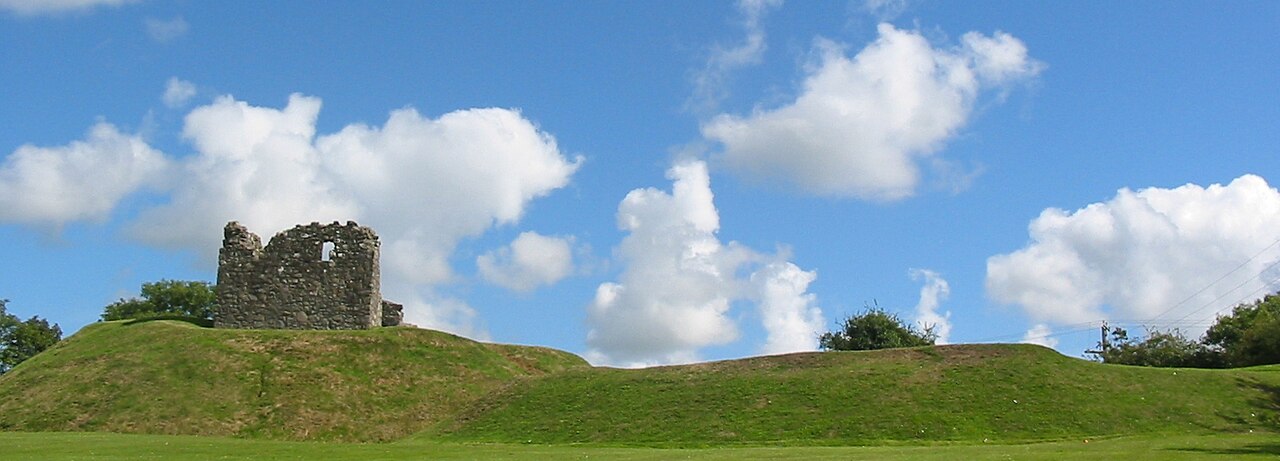
Bright Castle is a late medieval tower house located near the town of Downpatrick in County Down, Northern Ireland. This historic structure, built in the 15th century, stands as a partial ruin on a ridge overlooking the surrounding countryside, offering a glimpse into the defensive architecture and residential design of the period.
Historical context and location
Situated in a rural setting south of Downpatrick, Bright Castle occupies a strategic position on the edge of a ridge, which would have provided natural defensive advantages and commanding views of the area. The castle lies within the townland of Bright, on Coniamstown Road, and falls under the jurisdiction of the Down District Council. It is registered as a Scheduled Historic Monument, recognizing its cultural and historical importance.
Architectural features and construction
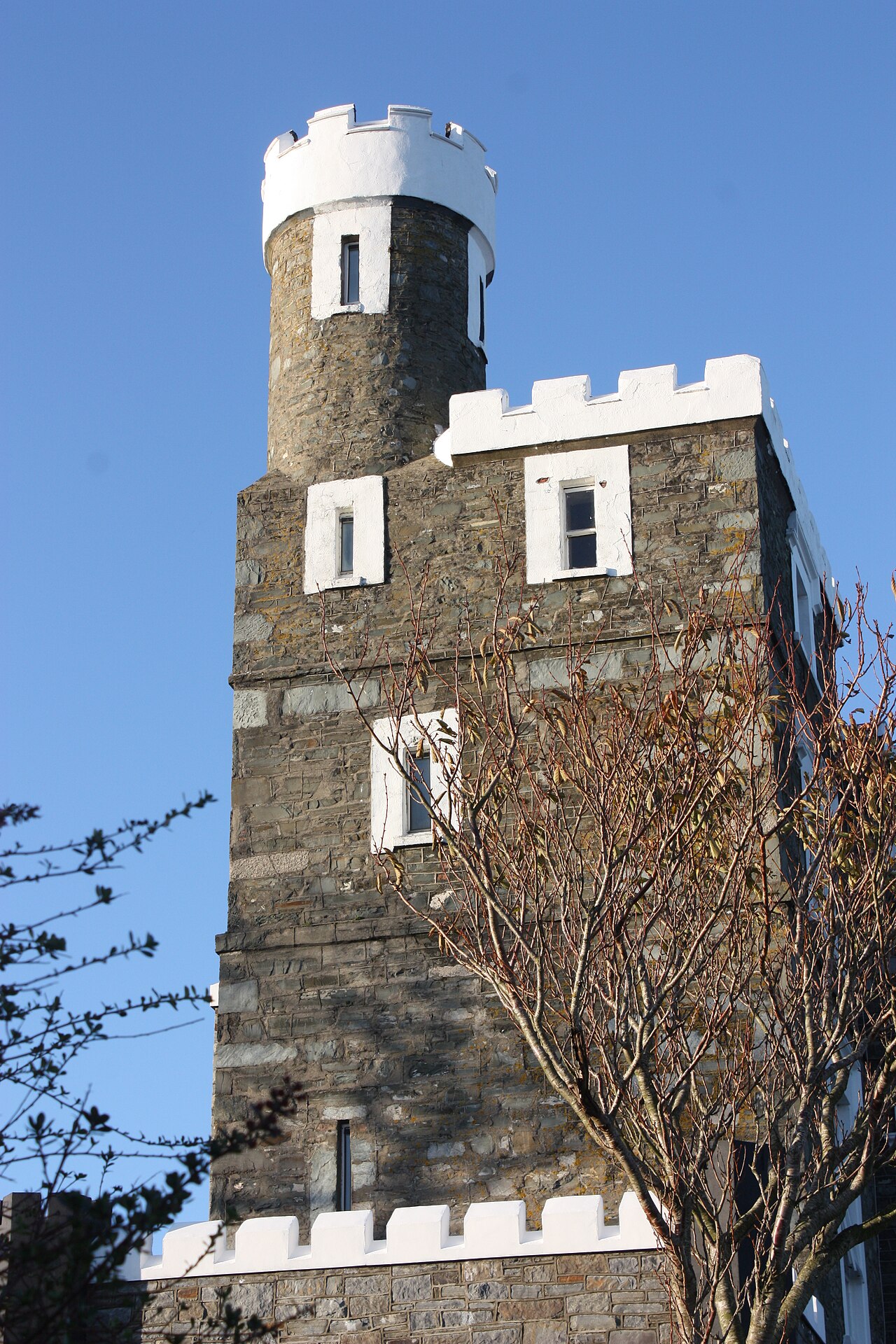
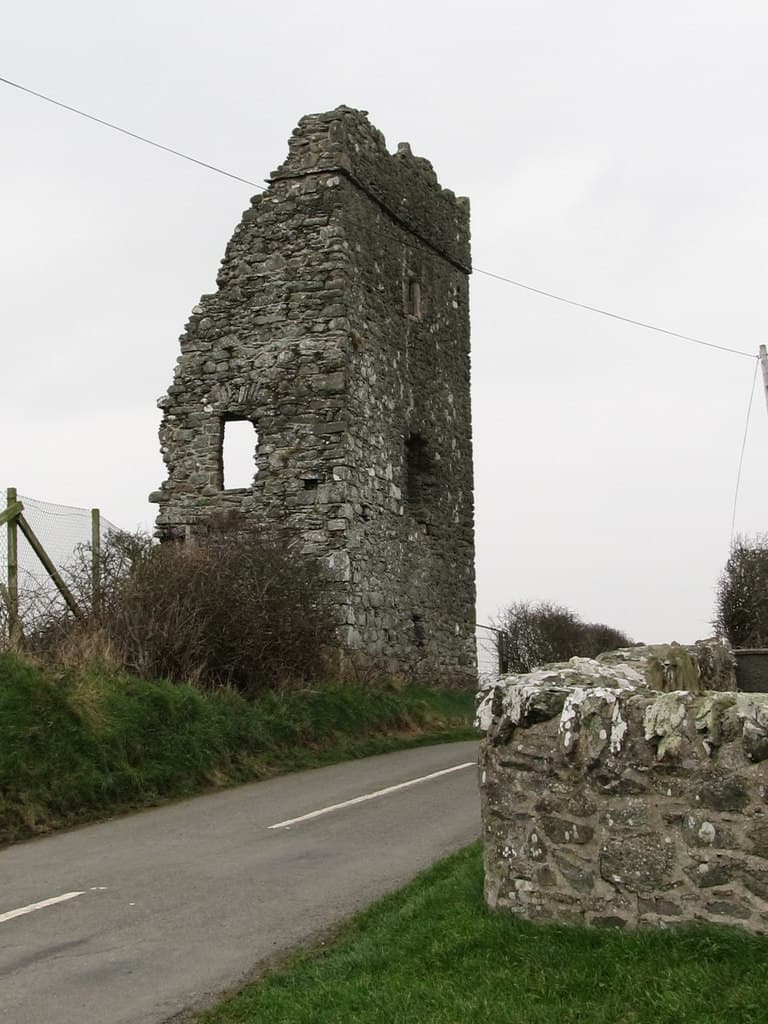
The castle was constructed as a three-storey tower house, a common form of fortified residence in late medieval Ireland. The surviving remains include the entire east wall, approximately 6 meters long externally, along with adjoining fragments of the north and south walls. The western section of the castle has been lost over time.
The walls are built from split-stone rubble, a typical material choice that provided strength and durability. The walls exhibit a slight batter, sloping inward as they rise, which enhanced structural stability and defense. At the top, an oversailing parapet once projected outwards, with rainwater outlets at its base to manage drainage.
Evidence suggests the ground floor may have been vaulted, a feature that would have improved fire resistance and structural support. The ground floor was illuminated by double-splayed loops, narrow vertical windows designed for defense that also allowed light inside. The first floor features internal splays on the window openings, which widened the field of view and light penetration.
Defensive and residential elements
The tower house design combined defensive features with domestic accommodation. The battlements and parapets provided protection for defenders, while the internal floors would have contained living quarters, storage, and possibly a great hall. The presence of vaulted ceilings and defensive loops indicates the castle was built with security in mind, typical of the turbulent political climate of the 15th and early 16th centuries in Ireland.
Current condition and accessibility
Today, Bright Castle is classified as partially preserved, with less than half of the original structure remaining. The ruin sits on the border of the Bright Castle Golf Club. While the golf course terrain is not freely accessible to the public, the ruins can be easily viewed from the adjacent small road, making it possible for visitors to appreciate the site without entering private property.
The castle is somewhat difficult to locate due to its rural setting and limited remains. Visitors interested in medieval Irish tower houses may find the site of interest, though it is not a major tourist destination and is generally not considered worth a special detour.
Significance and preservation
As a Scheduled Historic Monument, Bright Castle is protected under Northern Ireland heritage laws. Its remains contribute to the understanding of late medieval defensive architecture in the region and the lifestyle of the gentry during the 15th century. Despite its ruinous state, the castle's surviving walls and architectural details provide valuable insights into construction techniques and defensive strategies of the period.
Efforts to preserve such sites help maintain the cultural landscape of County Down and offer educational opportunities for those studying medieval architecture and Irish history.
Frequently asked questions (FAQ)
- How do I visit Bright Castle?
- Bright Castle is located near Downpatrick on Coniamstown Road. While the ruins are on the edge of Bright Castle Golf Club and the course is not freely accessible, the castle can be viewed clearly from the adjacent public road.
- What is the historical significance of Bright Castle?
- Bright Castle is a late medieval tower house that reflects the defensive residential architecture of 15th-century Ireland. It is a Scheduled Historic Monument, highlighting its importance in the region's heritage.
- What remains of Bright Castle can be seen today?
- Visitors can see the east wall and fragments of the north and south walls standing to roof level. The western part of the castle has disappeared, but the surviving walls show features like an oversailing parapet and defensive window loops.
- Is Bright Castle accessible for tours or events?
- Bright Castle is a ruin located on private land adjacent to a golf course and is not developed for tours or public events. Visitors can view the site from nearby public roads but should respect private property boundaries.
- When was Bright Castle built?
- Bright Castle was likely built in the late 15th century or early 16th century as a fortified tower house typical of that period in Ireland.
Photo gallery

Information
Address
Coniamstown Road, County Down, Northern Ireland
Loading map...
Visitor reviews
No reviews yet. Been here? Write the first review and help other travelers!
Write the first reviewVisited this castle? Share your experience
Your review helps other travelers and adds first-hand knowledge to our encyclopedia.