Ciutadella de Roses
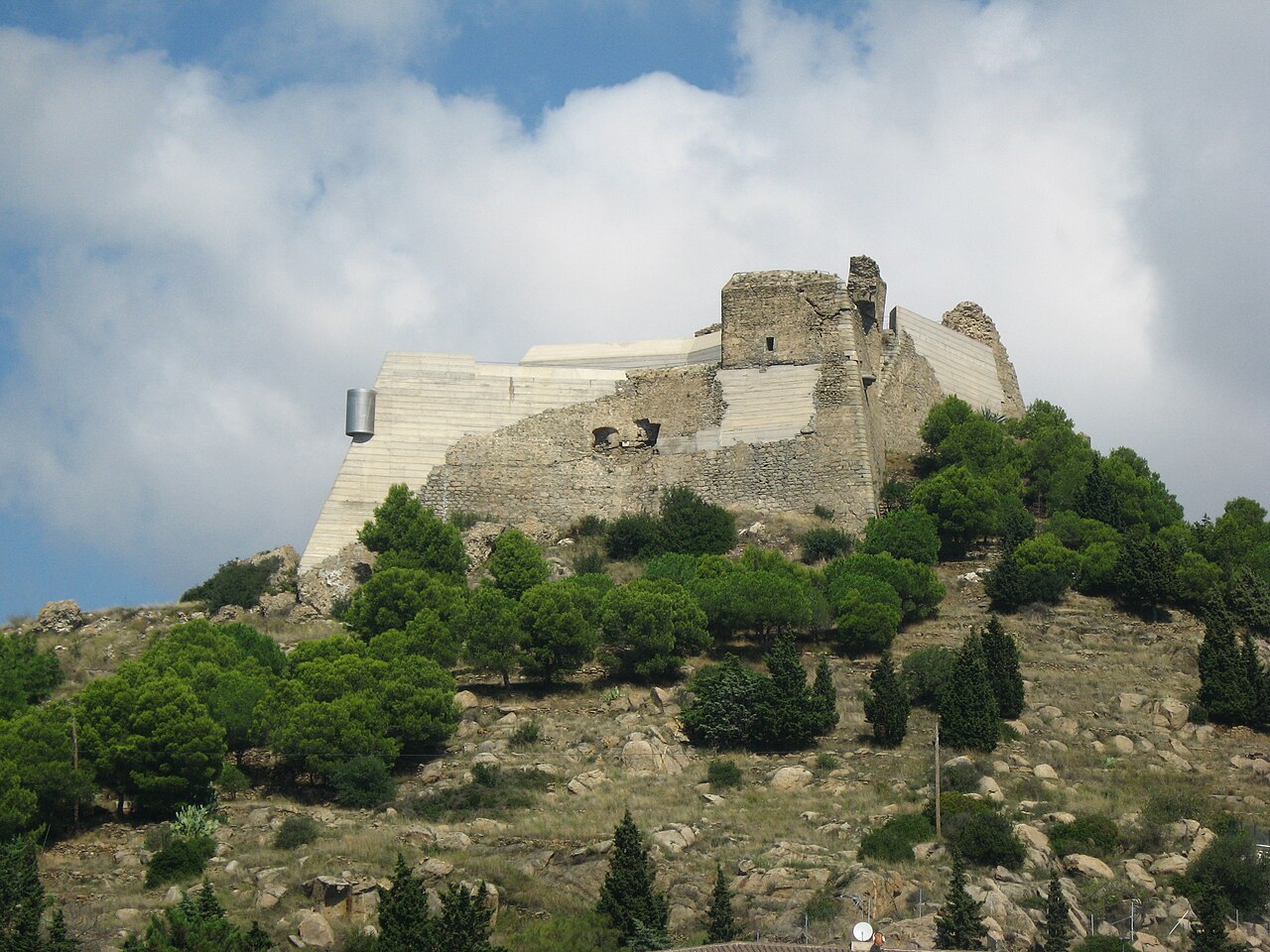
Ciutadella de Roses, also known as the "Citadel of Roses," is a significant Renaissance-era fortress located in the municipality of Roses, within the Alt Empordà comarca of the Province of Girona, Catalonia, Spain. This ruined fortification stands as a prominent example of 16th-century military architecture designed to protect the strategic coastal town from frequent pirate raids and the threat of French invasion.
The current citadel's construction was commissioned by Charles V, Holy Roman Emperor, beginning in 1543. It was part of a broader defensive initiative that included the nearby Castell de la Trinitat, a complementary fortress built to safeguard the bay of Roses. The citadel's design reflects the military engineering principles of the Renaissance period, emphasizing strong bastions, thick walls, and a strategic layout optimized for artillery defense.
Historical context and strategic importance
The site of Ciutadella de Roses has a long history of fortification, with earlier medieval and possibly Roman defenses predating the Renaissance construction. The region's coastal position made it a crucial point of defense for the Kingdom of Spain against maritime threats. During the 16th century, the Mediterranean was plagued by pirate incursions, particularly from Barbary corsairs, necessitating robust fortifications to protect local populations and trade routes.
The construction of the citadel under Charles V was a direct response to these threats, as well as to the geopolitical tensions with France. The fortress was designed to withstand sieges and artillery bombardments, reflecting advances in military technology and fortification design during the Renaissance.
Architectural features and layout
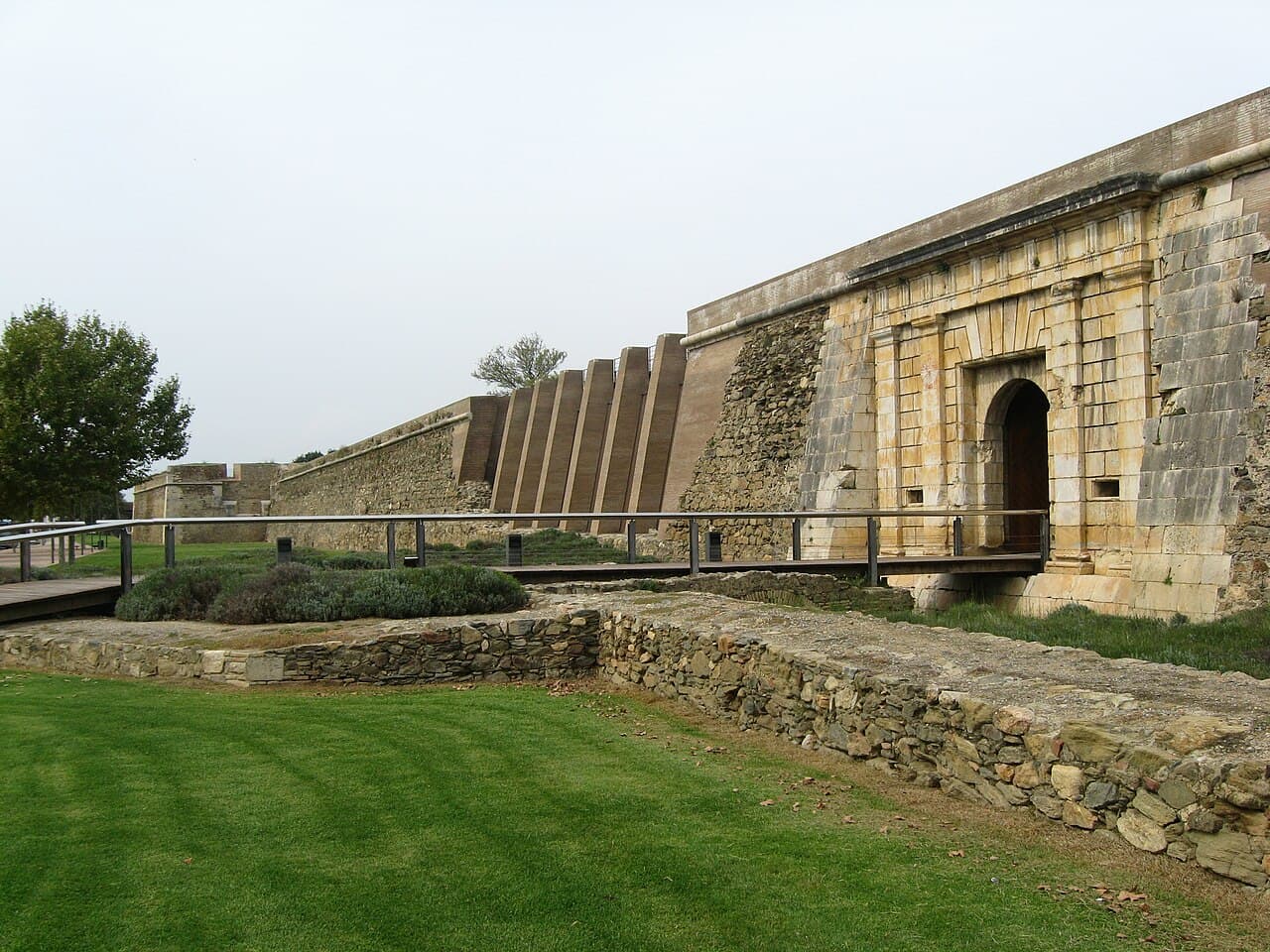
The Ciutadella de Roses is characterized by its star-shaped bastioned layout, typical of Renaissance military architecture. The fortress includes thick stone walls with angled bastions that allowed defenders to cover all approaches with cannon fire. The design minimized blind spots and provided overlapping fields of fire, a significant improvement over medieval fortifications.
Within the citadel, remnants of various buildings can be found, including barracks, storage facilities, and defensive towers. The fortress also features a moat, which added an additional layer of defense against attackers. The overall plan was carefully adapted to the topography of the site, maximizing natural defensive advantages.
Relation to nearby structures
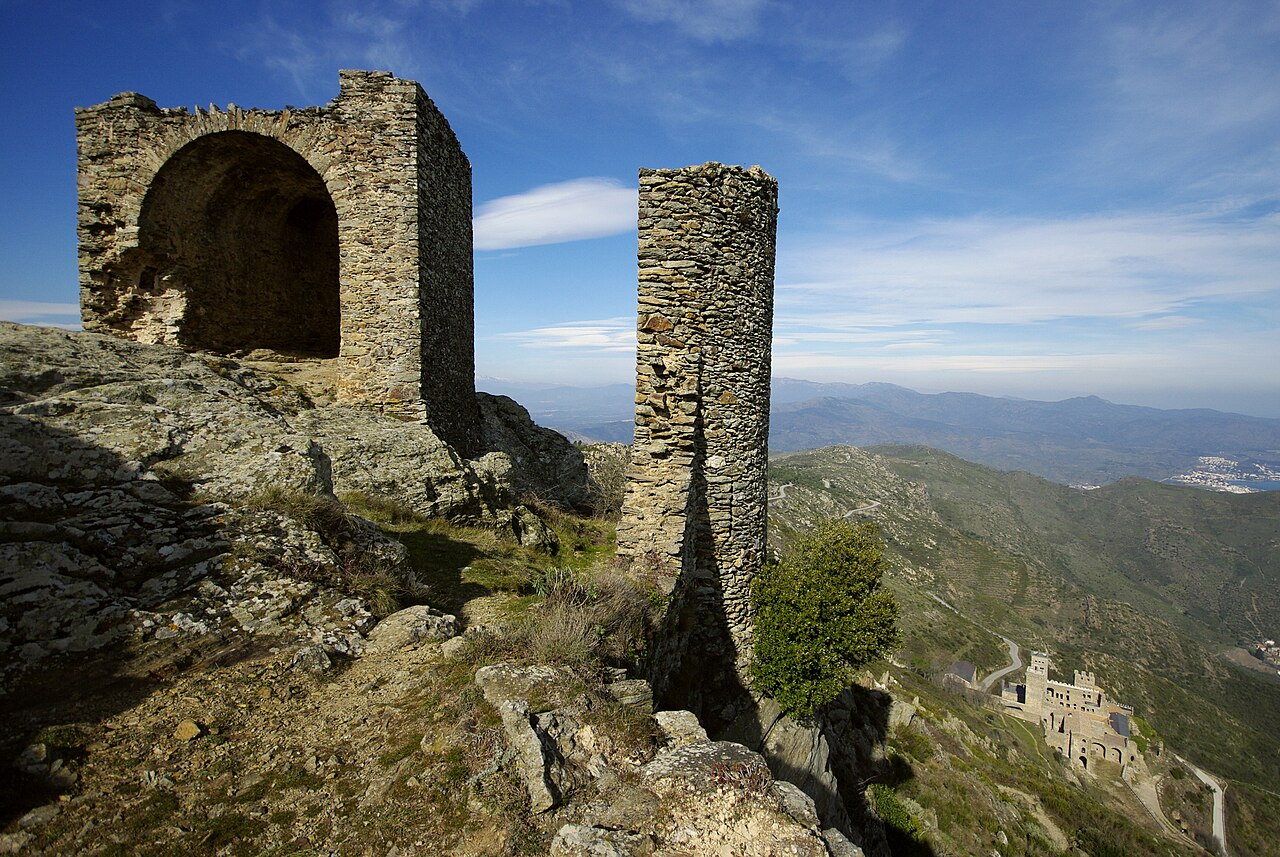
Close to the citadel lies the Castell de la Trinitat, another 16th-century fortress built simultaneously to protect the bay of Roses. Additionally, the monastery of Santa Maria de Roses is located nearby, known as the earliest example of the Lombard architectural style in Spain. These structures collectively represent the historical military and religious significance of the area.
Current condition and preservation
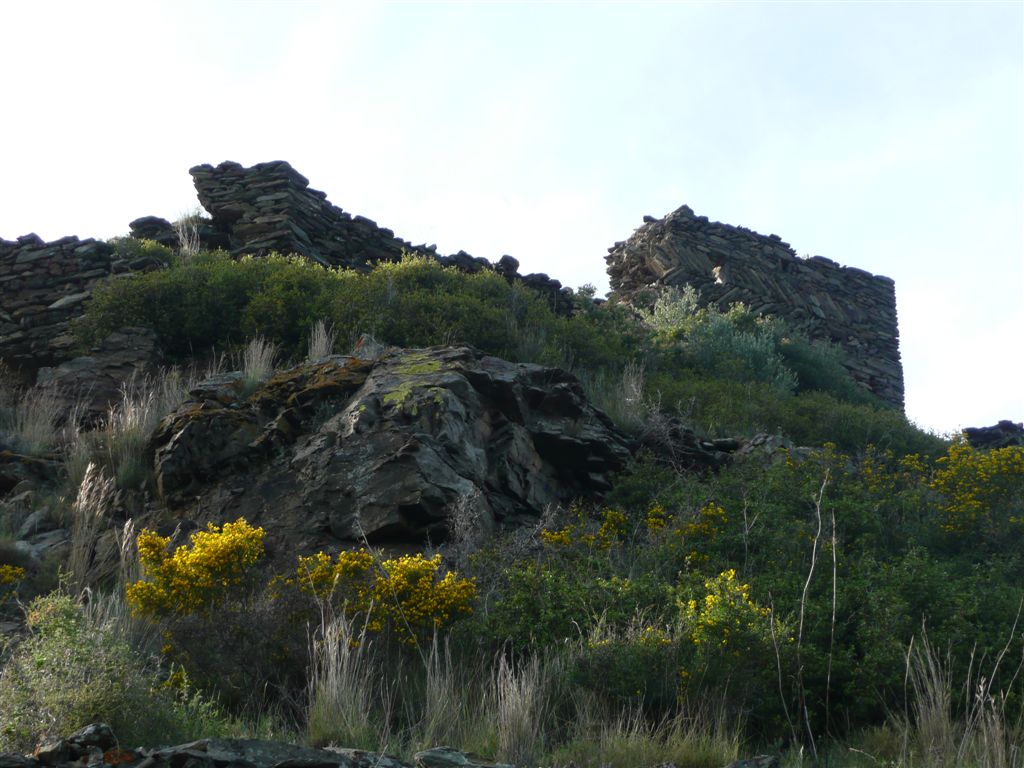
Today, the Ciutadella de Roses exists as ruins, with many of its walls and bastions partially preserved. The site is recognized as an important cultural and historical monument, attracting visitors interested in military history and Renaissance architecture. Efforts have been made to maintain the ruins and provide interpretive information to the public, though the fortress remains largely in a state of decay.
Visitors can explore the remains of the fortification, gaining insight into 16th-century defensive strategies and the turbulent history of the Mediterranean coast during the Renaissance. The site offers panoramic views of the surrounding landscape and the Mediterranean Sea, enhancing its appeal as a historical and tourist destination.
Visiting information and accessibility
The Ciutadella de Roses is accessible to the public, with pathways allowing exploration of the ruins. While there are no extensive visitor facilities on-site, the fortress's proximity to the town of Roses makes it easily reachable. Visitors are encouraged to wear appropriate footwear due to uneven terrain and to respect the site's preservation efforts.
The best time to visit is during the spring and autumn months when the weather is mild. The site is often combined with visits to the nearby Castell de la Trinitat and the historic town center of Roses, offering a comprehensive experience of the area's heritage.
Frequently asked questions (FAQ)
- When was the Ciutadella de Roses built?
- The Ciutadella de Roses was constructed beginning in 1543 during the Renaissance period under the orders of Charles V to defend against pirate attacks and French invasions.
- What architectural style characterizes the Ciutadella de Roses?
- The fortress exemplifies Renaissance military architecture with its star-shaped bastioned layout designed to optimize artillery defense and minimize blind spots.
- Can visitors explore the ruins of the Ciutadella de Roses?
- Yes, the ruins are open to the public and accessible via pathways, allowing visitors to explore the remains of the fortress and learn about its historical significance.
- What other historical sites are near the Ciutadella de Roses?
- Nearby are the Castell de la Trinitat, another 16th-century fortress, and the monastery of Santa Maria de Roses, noted for its Lombard architectural style.
- What is the current condition of the Ciutadella de Roses?
- The fortress exists as ruins with many walls and bastions partially preserved, maintained as a cultural monument by the municipality of Roses.
Photo gallery

Information
Current owner
Municipality of Roses
Loading map...
Visitor reviews
No reviews yet. Been here? Write the first review and help other travelers!
Write the first reviewVisited this castle? Share your experience
Your review helps other travelers and adds first-hand knowledge to our encyclopedia.