Citadelle Laferrière
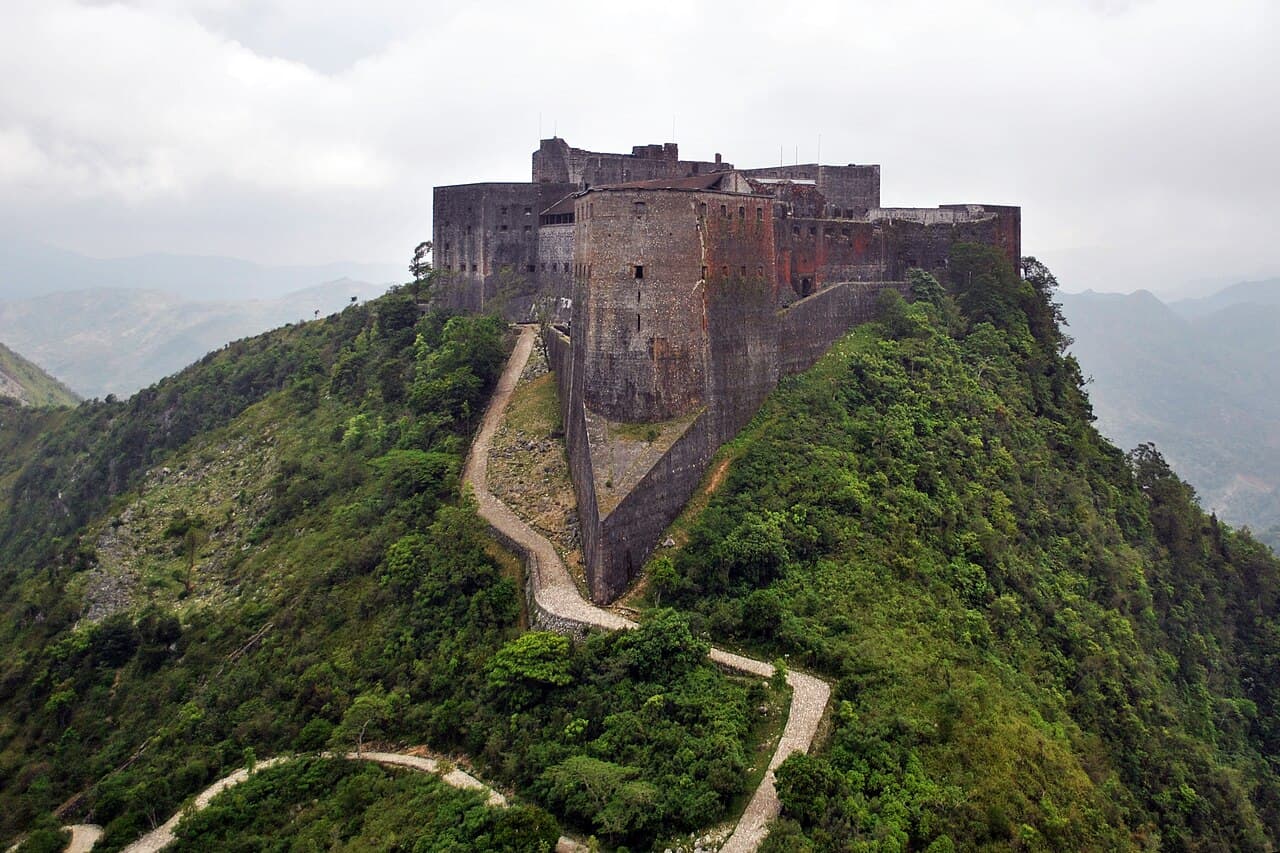
The Citadelle Laferrière, also known as Citadelle Henri Christophe, stands as a monumental example of early 19th-century military architecture in the Caribbean. Located on the summit of Bonnet à l'Evêque mountain near the town of Milot in the Nord department of Haiti, this fortress was constructed as a strategic defense against possible French attempts to reclaim the newly independent nation. Its elevated position approximately 8 kilometres from Milot and 27 kilometres south of Cap-Haïtien provides commanding views over the surrounding landscape and the northern coast, making it a formidable military installation.
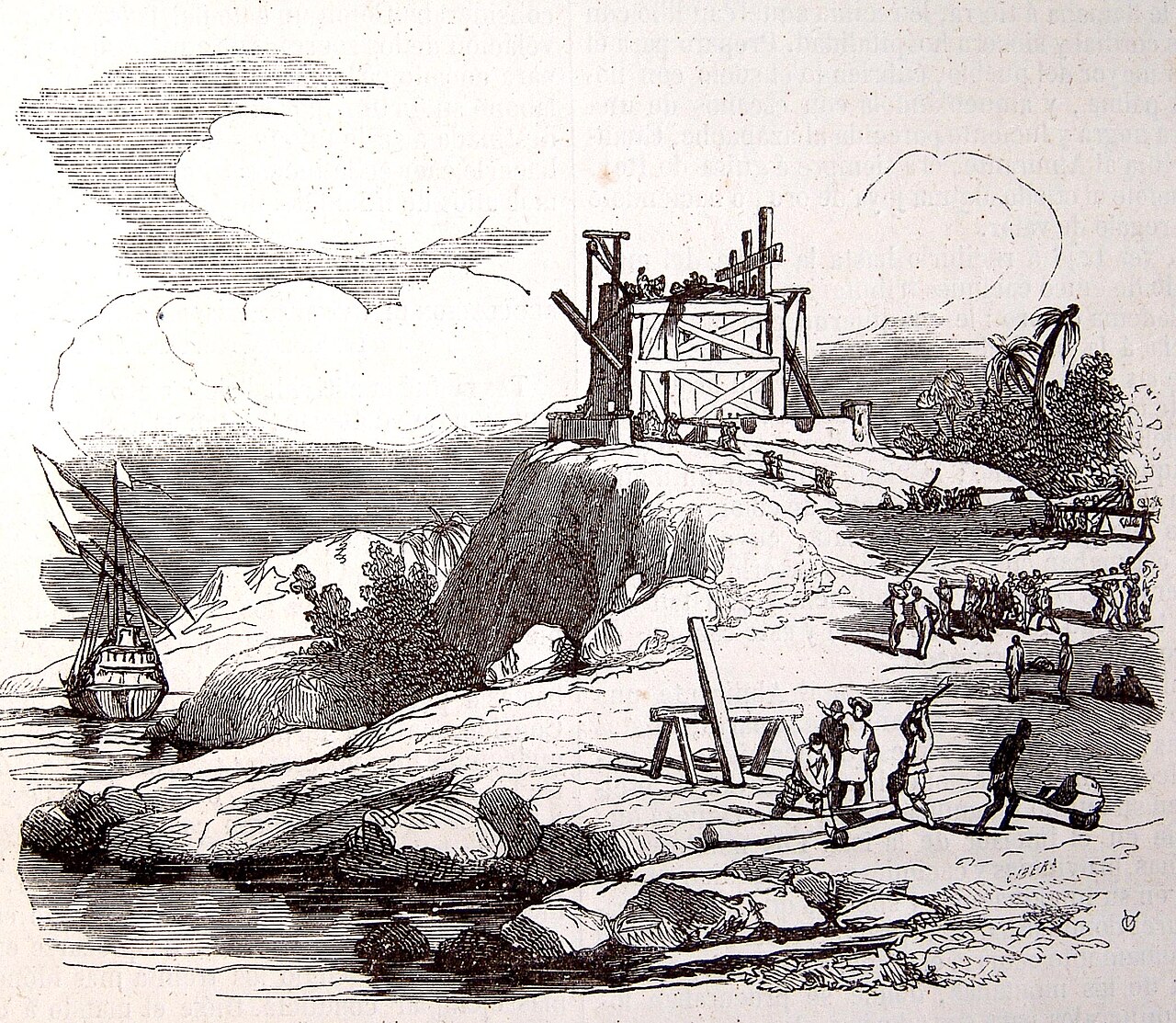
Commissioned by Henri Christophe, a key leader of the Haitian Revolution and later king of northern Haiti, the fortress was built during the early 19th century using the labor of tens of thousands of former slaves. This massive undertaking was part of Christophe's broader efforts to secure Haiti's sovereignty after independence from France in 1804. The Citadelle's construction began around 1805 and took nearly a decade to complete, reflecting the scale and complexity of the project.
Architectural design and fortifications
The Citadelle Laferrière is classified as a bastioned fortress, a style characterized by angular bastions protruding from the walls to provide overlapping fields of fire and eliminate blind spots. The fortress covers approximately 10,000 square meters and features massive stone walls up to 10 meters thick, designed to withstand artillery bombardment. Its walls rise up to 130 feet above the mountain summit, creating an imposing silhouette visible for miles.
The fortress includes multiple defensive elements such as thick ramparts, extensive battlements, and a series of cannon placements strategically positioned to cover all approaches. The design also incorporates a large moat, though dry, which adds an additional layer of defense. Inside, the Citadelle contains barracks, cisterns for water storage, powder magazines, and living quarters for hundreds of soldiers, demonstrating careful planning for sustained defense during a siege.
Construction materials and techniques
The builders utilized locally quarried stone and lime mortar, employing traditional masonry techniques combined with innovative engineering solutions adapted to the mountainous terrain. The fortress's construction required extensive earthworks and leveling to create a stable foundation on the uneven mountaintop. The use of robust materials and precise stone cutting contributed to the Citadelle's remarkable preservation despite centuries of exposure to the elements.
Historical significance and context
The Citadelle Laferrière symbolizes Haiti's struggle for freedom and resilience following its successful revolution against French colonial rule. It was intended as a deterrent against any French military expeditions aiming to reestablish control over the island. Although the anticipated French invasion never materialized, the fortress remained a critical military asset for the Haitian state.
Henri Christophe's vision extended beyond mere military defense; the Citadelle was also a statement of national pride and sovereignty. It was part of a larger complex including the nearby Sans-Souci Palace, which served as Christophe's royal residence. Together, these structures embodied the aspirations of a newly independent African-descended nation asserting its place in the world.
Legacy and UNESCO recognition
In 1982, the Citadelle Laferrière, along with the Sans-Souci Palace and other related sites, was designated a UNESCO World Heritage Site for its cultural and historical importance. It stands as one of the few examples of African-derived military architecture in the Americas, reflecting a unique fusion of European fortification principles and local adaptation. The fortress remains a potent symbol of Haitian identity and heritage.
Visiting the Citadelle Laferrière
Today, the Citadelle is a major tourist attraction and an emblem of Haitian history. Visitors often reach the fortress by a challenging hike or horseback ride up the mountain from Milot. The site offers panoramic views of the northern plains and the Atlantic Ocean beyond. Preservation efforts have maintained much of the fortress's structure, allowing visitors to explore its bastions, ramparts, and internal chambers.
The Citadelle's remote location and rugged terrain require visitors to be prepared for a physically demanding visit. However, the experience provides insight into Haiti's revolutionary past and the architectural ingenuity of its builders. The fortress continues to inspire pride and serves as a reminder of the nation's enduring quest for freedom and self-determination.
Frequently asked questions (FAQ)
- What is the historical significance of Citadelle Laferrière?
- Citadelle Laferrière is a symbol of Haitian independence and resilience, built in the early 19th century after Haiti's emancipation from French colonial rule. It served as a fortress to protect against potential invasions from foreign powers, illustrating the nation's determination to maintain its sovereignty.
- When was Citadelle Laferrière constructed?
- Construction of Citadelle Laferrière began in 1805 and continued for 15 years, culminating in its completion in 1820. The fortification was commissioned by Henri Christophe, the first king of Haiti, and reflects the architectural ambitions of the newly independent nation.
- Can I visit Citadelle Laferrière year-round?
- Yes, Citadelle Laferrière is open to visitors throughout the year, making it accessible for those interested in exploring its rich history and stunning views. However, it’s advisable to check for any local holidays or events that may affect visiting hours.
- What are the opening hours for Citadelle Laferrière?
- Citadelle Laferrière typically opens at 8:00 AM and closes at 5:00 PM daily. It is recommended to arrive early to fully enjoy the site and avoid crowds during peak visiting times.
- Is it possible to access Citadelle Laferrière by public transportation?
- While public transportation options are limited, visitors can reach Citadelle Laferrière by taking a local bus or hiring a taxi from nearby cities. Guided tours are also available, which often include transportation to and from the site.
- What is the best time to visit Citadelle Laferrière?
- The best time to visit Citadelle Laferrière is during the dry season, which runs from December to April. During this time, the weather is generally more pleasant, making it ideal for exploring the fortress and enjoying the surrounding landscapes.
- Are there any nearby attractions to visit after Citadelle Laferrière?
- Yes, visitors can explore nearby attractions such as the Palace of Sans-Souci, a UNESCO World Heritage site, which is located just a short distance from the Citadelle. The area is rich in history and offers stunning views of the Haitian countryside.
- What are the ticket prices for visiting Citadelle Laferrière?
- Ticket prices for Citadelle Laferrière are relatively affordable, typically ranging from a few dollars for locals to slightly higher rates for international visitors. It’s a good idea to check for any updates on pricing or discounts available for groups and students.
- How do I prepare for my visit to Citadelle Laferrière?
- To prepare for your visit, wear comfortable shoes as there is a fair amount of walking and climbing involved. Additionally, bring water, sunscreen, and a camera to capture the breathtaking views and significant historical architecture.
Photo gallery

Photo by SPC Gibran Torres, United States Army•Public domain
Information
Loading map...
Visitor reviews
No reviews yet. Been here? Write the first review and help other travelers!
Write the first reviewVisited this castle? Share your experience
Your review helps other travelers and adds first-hand knowledge to our encyclopedia.