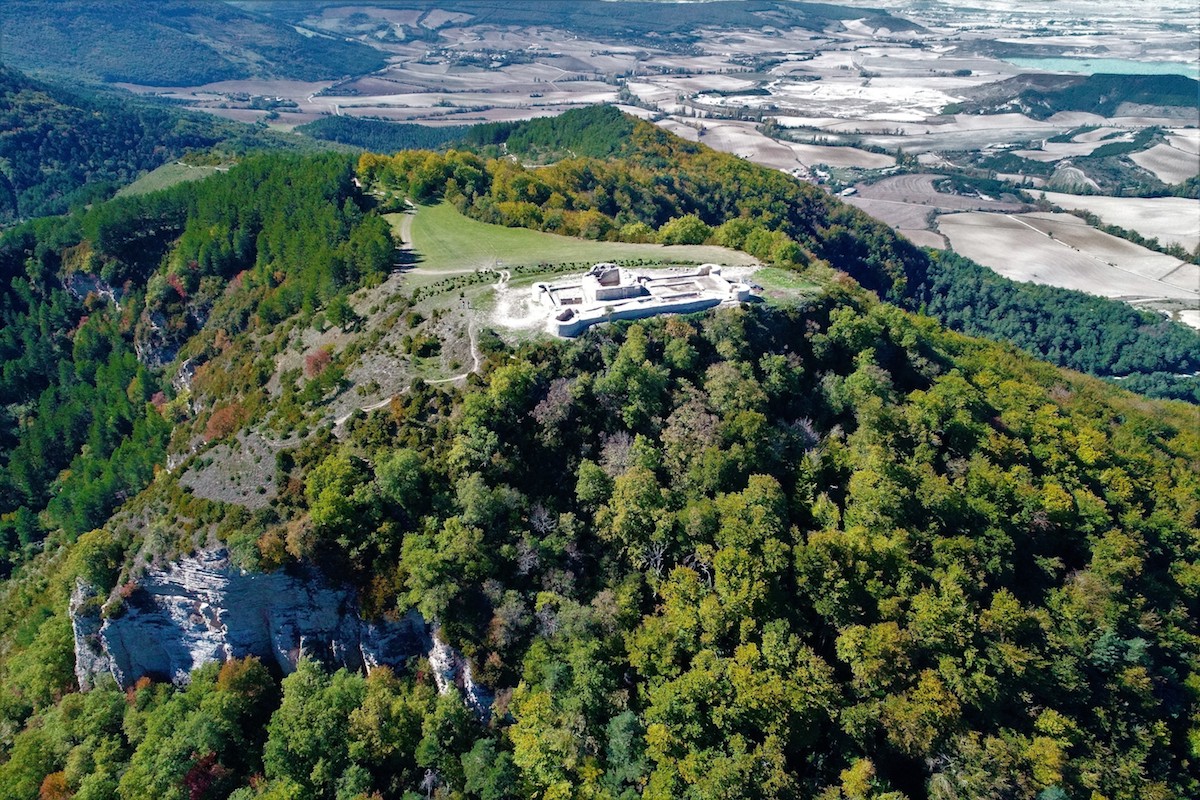
The Citadel of Pamplona, also known as the New Castle (Iruñeko zitadela in Basque and Ciudadela de Pamplona in Spanish), stands as a prominent example of Renaissance military architecture in the city of Pamplona, the capital of the Navarre community in northern Spain. Constructed primarily in the 16th century, with completion extending into the early 17th century, this bastioned fortress was designed to adapt to the evolving demands of warfare, particularly the use of artillery.
Historical context and strategic importance
During the Renaissance, the rise of gunpowder weaponry necessitated a new style of fortification, leading to the development of the bastioned fortress design. The Citadel of Pamplona was built to replace older medieval defenses and to strengthen the city's protection against potential sieges and military incursions. Pamplona's position near the Pyrenees and on important routes made it a strategic military site, especially during the turbulent periods of the 16th century, including conflicts between Spain and France and internal struggles within the Kingdom of Navarre.
Architectural features and design
Bastioned layout
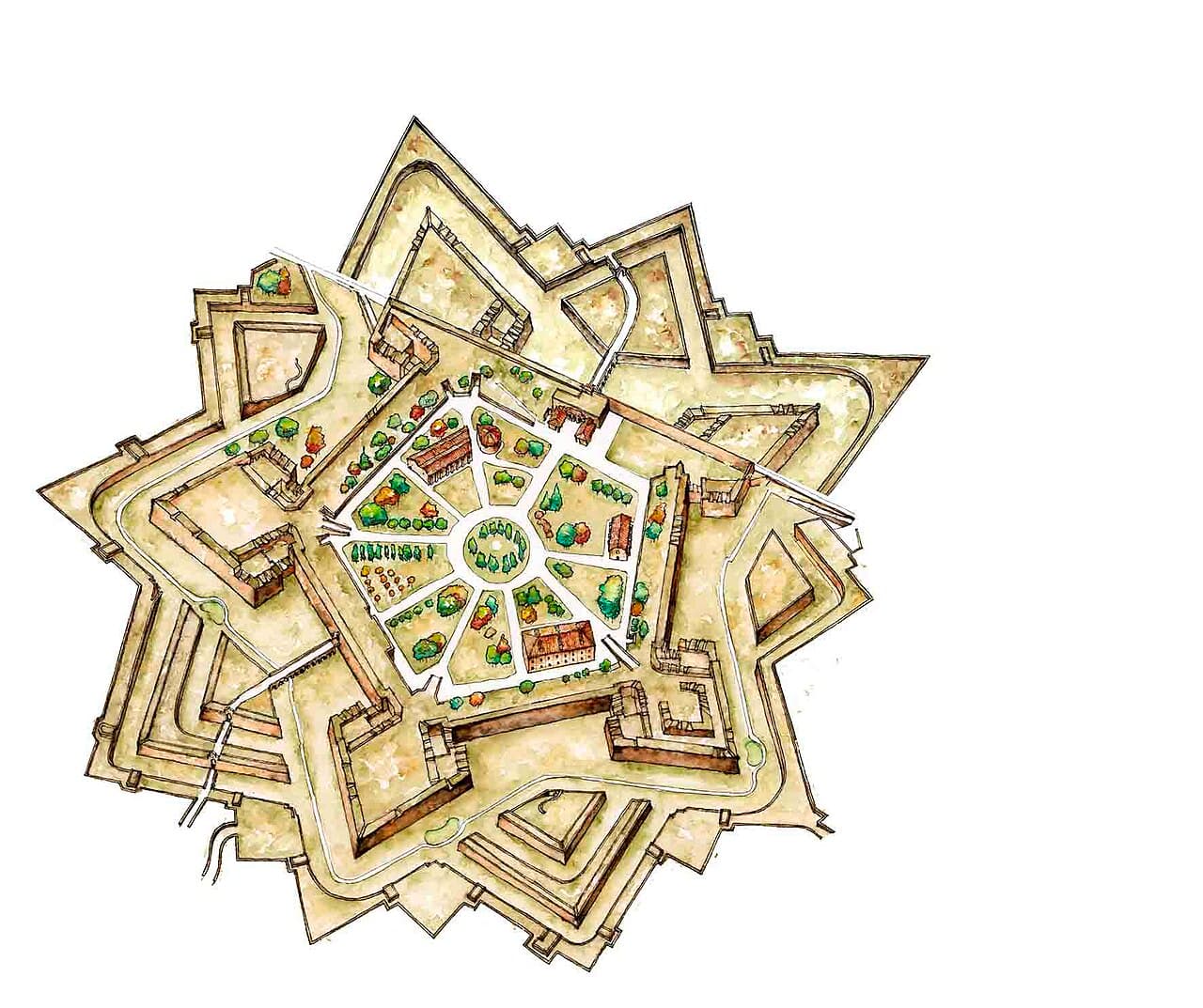
The fortress is characterized by its star-shaped layout, a hallmark of Renaissance bastioned fortifications. This design allowed for overlapping fields of fire and eliminated blind spots, enhancing the fortress's defensive capabilities against artillery assaults. The walls are thick and angled, constructed to absorb and deflect cannonballs.
Moats and gates
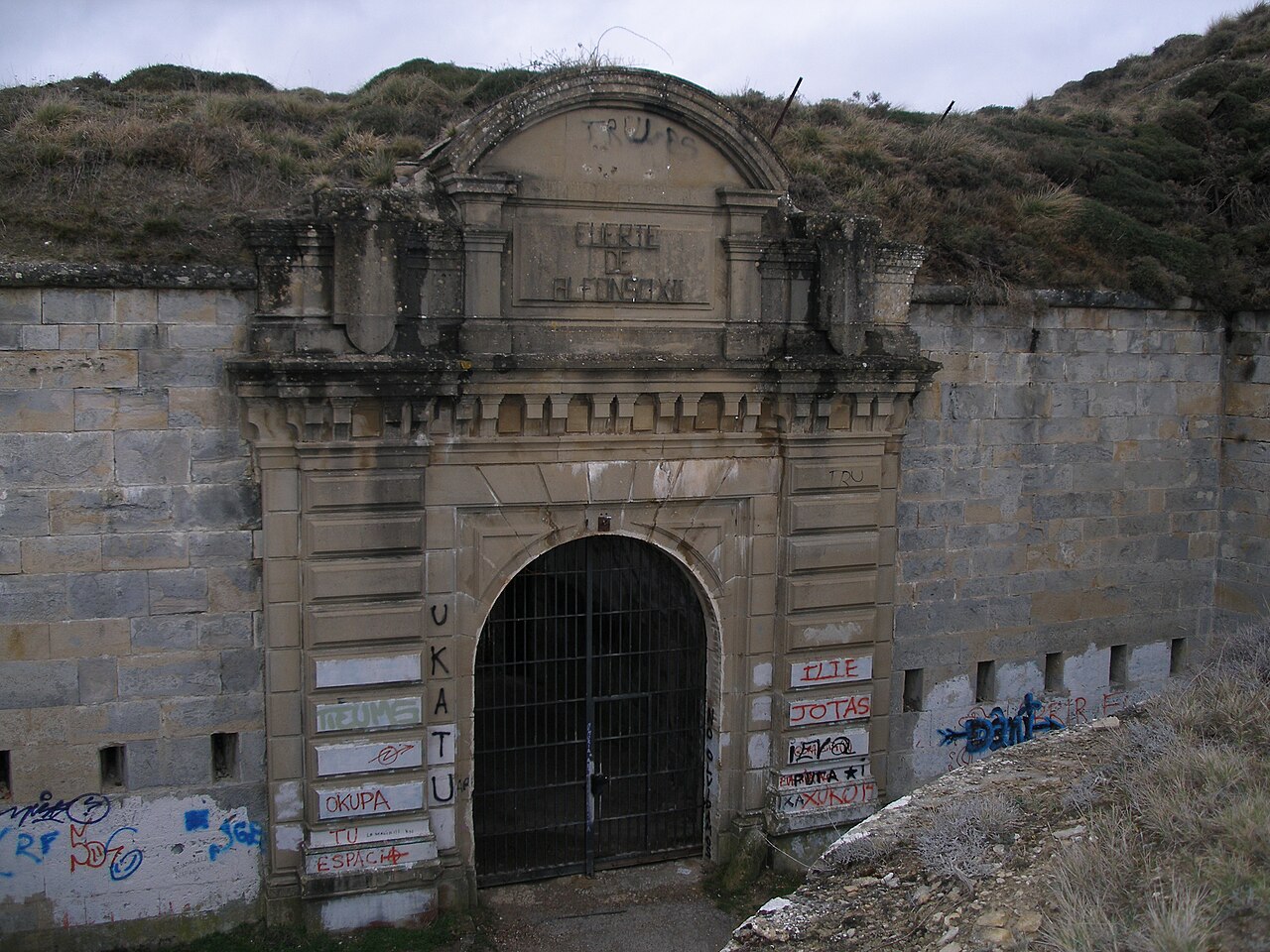
Surrounding the fortress is a deep moat that further impedes attackers. The main entrance is fortified with imposing gatehouses and drawbridges, designed to control access and provide additional layers of defense. These gates often featured decorative elements reflecting Renaissance aesthetics while maintaining their military function.
Interior structures
Inside the citadel, there are various barracks, armories, and storage facilities arranged around a central courtyard. The buildings were constructed to house troops and supplies necessary for prolonged sieges. Some structures have been repurposed for cultural uses in modern times.
Preservation and modern use
Today, the Citadel of Pamplona is one of the best-preserved examples of Renaissance military architecture in Spain. Much of the original structure remains intact, including the bastions, ramparts, and moats. The fortress has been integrated into a public park, offering green space and hosting cultural events, exhibitions, and educational activities.
Recognition and cultural significance
In 2015, the Citadel of Pamplona was included as component number 180 in the Retrospective Inventory – Associated Components submitted by Spain during the UNESCO approval process for the expansion of the Camino de Santiago World Heritage designation. This inclusion highlights the citadel's cultural and historical value, linking it to the broader heritage of northern Spain and its historical routes.
Visiting the citadel
Visitors to Pamplona can explore the citadel's extensive grounds, walk along the ramparts, and enjoy panoramic views of the city and surrounding landscape. The public park setting makes it accessible for leisure and educational visits. Various exhibitions and cultural programs take place within the fortress buildings, enriching the visitor experience with insights into its history and architecture.
Frequently asked questions (FAQ)
- When was the Citadel of Pamplona constructed?
- The Citadel of Pamplona was constructed primarily during the 16th century, with work continuing into the early 17th century.
- What architectural style characterizes the Citadel of Pamplona?
- The citadel is a prime example of Renaissance military architecture, featuring a bastioned fortress design adapted for artillery defense.
- Is the Citadel of Pamplona open to the public?
- Yes, the citadel is open to the public as part of a park and cultural space, offering access to its ramparts, grounds, and exhibitions.
- Why was the bastioned fortress design important?
- The bastioned design allowed for better defense against artillery by eliminating blind spots and enabling overlapping fields of fire.
- What is the significance of the Citadel of Pamplona in UNESCO heritage?
- It is listed as component number 180 in the Retrospective Inventory submitted during the UNESCO expansion of the Camino de Santiago World Heritage Site, recognizing its cultural importance.
Photo gallery

Information
Loading map...
Visitor reviews
No reviews yet. Been here? Write the first review and help other travelers!
Write the first reviewVisited this castle? Share your experience
Your review helps other travelers and adds first-hand knowledge to our encyclopedia.