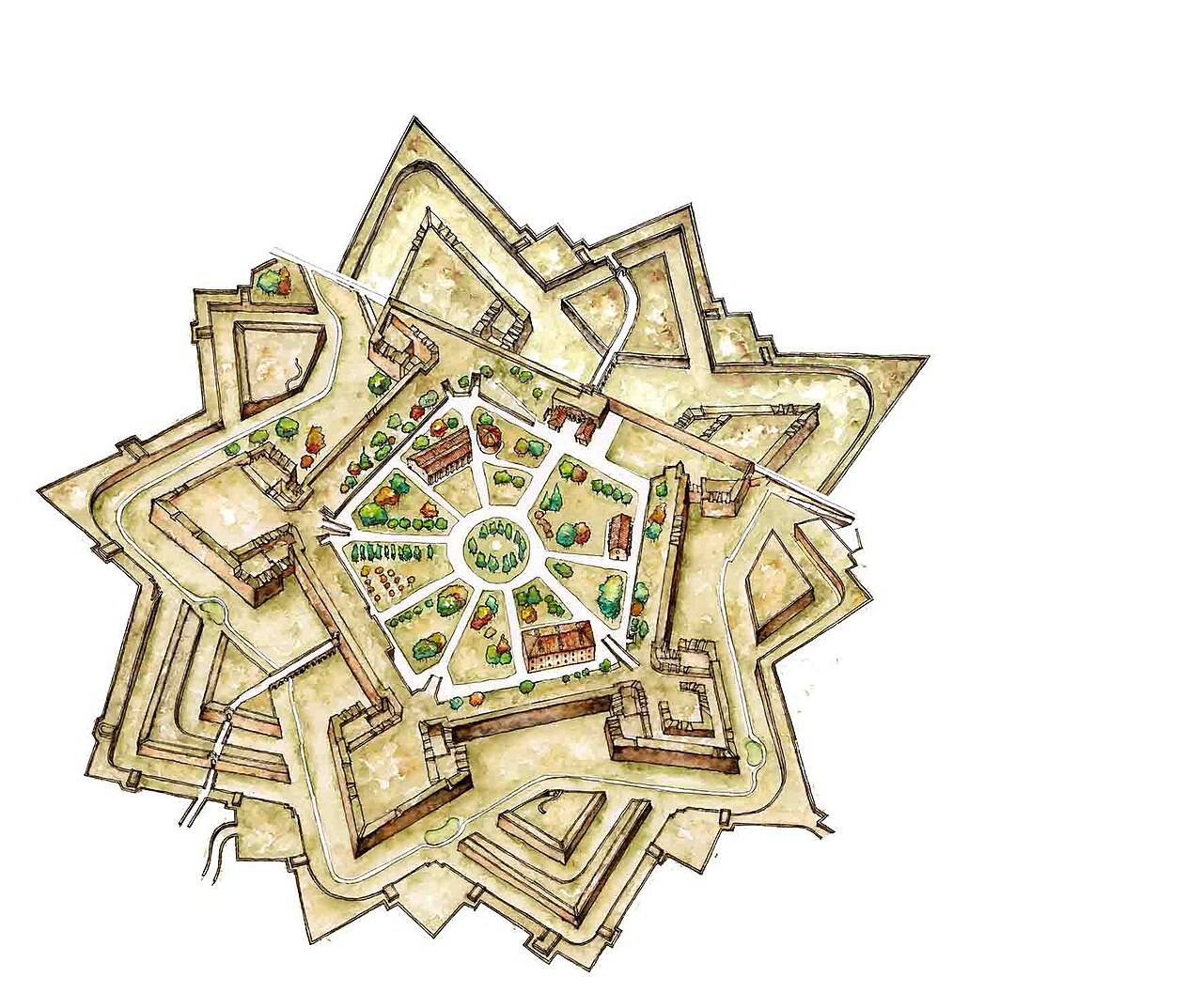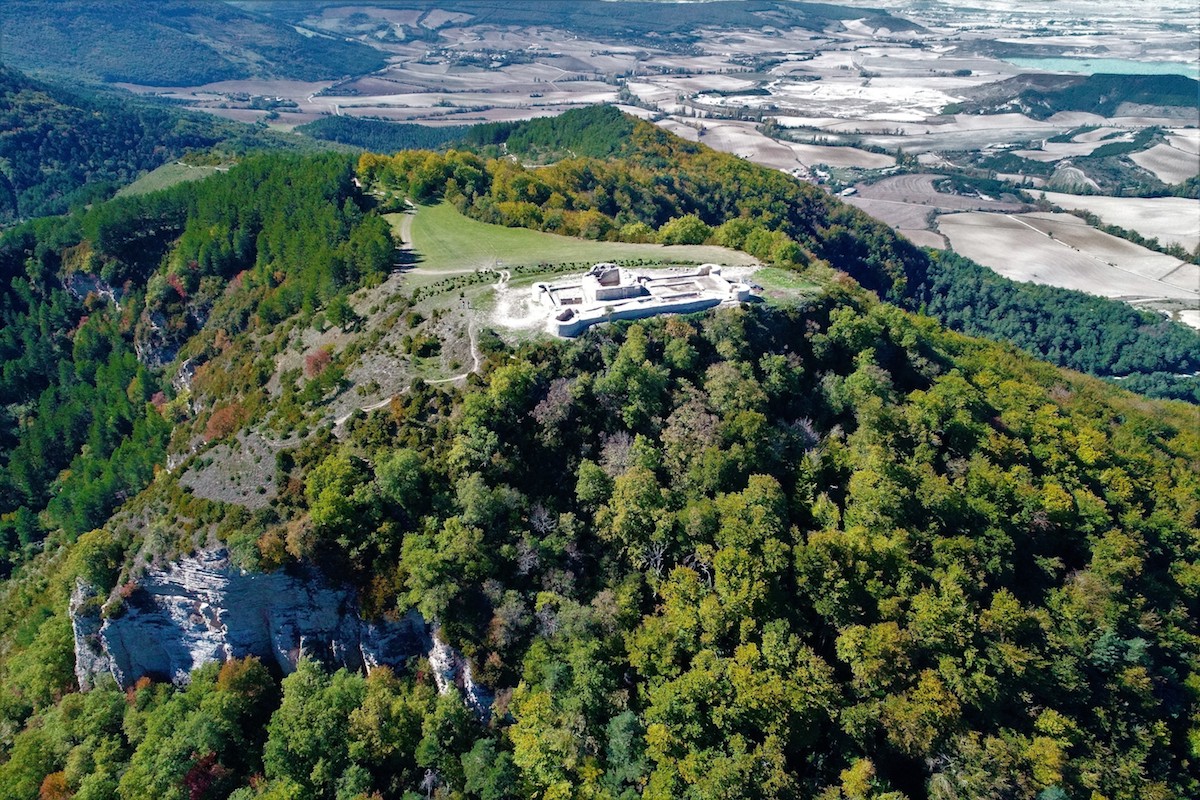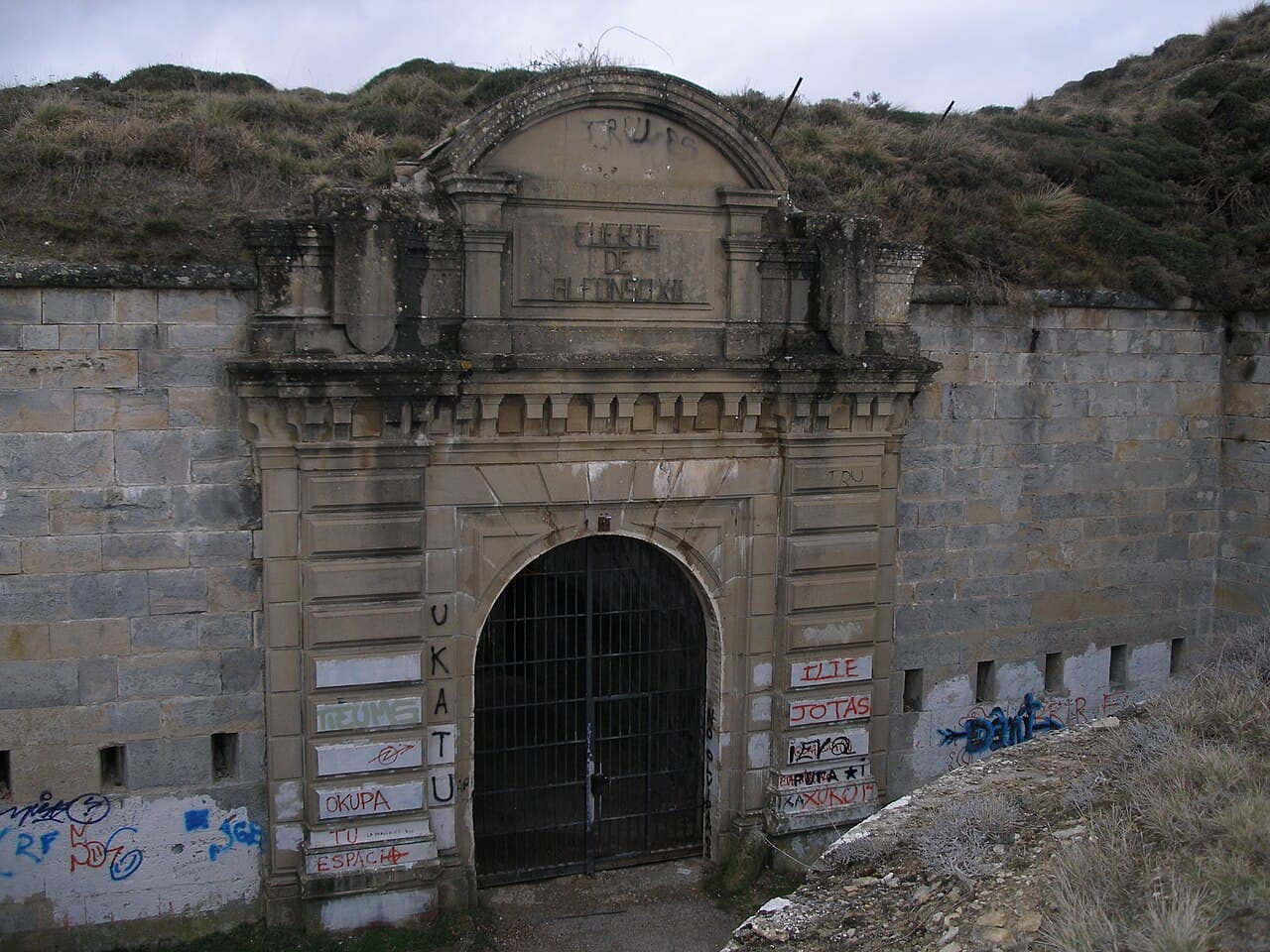
Fort San Cristóbal, also known as Fort Alfonso XII, is a significant bastioned fortress perched atop Mount San Cristóbal (also called Mount Ezcaba), standing at 892.8 meters above sea level, approximately 4 kilometers from the city of Pamplona, Spain. This fortress was constructed between 1878 and 1919 in response to military vulnerabilities exposed during the Carlist War of 1872-1876, when Carlist forces managed to position artillery on surrounding heights and threaten the city. The strategic placement of the fort was intended to dominate the northern approaches to Pamplona and prevent enemy artillery from gaining advantageous positions.
Historical context and military significance
The late 19th century saw rapid advancements in artillery technology, which rendered traditional fortifications obsolete. To adapt, military engineers designed forts like San Cristóbal with extensive underground facilities and robust bastioned defenses to withstand bombardment. The fort's construction involved blasting the summit of Mount San Cristóbal to create space for a complex three-level structure covering approximately 180,000 square meters. The entire fortress complex, including its surrounding moat, spans about 615,000 square meters, making it one of the largest military fortifications in the region.
Unlike many traditional castles, much of Fort San Cristóbal is subterranean, with only minimal structures visible above ground, a design choice aimed at reducing its vulnerability to artillery fire. The fort's bastioned layout allowed for overlapping fields of fire, enhancing its defensive capabilities against any attacking forces attempting to ascend the mountain.
Architectural features and design
The fortress embodies characteristics typical of modern military architecture of the late 19th and early 20th centuries. Its design reflects the transition from medieval fortresses to bastioned forts adapted for gunpowder weaponry. The extensive use of underground chambers, tunnels, and casemates provided protection for troops and munitions from artillery bombardment. The moat surrounding the fort added an additional layer of defense, complicating any assault on the structure.
The fort's three floors include barracks, storage rooms, command posts, and defensive positions. The underground nature of much of the construction means that the fort is largely concealed within the mountain, blending into the natural landscape and making it a formidable obstacle to any military campaign targeting Pamplona from the north.
Role during the Spanish Republic and Civil War
During the turbulent years of the Second Spanish Republic and the Spanish Civil War, Fort San Cristóbal was repurposed as a prison. Following the 1934 revolution, it housed nearly 750 political prisoners who were later amnestied after the leftist electoral victory in 1936.
In the early months of the Civil War, the fort's inmate population swelled to over 2,000 as Nationalist forces in Navarre detained dissenters and opponents. The prison conditions were harsh, and the fort became a grim symbol of repression during this period.
1938 prison break
One of the most notable events in the fort's history was the massive prison break attempt on May 22, 1938. Approximately 792 prisoners escaped in a coordinated effort. However, the escape was ultimately unsuccessful; a guard managed to alert authorities in Pamplona, leading to a swift and brutal manhunt. Of the escapees, only three reached the French border. The majority were recaptured, with 211 executed and many others perishing from starvation and disease after being returned to the fort under dire conditions. The event remains a poignant episode illustrating the brutal repression during the Civil War.
In 1988, a sculpture was erected near the fort to commemorate the Republican prisoners who died there, serving as a somber reminder of the site's dark past.
Post-war use and current status
The fort ceased functioning as a prison in 1945. Although the Ministry of Defence retained ownership, the last military personnel left the site in 1991. Since then, several proposals have been made to restore and repurpose the fortress, recognizing its cultural and historical significance. In 2001, it was officially declared a good of cultural interest, a status aimed at protecting the site.
Despite these efforts, Fort San Cristóbal remains largely abandoned and in a state of ruin. Its vast underground structures and remote location pose challenges for restoration and public access. Nevertheless, it stands as a significant monument reflecting the evolution of military architecture, the history of Pamplona, and the turbulent political history of 20th-century Spain.
Visiting Fort San Cristóbal
Today, visitors to Pamplona can view the fort from a distance, appreciating its strategic location atop Mount San Cristóbal. While access to the interior is limited due to its condition and military ownership, the site offers insight into the defensive strategies employed in the late 19th century and the complex history of the Spanish Civil War. The surrounding natural environment also provides opportunities for hiking and exploration of the area's historical landscape.
Frequently asked questions (FAQ)
- What is the historical significance of Fort San Cristóbal?
- Fort San Cristóbal was built after the Carlist War to control strategic heights overlooking Pamplona and later served as a prison during the Spanish Civil War.
- Can visitors tour the interior of Fort San Cristóbal?
- Access to the interior is generally restricted due to the fort's condition and military ownership, but visitors can view the fortress from surrounding areas.
- When was the massive prison break at Fort San Cristóbal?
- The large-scale prison break occurred on May 22, 1938, involving 792 prisoners, with only a few managing to escape to France.
- Who owns Fort San Cristóbal today?
- The Ministry of Defence currently owns Fort San Cristóbal, although it has been abandoned since 1991.
- Why was Fort San Cristóbal built?
- It was constructed to prevent enemy artillery from threatening Pamplona from the surrounding mountains after the Carlist War.
Photo gallery

Photo by No machine-readable author provided. Jorab assumed (based on copyright claims).•Public domain
Information
Current owner
Ministry of Defence
Loading map...
Visitor reviews
No reviews yet. Been here? Write the first review and help other travelers!
Write the first reviewVisited this castle? Share your experience
Your review helps other travelers and adds first-hand knowledge to our encyclopedia.