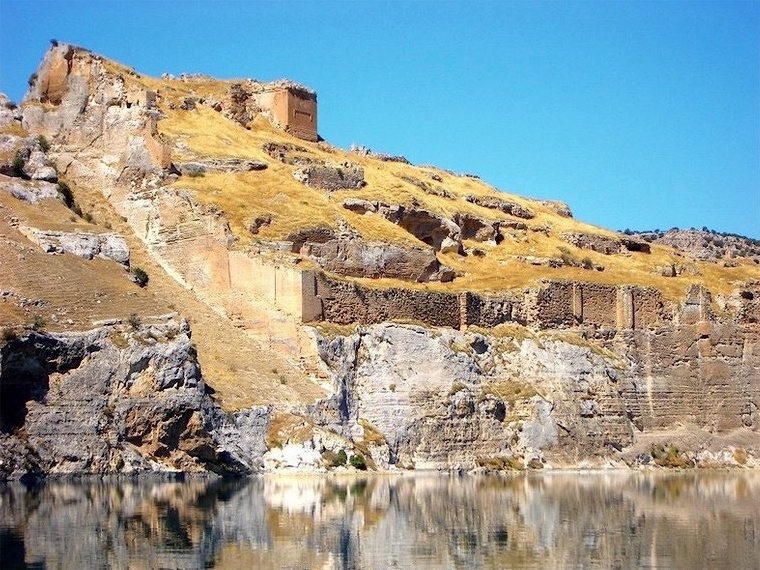
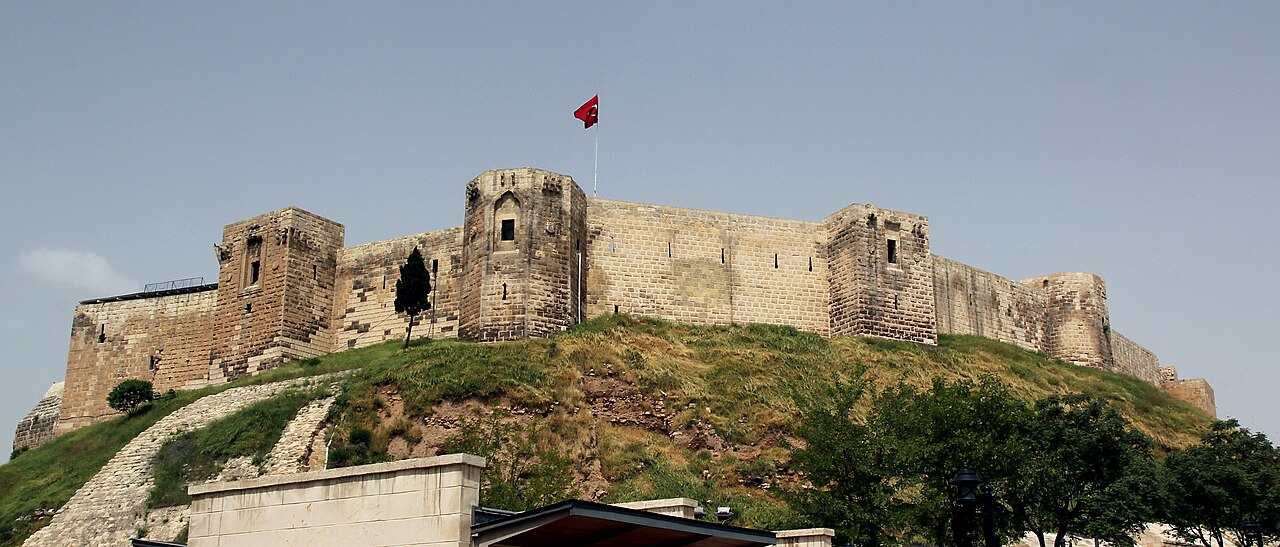
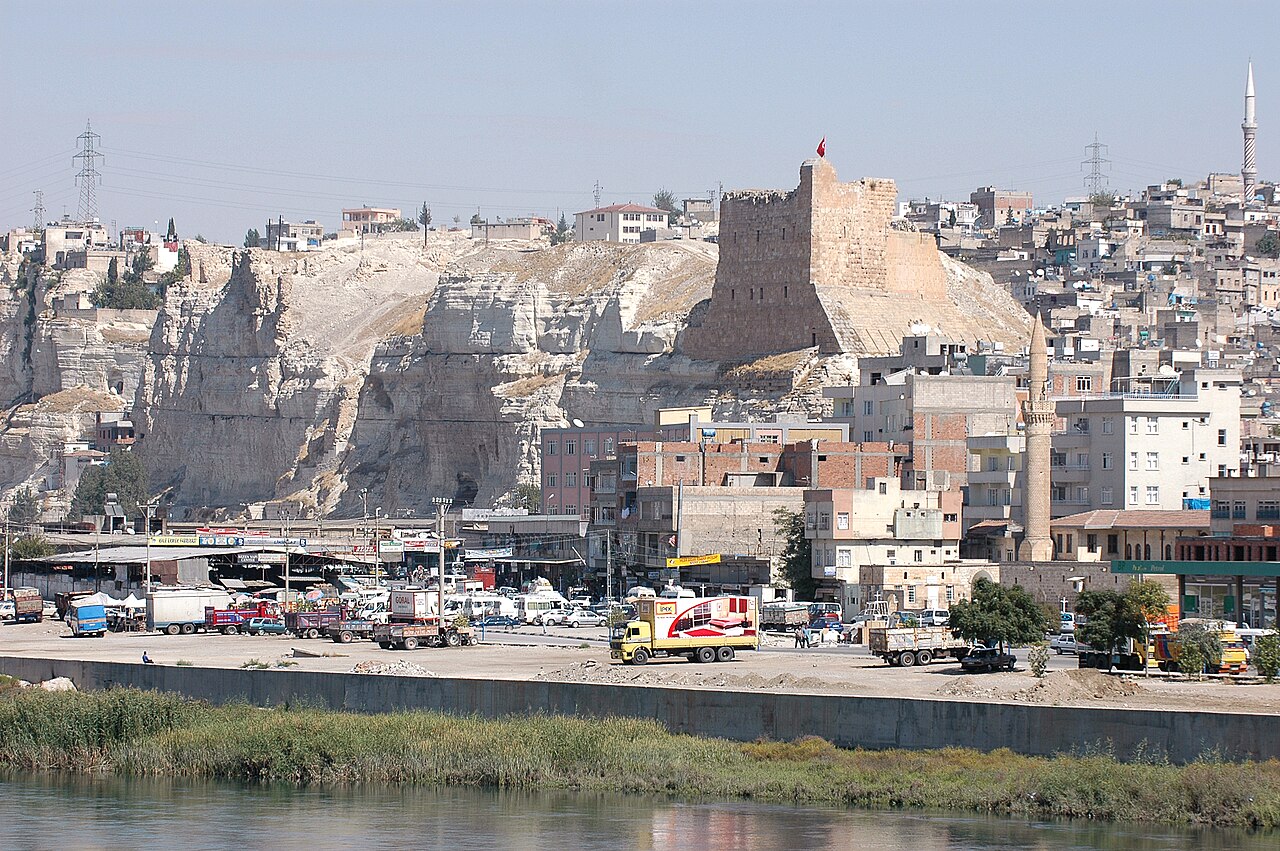
Cingife Castle, locally known as Cingife Kalesi, is a historic fortress located on a prominent hill in the village of Yavuzeli within the Gaziantep province of southeastern Turkey. This castle occupies a strategic position atop what appears to be a tell, an artificial mound formed by successive human settlements, providing commanding views of the surrounding landscape. The site’s elevated location was likely chosen for its defensive advantages and surveillance capabilities over the region.
The castle is believed to date back to the 9th century, originally known by the name Barzaman. Its early history is intertwined with the shifting control of various regional powers. Initially, it fell under Byzantine influence, reflecting the empire’s efforts to maintain territorial control in this frontier zone. Subsequently, the fortress came under the dominion of the Armenian Kingdom of Cilicia, a medieval Armenian state that played a significant role in the geopolitics of the region during the High and Late Middle Ages.
Medieval political transitions and control
Following Armenian control, Cingife Castle became part of the County of Edessa, a Frankish Crusader state established during the First Crusade. The castle’s position made it a valuable asset in the contest between Christian Crusader states and Muslim powers. In 1150, the fortress was captured by Muslim forces, marking a significant shift in regional power dynamics.
During the 13th century, the castle experienced further upheaval when it was occupied by the Mongols. This period was characterized by the Mongol invasions and their temporary control over parts of Anatolia. The Armenians briefly reclaimed the castle later in the century, although their hold was short-lived as the fortress changed hands again amidst ongoing conflicts.
Architectural features and current condition
Today, the remains of Cingife Castle are modest. Visitors can observe the foundations of surrounding walls atop the mound, along with scattered rubble from collapsed structures. Unfortunately, there are no surviving detailed architectural elements such as towers, gates, or decorative stonework visible at the site. The castle’s construction likely utilized local stone and typical defensive features of early medieval fortifications, but much of this has been lost to time.
The castle’s location adjacent to the modern road connecting Gaziantep and Rumkale makes it easily accessible. However, the site offers limited visual interest due to the scarcity of standing structures. Despite this, the site holds archaeological and historical significance as a witness to the complex cultural and military history of southeastern Anatolia.
Historical significance and cultural context
The name Cingife is thought by some to derive from a supposed Genoese settlement in the area, although this theory lacks strong historical evidence and is considered unlikely. The nearby village of Yavuzeli was known as Cingife until 1958, linking the castle’s name to local toponymy.
Notably, the Ottoman Sultan Selim I, also known as Yavuz Sultan Selim, is recorded to have stayed at the castle during his campaign in 1517. This association adds a layer of Ottoman historical relevance to the site, connecting it to the empire’s expansion into the region.
Visiting cingife castle
The castle is freely accessible to visitors, though it offers primarily an archaeological experience rather than a fully preserved fortress. Exploration involves viewing the mound, wall foundations, and scattered ruins. The site’s proximity to a main road makes it a convenient stop for those interested in the medieval history of Gaziantep province.
While lacking in dramatic architectural remains, Cingife Castle provides insight into the layered historical narratives of Byzantine, Armenian, Crusader, Mongol, and Ottoman influences that shaped the region. It remains an important cultural landmark reflecting the strategic importance of hilltop fortifications in medieval Anatolia.
Frequently asked questions (FAQ)
- What is the historical significance of Cingife Castle?
- Cingife Castle, located in Yavuzeli, Turkey, dates back to the Byzantine era and has served as a military stronghold throughout its history. It played a crucial role in the defense of the region against various invasions and has witnessed the changing tides of empires over centuries.
- When was Cingife Castle built?
- Cingife Castle was constructed during the 11th century, making it a significant architectural feat of its time. Its design reflects the military needs and defensive strategies during the Byzantine era, showcasing the historical importance of the castle in regional conflicts.
- Is it possible to visit Cingife Castle?
- Yes, visitors can explore Cingife Castle and its surrounding grounds. The castle is open to the public, allowing guests to immerse themselves in its rich history while enjoying the stunning views of the surrounding landscape.
- What are the opening hours for Cingife Castle?
- Cingife Castle is typically open from 9 AM to 6 PM, but it's advisable to check local listings for any seasonal changes. Visiting during daylight hours allows you to fully appreciate the architectural details and scenic views from the castle.
- Can I find nearby attractions when visiting Cingife Castle?
- Absolutely! Cingife Castle is situated near several attractions, including ancient ruins and scenic hiking trails. Visitors can explore the rich cultural heritage of the area while enjoying outdoor activities in the beautiful Turkish countryside.
- What is the best time to visit Cingife Castle?
- The best time to visit Cingife Castle is during the spring and fall when the weather is mild and pleasant. These seasons offer a comfortable climate for exploring the castle and its surroundings without the intense heat of summer.
- Are there any ticket prices to visit Cingife Castle?
- Yes, there is a small entrance fee to visit Cingife Castle, making it an affordable option for travelers. Ticket prices are subject to change, so it's recommended to check for the latest information before your visit.
- How do I get to Cingife Castle?
- Cingife Castle is accessible by car, with ample parking available nearby. Public transportation options may also be available, but it's best to check local transit schedules for the most convenient routes.
- Is Cingife Castle accessible for people with disabilities?
- While Cingife Castle offers stunning views and historical significance, some areas may be challenging for those with mobility issues. It is advisable to contact local authorities for specific accessibility information before planning your visit.
Information
Address
Şahin Sk., Yavuzeli, Gaziantep, Turkey
Loading map...
Visitor reviews
No reviews yet. Been here? Write the first review and help other travelers!
Write the first reviewVisited this castle? Share your experience
Your review helps other travelers and adds first-hand knowledge to our encyclopedia.