Cilgerran Castle
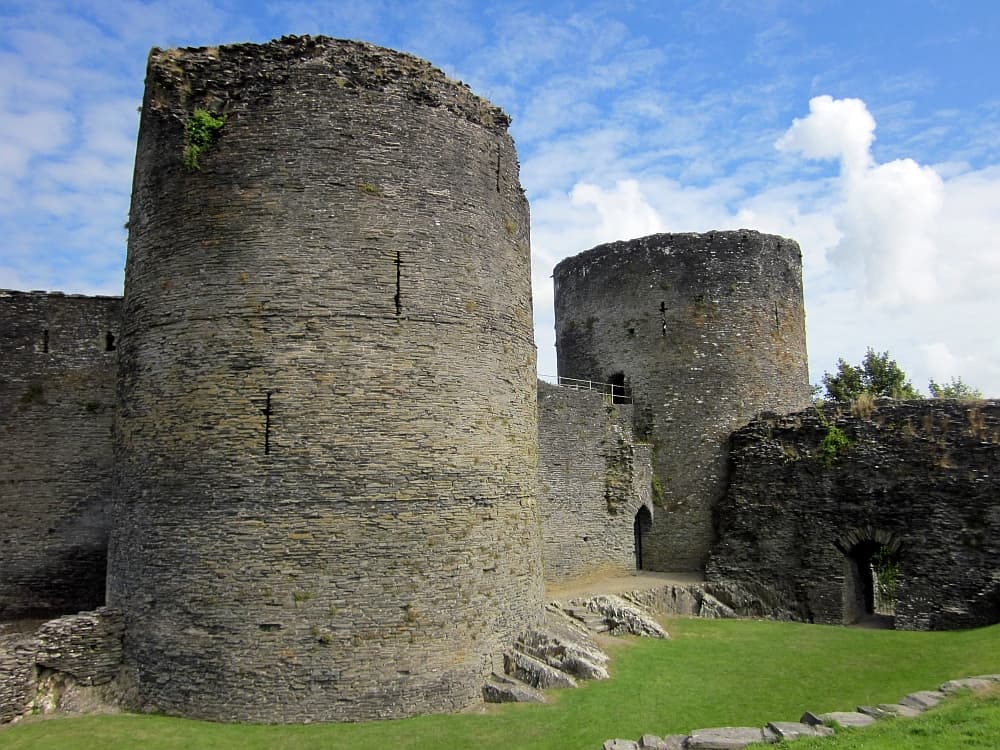
Cilgerran Castle (Welsh: Castell Cilgerran) stands as a striking example of a 13th-century medieval hill castle ruin perched dramatically above the River Teifi in Wales. Its strategic location atop a rocky promontory with steep cliffs on one side provided natural defense advantages, while its architectural evolution reflects the turbulent history of Welsh-English conflicts during the High Medieval period. The castle's remains, including two prominent drum towers and a massive gatehouse, continue to captivate visitors and historians alike.
Early origins and historical context
The site of Cilgerran Castle was originally established in the early 12th century, around 1110–1115, as a wooden motte-and-bailey fortress, likely constructed under the direction of Gerald of Windsor, the constable of nearby Pembroke Castle. This initial fortification was part of the Anglo-Norman expansion into Welsh territories and may correspond to the castle historically referred to as Cenarth Bychan, though the exact location remains debated.
The earliest documented mention of the castle dates to 1165 when the Welsh ruler Lord Rhys of Deheubarth captured the fortress and destroyed its wooden defenses. Lord Rhys then initiated a significant rebuilding effort, replacing the timber structures with robust stone walls and lime mortar, marking the castle's transition from a wooden stronghold to a stone fortress.
Medieval conflicts and architectural development
Throughout the 12th and 13th centuries, Cilgerran Castle was a focal point of conflict between Welsh princes and English nobility, changing hands multiple times. In 1204, it was seized by William Marshal, 1st Earl of Pembroke, only to be captured by the powerful Welsh prince Llywelyn the Great in 1215. The castle was reclaimed by William Marshal's son, the 2nd Earl of Pembroke, in 1223, who initiated extensive reconstruction efforts that replaced earlier wooden defenses with substantial stone fortifications, many of which survive today.
Subsequent ownership passed to the de Cantilupe family and later to the Hastings family by 1272. The castle's fortifications successfully withstood several Welsh sieges, including a notable unsuccessful siege in 1257. Further enhancements during the reign of Edward III in the late 14th century included the addition of a D-shaped tower and expanded residential buildings, reflecting the castle's evolving military and domestic roles.
Unique architectural features
Cilgerran Castle is distinctive for its absence of a central keep, a feature common in many contemporary castles. Instead, its defense relied heavily on two large drum towers flanking a formidable gatehouse on the southeast side. These towers rise four stories tall and contain evidence of wooden floor supports and fireplaces, indicating they served as comfortable living quarters as well as defensive positions. Access to upper floors was provided by internal spiral staircases, while ground-floor chambers had separate entrances.
The gatehouse originally featured a pivoting drawbridge spanning the outer ditch, controlling access to the castle. Above the gate, a small chamber likely served as a chapel, emphasizing the castle's dual military and residential functions. Narrow arrow slits and connecting passages between the gatehouse and towers enhanced the defenders' ability to repel attackers.
The castle's curtain walls are notably thick and robust, several meters in thickness, and incorporate battlements and arrow slits for archers. The inner ward contained domestic structures such as a great hall, private chambers, and a kitchen, primarily along the northeastern and northwestern walls. A third tower once stood at the southwest corner, further strengthening the enclosure.
Decline, preservation, and cultural significance
By the late 14th century, Cilgerran Castle began to decline in military importance and was gradually abandoned by around 1400. Ownership passed through various noble families, including the Jasper Tudor and Vaughan families. The Vaughans relocated to a nearby manor in the early 17th century, marking the castle's reduced role in regional defense and administration.
The 19th century brought further damage to the castle ruins, primarily due to slate quarrying in the surrounding area. Despite this, the castle's dramatic ruins attracted artists such as J. M. W. Turner, whose paintings helped popularize the site’s romantic and picturesque qualities.
In 1938, stewardship of Cilgerran Castle was transferred to the National Trust, and it is currently managed by Cadw, the Welsh government's historic monuments agency. Today, the castle is open to the public and serves as a venue for historical reenactments, educational programs, and cultural events, preserving its legacy as a symbol of medieval Welsh and Anglo-Norman history.
The castle's strategic location and defenses
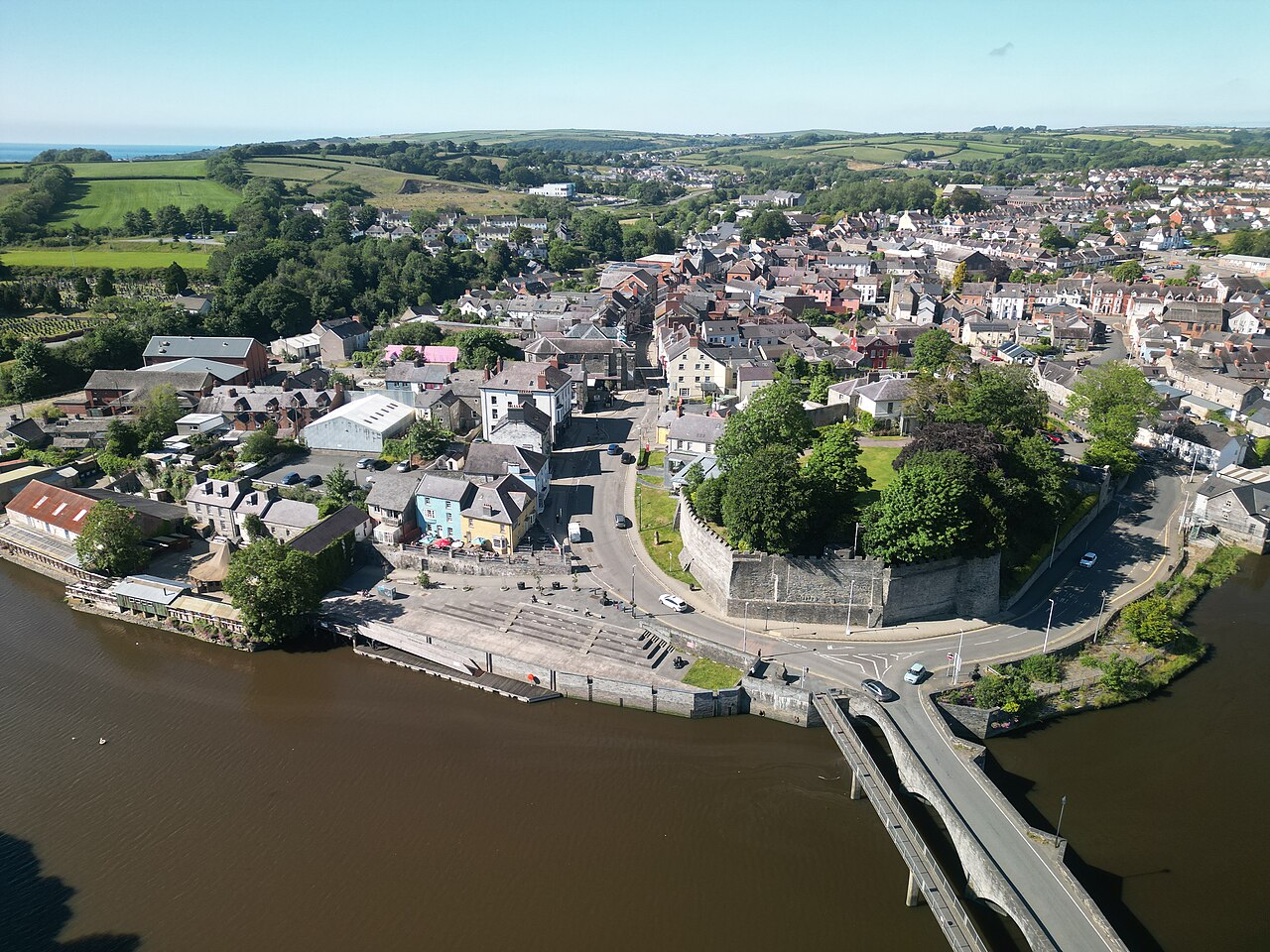
The castle's position atop a rocky promontory overlooking the River Teifi provided a commanding view of the surrounding landscape and a natural defensive barrier on one side. The landward side was protected by two large rock-cut ditches, which formed part of the outer bailey and inner ward defenses. One of these ditches was later adapted for use as a village pound, illustrating the site's evolving role within the local community.
A small sally-port, or hidden exit, remains within the fortifications, which historically would have allowed defenders to launch surprise sorties or escape during sieges. The castle's layout and fortifications reflect a sophisticated understanding of medieval military architecture and the need for both defense and habitation.
Architectural legacy and visitor experience
Visitors to Cilgerran Castle today can explore the evocative ruins of the drum towers, gatehouse, and curtain walls, gaining insight into the castle's complex history and architectural innovations. Interpretive signage and guided tours provide context about the castle's role in Welsh-English conflicts and its significance within the broader medieval landscape of Pembrokeshire.
The castle's dramatic setting and well-preserved features make it a popular destination for history enthusiasts, photographers, and artists. Its connection to notable historical figures and events, combined with its architectural uniqueness, ensures Cilgerran Castle remains a vital part of Wales' cultural heritage.
Frequently asked questions (FAQ)
- What is the historical significance of Cilgerran Castle?
- Cilgerran Castle is a remarkable example of medieval military architecture, built in the late 11th century. It played a vital role in the defense against Welsh uprisings and showcases the strategic importance of castles in the Norman conquest of Wales.
- When was Cilgerran Castle built?
- Cilgerran Castle was constructed around 1100 AD, making it over 900 years old. It has witnessed significant historical events and changes in ownership throughout its long history.
- What are the opening hours for Cilgerran Castle?
- Cilgerran Castle is typically open to visitors from 10 AM to 5 PM during the summer months, and from 10 AM to 4 PM during the winter. It is advisable to check the official website for any seasonal changes or special closures.
- Can I visit Cilgerran Castle with children?
- Yes, Cilgerran Castle is a family-friendly destination with plenty of space for children to explore and learn. The castle grounds are open, and there are often educational activities available to engage young visitors.
- Is it possible to access Cilgerran Castle for those with mobility issues?
- Cilgerran Castle has some uneven ground and steep paths, which may pose challenges for visitors with mobility issues. However, staff can provide assistance and information on the best routes to take within the castle grounds.
- What are the ticket prices for Cilgerran Castle?
- Ticket prices for Cilgerran Castle are generally £5 for adults, £3.50 for seniors, and free for children under 5. Family tickets are also available at a discounted rate, making it an affordable outing for families.
- When is the best time to visit Cilgerran Castle?
- The best time to visit Cilgerran Castle is during the spring and summer months when the weather is more favorable and the gardens are in full bloom. Additionally, various events and activities are often scheduled during this period, enhancing the visitor experience.
- What nearby attractions can I explore after visiting Cilgerran Castle?
- After visiting Cilgerran Castle, you can explore the beautiful Teifi River and its surrounding nature trails. The nearby Cardigan Castle and the picturesque village of Cilgerran itself also offer rich historical experiences and scenic views.
Photo gallery

Information
Website
Visit websiteSources & official resources
Verify the information above using these authoritative references.
Loading map...
Visitor reviews
No reviews yet. Been here? Write the first review and help other travelers!
Write the first reviewVisited this castle? Share your experience
Your review helps other travelers and adds first-hand knowledge to our encyclopedia.