Christiansholm Fortress — Norway castle

Christiansholm Fortress

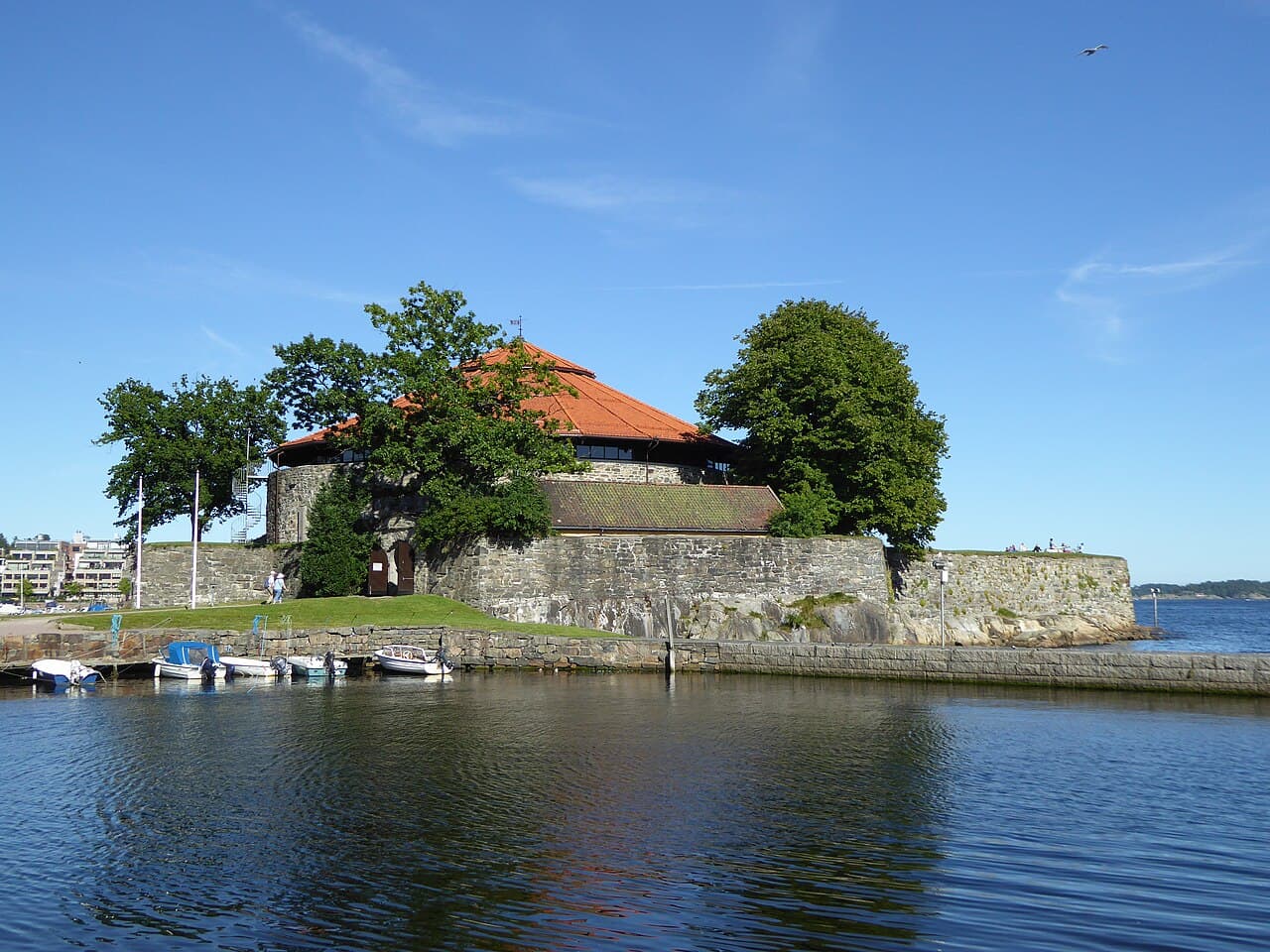
Christiansholm Fortress in Kristiansand, Norway
Kristiansand, Agder, Norway
Renaissance (15th–17th c.)
Well Preserved

Christiansholm Fortress is a historic bastioned fortress located in Kristiansand, Norway. Completed in 1672, it was an integral component of the city's early defensive system following its founding in 1641 by King Christian IV. The fortress was designed by the notable quartermaster general Willem Coucheron, who played a key role in fortification projects during the Renaissance period in Norway.

Strategic location and construction

The fortress was originally built on a small islet approximately 100 yards from the mainland shore, providing a strong defensive position guarding the harbor and the entrance to Kristiansand. Its bastioned design reflects the military architectural principles of the Renaissance, emphasizing angled bastions to deflect cannon fire and provide overlapping fields of fire against attackers. Over time, land reclamation connected the fortress to the mainland, making it more accessible to visitors today.

Architectural features and design

Christiansholm Fortress exhibits typical features of a 17th-century bastioned fortress. It includes robust stone walls with angled bastions at the corners, designed to maximize defensive coverage. The fortress's layout is compact yet effective, with curtain walls linking the bastions and a central courtyard. Defensive elements such as ravelins or detached outworks may have been part of the original plan, though the fortress's relatively small scale focused on protecting the harbor entrance rather than serving as a large garrison.

Interior structures

The interior of the fortress housed various military facilities, including gun emplacements, ammunition storage, and quarters for soldiers and officers. The design ensured efficient use of space while maintaining strong defensive capabilities. Today, the fortress's preserved structures provide insight into 17th-century military architecture and living conditions.

Historical significance and military use

Christiansholm Fortress was part of King Christian IV's broader vision to secure his newly founded city against naval threats. Its strategic position was vital in controlling access to Kristiansand's harbor and protecting the city from seaborne attacks. The fortress saw limited combat action during its operational history.

The 1807 engagement

The only recorded battle involving Christiansholm Fortress occurred in 1807 during the Napoleonic Wars when an English naval force led by HMS Spencer attacked the area. The fortress's defenses were tested, but it did not fall, demonstrating its resilience and strategic importance.

Decommissioning and modern use

By royal decree in June 1872, Christiansholm Fortress was officially decommissioned as part of a nationwide reassessment and redevelopment of military fortifications. Advances in military technology and changes in defense strategy rendered the fortress obsolete for active defense roles.

Today, the fortress is owned by the municipality of Kristiansand and serves as a prominent tourist attraction and cultural venue. Located adjacent to the popular Kristiansand Boardwalk, it hosts a variety of cultural events and festivities, making it an important recreational and heritage site for locals and visitors alike.

Preservation and cultural importance

Maintained in a well-preserved state, Christiansholm Fortress stands as a tangible link to Norway's Renaissance military architecture and the city's early history. The fortress's location and design offer valuable insights into 17th-century defensive strategies and urban planning under King Christian IV's reign.

Visitors can explore the fortress's bastions, walls, and interior spaces, gaining an understanding of its role in the defense of Kristiansand and its transformation from a military installation to a cultural landmark.

Frequently asked questions (FAQ)

How do I visit Christiansholm Fortress?
Christiansholm Fortress is open to the public year-round as it is an outdoor historic site. It is easily accessible from the Kristiansand Boardwalk, with no entrance fee required. Visitors can explore the fortress grounds and attend cultural events held there.
What is the historical significance of Christiansholm Fortress?
Built in 1672, Christiansholm Fortress was a key part of King Christian IV's defense plan for Kristiansand. It played a defensive role during the Napoleonic Wars and represents Renaissance military architecture in Norway.
When was Christiansholm Fortress decommissioned?
The fortress was officially decommissioned in June 1872 by royal decree, as part of a nationwide update to military fortifications.
Can I attend events at Christiansholm Fortress?
Yes, the fortress is a popular venue for cultural events and festivities throughout the year, including concerts and local celebrations, making it a lively part of Kristiansand's cultural scene.
Is Christiansholm Fortress suitable for families and children?
Absolutely. The fortress grounds offer open spaces for children to explore safely, and the cultural events often include family-friendly activities, making it a great destination for visitors of all ages.

Photo gallery

Christiansholm Fortress
Click to view

Photo by Millars•CC BY-SA 4.0

1 photo • Click any image to view in full screen

Information

Bastioned Fortress

Current owner

Municipality of Kristiansand

Loading map...

Visitor reviews

No reviews yet. Been here? Write the first review and help other travelers!

Write the first review

Visited this castle? Share your experience

Your review helps other travelers and adds first-hand knowledge to our encyclopedia.
Write a review

(5/5)

0/2000 characters

Your review will be visible after admin approval

Nearby castles

6.2 km
Kristiansand Cannon Museum — Norway castle

Kristiansand Cannon Museum

Kristiansand, Norway

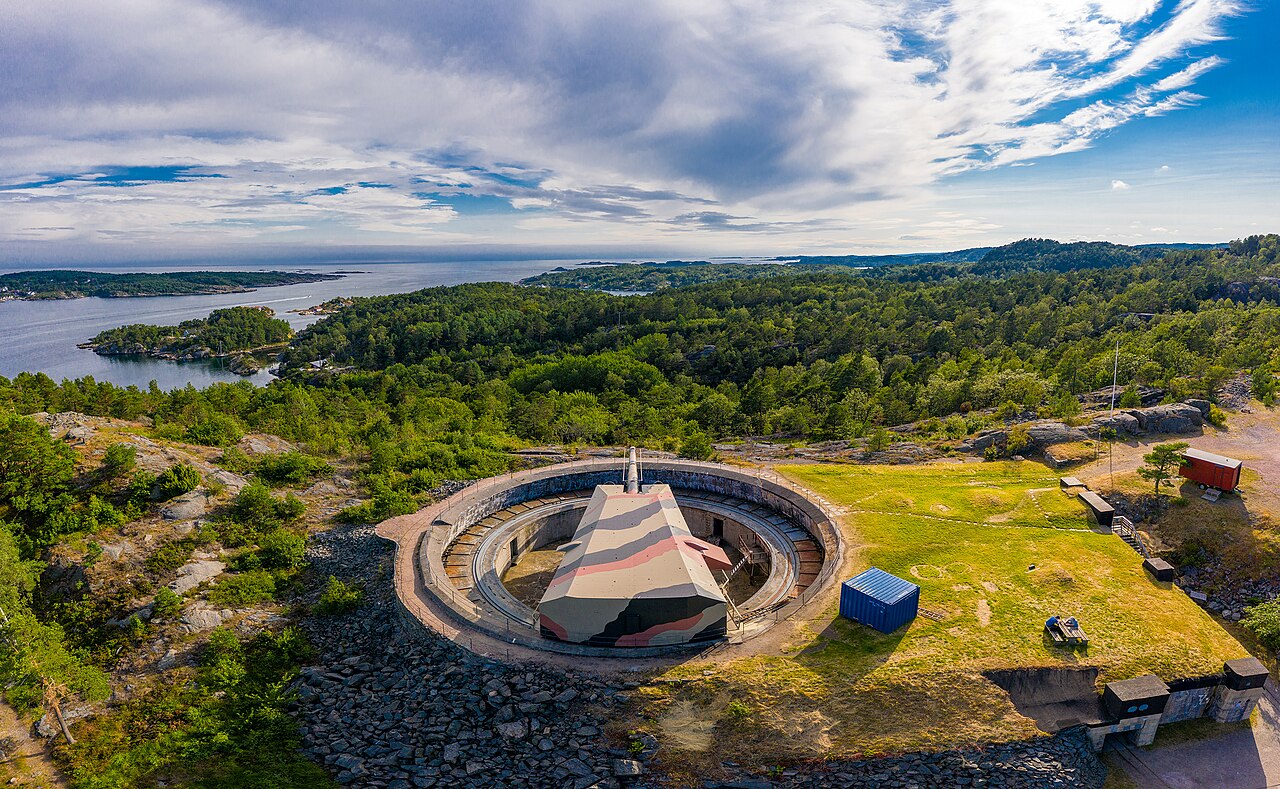
The Kristiansand Cannon Museum is a significant military heritage site located in the municipality of Kristiansand, within Agder county, Norway. Situated in Møvik, approximately 8 kilometres west of Kristiansand’s city centre, the museum occupies the grounds of a former coastal fortress installation. This site preserves a remarkable example of a 20th-century bastioned fortress that played a strategic role in Norway's coastal defenses during the World War II era and the subsequent Cold War period. Historical background and military significance The fortress was originally constructed during the 20th century as part of Norway's efforts to fortify its coastline against naval threats. The installation was equipped with heavy artillery batteries designed to control the approaches to the Kristiansand harbour and surrounding coastal areas. Its primary function was to deter enemy naval forces and protect vital maritime routes along Norway's southern coast. During World War II, the site was occupied and expanded by German forces, who enhanced its defensive capabilities with modern artillery and reinforced concrete structures. The museum today preserves many of these original fortifications, including gun emplacements, underground bunkers, and observation posts. Architectural and structural features The bastioned fortress design of the Kristiansand Cannon Museum reflects military architectural principles focused on maximizing defensive firepower and protection. The fortress includes thick concrete walls, angled bastions for overlapping fields of fire, and subterranean tunnels connecting various parts of the complex. The site’s artillery installations feature large-caliber coastal guns mounted on rotating platforms, allowing wide coverage of the sea approaches. The museum grounds also contain ancillary military buildings such as barracks, command centers, ammunition depots, and communication facilities. These structures collectively illustrate the operational complexity of a coastal defense fortress from the mid-20th century. The museum today and visitor experience Today, the Kristiansand Cannon Museum serves as a public museum preserving and interpreting Norway’s coastal defense history. Visitors can explore the extensive network of tunnels and gun emplacements, gaining insight into the daily lives of soldiers stationed at the fortress. The museum maintains a collection of authentic military equipment, including artillery pieces, vehicles, and personal gear used by the garrison. Guided tours provide detailed explanations of the fortress’s strategic role, construction techniques, and historical context. The museum also hosts educational programs and special exhibitions related to Norway’s military heritage. Location and accessibility The museum is located in a scenic coastal area, offering visitors not only a historical experience but also views of the surrounding landscape and sea. It is accessible by car and public transportation from Kristiansand city, making it a popular destination for both local residents and tourists interested in military history and coastal fortifications. Preservation and cultural importance As a well-preserved example of a 20th-century bastioned fortress, the Kristiansand Cannon Museum is an important cultural heritage site. It provides valuable insights into Norway’s military strategy during a turbulent period of European history and serves as a reminder of the country’s efforts to defend its sovereignty and maritime interests. The museum’s preservation efforts ensure that future generations can learn about the technological and architectural aspects of coastal defense, as well as the human stories connected to the fortress.

Contemporary (20th–21st c.)
Details
147.9 km
Aggersborg — Denmark castle

Aggersborg

, Denmark

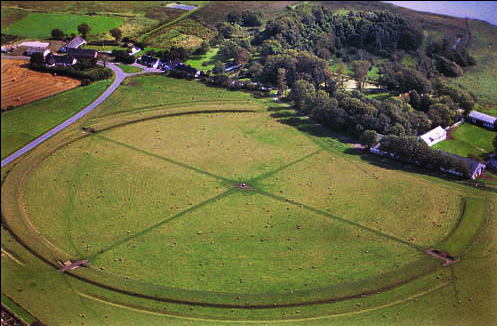
Aggersborg stands as the largest of Denmark's known Viking ring fortresses and one of the most significant archaeological sites in the country. Situated near Aggersund on the northern shore of the Limfjord, this fortress dates back to the 10th century, specifically around c. 980 AD, during the Early Medieval period. The site was strategically positioned to oversee a narrow strait of the Limfjord, an important waterway in Viking Age Denmark.Architectural design and layoutThe fortress is characterized by a large circular rampart encircling the entire site, complemented by a surrounding defensive ditch. The design features four main roads arranged in a precise cross formation, which connect the fortress's central area with the outer ring of the rampart. Notably, these roads were engineered to pass underneath the outer rampart through tunnels, preserving the continuity of the circular defensive structure. This sophisticated design reflects advanced military engineering principles of the Viking Age.Construction techniques and materialsThe ramparts were constructed primarily from earth and timber, typical of Viking fortifications, with the ditch serving as an additional obstacle to attackers. The precise circular shape and the symmetrical layout suggest careful planning and centralized control during construction. Archaeological evidence indicates that the fortress was built rapidly, likely as part of a coordinated effort to establish control over the region.Historical context and significanceBefore the fortress's construction, the site was home to an Iron Age village, which was cleared in the 10th century to make way for the new military installation. The fortress's exact purpose remains a subject of scholarly debate, but its location and design imply a role in controlling maritime traffic and defending the region against external threats. It may have also served as a military base, a trading hub, or a symbol of royal power during the reign of Danish kings such as Harald Bluetooth.Following its period of use, the fortress was eventually abandoned. The reasons for this remain unclear but may relate to changes in political power or military strategy during the late Viking Age.Archaeological excavations and findingsExtensive archaeological excavations have been conducted at Aggersborg, revealing much about its original structure and use. These digs have uncovered a wealth of artefacts dating from the Iron Age through the Viking Age, including tools, weapons, and everyday items that provide insight into the lives of its inhabitants. The excavations have also helped reconstruct the site's layout and defensive features.The surface of the fortress as seen today is largely a modern reconstruction, based on archaeological evidence and research. This reconstruction allows visitors to appreciate the scale and design of the original fortress.World heritage status and preservationIn 2023, Aggersborg was inscribed on the UNESCO World Heritage List alongside four other Danish ring fortresses, recognizing its outstanding cultural and historical value. This designation helps ensure the site's protection and promotes awareness of Denmark's Viking heritage.Today, Aggersborg remains a key site for understanding Viking military architecture and Early Medieval Danish history. Its ruins offer a tangible connection to the past and continue to attract researchers, historians, and visitors interested in Viking culture.

Early Medieval (5th–10th c.)
Details
151.4 km

Fredriksvern Fortress

Larvik, Norway

Fredriksvern Fortress, located in Larvik, Norway, is a significant historic naval base with origins tracing back to ancient times. The site, known as Stavern, has been recognized as a harbor since at least the 11th century, with written sources from that era highlighting its use as a good fishing harbor. This strategic coastal location became central to Norway's maritime defense during the 17th and 18th centuries. Early military development and fortifications The military significance of Stavern began in earnest during the late 17th century under the reign of Christian IV. Between 1675 and 1679, a major construction effort established Staverns Fortress as part of a broader network of Norwegian fortifications designed to protect the coastline. Shortly thereafter, in the 1680s, Citadellet Fort was constructed by Count Fredrik Gyldenløve. This fort played a crucial role during the Great Northern War (1709–1720), serving as a defensive stronghold against Swedish forces. Establishment of the naval base and shipyard During the winter of 1748-1749, King Fredrik V ordered the construction of a shipyard and drydock at Fredriksvern, marking the foundation of Norway's first dedicated naval command base in 1750. This development was motivated by the need to bolster Norway's defenses against potential Swedish aggression. The naval station was strategically important because it could support land forces by disrupting Swedish naval transport routes, thereby hindering invasions. The shipyard, known as Fredriksværns Værft, was completed in 1750 and became a center for naval construction, including the building of a frigate in 1775. This facility underscored the growing naval capabilities of Norway within the Denmark-Norway union. Architectural features and cultural landmarks Fredriksvern Church, completed in 1756, served as the garrison church for the fortress. Architecturally, it reflects a blend of Renaissance and Baroque influences, characteristic of mid-18th century ecclesiastical design in Scandinavia. The church remains a notable cultural landmark within the fortress complex. Role during Denmark-Norway union and post-1814 developments While the main naval base for the Common Fleet of Denmark-Norway was located in Copenhagen, the political changes following the dissolution of the union in 1814 elevated Fredriksvern to the primary naval base for the newly independent Royal Norwegian Navy. The Common Fleet had suffered severe losses during the British attack in 1807, and Norway received only a fraction of the remaining naval assets. Recognizing the need for expansion, Norwegian authorities soon realized that Fredriksvern had strategic limitations. Its position made it vulnerable to land-based attacks, and the existing facilities could not accommodate the growing navy. By 1815, plans were underway to establish a new main naval base. The transition to Horten Despite its shortcomings, Fredriksvern remained operational during the early 19th century. However, economic constraints delayed the expansion of the navy and the construction of a new base. It was not until the 1830s that the new naval base at Horten was developed to better serve Norway's maritime defense needs. Nevertheless, Fredriksvern continued to function as an important naval installation for many decades afterward. Later uses and preservation Fredriksvern Fortress retained military significance well into the 20th century. It served as an air force academy until 2002, showcasing its adaptability to modern military requirements. Today, the fortress stands as a well-preserved monument reflecting several centuries of Norwegian naval history and coastal defense architecture. Architectural and strategic characteristics The fortress complex includes various defensive structures typical of the Renaissance period, such as bastions, ramparts, and dry moats designed to withstand artillery assaults. The integration of the shipyard and drydock facilities within the fortress highlights the dual military and naval functions of Fredriksvern. The combination of Renaissance and Baroque architectural styles is evident in both military and ecclesiastical buildings, illustrating the aesthetic and functional priorities of the era. Historical significance Fredriksvern Fortress played a pivotal role in Norway's defense strategy during periods of conflict with Sweden and in the broader context of Scandinavian power struggles. Its establishment marked a shift towards a more autonomous Norwegian naval presence within the Denmark-Norway union and later as an independent nation. The fortress’s continued use into the modern era underscores its enduring strategic value.

Renaissance (15th–17th c.)
Details